American Guerrilla Marketing
Nationwide serivce
Media planning, media buying, billboard advertising, & guerrilla marketing
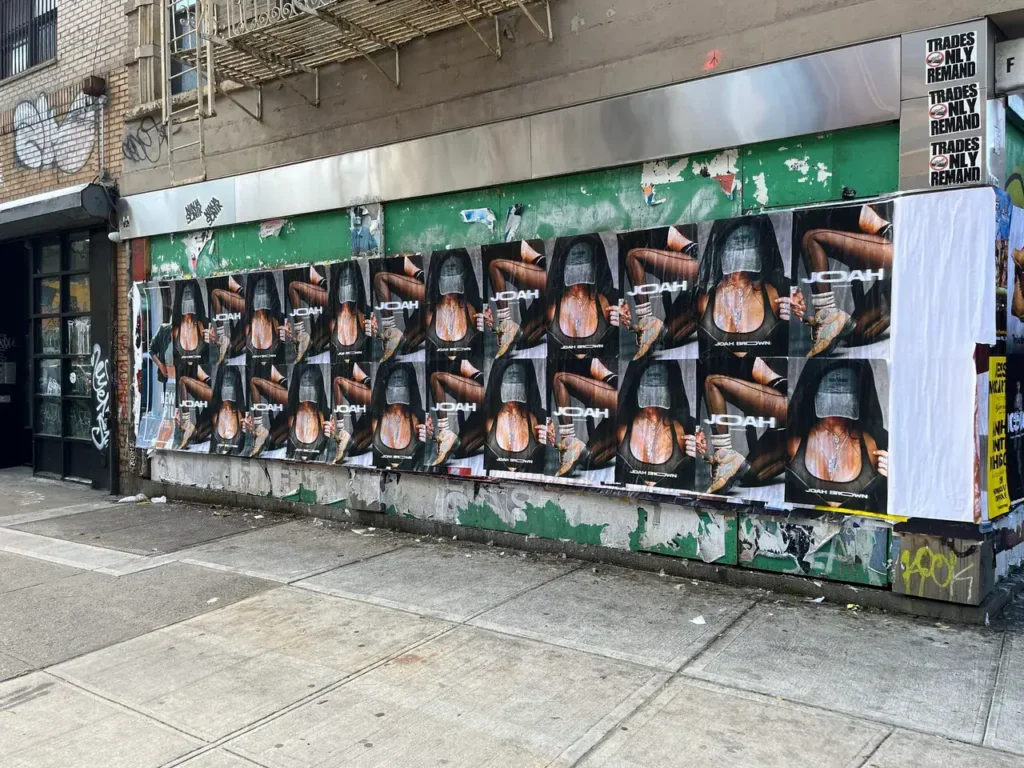
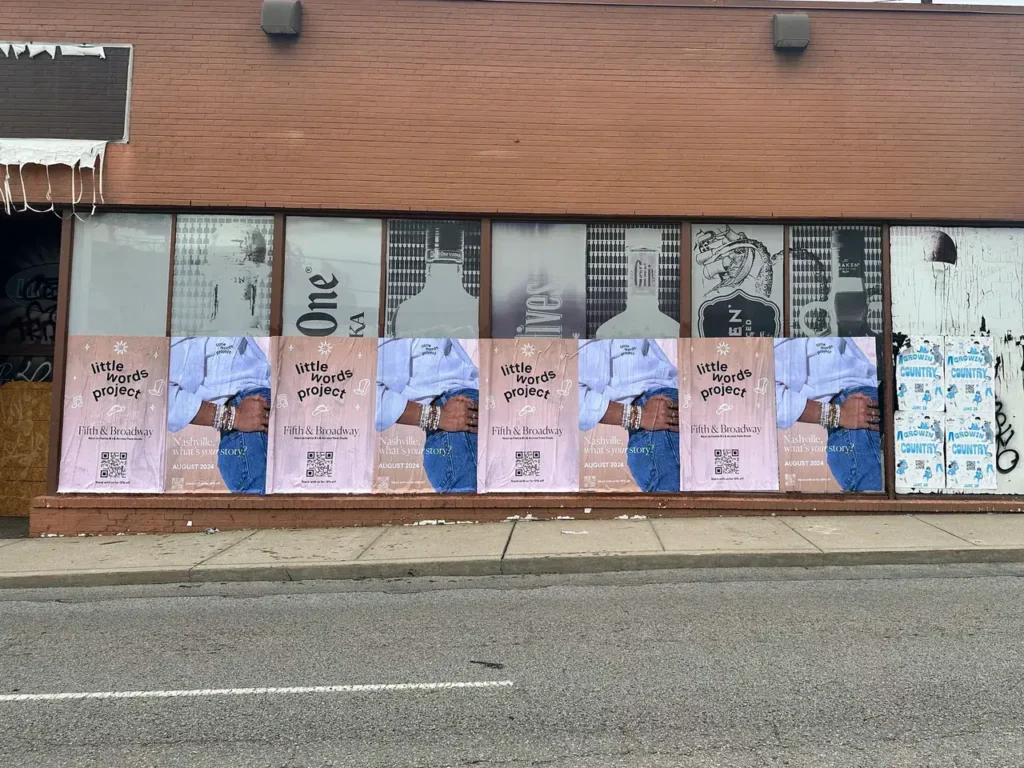
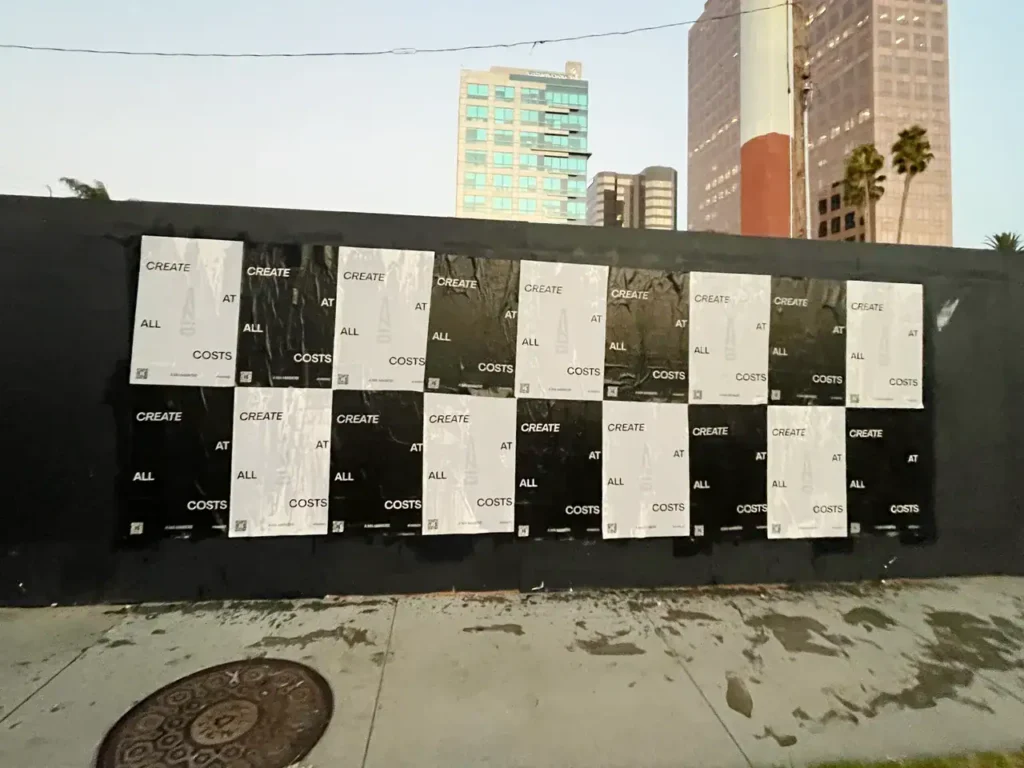
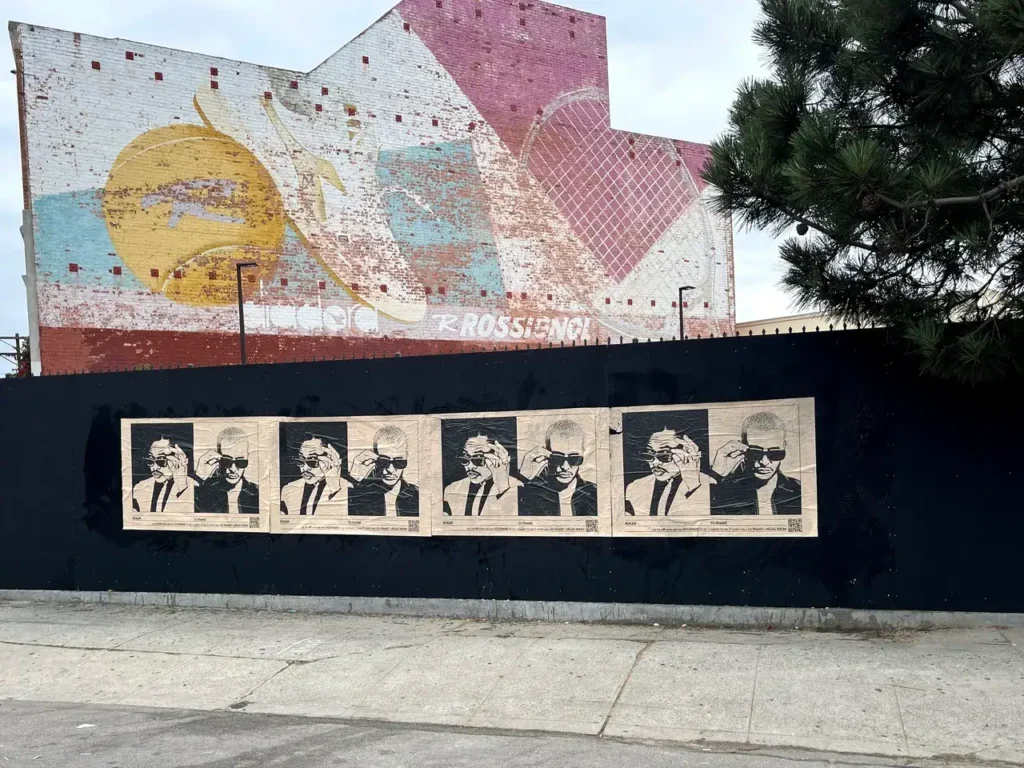
The South Bank is London’s most visited cultural mile, where Southwark Street, Borough Market, the Tate Modern approach, and Leake Street — Europe’s only officially sanctioned street art tunnel — deliver a year-round mix of arts audiences, international tourists, and culturally engaged Londoners. AGM places fully authorized wheatpaste poster campaigns across the South Bank’s prime walls, reaching a diverse and culturally receptive audience at the heart of central London’s riverside.
Walking Southwark Street east from Blackfriars Road on a Friday evening at 6:30pm, you are in the transition between the end-of-week City and Southwark office professional crowd and the beginning of the weekend arts and tourism audience. The Tate Modern at Bankside is about to close, sending its last visitors out through the Turbine Hall onto Holland Street and toward the river walk. Borough Market at 8 Southwark Street is entering its Friday evening food and drink hour. The Southwark Bridge approach is running the tail end of City commuter traffic. These three audience streams converge in the Southwark Street and Borough Market corridor simultaneously, and the walls on this stretch see a demographic mix that few other London neighbourhoods can generate in a single two-hour window.
The South Bank's wheatpaste walls reach London's arts, culture, and tourism audience alongside the professional commuter and foodie consumer on the UK's most visited cultural riverbank. AGM's authorized network covers Borough Market, Tate Modern, Leake Street, and Southwark Street with GPS-documented placements and 48-hour reporting.
Select an area to explore Wheatpasting & Poster Campaign opportunities.
The South Bank’s value as a wheatpaste market comes from its combination of year-round cultural destination foot traffic and the specifically arts-literate audience it concentrates in one of the most walkable riverside corridors in London. Tate Modern at Bankside SE1 is the UK’s most visited art gallery, with over four million visitors annually in pre-pandemic data and consistent high-volume attendance year-round. The Royal Festival Hall at Belvedere Road and the full Southbank Centre complex on the north end of the South Bank cultural strip anchor a performing arts and concert audience that is 30-55, higher income, and strongly responsive to arts, premium lifestyle, and quality consumer brand messaging. The BFI Southbank at Belvedere Road adds a film culture audience. Shakespeare’s Globe at 21 New Globe Walk adds a theatre audience with strong international visitor composition. The concentration of cultural institutions along the less than two-kilometre stretch from Blackfriars Bridge to London Bridge creates an audience density that makes the South Bank one of London’s most powerful outdoor advertising environments for any campaign targeting the culturally engaged consumer.
Leake Street, running under Waterloo station between Waterloo Road and Lower Marsh, is Europe’s only officially sanctioned street art tunnel, originally facilitated by Banksy in 2008 for the Cans Festival. The tunnel’s walls are repainted on a rolling basis by commissioned and self-organized street artists, and the space draws a significant foot traffic of street art enthusiasts, tourists seeking the Banksy association, and local workers from the Waterloo station area. A wheatpaste campaign in the Leake Street context participates in an internationally recognized street art culture environment that generates its own editorial and social media coverage independent of the campaigns it contains. This is specific to Leake Street and has no equivalent elsewhere on the South Bank.
Borough Market generates one of London’s most distinctive pedestrian audiences. The market trades Thursday through Saturday, with the Saturday trading day drawing an estimated 25,000-35,000 visitors. The audience is predominantly 28-50, foodie-oriented, higher household income, and from a broad geographic base that includes international food tourism visitors alongside local Southwark and City residents. The market’s position under the railway arches at the junction of Southwark Street, Borough High Street, and Stoney Street creates a natural pedestrian convergence point that concentrates market visitors in the surrounding streets in a way that makes the walls on Stoney Street, Park Street, and the Southwark Street approaches among the most high-value food, beverage, and premium consumer surfaces in London.
Tate Modern receives over 4 million visitors annually, making it the UK’s most visited art gallery. Combined with Borough Market, the Southbank Centre, and Shakespeare’s Globe, the South Bank’s cultural mile draws an estimated 30-50 million visitor occasions per year across all venues.
The South Bank’s wall inventory spans multiple local authority jurisdictions. The western end of the South Bank cultural strip, from Lambeth Bridge to Waterloo Bridge, falls under London Borough of Lambeth. The eastern end, from Waterloo Bridge through Borough Market and London Bridge, falls under London Borough of Southwark. Each borough has its own enforcement approach and authorization requirements, and AGM’s South Bank network has been developed with direct property authorization on the key surfaces across both boroughs. The Leake Street tunnel, which sits under Network Rail infrastructure, operates under a specific authorization framework that we have navigated for campaigns that specifically target that surface’s unique street art cultural context.
Surface materials on the South Bank range from the Victorian railway brick of the Leake Street tunnel and the Borough Market arches (excellent paste adhesion and very long campaign duration viability) to the modern cultural institution facades along the Southbank Centre frontage (lower porosity, requiring specific paste formulation). The riverside walk surfaces and the Tate Modern approach are modern or recently renovated, which requires the same low-porosity treatment as the Canary Wharf commercial facades. We assess each surface during scouting and the installation protocol reflects the specific adhesion characteristics of each wall in the network.
AGM field operators — and we walked the South Bank’s Waterloo approach, Bankside, and Borough Market perimeter firsthand — boots on the ground — assessing wall surfaces on-the-ground, in-person before any location entered the placement inventory. Our field operators — certified, licensed placement experts — bring 10 years of professional street-campaign experience across the UK’s most-visited cultural corridor. Every South Bank surface is permissioned with direct property owner authorization, GPS-tagged, and logged in the active placement inventory. AGM guarantees the accuracy of all field documentation. To review case studies from comparable campaigns in our nationwide portfolio or request a South Bank quote, call (646) 776-2770 or email [email protected].
The impression formula behind these numbers is the OOH industry standard: Daily Foot Traffic × 14-Day Duration × Street-Level Visibility Factor (0.08 to 0.12). Street poster format standards drive the estimates, not billboard projections. Wall position and local foot traffic density affect actual impressions.
| Zone / Neighbourhood | Est. Daily Foot Traffic | Est. Impressions per Location (14-Day Campaign) | Best Campaign Types |
|---|---|---|---|
| Borough Market / Stoney Street Approaches | 20,000-45,000 | 224,000-756,000 | Food & bev, premium lifestyle, consumer brand |
| Southwark Street Corridor | 18,000-38,000 | 201,600-638,400 | Consumer brand, entertainment, B2B, professional |
| Tate Modern / Bankside Approach | 15,000-32,000 | 168,000-537,600 | Arts, culture, premium lifestyle, tourism |
| Leake Street Tunnel Approaches | 6,000-14,000 | 67,200-235,200 | Arts, music, street culture, youth brand |
| Southbank Centre / Belvedere Road | 20,000-42,000 | 224,000-705,600 | Arts, culture, premium consumer, performing arts |
| Wall / Venue | Street / Address | Neighbourhood | Est. Poster Capacity | Best Campaign Type |
|---|---|---|---|---|
| Borough Market Railway Arch Wall | Stoney Street near Borough Market, SE1 9AA | Borough Market | 10-18 per block face | Food & bev, premium lifestyle, consumer brand |
| Southwark Street South Face | Southwark Street between Blackfriars Road and Borough High Street, SE1 | Southwark | 12-20 per block face | Consumer brand, entertainment, B2B, professional |
| Tate Modern Holland Street Approach | Holland Street near Tate Modern entrance, SE1 9JE | Bankside | 8-14 per block face | Arts, culture, premium lifestyle, international tourism |
| Leake Street Tunnel Entrance | Leake Street near Waterloo Station, SE1 7NN | Waterloo | 8-16 per block face | Street art, music, arts, youth brand, events |
| Park Street / Clink Street Heritage Wall | Park Street near Clink Street, SE1 9AB | Bankside | 8-14 per block face | Arts, tourism, food & bev, premium lifestyle |
Award Winning Personalized Service
You will get thoughtful, devoted, and individualized attention from our experienced, qualified, and professional personnel. Being one of the most illustrious agencies in Brooklyn, New York, American Guerrilla Marketing has been awarded the Best of Brooklyn title.
Nationwide
Industry City, Brooklyn, New York 11232
American Guerrilla Marketing
Hours
Mon - Fri: 9 AM - 5 PM
Sat & Sun: Closed
Automate your campaign with AGM’s Request for Proposal Builder. Simply answer a few quick questions about your campaign goals, markets, and timeline, and the system will generate a tailored presentation with recommended strategies, quantities, and pricing. Click the RFP Builder to instantly receive your customized proposal.
The South Bank’s arts institutions, tourism infrastructure, and heritage building stock create a wall inventory that ranges from Victorian railway brick to modern cultural institution facades. The right poster format for each surface on the South Bank is as much about the viewing distance created by the wide riverside promenade and the open approaches to the cultural institutions as it is about the surface dimensions themselves. UK metric sizing applies throughout. Here is what each format delivers in this specific environment.
A1 is the standard format across the South Bank’s street-level wall inventory. The Borough Market railway arch walls and the Stoney Street and Park Street surfaces accommodate A1 at high grid density between the arch frames and building-to-building gaps. For food and beverage launches, arts and culture campaigns, and consumer brands targeting the Borough Market foodie audience, A1 at four to eight poster grid density on the arch walls is the most cost-effective format entry. The brick surface of the Victorian railway arches is among the highest-adhesion paste substrate in London, and A1 placements on the Stoney Street arch faces typically hold for four to six weeks without visible degradation even in autumn and winter wet periods.
B1 carries well on the Southwark Street south face and the Tate Modern approach walls, where the wider street widths give the additional viewing distance that makes B1’s extra scale register clearly. The Southbank Centre approach along Belvedere Road has facade positions that accommodate B1 on the walls between the main cultural building entrances. For arts institutions promoting exhibitions or performing arts seasons, and for premium consumer brands that want a visual step above the A1 standard in the Tate Modern and Southbank Centre audience approach, B1 is the format that signals investment scale in a way the arts-literate South Bank audience reads clearly.
A0 is the format for the South Bank’s most effective wall positions: the large riverside-facing surfaces visible from the north bank Thames path, the wider arch sections along Stoney Street that have enough clear run, and the Bankside approach walls near Tate Modern where the open space between the building and the riverbank gives long sightlines. A campaign running A0 on the right Bankside surface is visible from the Millennium Bridge approach and from the river walk on the north bank in clear weather. For high-profile exhibition launches, major entertainment releases with a cultural angle, and international brand campaigns that want the South Bank’s visual reach across the Thames, A0 on the right Bankside position is the format that delivers it.
Quad Crown covers the South Bank’s development hoarding inventory, which is consistent along the Waterloo and Borough approach roads due to the ongoing Nine Elms development corridor extension and the continued redevelopment of sites along the south bank between Blackfriars and Waterloo bridges. Construction hoarding positions on these sites run to Quad Crown panel dimensions and see the foot traffic from both the tourist riverfront walk and the Waterloo and London Bridge station commuter catchments simultaneously.
The 6-Sheet is the UK equivalent of the American 48×72 Large Format and the format that commands the South Bank’s widest pedestrian promenade positions. On the open riverside walk between Tate Modern and the Oxo Tower, and on the Southwark Street south face where the pavement is wide enough to give full viewing distance, a 6-Sheet placement reads from across the street at the distances that major consumer and entertainment campaigns need to register their creative at scale. The arts audience that populates these routes is visually sophisticated and processes format scale as a creative quality signal. Getting the 6-Sheet right on the South Bank, positioned on the right surface with the right creative, delivers an impression that the arts and culture audience notices and remembers. For US clients: 6-Sheet is the format specification that replaces 48×72 in any UK brief.
Walking Stoney Street on a Saturday morning at 10am, before the Borough Market reaches peak density, the railway arch walls on both sides of the street are fully visible from the approaching pedestrian flow. By 11am the street is compressed with market visitors and the same walls are being read at close range by thousands of people who have slowed to market browsing pace. Borough Market anchors this street: the market has occupied this site since the 13th century and now draws a 28-50, higher-income, food-oriented audience that is specifically receptive to food and beverage, premium consumer, and lifestyle brand messaging. The Victorian railway brick arch walls on Stoney Street are among the best paste adhesion surfaces on the South Bank, holding campaigns cleanly for four to six weeks regardless of autumn and winter weather. The east face of the arches on the west side of the street, facing east, catch morning and midday light during Saturday market peak hours. The west-facing arches on the east side of the street catch afternoon light through the weekend market close. We have run food and beverage campaigns on these arches four times; every one held for the full run and generated strong client-reported brand recognition uplift in the SE1 postcode area.
Walking Southwark Street from the Blackfriars Road end on a Tuesday morning at 8:45am, the commuter flow is westbound toward Blackfriars station and eastbound toward London Bridge station simultaneously. The buildings on the south side of Southwark Street, meaning the north-facing walls, are in shade through most of the day, which is the preferred condition for extended campaign duration because it avoids UV degradation on the paste ink. The north side of Southwark Street, the south-facing walls, catches strong south light in summer from around 11am through 3pm, which delivers excellent visual contrast during the lunch and afternoon pedestrian peak but faster ink fade on campaigns running beyond three weeks. The south side of the street, north-facing walls, is our primary recommendation for Southwark Street placements that need to run the full four-week duration. The audience on Southwark Street is a mix of City and Southwark office professional from Monday through Friday and arts and tourism visitor on weekends: the diversity of audience types across the working week and weekend makes this one of the most versatile surfaces in the South Bank market.
Walking Holland Street from the Bankside riverside walk toward the Tate Modern main entrance on a Sunday afternoon at 2:30pm, the approach foot traffic is predominantly arts visitors, many international, moving from the Millennium Bridge pedestrian crossing and the riverside walk toward the gallery. The Tate Modern is the most visited art gallery in the UK and the seventh most visited in the world, and the weekend afternoon approach to the gallery entrance carries an audience that is specifically arts-literate, culturally engaged, and internationally diverse. The building facades on Holland Street between the riverside walk and the Tate entrance have surfaces that include both original Southwark brick and modern commercial render. The brick sections hold paste well; the modern render requires specific paste formulation. The north-facing walls on the south side of Holland Street, facing north toward the Thames, are in consistent shade and hold ink colour over extended campaign durations. For arts and culture campaigns, international brand awareness campaigns, premium lifestyle, and entertainment properties targeting a global, culturally engaged audience, the Tate Modern approach is the most prestigious outdoor advertising adjacency on the South Bank.
Walking into Leake Street from the Waterloo Station end on a Saturday afternoon at 4pm, the tunnel carries a distinctive mix: street art tourists who have come specifically to photograph the tunnel’s current murals, local Waterloo workers on their way to Lower Marsh market, and the occasional commuter cutting through from York Road to Waterloo Road. The walls inside the tunnel are repainted on a continuous rolling basis, meaning any campaign placed inside the tunnel itself becomes part of the constantly evolving street art environment. The entrance walls, immediately outside the tunnel on the Waterloo Road and the York Road sides, are where AGM focuses placement: these surfaces catch the approach foot traffic before it enters the tunnel, see the daylight that the tunnel interior does not, and hold paste adhesion reliably on the Victorian brick that makes up the station’s arch structure. The audience at Leake Street skews younger and more arts-oriented than the general Waterloo commuter stream: 22-36, street art and culture-aware, specifically seeking the tunnel as a destination. This surface is one of the most photographed locations in London for street art and advertising content, which drives organic social amplification from any campaign placed in this immediate vicinity.
Walking Park Street from Borough Market south toward Clink Street on a Saturday afternoon, the audience shifts from the dense Borough Market crowd toward the Bankside cultural visitor heading for Shakespeare’s Globe or the Clink Prison Museum. The buildings on this stretch include some of the oldest commercial buildings in SE1, with Victorian and early 20th century brick facades that have extremely high paste adhesion and a visual texture that makes wheatpaste campaigns feel authentically part of The neighbourhood’s layered history. The Clink Street approach carries a specific combination of heritage tourism visitor and Bankside cultural audience that makes it effective for arts, culture, and premium lifestyle brand campaigns. The south-facing walls on the north side of Clink Street catch afternoon sun in summer, which makes them highly visible from the park and riverside walk approaches, and the north-facing walls on the south side hold ink for extended durations.
A UK premium food brand used the Borough Market Stoney Street arch walls for a new product launch campaign. A1 and 6-Sheet formats across seven wall positions on the market approach routes, running through three consecutive Saturday market trading days. The brand reported that the Stoney Street walls generated the highest in-market consumer recognition of any London outdoor placement in the campaign, attributing it to the specific alignment between the arch wall surface and the Borough Market foodie audience that is the brand’s primary target demographic.
A major London arts institution used the Holland Street approach walls and the Southwark Street south face for a major exhibition opening campaign. A0 format on the Tate approach and B1 on Southwark Street, running for four weeks across the opening period. The campaign was covered in two arts journalism publications as part of the exhibition launch press, with both articles using photography of the Holland Street poster placement as the visual illustration.
A streaming platform used the full South Bank network, from Leake Street to Borough Market, for a campaign supporting a UK arts and culture documentary series. The Leake Street entrance positions generated social media content from street art visitors who photographed the campaign and tagged the platform, creating organic reach that extended the paid placement into editorial and user-generated channels simultaneously.
American Guerrilla Marketing has placed and run campaigns across every major UK media market. We’ve placed poster activations along the South Bank’s Waterloo approach and the Bankside riverside walk, we’ve run cultural and entertainment brand campaigns in the Borough Market corridor, and we’ve documented the foot traffic patterns that distinguish the South Bank’s cultural-tourist audience from its evening hospitality demographic. Our field operators carry certified placement credentials and over 10 years of professional street-campaign experience across UK and US media markets. We verify legal access, confirm property owner authorization, and maintain a GPS-tagged placement inventory for every South Bank surface. AGM guarantees the accuracy of every field report. Request a quote or access case studies from our nationwide portfolio: (646) 776-2770 or [email protected].
The South Bank is a market with three distinct audience profiles occupying the same streets at different times and for different reasons: the professional commuter on Southwark Street and the Borough High Street approaches, the arts and culture visitor on the Tate Modern and Southbank Centre approaches, and the food tourism consumer at Borough Market. Getting a campaign positioned correctly for the specific audience profile in the brief requires knowing which surfaces see which audience at which time, and that knowledge comes from having walked these streets in every season with the brief in hand.
AGM has run wheatpaste campaigns across the South Bank market for arts institutions, food and beverage brands, entertainment properties, and streaming platforms, navigating the multi-borough authorization landscape and the range of surface materials from Victorian railway brick to modern cultural institution cladding. The GPS-tagged documentation, 48-hour placement reports, and campaign duration monitoring that apply to every AGM market apply here, and the surface-specific installation protocols we use on the South Bank are informed by the direct experience of watching how different wall types perform across London’s range of seasonal weather conditions.
For any brand whose target audience overlaps with the arts, culture, food, and premium lifestyle consumer who makes the South Bank one of the most-visited areas in Europe, street advertising on this riverbank is a direct route into that audience’s attention at the moments when they are most culturally engaged and most open to new brand discovery. That is when wheatpaste advertising works best, and the South Bank is the London market where those conditions are most consistently present across the calendar year.
The South Bank delivers a rare combination of extremely high foot traffic (driven by Tate Modern, Borough Market, Southbank Centre, and Shakespeare’s Globe), an arts-literate and internationally diverse audience that is specifically receptive to visual advertising, and wall surfaces ranging from Victorian railway brick to modern cultural institution facades. For arts, culture, food and beverage, and premium consumer brands, the South Bank is one of the strongest cultural credibility environments in London outdoor advertising.
The western South Bank (Waterloo, Leake Street) is in London Borough of Lambeth and the eastern stretch (Southwark, Borough Market, Bankside) is in London Borough of Southwark. AGM has direct property authorization on surfaces in both boroughs. The Leake Street tunnel falls under Network Rail infrastructure and requires a separate authorization approach that AGM has experience navigating.
The South Bank generates strong foot traffic year-round due to its cultural institution anchor, but peak volume is April through September, when the riverside walk and the outdoor spaces around Tate Modern and the Southbank Centre are at their highest daily attendance. Borough Market is busiest on Saturdays year-round. For campaigns tied to a specific exhibition or show opening, timing to the two weeks ahead of opening delivers the most targeted awareness building.
Yes. AGM’s network includes wall positions on Stoney Street, Park Street, and the Southwark Street approach to Borough Market. These are among the most in-demand surfaces in the SE1 market and we recommend booking well in advance of Saturday market-timed campaigns.
A1 (594x841mm) for the Borough Market arch walls and street-level grid placements. A0 (841x1189mm) for major visual statements on the wider Bankside and Southwark Street surfaces. 6-Sheet (1200x1800mm, equivalent to American 48×72) for maximum impact on the Southwark Street and riverside approach positions with wide pedestrian sightlines.
Leake Street is a tunnel under Waterloo Station that has operated as Europe’s only officially sanctioned street art space since Banksy’s 2008 Cans Festival. The tunnel entrance walls are among the most photographed street art locations in London, and campaigns placed in the immediate vicinity of the entrance consistently generate organic social and editorial coverage from the street art audience that uses the tunnel as a destination. For music, arts, and youth brand campaigns that benefit from street art cultural credibility, Leake Street entrance placements deliver an earned media layer alongside the paid impression count.