
August 26, 2025 Wheatpasting & Poster Campaigns
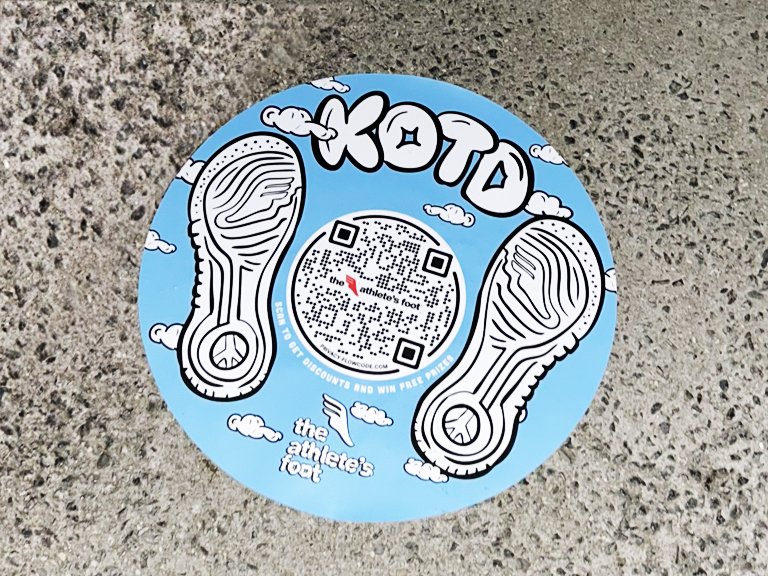
In an urban patchwork as unique and sprawling as Los Angeles, the art of wheatpasting stands out not only for its DIY roots but also its ability to own attention in a city defined by motion. It’s where American guerrilla marketing reveals its wildest, most creative side: the intersection of graphic design, street art, and public spectacle. Wheatpaste posting has become a signature move for campaigns aiming to make a mark in the neighborhoods that set cultural trends.
LA’s streets serve as a living gallery, constantly refreshed by visionary poster campaigns that can launch brands, musicians, political movements, and underground events to prominence. Mastering this craft means knowing where and how to post for maximum impact—because street-level visuals here don’t just ride the wave, they make it.
Wheatpaste’s history stretches from Dada artists in Paris, through punk rock flyers in ‘70s New York, to the splashy, irreverent ad takeovers seen on Melrose and Sunset today. There’s a rawness to the method: mix up flour, water, sugar, and slap designs onto whatever urban surface calls.
Unlike billboards, which scream for attention as part of the city’s sanctioned visual noise, wheatpaste posters feel like they break through from another world. They blur the boundary between advertising and activism. They wink at passersby, promising something more exciting than the usual visual clutter.
And LA, with its vast, varied neighborhoods, is uniquely built for this kind of spectacle.
The city’s expanse can be intimidating, but it’s the diversity of its zones—from high-traffic byways to bohemian enclaves—that makes grainy, glue-slathered posters so effective.
You want icon status? Go big in the Arts District:
Tactics to consider:
If ever there was a spot where visuals have to pop on command, it’s here:
Hollywood Playbook:
And for style? Neon. Go fluorescent. Let your artwork appear to glow underneath club blacklights.
You’ll find plywood construction boards along Sunset or niche walls beside coffee shops, record stores, and indie boutiques. Echo Park’s lanes channel the city’s creative heartbeat, where the audience not only notices but talks about fresh wheatpaste work.
Here, the sand-dusted, sun-faded aesthetic reigns:
Installments should speak the language of beach culture—simple, sun-bleached visuals with giant logos or eye-catching QR codes. The traffic’s fast, the impressions instant.
Melrose and Fairfax pulse with streetwear, sneaker collectors, and the next wave of musical stars:
A favorite advance? Collaborative campaigns with graffiti artists: unique combos of paste-up and spray-paint that deliver serious street cachet.
Long stretches of Wilshire or Olympic are textbook canvases for car culture:
To push a campaign into legend, technical skill must match boldness in concept. Here are bullets that separate pro-level pasting from ordinary noise:
Consider the table below, highlighting core contrasts between LA and NYC wheatpasting:
| NYC | Los Angeles | |
|---|---|---|
| Geography | Dense, walkable | Wide, car-oriented |
| Zones | SoHo, LES for clustering | Sprawling: Arts, Melrose, |
| Koreatown, Venice | ||
| Visibility | Up close, foot traffic | Long runs, car sightlines |
| Style | Fast changes, layers | Endurance, bold formats |
| Timing | Night installs, quick | Timed for rush hour, venues |
| Takedown rate | High, short shelf life | Surface-dependent, varies |
There’s an originality and playful irreverence to American guerrilla marketing that’s tough to match. Nowhere is this more alive than on the walls of Los Angeles, where every neighborhood becomes a fresh narrative canvas.
A few qualities define the most successful campaigns:
Wheatpaste posting is never just about glue and paper. It’s activism, storytelling, and competitive art war, rolled into one.
If you have a bold idea, the dream of owning impossible locations, or need to reach an audience that feels just out of grasp, reach out directly to Justin, campaign architect and street strategy specialist, at [email protected]. Let’s push the boundaries and see your vision come alive on LA’s most iconic walls.
Understanding Master the Art of Wheat Paste Posting in LA is essential for any modern marketing professional. By applying the strategies and techniques outlined in this guide, you can significantly enhance your marketing efforts and achieve better results for your brand or clients.
When implementing the strategies discussed in this article, it’s important to approach execution with both creativity and discipline. Here are some best practices that have proven effective for brands of all sizes:
Start with a Clear Objective: Before launching any marketing initiative, define what success looks like. Whether your goal is brand awareness, lead generation, or direct sales, having a clear objective will guide every decision you make throughout the campaign.
Know Your Budget and Timeline: Effective marketing requires resources, both financial and human. Establish a realistic budget and timeline before you begin, and build in contingencies for unexpected challenges or opportunities that may arise.
Test and Iterate: The best marketers treat every campaign as a learning opportunity. Start with smaller tests to validate your approach before scaling up. Use the data you collect to refine your strategy and improve your results over time.
Build Cross-Channel Consistency: In today’s multi-channel world, consumers interact with brands across many touchpoints. Ensure your messaging and visual identity remain consistent whether customers encounter you online, in print, or in person.
Leverage Community: Some of the most powerful marketing happens organically through community building. Invest in creating spaces where your customers can connect with each other and with your brand, and you’ll build loyalty that no ad budget can buy.
What makes guerrilla marketing different from traditional advertising?
Guerrilla marketing relies on unconventional, creative tactics that generate buzz and word-of-mouth rather than paid media placements. It typically requires less budget but more creativity and strategic thinking, making it particularly effective for brands looking to make a big impact with limited resources.
How do I measure the success of my marketing campaigns?
Success metrics vary depending on your objectives. Common KPIs include reach and impressions, engagement rates, website traffic, lead generation numbers, conversion rates, and ultimately, return on investment (ROI). Set your metrics before you launch so you can accurately evaluate your results.
How long does it take to see results from marketing campaigns?
Results vary significantly based on the type of campaign, your industry, and your objectives. Some tactics like paid advertising can generate immediate results, while others like content marketing and SEO may take months to show significant impact. Generally, it’s best to evaluate campaigns over a 3-6 month period to account for seasonal variations and learning curves.
What role does creativity play in modern marketing?
Creativity is more important than ever in today’s saturated media landscape. With consumers exposed to thousands of marketing messages daily, only the most creative and relevant content breaks through. Investing in creative talent and processes is one of the highest-leverage things a brand can do.
How can small businesses compete with larger companies in marketing?
Small businesses have natural advantages in marketing: agility, authenticity, and deep community connections. Focus on your unique story, build genuine relationships with customers, and use guerrilla tactics that let you punch above your weight. A creative campaign executed well can outperform a big-budget effort that lacks soul.
The strategies and insights covered in this article represent proven approaches that have helped brands across industries achieve their marketing goals. Whether you’re just starting out or looking to take your marketing to the next level, the key is to stay committed to learning, testing, and refining your approach.
At American Guerrilla Marketing, we specialize in helping brands cut through the noise with creative, impactful campaigns that deliver real results. From street-level activations to digital campaigns, our team brings the expertise and creativity needed to make your brand unforgettable.
Ready to take your marketing to the next level? Contact our team today to learn how we can help you create campaigns that truly stand out in any market.