
August 26, 2025 Wheatpasting & Poster Campaigns
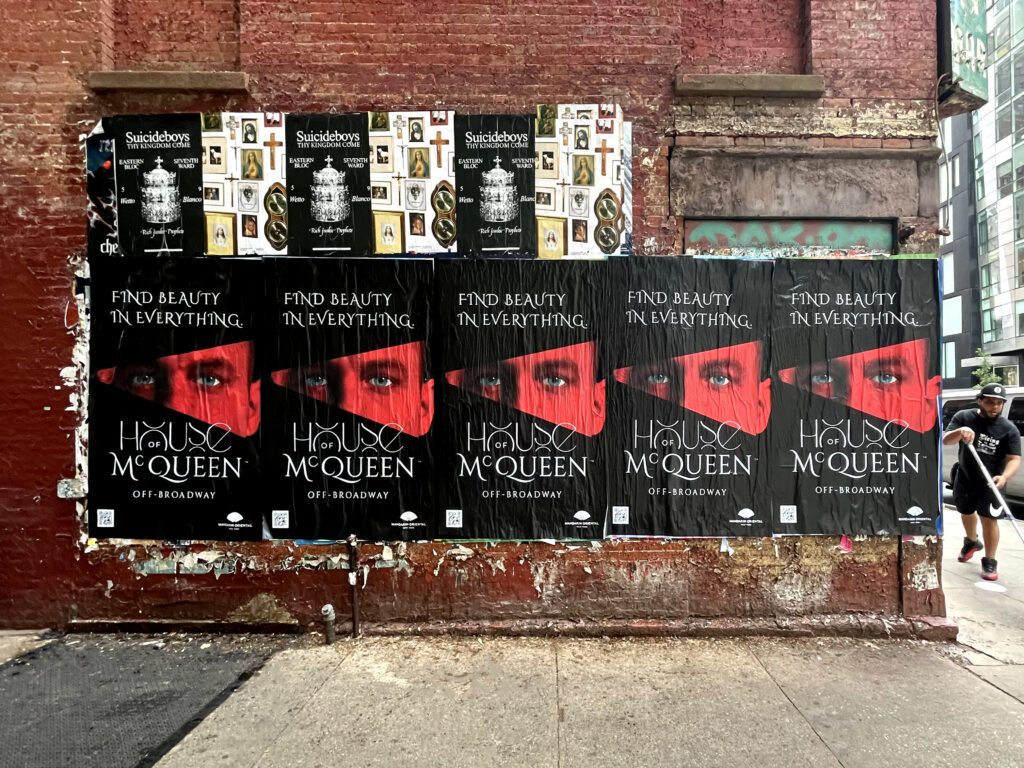
Walk through the side streets of Chicago on any Friday night, and you’ll inevitably spot clusters of vibrant posters commanding attention from brick walls and battered plywood. Some announce music events, others invite you to underground art shows, while a select few serve up cryptic memes that spark conversations on campus or at local coffee shops. Wheat paste posting—the time-honored street art technique—has come into its prime here, transforming the city’s neighborhoods into open-air galleries and turbocharging word-of-mouth for brands, musicians, and cultural gatherings.
Chicago’s appetite for visual storytelling is insatiable. The city’s whale-sized construction fences, stately red brick facades, and endless corridors of pedestrian life create the perfect playground for guerrilla marketing, with wheat paste posters as the main event.
Local pioneers like American Guerrilla Marketing have raised the bar on what’s possible with this art form, from architectural-scale poster walls in Wicker Park to meticulously repeated runs in Logan Square. Here’s a closer look at why wheat paste posting flourishes in Chicago and how some of the savviest campaigns maximize both impact and ROI, street by street.
What sets Chicago apart when it comes to wild street posting? Partly, it’s the city’s physical character—a deep inventory of long construction fences wrapped around rehabbed lofts, boarded storefronts ready for revitalization, and uninterrupted brick walls just waiting to be transformed.
There’s also Chicago’s relentless pulse. Its neighborhoods teem with energy throughout the week:
The city’s constantly changing light—overcast mornings, neon-tinged evenings, golden sun slicing between skyscrapers—only amplifies the visual drama.
But behind the spectacle is strategy. Poster placement is never random; every corner, corridor, and timing decision is calculated for maximum visibility and buzz.
Chicago’s wild wheat paste campaigns break out into five primary battlegrounds, each with distinct best practices:
| Area | Streets & Hotspots | Audience | Signature Moves |
|---|---|---|---|
| Wicker Park / Bucktown | Milwaukee, Damen, North Ave. | Nightlife, arts | Mega walls, intersection saturation, weekend hits |
| Logan Square | Milwaukee Ave., Kedzie Blvd., Armitage | Creatives, foodies | Tall panels, neon posters, repetitive runs |
| River North / Downtown | Clark, State, House of Blues | Concert, bar crowds | Clusters near venues, late-night installs |
| Pilsen (Arts District) | 18th St., Blue Island Ave., Halsted | Cultural fans | Cultural layering, bilingual content |
| Near North/DePaul/Lincoln Pk | Fullerton, Sheffield, Clark | Students | Meme posters, QR codes, high/low placement |
Every neighborhood offers a unique mix of wall space, foot or car traffic, and cultural flavor, creating a city-wide canvas.
With their dense tangle of coffee shops, record stores, and laid-back nightlife, Wicker Park and Bucktown consistently rank as top-tier zones for wheat pasting. Three major arteries—Milwaukee, Damen, and North—are packed Thursday through Saturday.
Classic strategies here:
Designs trend bold—high-contrast graphics with a QR code for quick scanning. Combining matte with glossy paper maximizes the impact as daylight fades into neon.
Logan Square’s evolution into a creative epicenter has made its core streets, especially Milwaukee Ave., magnets for campaigners. Here’s what works:
Here, wild colors reign. Bright neon posters against aged brick, QR codes linking to underground events or Spotify playlists—campaigns that mix tech with artistry thrive in Logan.
Downtown’s frenetic pace means posters face fierce competition from every kind of ad. Subtlety becomes power:
Poster real estate is at a premium here, so each hit has to count.
Pilsen is the beating heart of Chicago’s community-driven arts scene. Its murals are world-famous, and wheat paste campaigns often work in dialogue—not just competition—with local art.
Content flips between English and Spanish, with bold colors and culturally resonant motifs—think Aztec patterns or Mexican folk art nods—delivering relevance and respect.
Student neighborhoods move fast. The wheat paste that lands at eye level on a Friday night could be gone by Monday. Success depends on saturation and speed:
In these zones, high turnover is a feature, not a bug—fresh campaigns pop up almost daily, stoking FOMO.

Crafting city-defining campaigns in Chicago isn’t just about printing bold posters or finding empty wall space. To excel, wheat paste teams deploy a mix of tactics tailored to the city’s unique rhythms and challenges:
Intersection Takeovers: Focusing efforts on pivotal crossroads (like Milwaukee/North/Damen) means a single campaign can be almost inescapable, seen by everyone flooding the zone.
Day vs. Night Installations: The timing of wheat pasting makes a surprising difference. Bar and nightlife strips favor nighttime installations to catch weekend revelers, while city center runs avoid early morning take-downs by going up late at night.
Matching Message to Audience:
Poster Variety:
Chicago’s wheat pasting scene stands apart from New York, LA, or Miami for one simple reason: character. There’s a grit here—endless red brick, idiosyncratic architecture, and neighborhood loyalty. Posters not only have to stand out visually, but they also need to fit in with the city’s attitudes.
Winning campaigns:
Chicago rewards the bold, the creative, and the persistent. If you’ve got a message or event that needs to grip the city’s attention—on campus, across a gritty avenue, or in a corner only the locals know—there are teams ready to help you break through the noise. The art and science of wheat paste posting is alive and evolving here, shaped by every new wave of color that hits the wall.
For brands, artists, and organizers eyeing those impossible locations or niche audiences, an expert campaign architect can make all the difference. If you want to talk strategy, campaign logistics, or the next wild creative concept, there’s always room for an extraordinary idea. Drop Justin a line at [email protected] and see how Chicago can turn your vision into the next street-level sensation.
Understanding Discover Wheat Paste Posting in Chicago: Marketing Marvel is essential for any modern marketing professional. By applying the strategies and techniques outlined in this guide, you can significantly enhance your marketing efforts and achieve better results for your brand or clients.
When implementing the strategies discussed in this article, it’s important to approach execution with both creativity and discipline. Here are some best practices that have proven effective for brands of all sizes:
Start with a Clear Objective: Before launching any marketing initiative, define what success looks like. Whether your goal is brand awareness, lead generation, or direct sales, having a clear objective will guide every decision you make throughout the campaign.
Know Your Budget and Timeline: Effective marketing requires resources, both financial and human. Establish a realistic budget and timeline before you begin, and build in contingencies for unexpected challenges or opportunities that may arise.
Test and Iterate: The best marketers treat every campaign as a learning opportunity. Start with smaller tests to validate your approach before scaling up. Use the data you collect to refine your strategy and improve your results over time.
Build Cross-Channel Consistency: In today’s multi-channel world, consumers interact with brands across many touchpoints. Ensure your messaging and visual identity remain consistent whether customers encounter you online, in print, or in person.
Leverage Community: Some of the most powerful marketing happens organically through community building. Invest in creating spaces where your customers can connect with each other and with your brand, and you’ll build loyalty that no ad budget can buy.
What makes guerrilla marketing different from traditional advertising?
Guerrilla marketing relies on unconventional, creative tactics that generate buzz and word-of-mouth rather than paid media placements. It typically requires less budget but more creativity and strategic thinking, making it particularly effective for brands looking to make a big impact with limited resources.
How do I measure the success of my marketing campaigns?
Success metrics vary depending on your objectives. Common KPIs include reach and impressions, engagement rates, website traffic, lead generation numbers, conversion rates, and ultimately, return on investment (ROI). Set your metrics before you launch so you can accurately evaluate your results.
How long does it take to see results from marketing campaigns?
Results vary significantly based on the type of campaign, your industry, and your objectives. Some tactics like paid advertising can generate immediate results, while others like content marketing and SEO may take months to show significant impact. Generally, it’s best to evaluate campaigns over a 3-6 month period to account for seasonal variations and learning curves.
What role does creativity play in modern marketing?
Creativity is more important than ever in today’s saturated media landscape. With consumers exposed to thousands of marketing messages daily, only the most creative and relevant content breaks through. Investing in creative talent and processes is one of the highest-leverage things a brand can do.
How can small businesses compete with larger companies in marketing?
Small businesses have natural advantages in marketing: agility, authenticity, and deep community connections. Focus on your unique story, build genuine relationships with customers, and use guerrilla tactics that let you punch above your weight. A creative campaign executed well can outperform a big-budget effort that lacks soul.
The strategies and insights covered in this article represent proven approaches that have helped brands across industries achieve their marketing goals. Whether you’re just starting out or looking to take your marketing to the next level, the key is to stay committed to learning, testing, and refining your approach.
At American Guerrilla Marketing, we specialize in helping brands cut through the noise with creative, impactful campaigns that deliver real results. From street-level activations to digital campaigns, our team brings the expertise and creativity needed to make your brand unforgettable.
Ready to take your marketing to the next level? Contact our team today to learn how we can help you create campaigns that truly stand out in any market.