
August 22, 2023 Brand Activism Agency, Brand Ambassador Agency, Guerrilla Marketing Agency, Marketing for Protest Organizers, Political Marketing Agency, Street Advertising

By Justin Phillips, Founder & CEO | Published May 2026 | Updated May 2026
AGM has run 500+ street-level poster campaigns across 50 U.S. markets since 2014. Every placement is GPS-tagged and independently verifiable.
Political advertising is one of the fastest-moving categories in outdoor media. AGM has run political and advocacy campaigns involving wild posting, billboard placements, and street-level activations for campaigns that needed to generate visible street presence fast. Political outdoor advertising works because it demonstrates reach — seeing a candidate’s name on every corner signals momentum and credibility to undecided voters.
AGM political campaigns use wild posting, wheat paste, and billboard media. A 100-poster wild posting campaign covering a key district starts at $4,500. Larger campaigns covering a city or metro area scale based on coverage. We work with candidate committees, PACs, and advocacy organizations that need to move quickly — often executing full campaigns within a 72-hour planning and installation window.
The key to effective political outdoor advertising is density in the right precincts. AGM uses voter file data and traffic count mapping to identify the highest-impact placements in target districts. We’ve executed political campaigns in New York City, Los Angeles, Washington DC, Chicago, and across swing-state markets. Contact us at [email protected] or (646) 776-2770 to discuss your political outdoor campaign.
Political advertising is crucial in shaping politics by influencing public opinion and swaying voters’ decisions. In the world of politics, advertising is crucial in shaping public opinion and influencing election outcomes. From catchy slogans to persuasive messages, political advertisements have the power to sway voters and shape political landscapes. In this blog post, we will explore the influence of political advertising, dive into strategies and tactics used by politicians, examine its impact on voters, discuss regulations and ethics surrounding it, as well as ponder future trends in this constantly changing field. Join us as we uncover the power of political advertising in shaping politics today.
Political advertising is crucial in shaping politics by influencing public opinion and swaying voters’ decisions. With the advent of modern communications, election campaigns have become increasingly dependent on strategic advertisements to convey messages, promote candidates, and highlight policy positions. By using various media platforms such as television, social media, and online channels, political advertising has the power to shape public discourse and mobilize support for specific candidates or parties.
The influence of political advertising extends beyond simply informing voters about candidates; it can also shape their perceptions of key issues and ideologies. Through carefully crafted messages that tap into emotional triggers or appeal to specific demographics, political ads can create lasting impressions that resonate with voters long after they have seen them. This persuasive nature makes political advertising a potent tool in elections as it aims to sway undecided voters while reinforcing existing supporters’ beliefs.
Early forms of political advertising relied heavily on print media, with candidates using newspapers and posters to spread their message. As the field of communications advanced, radio and television emerged as powerful tools for political advertising. These mediums allowed candidates to reach mass audiences, shaping public opinion through persuasive messaging. However, the digital revolution has transformed political advertising even further by using the internet and social media platforms to target specific demographics and engage voters in new ways. With each evolution, political advertising has played a crucial role in elections, influencing voter preferences and shaping the course of politics. Learn more about LED billboard trucks. Learn more about wild posting campaigns. Learn more about professional wheatpasting campaigns.
Creating public awareness and name recognition for candidates is a crucial aspect of political advertising in elections. By strategically crafting messages that resonate with voters, political ads have the power to influence voter preferences and shape their decision-making process. To effectively reach target demographics, communications efforts must be customized to specific groups based on factors such as age, profession, or location.
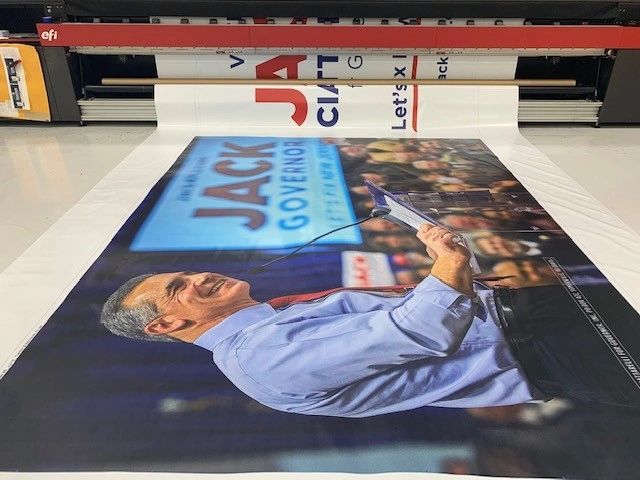
Early forms of political advertising relied heavily on print media, with candidates using newspapers and posters to spread their message.
The use of targeted advertising based on audience demographics is a key strategy in political advertising. By tailoring messages to specific groups, politicians can effectively reach their target voters and appeal to their interests and concerns.
Emotional appeals play a crucial role in political advertising, as they have the power to sway public opinion. Connecting with voters on an emotional level can help create a sense of trust and relatability, making them more likely to support a candidate or cause.
Negative advertising and attack ads are often employed as tactics in political campaigns. While controversial, these strategies aim to discredit opponents and highlight perceived flaws or weaknesses. This approach can influence public perception but also carries the risk of alienating some voters.
Overall, understanding the importance of targeting audiences, using emotional appeals, and considering negative tactics are essential for successful political advertisement campaigns.
Microtargeting is an essential strategy for political advertisers to effectively reach specific voter groups. By using demographic data, campaigns can tailor their messages to resonate with the values and priorities of different demographics. Understanding these nuances allows for more precise targeting and increased engagement among potential voters.
To appeal to different age groups and political affiliations, political advertisers must adapt their messaging strategies. Younger audiences may respond better to social media campaigns that address issues such as climate change or student debt, while older voters might prioritize topics like healthcare or retirement security. Additionally, tailoring messages based on political affiliation can help build a sense of alignment and understanding between the campaign and its target audience.
Overall, successful political advertising relies heavily on microtargeting techniques that use demographic insights. By recognizing the diverse needs and interests of various voter groups, campaigns can effectively communicate their message in a way that resonates with each segment’s unique perspective.
Crafting persuasive campaign messages requires careful consideration of the target audience’s values, concerns, and aspirations. By addressing these issues directly and offering practical solutions, candidates can establish a strong connection with voters. Emotional appeals play a crucial role in this process by tapping into voters’ emotions and creating a sense of urgency or empathy. By highlighting their personal stories and experiences, candidates can effectively communicate their values while showcasing past accomplishments that demonstrate their ability to deliver on future promises. This strategic approach humanizes the candidate, making them relatable and trustworthy in the eyes of the electorate.
The role of negative advertising in political campaigns cannot be underestimated. While it may seem distasteful to some, studies show that attack ads are effective in swaying public opinion. By highlighting the flaws and weaknesses of opponents, these ads tap into emotions and create doubt among voters. However, ethical concerns arise when employing negative campaigning tactics. It is important for candidates to strike a balance between holding their opponents accountable and maintaining integrity in the political process. Ultimately, the decision to employ such tactics should consider the potential long-term consequences on public trust and democratic discourse.
When it comes to political advertising, attack ads have proven their effectiveness in influencing public opinion. These highly persuasive messages often invoke strong emotional responses by painting opponents as unfit or untrustworthy for office. Research suggests that negativity bias plays a significant role in how people remember and perceive information, making negative advertisements more memorable than positive ones.
However, ethical considerations must be taken into account when using negative campaign strategies. A focus on personal attacks can undermine civil discourse and erode public trust in politics as a whole. The responsibility lies with candidates to engage respectfully while still addressing crucial issues affecting society. Finding a balance between accountability and maintaining integrity is essential for building healthy democratic participation.
To wrap up, negative advertising has become an integral part of modern political campaigns due to its effectiveness. However, candidates must exercise caution when resorting to personal attacks as ethical concerns arise. It is vital that they prioritize transparency, honesty, and respectful engagement so as not undermine democracy’s foundation. Public trust, fairness, and informed decision-making should remain at the forefront during election seasons.
In a highly competitive political space, the impact of political advertising on voters cannot be understated. These ads have the power to shape public opinion and influence voting behavior. Through strategic messaging and emotional appeals, political advertisements aim to sway voters’ cognitive processes and elicit strong emotional responses. The persuasive nature of these ads can significantly impact voters’ attitudes towards candidates and issues at hand. With their ability to reach a wide audience, political advertisements play a key role in shaping politics today.
As we dive deeper into understanding the impact of political advertising on voters, it is essential to explore its cognitive effects. By presenting carefully crafted messages that align with viewers’ beliefs or aspirations, these ads can activate certain mental associations and reinforce preexisting attitudes or biases. Also, they employ various techniques such as repetition and visual cues that enhance message recall among viewers. This cognitive processing not only increases brand awareness but also influences how individuals perceive candidates or policies being promoted.
Another crucial aspect of political advertising lies in its emotional effects on voters. These ads often employ powerful storytelling techniques that tap into human emotions such as fear, hope, anger, or empathy – all aimed at creating an immediate connection with viewers. By triggering specific emotional responses through compelling narratives or imagery, politicians seek to establish rapport with potential supporters while evoking desired reactions towards opponents or policy stances.
Attention is a crucial factor in the cognitive effects of political advertising. The brain selectively processes information, focusing on stimuli that are relevant and salient. Political advertisements designed to capture attention through vivid visuals or emotionally charged messages have a higher chance of being encoded and remembered by viewers.
Memory encoding and retrieval play a significant role in how political advertising affects cognition. Effective ads can create strong memory traces, making it easier for individuals to recall specific information when needed. On the other hand, misleading or contradictory messages may lead to confusion or difficulty retrieving accurate details from memory.
Perception and interpretation heavily influence the cognitive impact of political advertising. Individuals’ preexisting beliefs and biases shape how they perceive and interpret these ads, often reinforcing their existing attitudes rather than challenging them directly. This phenomenon highlights the importance of carefully crafting persuasive messages that align with viewers’ perspectives while introducing new information subtly.
Overall, understanding the cognitive effects of political advertising is essential for both politicians seeking effective communication strategies and citizens striving to make informed decisions amidst an increasingly complex media space.
Emotional Appeals and Voter Response: Political advertising often uses emotional appeals to influence voter response. By tapping into people’s emotions such as fear, anger, or hope, political ads can create a strong connection with the audience. This emotional engagement can sway voters’ attitudes and decisions.
Arousal and Emotional Engagement: One key aspect of political advertising is its ability to arouse emotions in viewers. Ads that evoke intense feelings like excitement or outrage tend to generate higher levels of emotional engagement among the audience. This heightened arousal can increase attention and cognitive processing of the ad’s message, potentially leading to a more persuasive impact.
Evaluative Conditioning: Political advertisements also employ evaluative conditioning techniques to associate positive or negative emotions with specific candidates or issues. Through repeated exposure paired with emotionally charged content, these ads aim to shape viewers’ perceptions and evaluations. Thus, by manipulating emotional responses through evaluative conditioning strategies, political advertising has a profound effect on shaping public opinion.
Source credibility is crucial in political advertising, as it enhances the persuasiveness of the message. When viewers perceive the source as trustworthy and knowledgeable, they are more likely to be influenced by the advertisement’s content. Also, message framing has a significant impact on attitudes. By presenting information in a positive or negative light, advertisers can sway public opinion and shape attitudes towards specific political issues. Finally, social proof is another powerful tool used in political advertisements. People tend to conform to what others do or believe, so when an ad showcases popular support for a particular candidate or policy, it can effectively influence individuals’ attitudes and behaviors toward that subject matter.
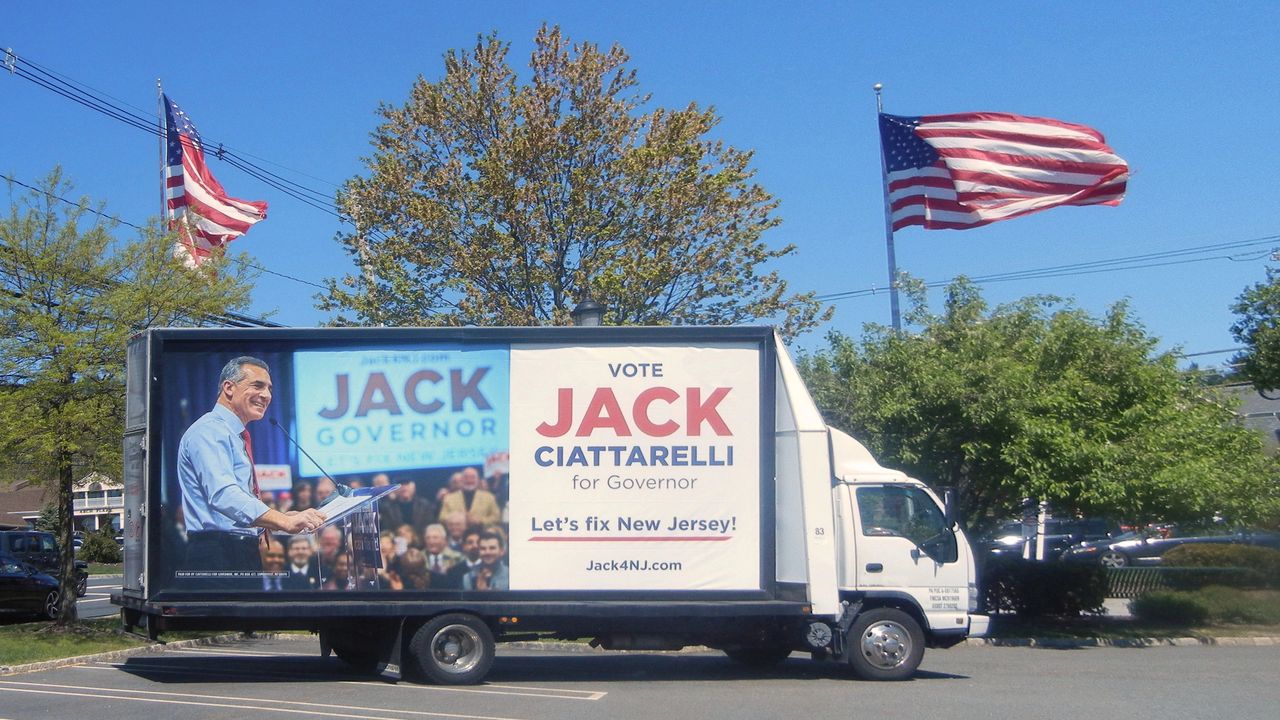
he use of targeted advertising based on audience demographics is a key strategy in political advertising.
In political advertising, a strict legal framework governs the boundaries within which campaigns can operate. These regulations aim to ensure fairness, transparency, and accountability in political communication. Advertisements must adhere to guidelines regarding truthfulness, disclosure of funding sources, and non-discrimination. Violations can result in fines or other penalties.
While adhering to legal requirements is essential, ethical considerations play an equally significant role in shaping political advertising practices. Ethical norms demand honesty, integrity, and respect for diverse perspectives. Advertisers have a responsibility to avoid misleading or manipulating voters through deceptive tactics that undermine the democratic process. Emphasizing ethical accountability helps maintain public trust and builds healthy discourse among citizens during elections.
Campaign Finance Laws:
Disclosure Requirements:
Broadcasting Regulations:
Truthfulness in political ads is a crucial ethical consideration that affects accountability. Misleading or false information can manipulate voters and lead to a skewed perspective of political candidates. It is essential for politicians and advertising agencies to prioritize truthfulness in their campaigns, ensuring transparency and promoting informed decision-making.
Manipulation through emotional appeals is another ethical concern in political advertising. Tugging at the heartstrings of voters can cloud rational judgment and exploit vulnerable emotions. By recognizing the power of emotional manipulation, accountability measures should be put in place to regulate the use of manipulative tactics, promoting fairness and integrity within political campaigns.
Digital advertising and social media have become dominant forces in political advertising, allowing campaigns to reach a wider audience and engage with voters on a more personal level. With the ability to target specific demographics and tailor messages accordingly, political advertisements are becoming increasingly effective at influencing public opinion.
Emerging technologies such as artificial intelligence (AI) are transforming the space of political advertising. AI-powered algorithms can analyze vast amounts of data to create personalized ads that resonate with individual voters. This level of microtargeting makes sure campaigns can deliver their message directly to those who are most likely to be swayed by it, maximizing their impact.
To wrap up, the future of political advertising lies in using digital platforms and emerging technologies like AI. By using these tools, campaigns will have greater control over their messaging and be able to effectively shape public opinion to achieve their desired outcomes.
The rise of digital advertising platforms has revolutionized the way political campaigns reach and engage with voters. With social media becoming a key channel for political campaigns, candidates can now target specific demographics and tailor their messages accordingly. This level of precision in political advertising allows for more effective communication with potential voters.
Using data analytics, political campaigns can now target specific voter segments with precision. By analyzing demographic and behavioral data, campaigns can identify key issues that resonate with different groups of voters. This allows for the customization of messages based on individual preferences, increasing the likelihood of capturing their attention and support. Through microtargeting and personalization, political advertising becomes more effective in reaching its intended audience and influencing their decision-making process.
Integrating artificial intelligence (AI) into ad creation and targeting is revolutionizing political advertising. With AI algorithms, campaigns can identify key demographics, analyze data trends, and optimize messaging to reach specific voter segments effectively. This technology allows for more precise audience targeting and increases the chances of influencing voter behavior.
Using emerging technologies like virtual reality (VR) takes political campaign experiences to a whole new level. VR provides an immersive platform where candidates can engage with voters on a personal and emotional level. By creating virtual rally experiences or allowing voters to explore policy proposals in a simulated environment, political campaigns can connect with their audience in unprecedented ways.
Incorporating AI into ad creation and using emerging technologies like VR are transforming the space of political advertising:
These advancements in technology have significant implications for shaping politics by enabling more effective communication between candidates and voters. As we work through the evolving space of politics, embracing these emerging technologies will be crucial for any successful campaign seeking to make an impact.
Telegram: @americanguerillamarketing
Outdoor advertising builds name recognition and issue salience through repeated exposure in a voter’s daily environment. Studies show high-frequency OOH placements increase candidate recall by 20 to 35 percent in competitive markets. Yard signs, billboards, and transit ads prime voters before TV, mail, and digital messaging lands.
Wheatpaste poster campaigns, street team canvassing activations, yard sign distribution programs, and snipe advertising work well for political campaigns in urban markets. Guerrilla tactics reach voters who skip traditional political media and engage more with street-level messaging.
Political wheatpaste campaigns at AGM start at $4,500 for a single market. Multi-city political activation campaigns combining posters, street teams, and snipe typically run $15,000 to $60,000 depending on the number of markets and weeks of activity. Street team canvassing shifts start at $389.99 per shift.
Yes, when executed on permitted surfaces and private property with owner approval. AGM ensures all political placements comply with local ordinances, FEC disclosure requirements, and campaign finance rules. All materials include required paid-for-by disclosures.
AGM runs political advertising campaigns in New York, Florida, Nevada, Tennessee, Illinois, and other competitive states. We work with campaigns at the local, state, and federal level and can execute rapid-response activations in under a week in our core markets.
| Service | Starting Rate |
|---|---|
| Wheatpasting & Poster Campaigns (100 posters, 24×36) | From $4,500 |
| Large Format Poster Campaigns (100 posters, 48×72) | From $10,500 |
| Sidewalk Stencils (10 stencils) | From $3,231 |
| Street Team (per 6-hr shift) | From $389.99 |
| LED Billboard Truck (per hour) | From $250/hr |
| Projection Advertising (per night) | From $6,500 |
| Snipe Advertising (400 snipes) | From $3,500 |
Pricing varies by service, market, and campaign scope. Contact us for a custom quote.
American Guerrilla Marketing
Street-level campaigns nationwide. Wheatpasting, LED trucks, street teams, and more.
(646) 776-2770
Ready to Run Your Campaign?
Call us or email us. We’ll tell you exactly what we can do in your market and what it costs.
Justin Phillips — Founder & CEO
Justin has run 500+ street-level campaigns across 50 U.S. markets since 2014. Every AGM placement is GPS-tagged, photo-documented, and independently verifiable. About Justin
