American Guerrilla Marketing
Nationwide serivce
Media planning, media buying, billboard advertising, & guerrilla marketing
Guerrilla marketing in Kenosha, Wisconsin works because the city is compact, commuter-driven, and built around highly repetitive daily movement tied to manufacturing, healthcare, education, downtown commerce, and regional commuting between Milwaukee and Chicago. Kenosha is not a sprawling metro and it is not just a pass-through city. It is a regional employment hub and lakeside community where residents, factory workers, healthcare professionals, students, and commuters circulate through the same streets every single day. That repetition creates ideal conditions for guerrilla marketing built on familiarity, placement discipline, and frequency rather than scale.
Kenosha runs on routine. Manufacturing shifts, hospital schedules, class times, downtown workdays, retail errands, lakefront recreation, and commuter traffic push people through the same corridors repeatedly. Guerrilla marketing performs best here when it aligns with those rhythms and appears where people already walk, drive, linger, gather, and return.
We execute guerrilla marketing in Kenosha by studying how people actually move through the city. Downtown Kenosha, the HarborPark and lakefront districts, 6th Avenue and 7th Avenue corridors, the Metra station area, University of Wisconsin–Parkside access routes, medical corridors, and major commuter arterials create predictable daily circulation. While Kenosha benefits from seasonal lakefront traffic, real performance comes from overlapping commuter flow, employment routines, education schedules, and downtown repetition layered on top of local events.
Our approach to guerrilla marketing in Kenosha begins with physical scouting and real-world observation. We identify pedestrian slow zones, parking-to-destination transitions, commuter station access points, campus walkways, hospital entrances, retail streets, and secondary blocks that receive daily exposure. From there, we assign tactics based on context — posters and wheatpasting where foot traffic repeats, street teams and surveys where people linger, experiential activations during events, mobile and vehicle-based media along commuter routes, and reinforcement tactics in residential neighborhoods. Planning, production guidance, execution, documentation, and reporting are handled end to end.
Street teams and brand ambassadors deliver direct engagement in downtown, campus, and nightlife environments.
Read More
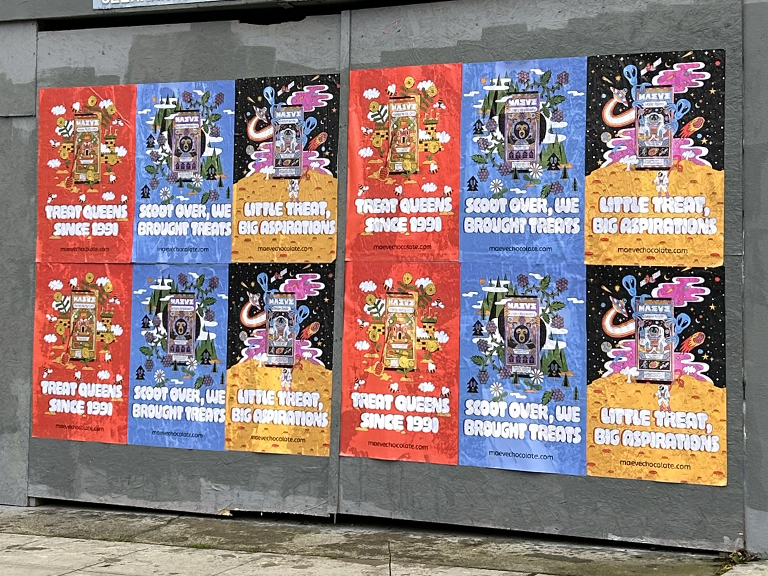
Posters and wheatpasting provide repeated visual exposure along pedestrian corridors and secondary streets.
Read More
Man-on-the-street surveys capture real-world sentiment near transit hubs, campuses, and employment zones.
Read More
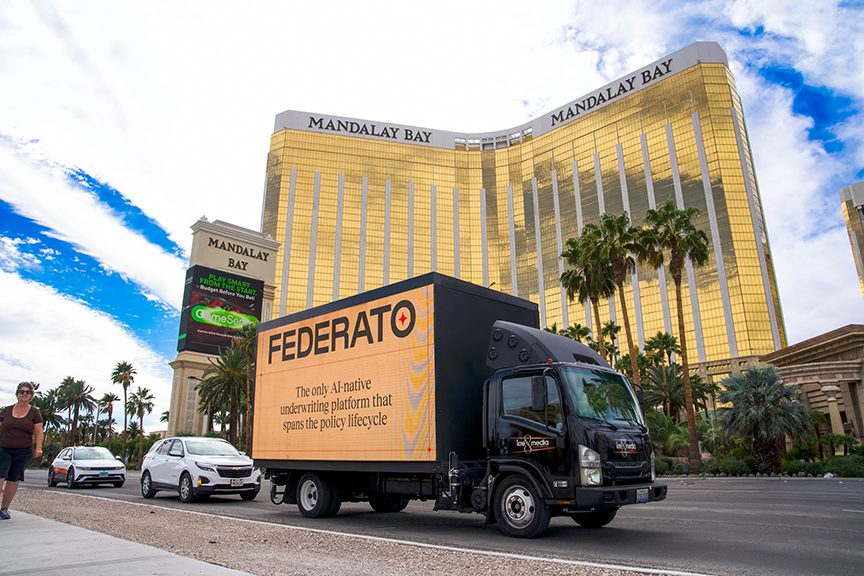
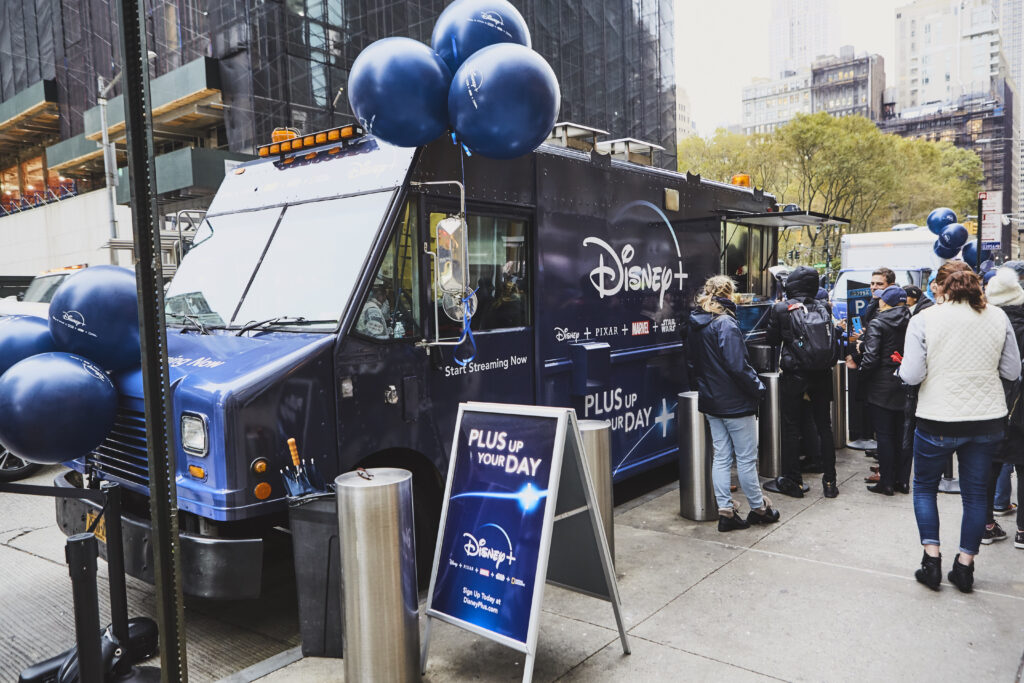
Mobile billboard trucks reinforce visibility along commuter routes and major arterials.
Read More
Experiential activations work best in nightlife, event-driven, and cultural environments.
Read More
Beer coasters and tabletop advertising reinforce messaging during extended dwell time.
Read More
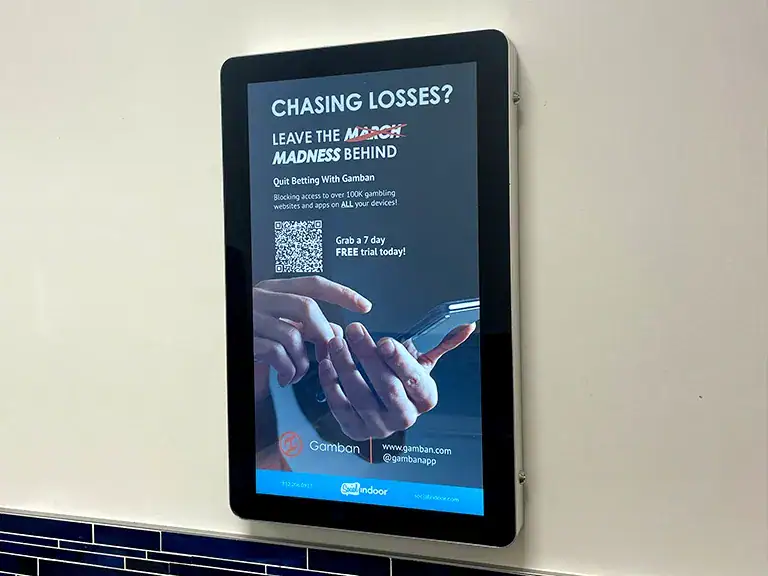
Bathroom advertising delivers uninterrupted exposure in high-dwell environments.
Read More
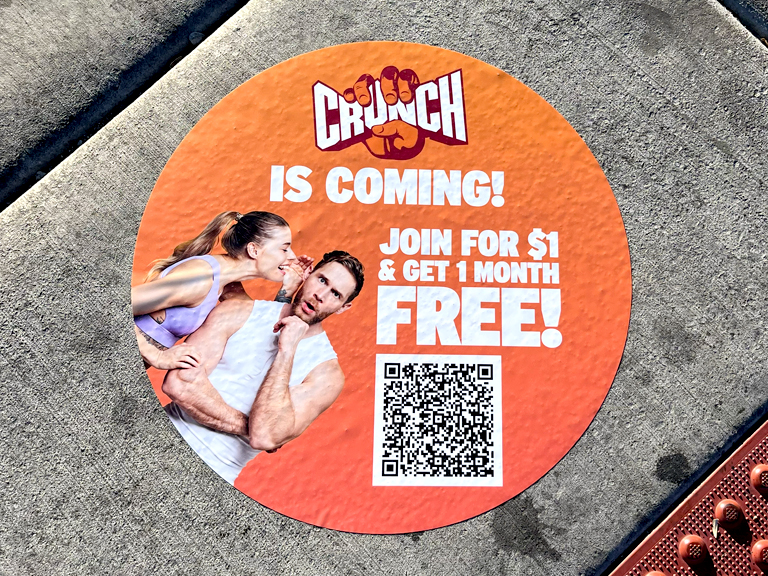
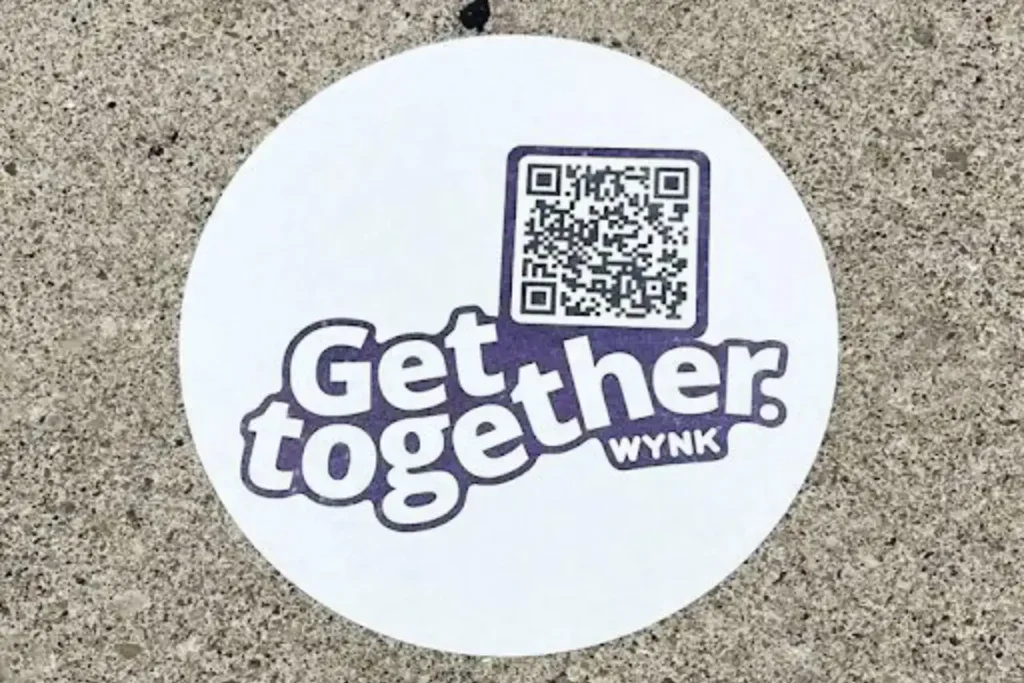
Sidewalk stencils place messaging at ground level near pedestrian slow zones.
Read More
Door hangers provide hyper-local reinforcement within residential neighborhoods.
Read MoreAward0Winning Personalized Service
You will get thoughtful, devoted, and individualized attention from our experienced, qualified, and professional personnel. Being one of the most illustrious agencies in Brooklyn, New York, American Guerilla Marketing has been awarded the Best of Brooklyn title.
Nationwide
Industry City, Brooklyn, New York 11232
American Guerilla Marketing
Hours
Mon - Fri: 9 AM - 5 PM
Sat & Sun: Closed
Automate your campaign with AGM’s Request for Proposal Builder. Simply answer a few quick questions about your campaign goals, markets, and timeline, and the system will generate a tailored presentation with recommended strategies, quantities, and pricing. Click the RFP Builder to instantly receive your customized proposal.
Guerrilla marketing performance in Kenosha is measured at the neighborhood and corridor level using observed pedestrian behavior, commuter volume, healthcare visitation, and standard out-of-home impression modeling. Because Kenosha blends walkable downtown zones with heavy commuter and industrial movement, performance is evaluated through exposure frequency rather than one-time reach.
We analyze how often people encounter the same placements over one-week, two-week, and four-week periods. In Kenosha, downtown streets, commuter corridors, medical zones, campus-adjacent routes, and lakefront districts consistently outperform purely residential neighborhoods because people revisit these locations daily as part of their routines.
| Neighborhood | Population | Impressions (1 Week) | Impressions (2 Weeks) | Impressions (4 Weeks) | Estimated Engagements | Engagement Rate |
| Downtown Kenosha | 10,000 | 150,000 | 300,000 | 600,000 | 210,000 | 35% |
| HarborPark & Lakefront District | 9,000 | 145,000 | 290,000 | 580,000 | 203,000 | 35% |
| 6th & 7th Avenue Corridors | 12,000 | 165,000 | 330,000 | 660,000 | 231,000 | 35% |
| Metra & Commuter Station Area | 14,000 | 180,000 | 360,000 | 720,000 | 252,000 | 35% |
| Medical & Healthcare Corridors | 15,000 | 170,000 | 340,000 | 680,000 | 204,000 | 30% |
| UW–Parkside Access Routes | 16,000 | 175,000 | 350,000 | 700,000 | 245,000 | 35% |
| Industrial & Employment Zones | 20,000 | 185,000 | 370,000 | 740,000 | 222,000 | 30% |
| Residential Kenosha | 55,000 | 150,000 | 300,000 | 600,000 | 150,000 | 25% |
Impressions represent estimated visual exposures based on repeated pedestrian circulation, commuter travel, employment routines, and daily civic movement. Engagements reflect real-world responses such as QR scans, survey participation, flyer acceptance, sampling interaction, or recall-driven action.
All impression and engagement figures are estimates provided for planning purposes only. Actual results vary based on creative quality, placement density, timing, weather, and execution. No performance outcomes are guaranteed.
Downtown Kenosha serves as the city’s civic and commercial core with offices, restaurants, shops, and daily foot traffic.
Guerrilla marketing in Downtown Kenosha works best with street teams, brand ambassadors, man-on-the-street surveys, and posters positioned along 6th Avenue, 7th Avenue, and nearby side streets. Posters and wheatpasting perform well just off primary walking routes, benefiting from repeated exposure throughout the workday and evening.
The HarborPark and lakefront district attracts locals and visitors for recreation, dining, and events.
Street teams, experiential activations, posters, and surveys perform well here due to strong dwell time and repeat visitation, especially during warmer months and community events.
The Metra station area anchors daily commuter movement between Kenosha, Milwaukee, and Chicago.
Posters, street teams, mobile billboards, and vehicle wraps perform exceptionally well here due to predictable daily commuter repetition.
Kenosha’s medical corridors support major hospitals and clinics with steady workforce and patient movement.
Surveys, flyer distribution, posters, and mobile placements perform best during predictable appointment and shift windows. Messaging should remain clear, respectful, and repetition-driven.
University of Wisconsin–Parkside access routes generate predictable daily student and faculty movement.
Student brand ambassadors, surveys, flyers, sidewalk stencils, and posters perform extremely well here because students and staff repeat the same routes daily.
Manufacturing and employment zones generate large-scale daily workforce movement.
Mobile billboard trucks, vehicle wraps, posters, and targeted flyer distribution perform well along these routes due to repeated daily exposure.
Residential neighborhoods in Kenosha function primarily as reinforcement zones.
Door hangers and targeted flyer drops support awareness built in downtown, commuter, medical, and campus districts.
Guerrilla marketing works in Kenosha because the city is built on routine, commuter repetition, and regional employment gravity. People encounter the same streets, stations, workplaces, shops, and venues multiple times per day.
When executed thoughtfully, guerrilla marketing in Kenosha feels practical and familiar rather than disruptive. Repetition paired with placement discipline drives recognition and action.
Guerrilla marketing works in Kenosha because daily movement is extremely repetitive across commuter routes, employment zones, healthcare corridors, and downtown services. Repeated exposure builds recognition quickly.
Downtown Kenosha, HarborPark, Metra station areas, 6th and 7th Avenue corridors, medical zones, UW–Parkside access routes, and industrial corridors consistently perform best due to repeat visitation.
Yes, posters work extremely well in Kenosha when placed along repeat pedestrian routes and secondary streets. Consistency and placement matter more than size.
No. Kenosha’s commuter and employment corridors create predictable repetition that strengthens guerrilla marketing effectiveness.
Posters, street teams, surveys, sidewalk stencils, and mobile placements perform best because workers and commuters repeat the same routes daily.
Most Kenosha guerrilla marketing campaigns perform best over two to four weeks, allowing enough repetition to influence behavior.