American Guerrilla Marketing
Nationwide serivce
Media planning, media buying, billboard advertising, & guerrilla marketing

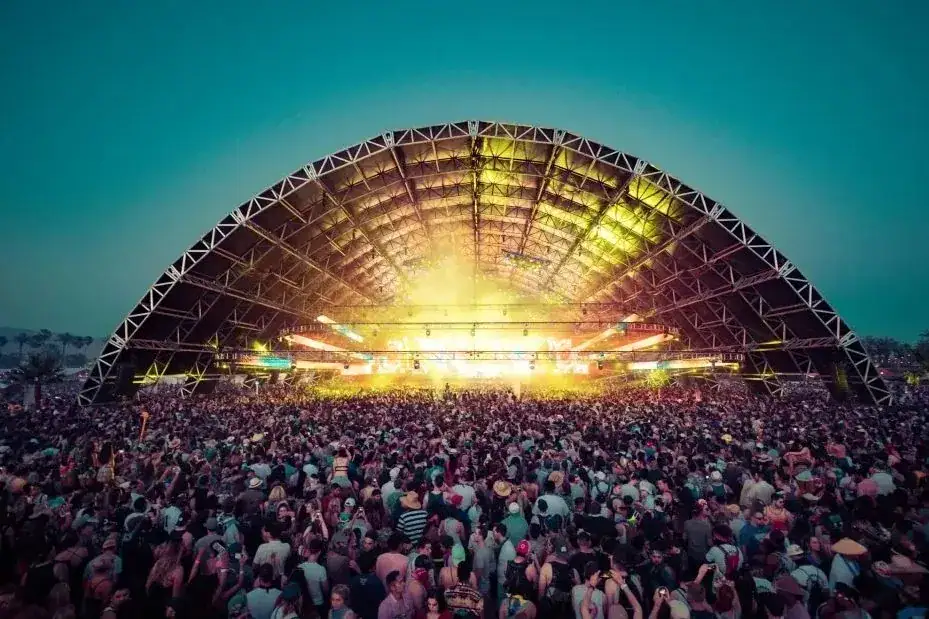
Atlanta, Georgia rewards aggressive but disciplined festival marketing. Not louder for the sake of louder—sharper. The crowd here fragments by district, daypart, and event type, so a campaign that copies a national playbook will look busy while underperforming. Real traction comes from knowing where people slow down, where they queue, where they re-enter the street after the main event, and where a second or third impression can still influence behavior. That is why our approach to festival marketing in Atlanta, Georgia layers experiential marketing, fan engagement, street team marketing, local event advertising, and mobile tour campaigns around actual movement patterns. The point is to create visible pressure in the right blocks, not to scatter assets across the city and hope repetition happens on its own.
Festival marketing in Atlanta, Georgia works when the campaign follows where people actually gather, queue, linger, and recirculate. This page focuses on localized event marketing strategy, live event promotion timing, and field execution that can create repeat exposure without wasting budget on empty coverage.
That matters because festival marketing in Atlanta, Georgia performs differently from one district to the next. A route that looks strong on a map can still underperform if it misses the handoff between arrival, queue time, and post-event recirculation. Stronger event marketing in Atlanta, Georgia comes from matching the activation to the moment: faster impressions in through-traffic zones, longer conversations where people linger, and cleaner calls to action where the audience is already deciding what to do next.
For live event promotion in Atlanta, Georgia, the goal is to make the brand feel present at the exact points where attention is naturally available. That can mean using festival promotion and local event marketing near venue approaches, layering street team marketing around dining and nightlife pockets, and reinforcing the message again where the crowd spills after the main draw. When the sequence is right, localized festival marketing in Atlanta, Georgia feels intentional rather than random, and the audience encounters the campaign as part of the day instead of as an interruption.
The practical upside is better conversion efficiency. Local brands, sponsors, promoters, and touring campaigns all benefit when festival marketing, event marketing, and live event promotion in Atlanta, Georgia are built around real movement patterns instead of broad assumptions. That is what gives a Atlanta campaign stronger recall, more useful reporting, and a better chance of turning awareness into scans, samples, signups, foot traffic, or direct event response.
Local context matters here. The strongest festival marketing in Atlanta, Georgia usually gets better when the route reflects how people move through nearby cities and the wider state. That keeps festival marketing Atlanta, Georgia, event marketing Atlanta, Georgia, and live event promotion Atlanta, Georgia present on the page in a way that still reads naturally. It also gives planners an easy path into festival marketing in Georgia, festival marketing in Augusta, Georgia, festival marketing in Columbus, Georgia, and festival marketing in Savannah, Georgia when a rollout needs more than one stop.
Award Winning Personalized Service
You will get thoughtful, devoted, and individualized attention from our experienced, qualified, and professional personnel. Being one of the most illustrious agencies in Brooklyn, New York, American Guerrilla Marketing has been awarded the Best of Brooklyn title.
Nationwide
Industry City, Brooklyn, New York 11232
American Guerrilla Marketing
Hours
Mon - Fri: 9 AM - 5 PM
Sat & Sun: Closed
Automate your campaign with AGM’s Request for Proposal Builder. Simply answer a few quick questions about your campaign goals, markets, and timeline, and the system will generate a tailored presentation with recommended strategies, quantities, and pricing. Click the RFP Builder to instantly receive your customized proposal.
| Zone | Audience Behavior | Best Activation Type | Campaign Objective | Estimated Daily Impressions | Estimated 2-Week Impressions | Estimated Engagement Rate | Estimated Dwell Time |
|---|---|---|---|---|---|---|---|
| Downtown Atlanta | central business and entertainment circulation concentrates first-contact opportunities | street team marketing, branded handoffs, local event advertising | establish reach early in the route | 6,400–16,000 | 64,000–192,000 | 4.6%–9.4% | 6–17 min |
| Atlanta nightlife district | evening traffic gives the campaign a second life after work hours and before venue entry | fan engagement, concert marketing, ambassador crews | build repetition and social proof | 3,200–10,000 | 32,000–120,000 | 4.6%–9.4% | 6–17 min |
| Atlanta venue and convention corridor | people arrive with intent, queue, and recirculate after the main program ends | event staffing, sponsor activations, venue marketing | convert active event audiences | 6,400–16,000 | 64,000–192,000 | 4.6%–9.4% | 6–17 min |
| Atlanta retail and campus edge | younger and mixed-use audiences give the route longer dwell and more conversation time | sampling, experiential campaigns, QR capture | move awareness into participation | 4,700–10,600 | 47,000–127,200 | 4.2%–8.6% | 6–16 min |
Different pockets of Atlanta, Georgia serve different jobs in the route. Some are built for scale. Others are built for conversation. Others exist to catch people after the main event when memory is still fresh and the brand can push one more action. The right mix gives the campaign both reach and conversion efficiency.
downtown Atlanta gives festival marketing in Atlanta, Georgia a reliable place to earn attention before the crowd fully commits to the night. Because central business and entertainment circulation concentrates first-contact opportunities, this pocket works for event marketing, live event promotion, experiential marketing, and street team deployment without forcing the brand to chase people across disconnected blocks.
Best execution here usually looks like street team marketing, branded handoffs, local event advertising. The commercial job is to establish reach early in the route, but that only happens if the placement lines up with real dwell moments, not empty map logic. Teams should arrive before the district peaks, hold the corners or venue-adjacent pockets that naturally slow foot traffic, and keep the handoff simple enough that people can respond without breaking stride.
For festival marketing in Atlanta, Georgia, Atlanta nightlife district matters because evening traffic gives the campaign a second life after work hours and before venue entry. It is one of the few areas where event marketing can move from simple visibility into actual interaction, especially when the program needs a clean bridge between foot traffic, sponsor storytelling, and live event promotion.
This is where fan engagement, concert marketing, ambassador crews tends to perform best. From a planning standpoint, the goal is to build repetition and social proof. That requires clean timing, visible placement, and enough field supervision to keep the activation tight once the district fills in. When the same message reappears later in another part of Atlanta, Georgia, the campaign starts to feel intentional and citywide instead of random.
Atlanta venue and convention corridor is one of the more practical districts for festival marketing in Atlanta, Georgia because people arrive with intent, queue, and recirculate after the main program ends. When a brand needs audience engagement, event staffing, festival promotion, and local event marketing to feel coordinated instead of scattered, this area usually earns its place on the route.
Our preferred use here is event staffing, sponsor activations, venue marketing, with the route designed to convert active event audiences. The reason is simple: this district works best when the message feels native to the pace of the block. Get in too early and the effort wastes labor. Arrive too late and the crowd becomes harder to influence. Good festival promotion here depends on matching staffing, creative, and timing to the exact crowd behavior in front of you.
When teams plan festival marketing in Atlanta, Georgia, Atlanta retail and campus edge stands out because younger and mixed-use audiences give the route longer dwell and more conversation time. The environment supports a mix of event marketing, fan engagement, street team marketing, and branded touchpoints that can influence plans before the audience disappears into the main event flow.
The strongest use here is sampling, experiential campaigns, QR capture. We usually treat this zone as a move awareness into participation play, which means timing the activation around the heaviest arrival or recirculation window, keeping the ask short, and making sure staffing can reset quickly between crowd surges. If the campaign shows up again later in a second Austin-style district, recall climbs because the audience feels like the brand is present across the route rather than stuck in one spot.
Festival Marketing in Atlanta, Georgia works when the route follows behavior instead of geography alone. In this market, audiences move through pre-event planning, arrival corridors, queue moments, in-district wandering, and post-event spill. That movement is what connects festival marketing, event marketing, live event promotion, audience engagement, venue marketing, and sponsor visibility. If a campaign only appears once, it gets noticed and forgotten. If it appears in sequence—early in a retail or commuter zone, again near the venue, and once more where nightlife or post-show traffic recirculates—it starts to influence decisions.
That sequencing is why we treat Atlanta, Georgia as a layered field environment. The first touch can come through local event advertising, branded handoffs, or support media that establishes legitimacy. The second touch can lean into event staffing, fan engagement, pop-up activations, or experiential campaigns that slow the audience down long enough to interact. The final touch should make action easy: a scan, a sample, a directional prompt, a limited-time offer, or a reminder tied to the event itself. That is how festival marketing turns from broad awareness into measurable response.
The strongest festival marketing programs in Atlanta, Georgia are not built as one tactic. They are built as a stack. Start with high-visibility event marketing that introduces the message in a part of town where the audience still has decision flexibility. Add live event promotion or street team marketing where people slow down enough to engage. Then reinforce with venue marketing, nightlife pressure, audience engagement, or mobile tour campaigns that keep the message alive after the first interaction. This layered approach gives fan engagement, brand activation, concert marketing, local event advertising, and experiential marketing distinct jobs instead of forcing one unit to do everything.
Execution matters just as much as strategy. Staffing levels, supervisor coverage, collateral load, route order, transportation time, weather contingencies, and post-event recirculation all shape performance. A clean route in Atlanta, Georgia usually covers fewer zones than a client expects, but covers them with enough intensity to build memory. That is what makes festival marketing feel dominant in-market rather than merely present.
The strongest festival marketing programs in Atlanta, Georgia rarely rely on one channel. They stack field tactics based on crowd speed, venue pressure, permit reality, and how much explanation the offer needs. For teams weighing downtown routes, venue zones, and nearby neighborhoods, it also helps to connect this page to festival marketing in Georgia, festival marketing in Augusta, Georgia, festival marketing in Columbus, Georgia, and festival marketing in Savannah, Georgia so the planning stays connected across the market.
Street team marketing is usually the move when a campaign needs direct contact, flyer handoffs, QR scans, sampling, or fast conversations near queues, parking funnels, retail clusters, and nightlife spill. In Atlanta, Georgia, it works best when the team is placed where people are still deciding what to do next rather than after the window has already closed.
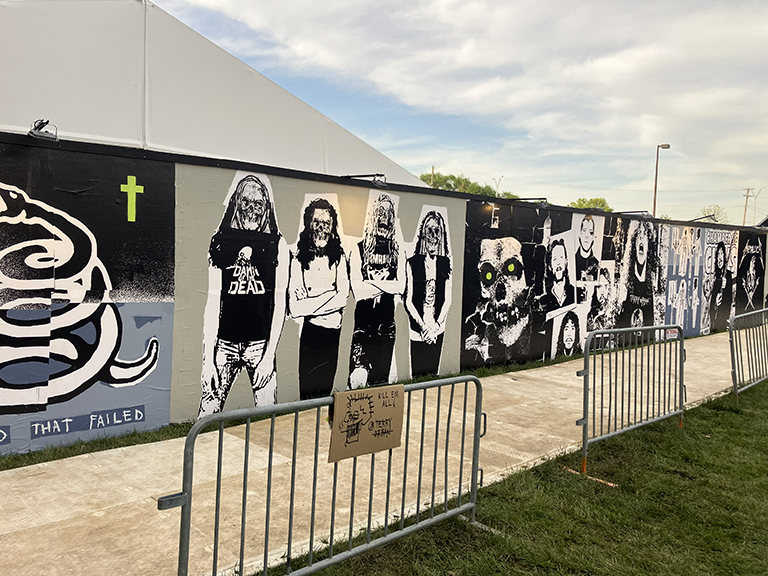
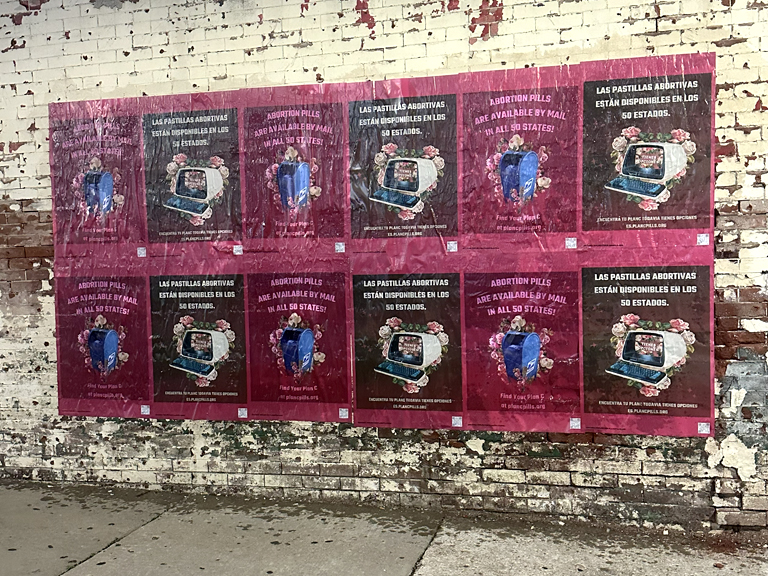
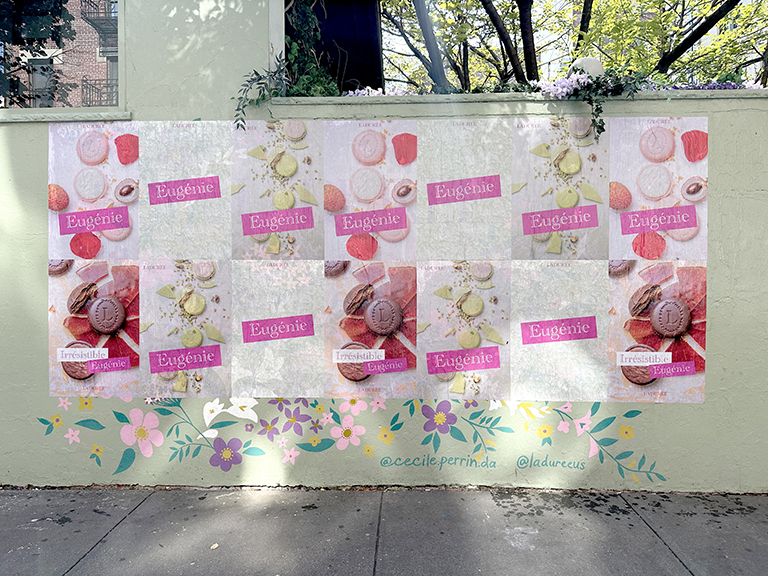
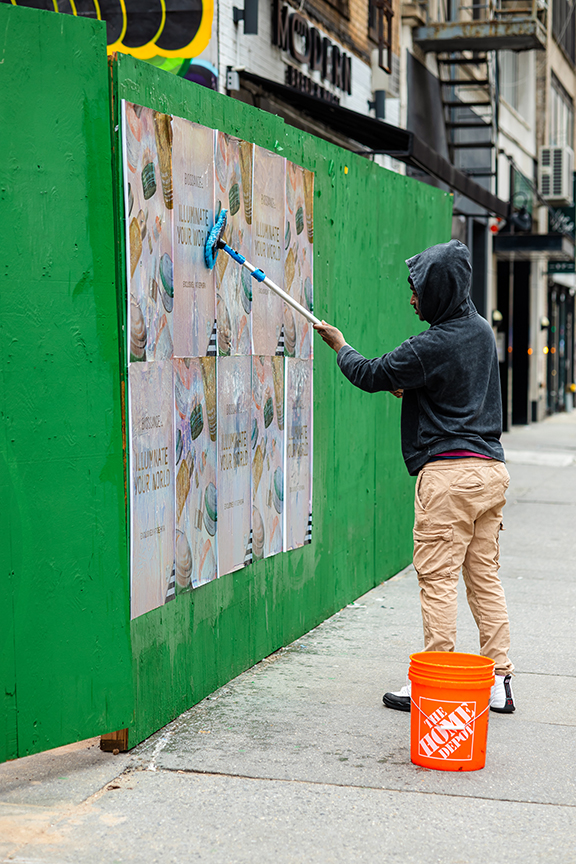
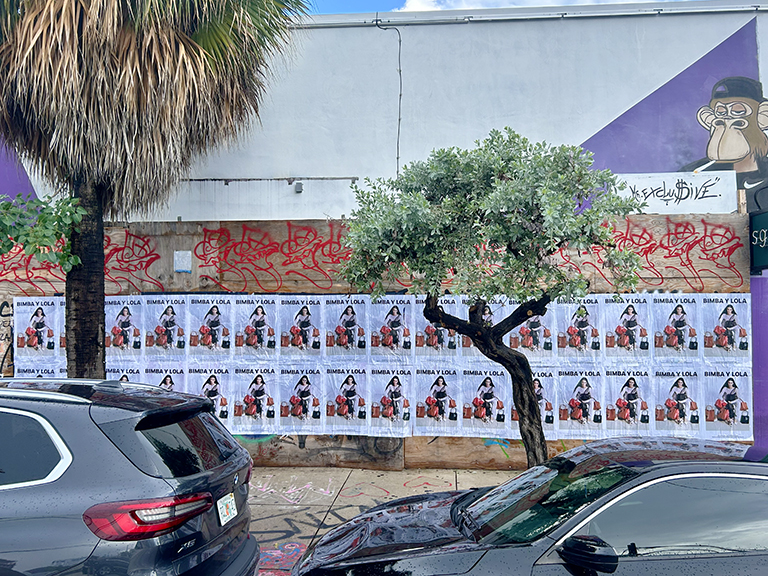
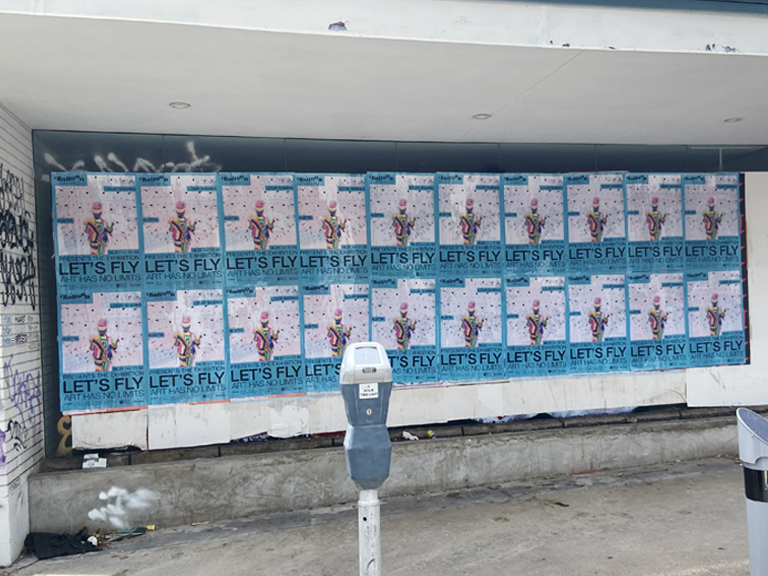
Wheatpasting campaigns come in when the goal is visible repetition before the event week peaks. They are useful for promoter pushes, sponsor support, venue takeovers, and launches that need the city to feel dressed for the moment. In practical terms, poster saturation gives festival marketing in Atlanta, Georgia a longer memory curve than one-day staffing alone.
Stencil advertising earns its spot when the message has to read instantly and echo across a tight geography. It can support directional awareness, artist drops, short-run branding, and neighborhood-frequency plays where conventional placements feel too slow or too expensive. Used selectively, it sharpens event marketing in Atlanta, Georgia without bloating the route.
Flyer distribution still works when the offer is simple and the handoff happens in the right environment. Think campus edges, nightlife entries, food corridors, queue lines, and mixed-use districts where people pause long enough to take something away. When the design is clear and the staff is disciplined, flyer distribution helps festival promotion in Atlanta, Georgia bridge awareness and action.
Brand ambassadors are the right layer when the campaign needs polish, conversation quality, product knowledge, or sponsor representation that goes beyond a quick handout. They matter in Atlanta, Georgia when event partners want controlled talking points, better lead capture, or a more premium face for the activation.
Pop-up activations are used when the campaign needs more than circulation. A pop-up can anchor content capture, demos, merch, sampling, artist tie-ins, or sponsor storytelling in a way that turns festival traffic into dwell time. That is often the piece that makes experiential festival marketing in Atlanta, Georgia feel owned rather than borrowed.
Experiential marketing becomes the lead tactic when the brand needs interaction, not just exposure. It is especially effective for launches, sponsorships, beverage programs, entertainment tie-ins, and multi-day event footprints where the audience should remember the moment, share it, and respond later. In other words, this is how festival marketing in Atlanta, Georgia stops being background media and starts acting like a live brand experience.
Event staffing becomes essential for festival marketing in Atlanta, Georgia when the route includes multiple districts, overlapping event windows, sponsor obligations, merch or sampling logistics, and a need for clean supervision. We use staffing here to keep ambassadors on-message, protect asset flow, and hold service quality steady from the first setup through the final recirculation push.
Venue marketing works in Atlanta, Georgia when the campaign needs to intercept people on approach routes, outside ticketing lines, near garage exits, and around the blocks where audiences decide whether to go in, keep moving, or stay out after the main set. The tactic performs best when it supports timing, not clutter, so the message appears right before commitment and again when the crowd spills back onto the street.
Decals, posters, and other support media help festival marketing in Atlanta, Georgia stay visible between live touches. We use them when the route needs simple wayfinding, sponsor reinforcement, repeat brand memory, or extra presence around entertainment districts, venue approaches, retail pockets, and nightlife corridors where people are likely to see the message more than once.
The Georgia World Congress Center, located at 285 Andrew Young International Blvd in Atlanta, hosts conventions, trade shows, corporate gatherings, and public events that draw concentrated audiences from across Georgia. A Festival Marketing campaign stationed outside the main entrance and along the pedestrian approach routes from parking and transit can reach attendees at peak entry and exit windows. AGM street teams positioned near 285 Andrew Young International Blvd typically distribute 800 to 1,500 branded touchpoints per event day, while brand ambassadors stationed in approved areas can generate 200 to 400 qualified conversations over a full event cycle. The audience here tends toward professionals, community leaders, and engaged consumers — the demographic that generates downstream word-of-mouth and social amplification when Festival Marketing activations are executed with polish and brand alignment.
Georgia Tech in Atlanta, Georgia anchors one of the most consistent high-density foot traffic corridors in the market. Students, faculty, researchers, and campus-adjacent service workers move through campus entry points, dining areas, and transit connections throughout the day, with peak volume during morning class transitions and mid-afternoon breaks. A Festival Marketing campaign at the university positions the brand in front of 18-to-35-year-old consumers who are highly active on social media and influential within their peer networks. AGM university deployments typically pair a street team at campus entry points with brand ambassadors inside approved campus areas, generating 600 to 1,200 meaningful interactions per day during standard class periods and significantly higher volume during campus events, orientation weeks, and end-of-semester activity periods.
The State Farm Arena at 1 State Farm Drive in Atlanta, Georgia draws large, concentrated audiences for concerts, sporting events, and touring productions that create predictable foot traffic surge windows. Pre-show pedestrian flow along the surrounding street grid typically peaks 60 to 90 minutes before doors open, giving Festival Marketing teams a dense, captive audience moving at a pace that allows for effective engagement. AGM deploys brand ambassadors and street teams along the primary pedestrian approach routes to State Farm Arena, targeting the mix of local concertgoers and regional visitors who represent consistently high-engagement demographics. Post-show deployments capture audiences that are energized and socially active, creating ideal conditions for sampling, QR code engagement, and brand experiences that generate immediate social sharing and extended brand recall that persists beyond event day.
The MARTA Five Points Station at Broad Street and Marietta St in Atlanta functions as one of the market’s primary daily commuter chokepoints, concentrating morning and evening foot traffic into tight physical spaces where Festival Marketing campaigns can achieve efficient reach with minimal waste. Transit-adjacent activations work best when field teams are positioned at exits and entry points during peak commute windows — typically 7 to 9 AM and 4 to 7 PM — where consumers are moving at a pace that permits brief but meaningful brand interactions. AGM deploys experienced ambassadors at transit hubs across Atlanta who understand how to create engagement without disrupting commuter flow, generating consistent scan rates, sample acceptance, and card collection that feed downstream digital conversion. The transit audience in Atlanta skews toward working adults who use public transportation regularly, creating repeat exposure opportunities across multiple campaign days.
The Ponce City Market at 675 Ponce De Leon Ave NE in Atlanta, Georgia is one of the city’s premier outdoor gathering destinations for community-engaged consumers who attend regularly throughout its operating season. Unlike event-specific venues that generate sporadic traffic spikes, an outdoor market venue like Ponce City Market delivers reliable, recurring audience pools that allow Festival Marketing campaigns to build familiarity with consumers across multiple touchpoints over weeks rather than single encounters. AGM activations at Ponce City Market consistently generate 300 to 600 consumer interactions per operating day, with sampling, brand ambassador conversations, and QR-driven engagement performing above category averages. The community-oriented atmosphere rewards brands that feel authentic and locally relevant — making this zone particularly effective for Festival Marketing campaigns that want to associate with the culture and values of Atlanta.
American Guerrilla Marketing is strongest when the assignment requires local route logic, aggressive field execution, and a campaign structure that can survive real-world conditions. In Atlanta, Georgia, that means building around where people actually gather, how the crowd moves, how repetition is staged, and how field intelligence is fed back into the next deployment. Whether the program leans on festival marketing, festival promotion, event staffing, pop-up activations, or concert marketing, the advantage comes from making the route make sense before the first asset hits the street.
American Guerrilla Marketing brings direct operational experience in Atlanta to every Festival Marketing campaign — not generalized market knowledge, but specific familiarity with how foot traffic actually moves through Old Fourth Ward, Inman Park, and the streets around Peachtree Street and Edgewood Avenue. Our teams know which dayparts produce the highest engagement in each zone, which intersections create natural congregation points, and which event windows drive the kind of audience concentration that makes Festival Marketing campaigns genuinely effective. That local operational intelligence is the difference between a campaign that hits its impression targets and one that converts those impressions into measurable brand outcomes.
Every AGM Festival Marketing campaign in Atlanta is built around trained and supervised field staff who receive brand-specific briefings before deployment, maintain performance standards throughout the activation, and submit timestamped documentation at the end of each shift. We handle compliance with local permitting requirements, manage logistics across multiple deployment zones, and provide consolidated reporting that gives clients a clear picture of what their investment produced. For brands that need Festival Marketing in Atlanta to perform like a professional market operation rather than a freelance experiment, AGM provides the infrastructure, accountability, and local knowledge to make that happen.
Start earlier than most brands think. In Atlanta, Georgia, the productive runway usually opens one to three weeks before the anchor date, then tightens hard in the final seventy-two hours. The first phase builds recognition through event marketing, local event advertising, and selective street team marketing in the districts most likely to influence plans. The second phase concentrates on live event promotion near venue routes, nightlife corridors, and high-dwell retail blocks. If the budget only allows a short run, the smarter move is to compress activity around the strongest crowd windows instead of stretching a thin schedule. Costs rise with staffing, permits, custom builds, and route length, but timing discipline almost always outperforms raw volume.
Treat budget like route density, not vanity reach. A useful test in Atlanta, Georgia starts with a focused pilot that covers planning, field management, staffing, collateral, reporting, and enough repetition to learn something real. For smaller city pushes, brands often start with a contained route and two or three execution days. Larger metros or statewide runs require more labor, more supervision, and more support media to maintain frequency. The cheapest version is rarely the most efficient version. The better question is whether the spend creates enough density in the right zones to move behavior. If not, narrow the geography and protect execution quality rather than pretending a broad but light deployment will convert.
The advantage is simple: localized work reflects how people actually use the market. That means matching the route to venue traffic, parking patterns, hotel clusters, bar corridors, commuter movement, and neighborhood identity. It also means adjusting tone, staffing style, and calls to action so the brand feels like it belongs in the city instead of interrupting it. When festival marketing, experiential marketing, venue marketing, and fan engagement are built around local behavior, audiences see the message more than once in contexts that make sense. That sequence produces stronger recall and better scan, signup, sampling, or attendance performance than a one-touch awareness buy.
For most serious campaigns, both win. Street teams create the live contact: conversation, sampling, QR scans, directions, and energy. Static support—posters, venue-adjacent placements, branded takeovers, or supporting out-of-home—keeps the message alive before and after the conversation happens. In practice, the strongest routes use support media on approach streets or nightlife blocks, then place ambassadors where the crowd slows enough to engage. That mix improves memory, sharpens attribution, and gives the campaign more resilience if weather or one venue shift changes the street pattern.
Almost always fewer than clients first assume. Four strong zones with clear daypart logic beat eight weak ones stitched together by driving time. A good route might open in a commuter or retail district, shift into a venue corridor, then close in a nightlife pocket where the audience recirculates. The exact number depends on travel friction, staffing depth, collateral load, and whether the action is awareness-heavy or interaction-heavy. The discipline is to keep the route tight enough that repetition compounds instead of scattering the team across too much geography.
Good reporting is not a photo dump. It should identify where the team worked, when pressure was highest, what audience behavior looked like, and which zones drove stronger response. That can include field photos, staffing logs, QR or landing-page activity, sampling counts, venue observations, and notes on crowd composition by daypart. Better recaps also explain why one district outperformed another so the next round of event marketing, tour promotion strategy, or experiential campaigns can be optimized instead of repeated blindly.
Yes—and often more effectively than brands expect. Product launches, sponsor tours, retail openings, beverage programs, public-awareness pushes, and entertainment campaigns all benefit from the same core logic: find the right crowd, choose the right route, and give people a friction-light next step. The activation type changes—sampling, demos, content capture, sweepstakes, or pure awareness—but the underlying market strategy stays consistent. What matters is that the offer matches the environment and that the route provides enough repetition to turn curiosity into action.
They change the route a lot, which is exactly why good field planning includes backup zones, indoor-adjacent options, staffing contingencies, and timing flexibility. Heat, rain, cold, and event-day traffic can cut dwell time or push crowds onto different blocks. The answer is not to cancel strategy; it is to adapt it. Strong operators already know which corridors hold traffic in bad weather, which venues create covered waiting zones, and where quick-shift mobile tour campaigns can preserve momentum without burning payroll on dead space.
The right call to action depends on how fast the audience is moving. In fast-moving environments, that is often a QR scan, a simple offer, a giveaway entry, or a short directional prompt. In higher-dwell settings, teams can support longer conversations, demos, sampling, or photo moments. The mistake is forcing one CTA across every zone. A better route uses different activation mechanics for different audience states, then ties them back to one measurement framework so the campaign still reads as a single program.
Because first-touch conversion is the exception, not the rule. They notice, filter, re-encounter, and only then decide whether the message feels relevant. Repetition works best when it is staged rather than accidental. First exposure builds recognition. Second exposure adds legitimacy. Third exposure, especially near the venue or nightlife decision point, can finally trigger action. That is why festival marketing, live event promotion, audience engagement, and sponsor visibility have to be layered with intention if the brand wants measurable lift instead of loose awareness.