American Guerrilla Marketing
Nationwide serivce
Media planning, media buying, billboard advertising, & guerrilla marketing
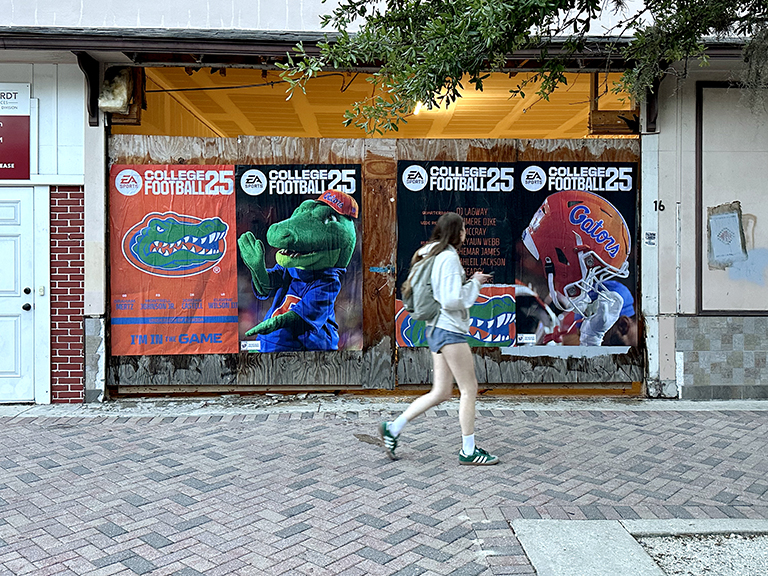
Winning Texas A&M University is not about buying random campus impressions in College Station, Texas. It is about understanding how students actually move through the day, where attention opens up, and why campus advertising in College Station, Texas only works when the message shows up at the exact points where routine turns into choice. A generic college marketing plan usually fails because it treats the university like a fenced-in media zone instead of a living market made up of class change, housing return trips, food runs, retail stops, event traffic, and the off-campus moments where students finally decide whether to scan, sign up, visit, or buy.
That is why AGM builds student marketing campaigns in College Station, Texas with route logic first. University advertising around Texas A&M University has to connect commuter pressure, apartment density, campus edge visibility, and social circulation into one continuous sequence so a student sees the brand more than once, in more than one mindset, before the call to action appears. When campus brand activation is stitched to real movement instead of broad awareness language, the campaign stops feeling like noise and starts behaving like a conversion system.
For brands trying to own student attention, campus advertising around Texas A&M University should move from recognition to action in stages: visibility near approach paths, reinforcement near housing and retail, urgency near social or event traffic, and a frictionless offer that makes response easy on mobile. That is the difference between buying university advertising in College Station, Texas and building off-campus student marketing that actually performs. The local edge comes from knowing which corridors repeat, which surfaces stay compliant, which neighborhoods carry student energy after class, and how to align timing, staffing, creative, and incentive structure so the campaign feels native to College Station instead of imported from a template.
Campus advertising in College Station, Texas should create repeat exposure where students actually make decisions. When college marketing is mapped to class-change timing, off-campus flow, and high-intent errands, the result is stronger student marketing campaigns built for measurable response. In College Station, Texas, that matters because student engagement marketing works when execution matches local timing, visible routes, and the decision window each zone creates for brands targeting Texas A&M University students.
The right campus advertising strategy around Texas A&M University should follow the actual student foot traffic corridors that connect the academic core to University Drive, Wellborn Road, George Bush Drive, and the dense apartment belt around Northgate and south-side student complexes, then keep the message alive through University Drive retail, Texas Avenue shopping, grocery runs on Harvey Road, and quick-service clusters around Northgate and the campus edge. That route design matters because class attendance alone rarely creates conversion; the buying behavior happens when students leave class, grab food, compare options, and move through campus edge advertising zones where repetition can build without feeling forced. For brands that need measurable lift, this is where activation language, scan logic, and movement-to-conversion planning belong. In College Station, Texas, that matters because student engagement marketing works when execution matches local timing, visible routes, and the decision window each zone creates for brands targeting Texas A&M University students.
Off-campus housing around Texas A&M University is not just a place students sleep; it is where student housing saturation creates the cleanest repeat visibility. The strongest off-campus activation routes usually run through University Drive, Wellborn Road, George Bush Drive, and the dense apartment belt around Northgate and south-side student complexes, where leasing traffic, roommate errands, food delivery drop-offs, and walk-back patterns keep the same audience circulating across the week. For buyer-intent campaigns, these student foot traffic corridors are ideal for offers tied to food, delivery, telecom, apps, financial services, rideshare, and anything that benefits from repeated exposure before a student actually converts. In College Station, Texas, that matters because student engagement marketing works when execution matches local timing, visible routes, and the decision window each zone creates for brands targeting Texas A&M University students.
Retail adjacency targeting near Texas A&M University should concentrate on University Drive retail, Texas Avenue shopping, grocery runs on Harvey Road, and quick-service clusters around Northgate and the campus edge, because those are the blocks where students shift from passive movement into actual decision mode. When a campaign sits near grocery baskets, coffee lines, convenience purchases, or quick comparison shopping, the brand is capturing behavior with intent instead of just awareness. These retail and shopping zones work especially well for sampling support, QR offers, bounce-back promotions, and service categories that need a simple nudge at the moment students are already spending. In College Station, Texas, that matters because student engagement marketing works when execution matches local timing, visible routes, and the decision window each zone creates for brands targeting Texas A&M University students.
Nightlife and social movement near Texas A&M University is valuable when it is treated as a mapped route instead of a generic party district. The best nightlife visibility zones usually build through Northgate nightlife visibility zones, game-day social movement, and apartment return traffic that extends beyond the main bar blocks, where late-evening circulation creates social proof, memory lift, and the kind of repeated impressions that travel into group chats, next-day recall, and weekend planning. This is the right environment for entertainment, beverages, food delivery, rideshare, ticketing, and lifestyle campaigns that benefit from urgency, shareability, and high-frequency peer exposure. In College Station, Texas, that matters because student engagement marketing works when execution matches local timing, visible routes, and the decision window each zone creates for brands targeting Texas A&M University students.
Transit and perimeter planning around Texas A&M University should lock onto AggieSpirit routes, Wellborn and University crossings, parking-to-class pathways, and commuter path exposure around the main campus perimeter, because commuter path exposure is what turns scattered impressions into a consistent pattern. These paths catch students during class-change traffic bursts, first arrival, and the exit wave back toward housing or work, which gives a campaign multiple chances to register before the audience makes a choice. When paired with compliant campus edge advertising zones and authorized perimeter options, transit-linked placements help visibility build from morning commute to afternoon errands to evening social movement. In College Station, Texas, that matters because student engagement marketing works when execution matches local timing, visible routes, and the decision window each zone creates for brands targeting Texas A&M University students.
Award0Winning Personalized Service
You will get thoughtful, devoted, and individualized attention from our experienced, qualified, and professional personnel. Being one of the most illustrious agencies in Brooklyn, New York, American Guerilla Marketing has been awarded the Best of Brooklyn title.
Nationwide
Industry City, Brooklyn, New York 11232
American Guerilla Marketing
Hours
Mon - Fri: 9 AM - 5 PM
Sat & Sun: Closed
Automate your campaign with AGM’s Request for Proposal Builder. Simply answer a few quick questions about your campaign goals, markets, and timeline, and the system will generate a tailored presentation with recommended strategies, quantities, and pricing. Click the RFP Builder to instantly receive your customized proposal.
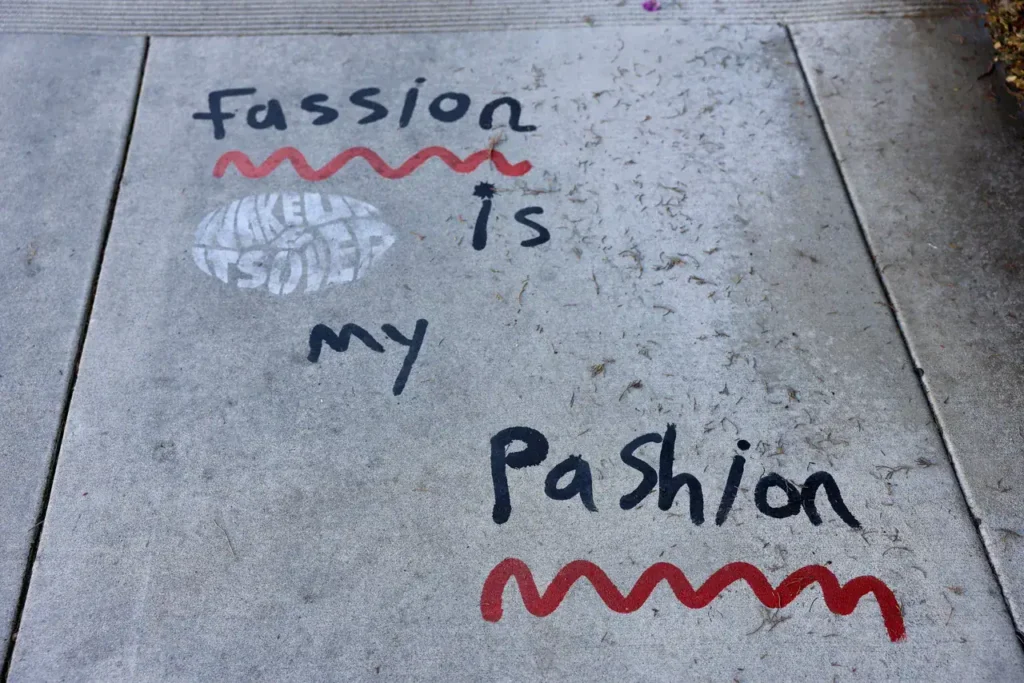
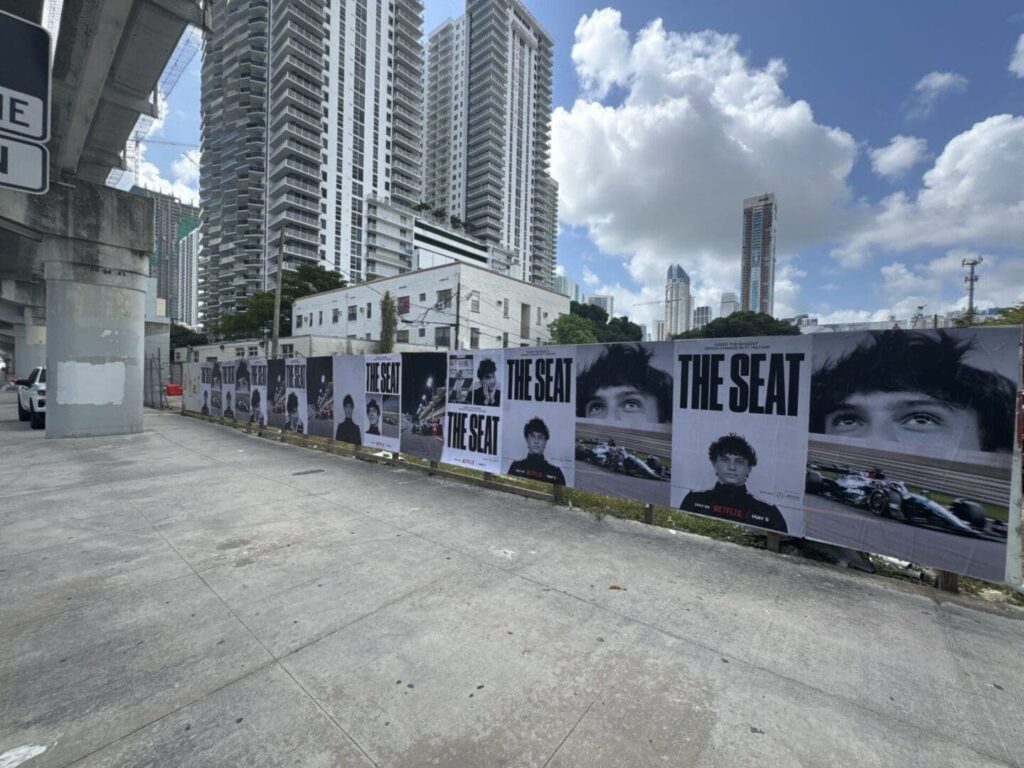
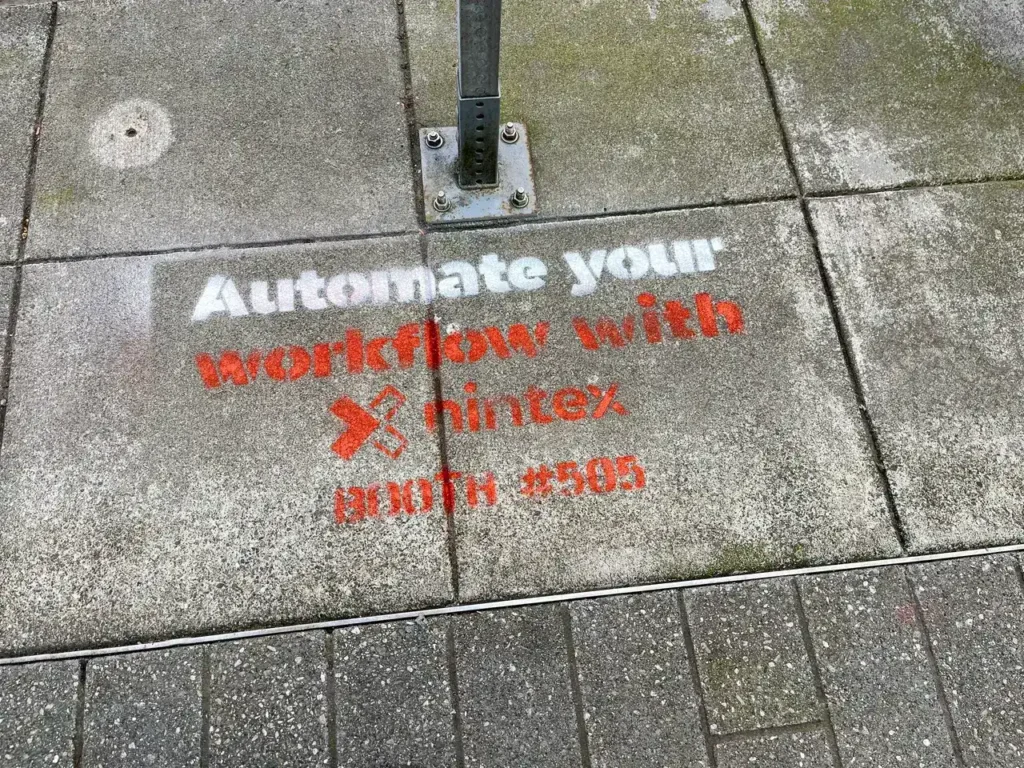
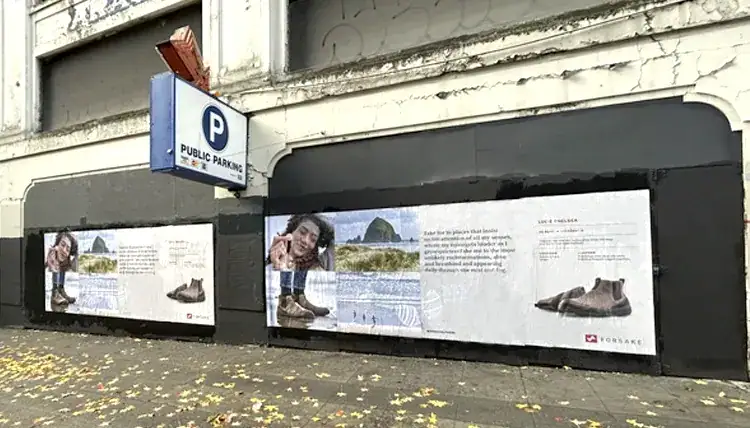
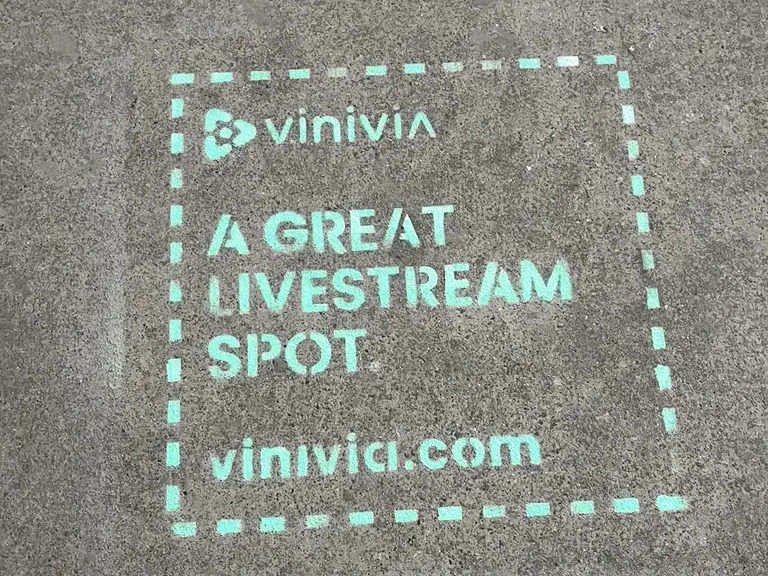
A complete college marketing program around Texas A&M University should not rely on one format. In College Station, Texas, wheatpasting campaigns work when a brand needs dense visual repetition near student apartments, music venues, and campus edge retail where posters can stack recognition before a launch or event. Stencil advertising is useful when the brief calls for fast-turn directional reinforcement in nightlife-adjacent or walkway-heavy areas with approved or owner-authorized execution. Brand ambassador teams matter when student trust has to be earned face to face, especially during orientation pushes, sports weekends, club recruitment cycles, and product trials that need live explanation instead of passive impressions. Flyer distribution still performs when the handoff is timed to class release, dining rushes, and apartment return windows and when the offer is direct enough to justify the grab. QR code activations are essential in College Station because they close the gap between seeing and acting; the scan has to lead to something immediate, whether that is an RSVP, discount, app install, waitlist, or event map. Campus surveys help brands learn where attention and sentiment are strongest before a wider rollout, while sidewalk decals can steer foot traffic toward a nearby venue, sampling station, or retail partner without slowing movement. Projection advertising is strongest when the goal is big-night visibility around game days, welcome week, product launches, or downtown student gatherings, and experiential pop-ups are what turn university advertising into memory when the offer needs sampling, demos, content capture, or peer-to-peer proof. The right mix depends on the audience, the timing, and which parts of College Station, Texas produce repeat student movement that can be converted into measurable action.
University advertising around Texas A&M University converts better when the plan is built like a route instead of a radius. The strongest student marketing campaigns in College Station, Texas respect how students split their time between the academic core, off-campus housing, food stops, transit paths, event activity, and neighborhood retail. That means budget is pushed toward sequences that can create recall and response, not wasted on generic campus buys that look impressive in a deck but never connect to the moments where students compare options and act. AGM uses corridor performance, staffing realities, timing windows, and offer design to make campus advertising feel operationally sharp from first impression through final conversion.
Where compliant opportunities exist, approved posting areas, owner-authorized surfaces, and perimeter placements around Texas A&M University can support a tighter campus brand activation strategy. The point is not to pretend every surface is usable. The point is to combine approved or authorized placement options with perimeter tactics that still reach the student audience at scale. In College Station, Texas, that matters because student engagement marketing works when execution matches local timing, visible routes, and the decision window each zone creates for brands targeting Texas A&M University students.
| Zone Type | Local Example | Why It Matters | Best Use |
|---|---|---|---|
| Housing corridor | University Drive, Wellborn Road, George Bush Drive, and the dense apartment belt around Northgate and south-side student complexes | Catches students where daily routines repeat | Offers, app installs, housing, food, services |
| Retail zone | University Drive retail, Texas Avenue shopping, grocery runs on Harvey Road, and quick-service clusters around Northgate and the campus edge | Reaches students in a purchase mindset | Sampling, redirection, awareness |
| Nightlife zone | Northgate nightlife visibility zones, game-day social movement, and apartment return traffic that extends beyond the main bar blocks | Builds social proof and after-hours recall | Entertainment, beverages, launch support |
| Transit path | AggieSpirit routes, Wellborn and University crossings, parking-to-class pathways, and commuter path exposure around the main campus perimeter | Creates repeat exposure before and after class | Directional messaging, reminders, QR prompts |
| Approved posting/perimeter | approved posting areas, owner-authorized surfaces, and perimeter placements around Texas A&M University | Adds compliant repetition near the campus edge | Posters, campus perimeter strategy, awareness |
AGM is the right fit when a brand needs campus advertising in College Station, Texas to behave like a market-entry system instead of a generic student awareness buy. Around Texas A&M University, that means combining local route intelligence, production discipline, staffing, compliance awareness, and conversion-focused creative so every part of the program supports the same commercial objective. The result is stronger college marketing, sharper university advertising, and a campus event marketing strategy that can be expanded, measured, and improved after launch.
The route follows actual student behavior: housing, food runs, retail errands, nightlife, transit, and class-change timing. That creates repetition instead of one isolated impression. In practice, that means mapping the highest-frequency paths first, then matching message length, offer type, and staffing to the way students move through the zone. Costs stay more efficient because the buy is focused on repetition where response is realistic rather than scattered across low-value campus impressions.
AGM plans around approved or owner-authorized placements, public-facing off-campus strategy, and campus perimeter logic rather than assuming every surface or handout zone is fair game. Compliance is handled up front by choosing owner-authorized, approved, or public-facing placements and by adjusting distribution tactics to the property and timing. That protects the campaign from wasted print, staff resets, and interruption costs that can kill performance.
Because students make a huge share of their decisions between class and home. Housing-adjacent visibility often outperforms a tactic that appears only once on the academic core. Housing corridors matter because they create repeat exposure across mornings, food delivery peaks, evening returns, and roommate-driven decision making. For many categories, that lowers the cost per response because students see the offer multiple times before converting.
It should give students a simple reason to stop, scan, sample, RSVP, redeem, or remember the offer. Clear value beats overbuilt spectacle in a fast-moving student market. The activation should give students one obvious next step and one reason to care right now. When timing, incentive, and placement line up, conversion improves because the campaign catches students at the exact moment they are ready to scan, sample, sign up, or show up.
Yes. Student audiences respond well when the CTA is immediate, mobile-first, and tied to a practical reward or relevant offer. Yes, especially when the landing experience is mobile-first and the value exchange is immediate. Installs and signups usually perform best when a brand pairs visible route coverage with ambassadors or QR prompts that remove hesitation and make attribution easier.
Look for the blocks where student traffic is routine rather than occasional: grocery runs, coffee stops, late-night food, campus-edge shopping, and entertainment nodes. The best retail zones are the ones with repeat student traffic and visible decision behavior, not just heavy footfall. AGM looks at spend patterns, dwell time, nearby housing, and whether the zone supports sampling, redemption, or directional messaging without friction.
Transit corridors create repeat exposure. Shuttle loops, rail stations, bus stops, and walk corridors all help the message show up before and after the direct interaction. Transit paths matter because they add frequency at predictable times of day. They are especially useful when a campaign needs a lower effective cost per impression and multiple touches before students hit the retail, event, or apartment environment where conversion happens.
Yes. Where approved boards, posting zones, or compliant public placements exist, AGM can fold them into a broader perimeter strategy that stays realistic. Yes, and those placements work best when they are treated as one layer in a broader perimeter strategy. On their own they may only deliver awareness, but combined with housing, retail, and ambassador activity they can improve recall and campaign efficiency.
Typical measurement includes scans, signups, redemptions, foot-traffic response, photo proof, route notes, and timing comparisons by zone. Performance is measured through scans, redemptions, signups, footfall, staffing notes, route photos, and time-of-day comparisons. The useful question is not just whether students saw the campaign, but which corridor, offer, and execution window created the strongest response for the spend.
Because the team builds around how students actually move through the market, which makes the plan easier to buy, easier to execute, and easier to improve after the first run. AGM is hired when a buyer needs a campaign that can be defended operationally, not just creatively. The team plans around execution, local movement, timing, and measurable response so the final program reads like a real go-to-market system for College Station, Texas, not a generic university media package.