
January 1, 2026 Wild Wheat Paste Posting Posting and Wheatpasting
Let’s break down the wild posting game. We’re talking about how art directors can absolutely own the urban landscape, making a massive splash without blowing the budget, and keeping their creative reins firmly in hand. We’ll pit wheatpasting against dedicated blitzes, refresh cycles, and the by-the-poster hustle. This isn’t just theory; it’s your playbook for killer cost-effectiveness, staying on the right side of the law, actually measuring what matters, and cooking up designs that scream “look at me!” all powered by the street-smart tactics of American Guerilla Marketing. First, we dissect each wild posting method, then we throw them against the wall with other outdoor giants, dive deep into the legal jungle, uncover how to track your wins, and finally, arm you with creative ammo built for art directors.
The core wild posting plays are wheatpasting, dedicated poster runs, refresh cycles, and the by-the-poster approach. Each one hijacks urban canvases in its own unique way to grab eyeballs and spark action. Get a grip on these basics, and you’re halfway to picking your knockout strategy.
Wheatpasting is all about that sticky, water-based paste that bonds posters straight to walls, giving it that raw, authentic vibe. Traditional wild posting? It might use gentler adhesives or even tape, making it easier to peel off.
This comparison shows why wheatpasting hits different, paving the way for those exclusive, all-in dedicated campaigns.
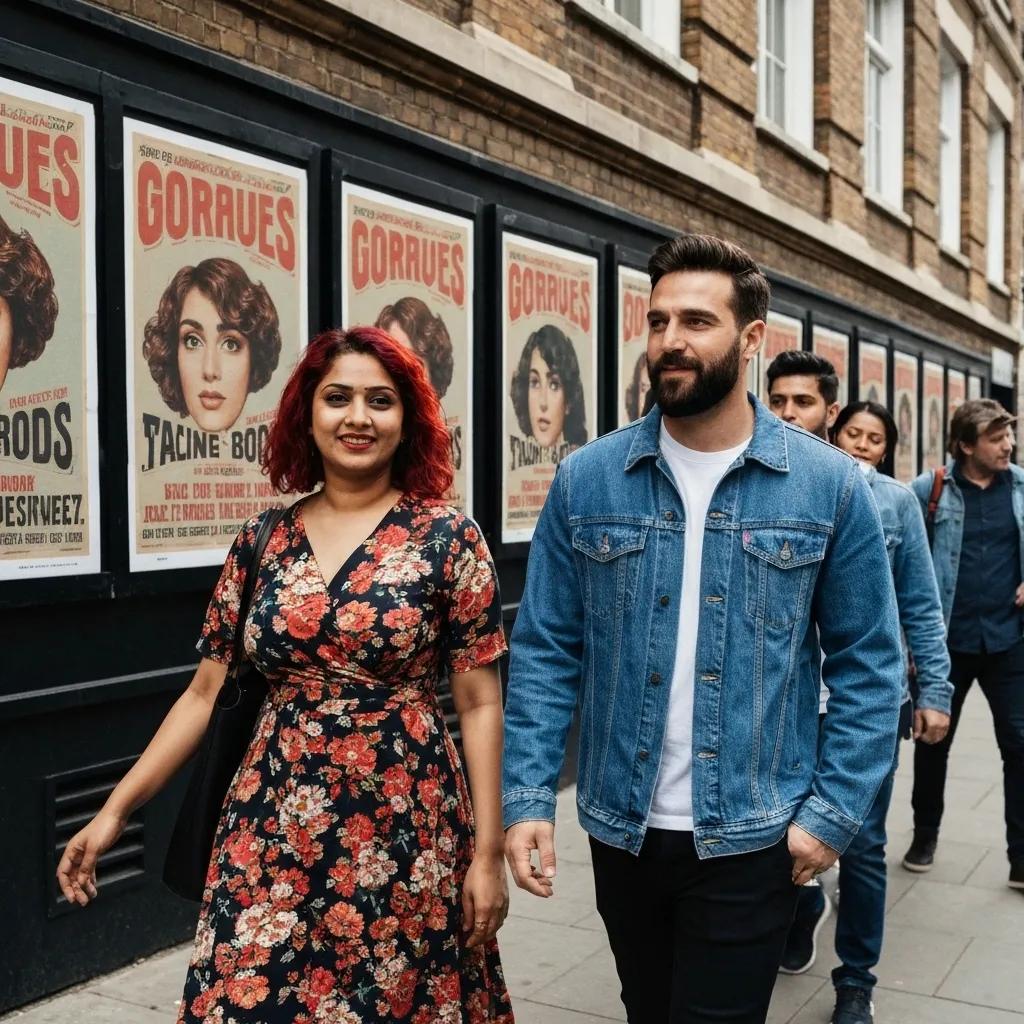
Dedicated wild posting means your campaign owns a block, a whole wall, or a series of contiguous spots. It’s about maximum visual takeover and drilling your brand into people’s heads.
These perks slash costs, setting us up perfectly to talk about shorter bursts of visibility, like refresh cycles.
Refresh and by-the-poster tactics are about keeping your wild posting game fresh. Think swapping out tired art for new designs at set intervals or swapping individual posters whenever you need a change.
Both keep your campaign looking sharp and extend its reach without a total overhaul, helping you nail that sweet spot between cost and control.
Dedicated bulk runs are your budget’s best friend, slashing the cost per poster thanks to sheer volume. Refresh cycles give you the ultimate say over your creative timeline and where your posters land. By-the-poster methods offer a solid middle ground, letting you make targeted swaps without breaking the bank.
Your choice hinges on your cash, how often you want to switch things up, and how much say you need over placement. This brings us neatly to how wild posting stacks up against the other outdoor heavyweights.
Wild posting brings a raw, guerrilla-style flexibility and street-level authenticity that traditional billboards, transit ads, and digital screens just can’t touch. This is why slapping posters on urban surfaces remains a go-to move for hyper-local campaigns.
| Format | Cost per Impression | Creative Freedom |
|---|---|---|
| Wild Posting | Low | Unlimited fonts, colors, and materials |
| Billboards | High | Standard sizes, strict rules |
| Transit Ads | Medium | Confined to buses, trains, and shelters |
| Digital Displays | Sky-High | Dynamic, but often disconnected from the street |
By laying out the costs and creative room, this table sets the stage for diving into targeting and the legal side of wild posting.
Wild posting uses street-level posters plastered on urban walls for that grassroots, authentic feel. Billboards, on the other hand, are massive, fixed structures commanding premium prices. Wild posting thrives on guerrilla placement, often bypassing formal permits, while billboards offer huge visibility but come with a hefty regulatory price tag.
Transit ads ride on buses, trains, and in shelters, targeting commuters on predictable routes. Wild posting, however, plants your message right in the middle of pedestrian flow, snagging spontaneous attention and sparking social media buzz that transit ads often miss.
Digital outdoor displays can flash and move, but they often feel detached from the gritty reality of street culture. Wild posting offers a tangible, artistic urban experience that begs to be touched and shared, inspiring selfies and user-generated content way beyond what static or digital boards can achieve.
Wild posting lets you zero in on specific neighborhoods, storefronts, or even hidden alleyways. This precision allows art directors to connect with niche crowds and subcultures far more effectively than broad-stroke outdoor buys.
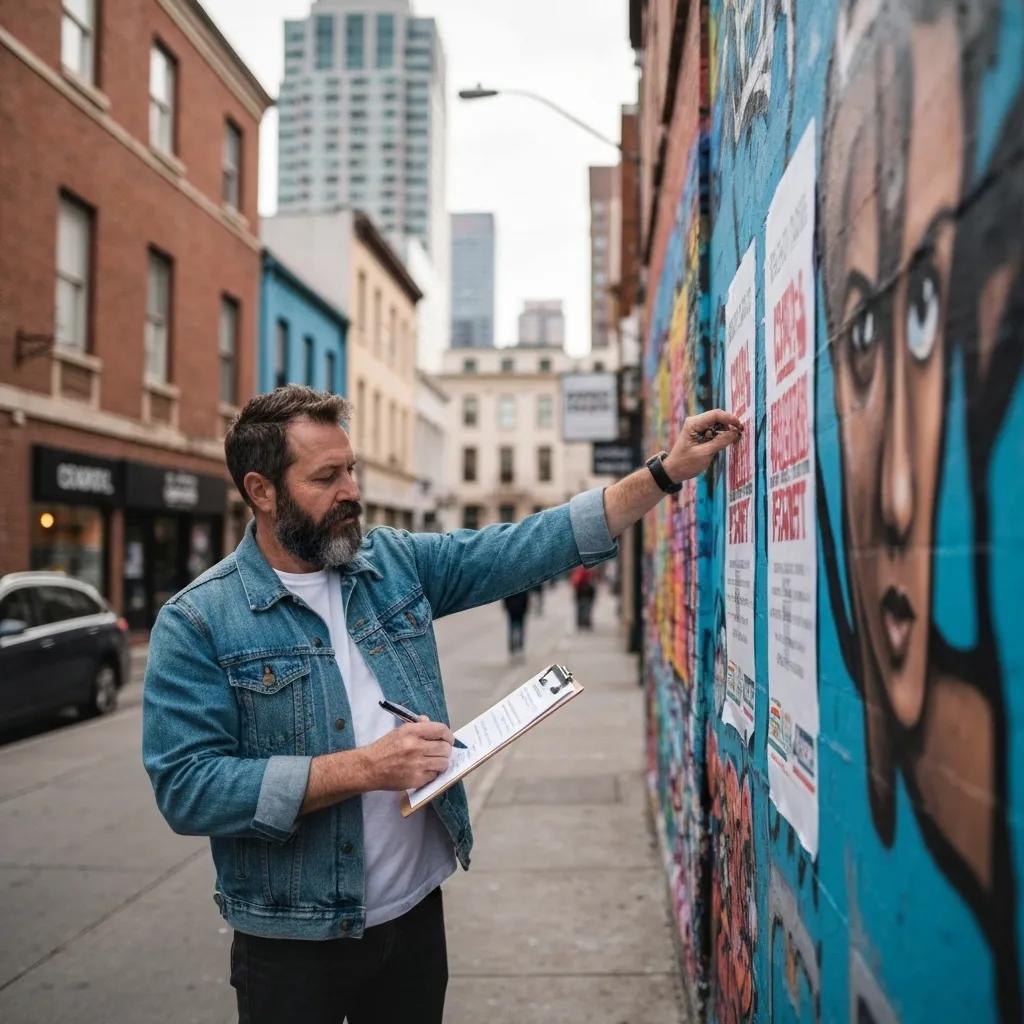
The wild, untamed nature of wild posting brings up questions about permits, who owns the wall, and local rules. Navigating this minefield keeps your brand’s rep clean and your wallet safe.
Permitted wild posting means you’ve got the green light from property owners or city programs, keeping you fully compliant. Unpermitted posting? That’s a gamble that can land you with fines, posters ripped down, and a serious hit to your brand’s image.
Marketers need to:
Following these steps keeps you out of hot water and your campaign’s integrity intact.
Partnering with seasoned agencies means tapping into their established permit networks, local intel, and rock-solid risk management. These pros know the city’s rules, can secure permissions, and execute compliant installations that shield brands from legal blowback.
The data is clear: playing by the rules and getting the right permits for street-level campaigns is non-negotiable. Skimping on legal requirements can lead to hefty fines, ads getting yanked, and your brand looking bad. Hooking up with agencies that know the local landscape inside and out is your best bet for dodging these pitfalls.
Brown, A., Advertising Law Review,
Cracking the code on wild posting ROI means blending on-the-ground intel, digital breadcrumbs, and brand lift analysis to fine-tune your next move. Clear metrics are your compass for optimization and proving your impact.
Keep an eye on these:
This data empowers art directors to put a number on their reach and tweak their placements for maximum effect.
Slap QR codes or unique URLs on your posters, and suddenly those static pieces become interactive portals. They drive direct traffic, capture leads, and spark social shares. User-generated content around these features blows up your impressions way beyond the wall.
Recent campaigns in the entertainment and fashion scenes saw over a 30% jump in store visits when QR-enabled posters were swapped weekly. This proves that smart installations and digital hooks deliver results you can actually count.
Art directors can absolutely crush it with wild posting by blending killer visuals, interactive elements, and authentic stories that hit home with urban crowds.
Go bold with high-contrast colors so your message cuts through the urban noise. Keep copy tight – it needs to land in seconds. Use typography like a pro to guide the eye. These tricks create posters that stop people in their tracks and stick in their minds.
Research confirms that smart street-level ads, including wild postings, can seriously boost brand recognition and recall among your target audience. The campaigns that win often use eye-catching visuals and punchy messages to grab attention in busy spots, leading to more engagement and brand love.
Smith, J., Journal of Marketing Communications,
Think pull-tabs, tear-off coupons, or scannable QR codes. These invite people to get hands-on, extending your campaign’s life and fueling social sharing through pure participation.
Wild posting turns city streets into your personal art gallery, weaving brands into the cultural fabric. This raw authenticity speaks the language of street culture and sparks organic buzz among influencers and local communities.
Art directors looking to amplify their urban impact can tap into these strategies and the specialized wild posting services from American Guerilla Marketing. Pick the right tactic, respect the local laws, and measure like a hawk, and you’ll unleash guerrilla campaigns that truly resonate with the pulse of the city.