
August 10, 2023 Bar and Restaurant Advertising

It’s essential for agencies to keep a pulse on the most crucial metrics that drive campaign success. In the dynamic world of media buying, it’s essential for agencies to keep a pulse on the most crucial metrics that drive campaign success. With the rise of digital media strategy and programmatic buying, the landscape has become more complex, necessitating a keen understanding of key performance indicators (KPIs). Here, we delve into the top 10 KPIs that every media buying agency should track and explain why they are pivotal for advertising optimization.
Every dollar spent in advertising should ideally bring a return. ROI is the most straightforward metric that tells agencies if their campaigns are profitable. By comparing the cost of the campaign to its revenue, agencies can determine if their strategies are working or if they need to pivot. In the age of digital media strategy, where every click, view, and interaction can be measured, ROI becomes even more crucial.
Beyond just knowing if an ad was clicked, it’s essential to understand user behavior post-click. Did they make a purchase? Did they spend a significant amount of time on the site? These insights can help agencies refine their ad placement strategy and content to better resonate with their target audience.
Not all audiences are created equal. Some might be more inclined to make a purchase, while others might just be browsing. By segmenting audiences based on behavior, demographics, and other factors, agencies can create tailored campaigns that resonate more deeply with each segment, leading to better results.
While immediate sales are great, long-term brand recognition can lead to sustained success. Brand awareness campaigns might not have immediate ROI but can lead to better brand recognition, trust, and long-term customer loyalty.
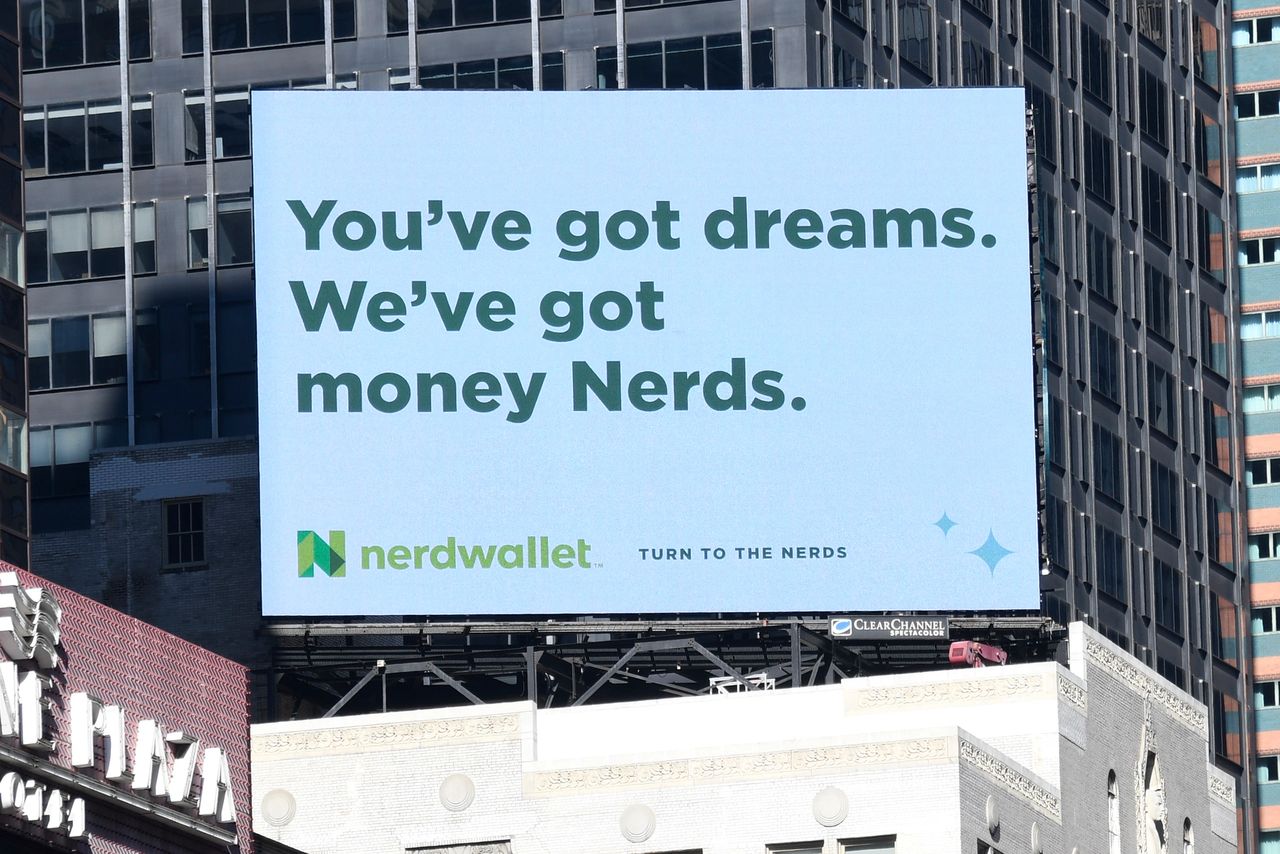
Today’s consumers are everywhere
Today’s consumers are everywhere – from social media to search engines, to websites. Tracking performance across all these channels can provide insights into where the audience is most engaged, helping agencies allocate budgets more effectively.
It’s not just about how much you spend, but where you spend it. This KPI ensures that every dollar is allocated to the most effective channels, ensuring maximum ROI.
Location can play a crucial role in ad effectiveness. A well-timed ad to a user in a specific location can lead to immediate sales. Geotargeting also allows for localized ad placements, ensuring relevance.
The world of media buying is ever-evolving. By staying updated with the latest trends, agencies can stay ahead of the curve, ensuring their strategies are always fresh and relevant.
In today’s digital age, there’s a tool for everything. Using the right tools can provide deeper insights, better tracking, and more effective campaign optimization.
Automation is the future. Programmatic buying allows for real-time auction ad buying, ensuring that ads are placed at the right time, in front of the right audience, at the best price.
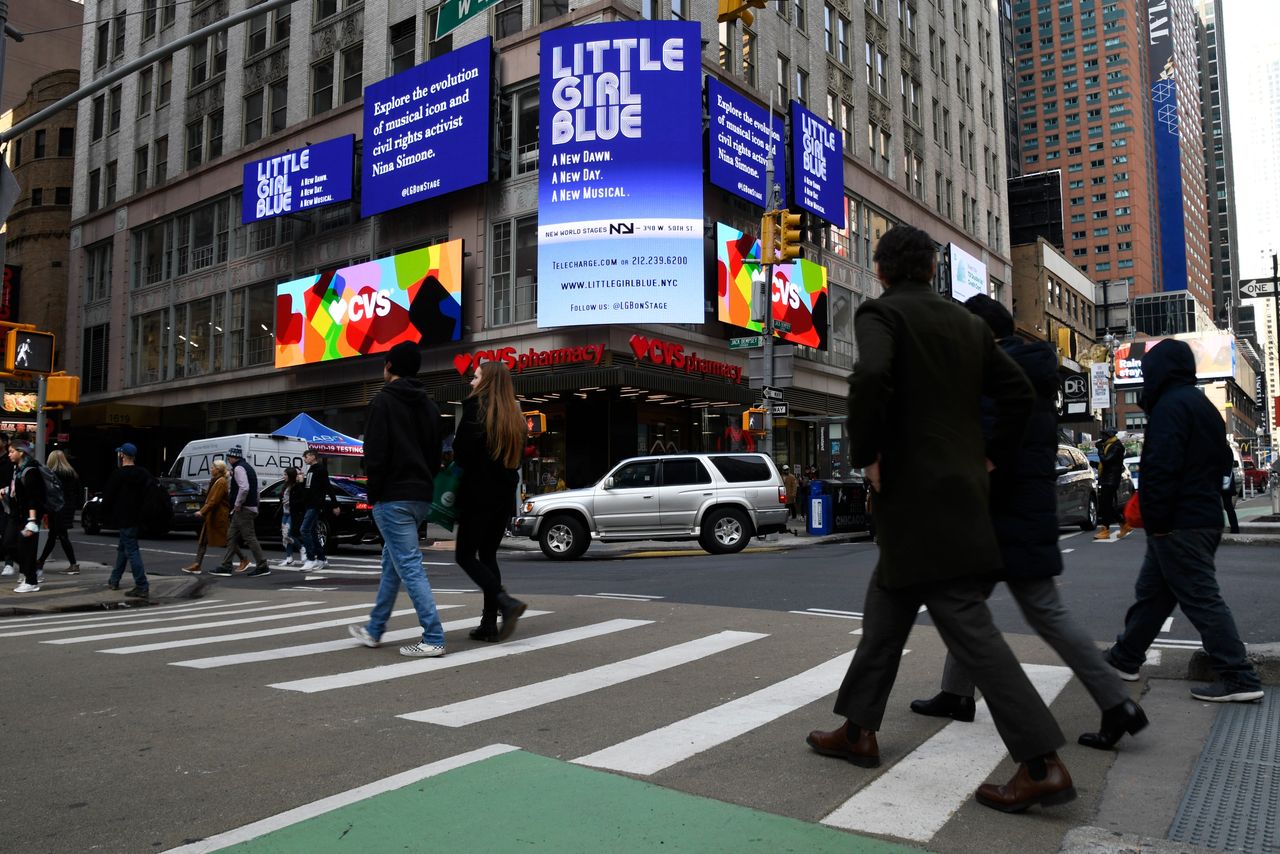
Beyond just clicks, how engaged was the audience with the ad? Did they watch a video till the end? Did they share the ad? High engagement often correlates with better brand recall and conversion rates.
Ad Engagement Metrics
Media Buying Best Practices
Social Media Ad Buying
Mobile Advertising Strategy
Content Marketing Synergy
In the ever-evolving world of media buying, staying ahead of the curve requires a deep understanding of the most impactful KPIs. These metrics offer invaluable insights into campaign performance and areas of improvement. By focusing on these KPIs, media buying agencies can ensure that their strategies are data-driven, effective, and aligned with the latest industry trends.

Media buying, a pivotal component of advertising optimization, relies heavily on specific KPIs to gauge campaign success.
Q: What are the key performance indicators (KPIs) crucial for media buying?
A: Media buying, a pivotal component of advertising optimization, relies heavily on specific KPIs to gauge campaign success. These KPIs include Return on Investment (ROI Tracking), which evaluates the profitability of campaigns, Ad Performance Analysis that delves into the effectiveness of ad placements, and Audience Segmentation and Profiling, which categorizes target audiences for more tailored campaigns. Additionally, Brand Awareness Campaigns measure the familiarity of a brand among its target audience, while Cross-Channel Advertising assesses ad performance across multiple digital platforms. By understanding these KPIs, agencies can refine their media planning strategies, ensuring effective ad placements and maximizing ROI.
Q: How does geotargeting enhance ad campaign efficiency?
A: Geotargeting is a media buying technique that allows agencies to deliver ads to specific geographic locations. By doing so, agencies can ensure that their ads are relevant to the local audience, leading to increased engagement and conversion rates. This strategy is particularly beneficial for localized ad placements, where ads are tailored to resonate with the cultural, social, or economic nuances of a particular region. Moreover, geotargeting enables agencies to tap into local events or trends, making their ads timely and more impactful. In the realm of media buying insights, geotargeting stands out as a powerful tool for enhancing campaign targeting and optimization.
Q: What are the anticipated media buying trends for 2023?
A: Media buying is an ever-evolving field, and staying updated with the latest trends is crucial for future planning. For 2023, the focus is expected to shift towards more data-driven media buying, where agencies will leverage big data and analytics to make informed decisions. Programmatic buying, which involves automated ad space purchasing, will gain more traction, ensuring ads are placed efficiently. Additionally, with the rise of digital media strategy, there will be a greater emphasis on multi-platform advertising, targeting users across various digital touchpoints. Personalized ad campaigns, driven by AI and machine learning, will also play a significant role, offering users a more tailored ad experience.
Q: How does programmatic buying fit into the modern media buying landscape?
A: Programmatic buying is revolutionizing the media buying landscape. It involves the automated purchase of ad space using sophisticated algorithms and real-time data. This form of buying ensures that ads are placed in front of the right audience at the optimal time and price. Given its efficiency, programmatic buying is becoming a staple in digital media strategy. It not only streamlines the ad buying process but also offers better ad targeting optimization. With the ability to analyze vast amounts of data in real-time, programmatic buying provides agencies with unparalleled media buying insights, enabling them to make more informed decisions and achieve better campaign results.
Q: Why is audience segmentation pivotal for targeted ad placements?
A: Audience segmentation is the process of categorizing the target audience based on various parameters like demographics, behavior, interests, and more. In the context of media buying, segmentation is crucial as it allows agencies to create more tailored and effective ad campaigns. By understanding the nuances of each segment, agencies can design ads that resonate deeply with the audience, leading to higher engagement and conversion rates. Moreover, segmentation aids in ad placement strategy, ensuring that ads are displayed on platforms or channels frequented by the target segment. In essence, audience segmentation enhances the precision of ad placements, maximizing the chances of campaign success.

In the realm of media buying, several advanced ad tracking tools offer valuable insights. These tools provide real-time data on ad performance, from click-through rates to conversions.
Q: How can I optimize my ad budget for maximum ROI in media buying?
A: Ad budget optimization is a critical aspect of media buying consultancy. To maximize ROI, it’s essential to allocate funds towards channels and platforms that yield the highest returns. This involves analyzing past campaign data, understanding audience behavior, and leveraging media buying tools for insights. Additionally, consider diversifying your ad spend across multiple channels, testing different ad formats, and regularly monitoring ad performance. Engaging in media negotiation can also help secure ad spaces at competitive rates. By adopting a data-driven approach and staying updated with media buying trends, you can ensure optimal ad spend allocation and achieve maximum ROI.
Q: Which tools are recommended for tracking and measuring ad performance?
A: In the realm of media buying, several advanced ad tracking tools offer valuable insights. These tools provide real-time data on ad performance, from click-through rates to conversions. Some popular tools include Google Analytics, Facebook Ads Manager, and Media Buying Platforms like MediaMath or The Trade Desk. These tools not only track ad performance but also offer media buying insights, helping agencies refine their strategies. Additionally, consider tools that provide ad placement analytics and audience profiling to understand user behavior and preferences better. By leveraging these tools, agencies can ensure effective media placements and optimize campaigns for better results.
Q: How can I ensure effective media placements for my brand?
A: Effective media placements are pivotal for achieving campaign success. To ensure your ads resonate with the audience, start by understanding your target demographic. Utilize audience profiling to tailor your ads to their preferences. Engage in media buying consultation to identify the best platforms and channels for your ads. Additionally, leverage geotargeting strategies to deliver localized ads, ensuring relevance. Stay updated with media buying trends and best practices, and consider diversifying your ad placements across multiple platforms for broader reach. Regularly monitor ad performance and make necessary adjustments based on real-time data to ensure optimal media placements.
Q: Are there specialized agencies that offer media buying consultancy?
A: Yes, several specialized agencies such as American Guerrilla Marketing offers media buying consultancy services. These agencies possess media buying expertise and provide comprehensive solutions, from ad campaign planning to optimization. They leverage advanced media buying tools and stay updated with the latest trends to offer clients the best strategies. By engaging with a media buying consultancy, brands can benefit from expert insights, strategic ad placements, and optimized campaigns. These agencies also assist in ad rate negotiation, ensuring cost-effective advertising. Collaborating with a consultancy can significantly enhance campaign success and ensure maximum ROI.
Q: How can I leverage programmatic ad buying for my campaigns?
A: Programmatic ad buying is a game-changer in the media buying landscape. To leverage it, start by understanding its fundamentals. Programmatic buying automates the ad buying process, using real-time data and algorithms. Engage with platforms that offer programmatic services, such as Demand Side Platforms (DSPs). These platforms provide access to a vast inventory of ad spaces and use real-time bidding to secure placements. Ensure your ads are optimized for programmatic buying, focusing on audience targeting and ad formats. Regularly monitor campaign performance and make adjustments based on insights. By embracing programmatic ad buying, brands can achieve more efficient ad placements, better targeting, and improved campaign results.
Telegram: @americanguerillamarketing
Sign up to get blog posts here