
September 13, 2023 Marketing and Advertising
Traditional media production has undergone a significant transformation in recent years, with the rise of digital technology and the internet. Welcome to our comprehensive overview of the role of media production in the digital age. In this blog post, we will explore the evolution of media production, its impact in today’s digital landscape, and the challenges and opportunities it presents. We’ll also delve into various careers within media production and discuss what lies ahead for this dynamic industry. So grab a cup of coffee and join us as we dive into the fascinating world of media production in the digital age!
Traditional media production has undergone a significant transformation in recent years, with the rise of digital technology and the internet. The shift from analog to digital formats has revolutionized the way video content is produced and consumed. In today’s digital age, media production encompasses various platforms and mediums, allowing for greater flexibility and accessibility in creating high-quality content.
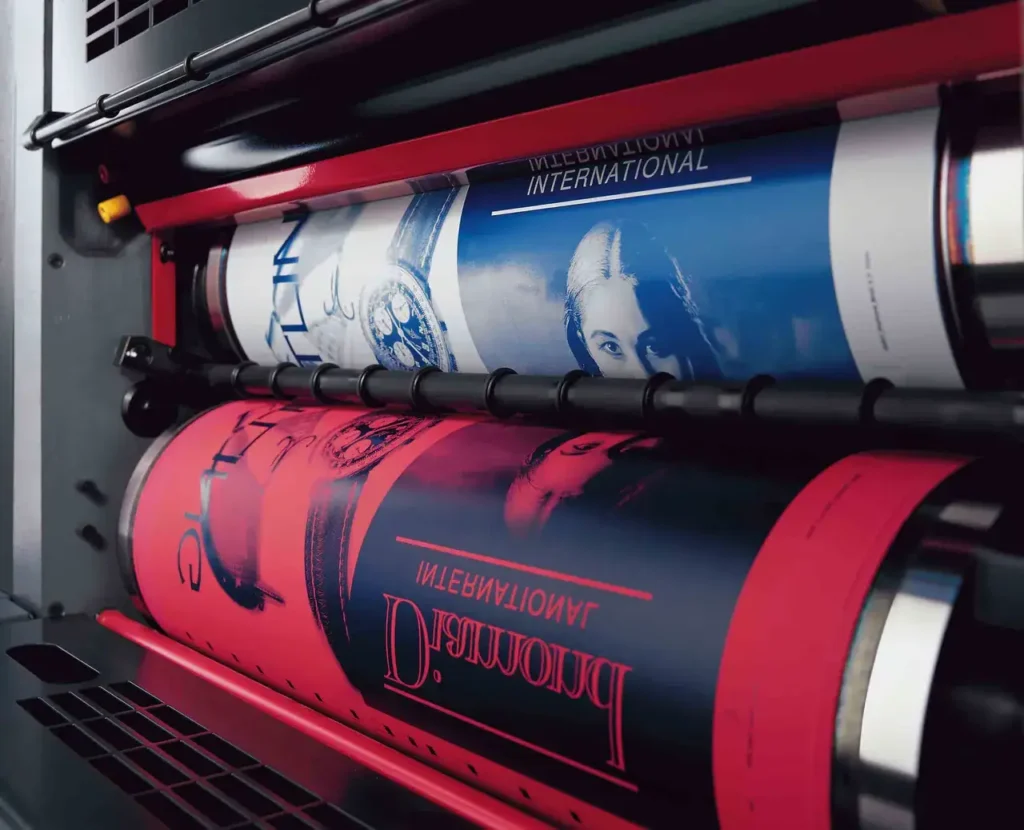
Print media production, television and film production, and radio production play pivotal roles in traditional media production. Print media involves the creation of newspapers, magazines, brochures, and other tangible publications. By utilizing various techniques such as graphic design and layout, print media producers bring content to life on paper. Television and film production encompass the process of creating video content for broadcast or cinematic distribution. From scriptwriting to editing and post-production, every step is crucial in ensuring high-quality visual storytelling. Radio production focuses on audio content creation through recording techniques, sound mixing, and programming strategies that captivate listeners with engaging narratives or music playlists. These traditional media forms continue to evolve while maintaining their essence in today’s digital age.
Digital Media Production is a dynamic field that encompasses various aspects of online content creation, video game development, and social media marketing. It involves utilizing technology and creativity to produce compelling digital content that engages audiences across different platforms. In this fast-paced industry, staying up-to-date with the latest trends and techniques is essential for success.
In Digital Media Production, professionals are involved in:
The production of engaging videos and captivating content plays a vital role in attracting viewership and driving engagement in today’s digitally-driven world. With the constant evolution of technology, it has become crucial for businesses to leverage digital media production to remain competitive in the market.
Media production in the digital age has had a profound impact on various aspects of society.
Media production in the digital age has had a profound impact on various aspects of society. Firstly, it has revolutionized access to information and news. With the rise of digital platforms, individuals can quickly and easily consume news from around the world, allowing for greater awareness and understanding of global events. Secondly, media production has transformed entertainment and content creation. The digital landscape offers endless opportunities for creative expression through mediums such as videos, podcasts, and online publications. This has empowered individuals to become creators themselves, resulting in a diverse range of content that caters to different interests and preferences.
Citizen journalism has become a powerful tool in the digital age, allowing individuals to share news and information with a global audience. With the rise of social media and blogging platforms, anyone can now become a citizen journalist, contributing to the democratization of news reporting.
Real-time updates have transformed the way we access breaking news. Through various media platforms such as online news websites, mobile applications, and social media feeds, we can now receive instant updates on events happening around the world. This immediacy gives us unparalleled access to up-to-date information.
Media production plays a crucial role in enabling worldwide dissemination of information. With advancements in technology and connectivity, content creators have greater reach than ever before. News articles, videos, podcasts – all forms of media can be easily shared across borders and time zones for people everywhere to consume.
Streaming Services have revolutionized the entertainment industry, allowing users to access a wide range of content on-demand. Platforms like Netflix and Hulu dominate the market, offering an extensive library of movies and TV shows that can be streamed anytime, anywhere.
User-generated Content has become increasingly popular in recent years, giving individuals the power to create and share their own content across various platforms such as YouTube and TikTok. This democratization of media production has allowed for diverse voices to be heard and has opened up new opportunities for aspiring creators.
Immersive Experiences are taking center stage in media production with advancements in technologies like virtual reality (VR). VR allows audiences to engage with content on a whole new level, whether it’s through immersive storytelling or interactive experiences. The integration of VR into media production is pushing boundaries and creating exciting possibilities for both creators and consumers alike.
Targeted Advertising: Utilizing data-driven insights enables marketers to create personalized marketing campaigns that resonate with their target audience. By analyzing consumer behavior and preferences, businesses can deliver targeted ads that are more likely to generate interest and drive conversions.
Influencer Marketing: Collaborating with popular personalities in various industries has become a powerful way to promote products or services. Influencers have built loyal followings who trust their opinions and recommendations, making it an effective strategy for reaching a wider audience and building brand credibility.
Branded Content: Creating engaging content that subtly promotes a brand or product is another avenue for effective marketing. By seamlessly integrating promotional messages into valuable and entertaining content, businesses can capture the attention of consumers while also establishing themselves as industry experts.

Technological advancements have revolutionized media production, presenting both challenges and opportunities.
Technological advancements have revolutionized media production, presenting both challenges and opportunities. With the rise of digital tools and platforms, content creators must stay updated with the latest technologies to remain competitive in the industry. Additionally, the ever-changing consumer behavior requires media producers to adapt their strategies to meet evolving demands. Amidst these challenges, there are also new avenues for monetization that can be explored through innovative approaches and partnerships. Overall, navigating these dynamic landscapes is crucial for success in media production today.
Emergence of new production tools and software has revolutionized media production. From advanced video editing suites to innovative sound mixing software, these tools have streamlined the process, making it more efficient and cost-effective. Furthermore, the integration of virtual reality (VR) and augmented reality (AR) in media production has opened up endless possibilities for creating immersive experiences for audiences. Whether it’s interactive storytelling or lifelike visual effects, VR and AR are transforming the way we consume media. Additionally, advancements in camera technology have paved the way for high-quality video production with crisp resolution, enhanced image stabilization, and improved low-light capabilities – allowing content creators to capture stunning visuals like never before.
Shift towards on-demand streaming platforms has revolutionized the way consumers access and consume media. With the rise of platforms like Netflix and Amazon Prime, traditional TV viewing has taken a backseat as viewers now have the freedom to choose what they want to watch and when they want to watch it.
In addition, there has been an increased consumption of mobile content, with smartphones becoming a primary source of entertainment for many. From watching videos on YouTube to scrolling through social media feeds, consumers are spending more time engaging with content on their mobile devices than ever before.
Furthermore, consumer preference for personalized and interactive media experiences is shaping the future of media production. The demand for customized content that caters specifically to individual interests and desires is driving creators and producers to think outside the box in order to deliver engaging experiences that resonate with audiences on a personal level.
Overall, these shifts in consumer behavior highlight the need for media production professionals to adapt their strategies accordingly in order to meet evolving demands in this digital age.
The rise of social media influencers has intensified competition in the media production industry. Their ability to connect with audiences on a personal level poses a challenge for traditional forms of content creation. To stay ahead, companies must adapt their strategies to incorporate influencer marketing and leverage the power of authenticity and relatability.
In today’s digital landscape, data analytics plays a crucial role in targeted advertising. Companies that harness the potential of data can create personalized campaigns tailored to specific consumer preferences. By analyzing user behavior and demographics, businesses can optimize their marketing efforts, ensuring higher engagement rates and increased monetization opportunities.
Monetization challenges arise from the widespread use of ad-blockers and cord-cutting trends. Ad-blockers prevent ads from reaching users, reducing revenue streams for media producers reliant on advertising income. Additionally, as more consumers opt out of traditional cable or satellite TV subscriptions in favor of streaming services, reaching target audiences becomes increasingly complex. Media producers must seek alternative revenue models such as branded content collaborations or subscription-based platforms to overcome these challenges effectively.

Media production careers in the digital age encompass a wide range of roles and responsibilities.
Media production careers in the digital age encompass a wide range of roles and responsibilities. Content creators and influencers play a crucial role in shaping online platforms, capturing the attention of audiences through engaging visuals and storytelling. In journalism and reporting, professionals leverage digital tools to deliver news rapidly, reaching global audiences with real-time updates. Meanwhile, film and television production teams utilize cutting-edge technology to create captivating visual experiences that immerse viewers in their narratives. As technology continues to evolve, media production careers remain at the forefront of innovation, pushing boundaries and redefining storytelling for the digital era.
Platforms for content creation have revolutionized the way individuals can share their creativity with the world. With an array of options such as YouTube, TikTok, and Instagram, aspiring creators now have direct access to a global audience. In order to monetize their talent and influence, influencers must develop effective strategies that go beyond sponsored posts. By leveraging their personal brand and engaging with followers authentically, influencers can build loyal audiences who are more likely to support them through merchandise sales or partnerships.
The power of social media cannot be underestimated when it comes to building an audience. Platforms like Facebook, Twitter, and LinkedIn provide unique opportunities for content creators and influencers to connect directly with potential fans or customers. Through strategic use of hashtags, collaborations with other influential figures in their niche, and consistent engagement with followers’ comments and messages – these digital creators can cultivate a dedicated community that eagerly awaits each new piece of content they produce.
Digital tools have revolutionized investigative journalism, providing reporters with powerful resources to uncover and analyze information. From data visualization software to social media monitoring tools, these digital innovations enhance the ability of journalists to delve deep into complex stories. However, amidst the proliferation of fake news, ethics in journalism have become more crucial than ever before. Reporters must navigate a digital landscape filled with misinformation and disinformation while upholding principles such as accuracy, fairness, and accountability. Additionally, online reporting demands adaptability in order to keep pace with the rapid dissemination of news on various platforms. Journalists need to constantly evolve their skills and strategies to effectively engage audiences in this fast-paced era.
Emerging technologies in film production have revolutionized the way movies and TV shows are made. From virtual reality to augmented reality, these new tools enhance storytelling by creating immersive and interactive experiences for viewers. Additionally, distribution challenges in the streaming era present both opportunities and hurdles for content creators. With an increasing number of platforms and services available, it is crucial that filmmakers understand how to navigate this landscape effectively. Collaboration between traditional studios and digital platforms has become essential in order to reach wider audiences and maximize exposure.

The future of media production in the digital age requires embracing emerging technologies, adapting strategies based on shifting consumption habits, and meeting evolving audience expectations.
The digital age has revolutionized media production, bringing forth a multitude of emerging technologies that have transformed the industry. From virtual reality to artificial intelligence, these advancements are reshaping the way content is created and consumed.
As technology continues to evolve rapidly, there has been a significant shift in media consumption patterns. Traditional forms of media such as television and print have given way to on-demand streaming services and online platforms. This change necessitates an adaptable approach to media production that caters to the preferences of today’s tech-savvy audience.
In addition to technological shifts, producers must also consider changing audience expectations. With access to an abundance of content at their fingertips, consumers now demand personalized experiences tailored specifically for them. Media producers must strive for innovation and creativity in order to capture and retain their target audience’s attention.
Overall, the future of media production in the digital age requires embracing emerging technologies, adapting strategies based on shifting consumption habits, and meeting evolving audience expectations. By staying ahead of these trends, professionals can thrive in this ever-changing landscape while delivering captivating content for all types of viewership preferences.
Virtual reality has revolutionized immersive storytelling, allowing audiences to step into the narrative and experience it firsthand. Its impact on media production is undeniable, as filmmakers and content creators harness this technology to create more engaging and captivating experiences. Similarly, artificial intelligence has transformed media production by automating tasks and enabling personalized content recommendations for users. This not only increases efficiency but also enhances the overall user experience. Additionally, augmented reality has emerged as a powerful tool in interactive media experiences, bridging the gap between physical and digital worlds. Its integration into various forms of entertainment offers exciting opportunities for audience engagement like never before.
Multi-platform distribution has become crucial in reaching audiences, as consumers now expect content to be available across various channels. Streaming services have led to the decline of traditional broadcast television, as more and more viewers prefer the convenience and flexibility of on-demand platforms. Additionally, mobile-first content consumption is on the rise, making it essential for media production to prioritize mobile optimization in order to engage with today’s audience effectively.
User-generated content: Today’s audiences have become active participants in the media landscape, with user-generated content playing a pivotal role in shaping their experiences. Empowering audiences as creators not only fosters a sense of ownership but also enhances engagement and authenticity. Platforms that facilitate user-generated content allow for diverse perspectives and offer opportunities for collaboration.
Interactive storytelling: Audiences crave immersive and participatory experiences that go beyond passive consumption. Interactive storytelling techniques captivate viewers by inviting them to actively engage with the narrative, making choices that shape the outcome or exploring additional layers of information through clickable elements. This approach creates a deeper level of connection between audiences and media productions.
“Snackable” content: In a fast-paced digital world where attention spans are constantly shrinking, capturing audience interest within seconds is crucial. “Snackable” content refers to short, easily digestible pieces specifically designed to capture attention quickly while delivering meaningful messages or entertainment value. Bite-sized videos, GIFs, infographics, and quick social media posts cater perfectly to this need for quick consumption without sacrificing quality.
Telegram: @americanguerillamarketing
Sign up to get blog posts here