
August 24, 2023 Buying Billboard Advertising

In the early years, insurance companies relied heavily on simple print ads to market their services. Insurance advertising has come a long way over the years, transforming from mundane and uninspiring campaigns to captivating and creative masterpieces. With the rise of digital advertising, insurers have been able to showcase their products and services in exciting new ways. In this blog post, we will explore the early days of insurance advertising, how it has evolved with the advent of technology, and discuss some innovative approaches that are shaping its future. Join us as we delve into the world of insurance advertising – from boring to brilliant!
In the early years, insurance companies relied heavily on simple print ads to market their services. These ads focused primarily on conveying information about life insurance policies and their benefits. However, as technology advanced, radio and television emerged as powerful marketing mediums, allowing insurers to create more dynamic and persuasive advertisements that captured the attention of a wider audience. Today, insurance advertising continues to evolve with digital platforms, ensuring that companies can effectively reach potential customers in an increasingly competitive market.
Radio and TV commercials have long been powerful tools in marketing and advertising. With their ability to reach a wide audience, these mediums bring insurance advertisements to life. By leveraging captivating visuals and persuasive storytelling, commercials have the potential to transform insurance advertising from mundane to memorable.
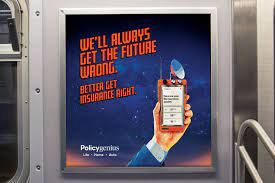
Online Banner Ads have revolutionized the world of insurance advertising. With their eye-catching designs and strategic placement, they effectively capture the attention of potential customers. These digital ads utilize engaging visuals and compelling copy to convey the benefits of various insurance products, making them a powerful tool for reaching target audiences.
Social media campaigns have also played a significant role in the rise of digital advertising for insurance companies. By leveraging platforms like Facebook, Instagram, and Twitter, insurers can connect with their target audience on a personal level. Through creative content and interactive features such as polls or quizzes, social media campaigns build brand awareness while fostering customer engagement.
Influencer marketing has become an increasingly popular strategy in insurance advertising. By partnering with influencers who have a strong online presence and following, insurers can tap into new markets and expand their reach. These influential individuals promote insurance products through sponsored posts or videos that resonate with their followers’ interests and values.
Overall, the rise of digital advertising has transformed how insurance companies promote their products. Online banner ads grab attention instantly; social media campaigns engage customers personally; influencer marketing reaches new audiences convincingly–all contributing to more effective strategies that captivate potential policyholders.
Online Banner Ads have become an integral part of insurance advertising strategies. These digital advertisements are displayed on various websites and platforms to capture the attention of potential customers. When done right, online banner ads can be highly effective in increasing brand visibility and driving traffic to insurance websites.
With the rise of internet usage, online banner ads have proven to be a powerful tool in reaching a wider audience and generating leads for insurance companies. By optimizing design elements, targeting the right audience, and utilizing tracking tools, insurers can maximize the impact of their online banner ads.
Social media campaigns have revolutionized the way insurance companies advertise. By utilizing platforms like Facebook and Instagram, insurers can reach a wider audience and engage with potential customers in a more interactive manner. These campaigns employ creative content, including eye-catching visuals and compelling storytelling, to capture the attention of users scrolling through their feeds. With targeted ads based on user demographics and interests, social media campaigns allow insurance companies to present their products or services in a personalized way that resonates with consumers’ needs. As a result, insurance advertising has transformed from mundane to captivating, making it easier than ever for insurers to connect with their target audience online.
In addition to personalized targeting and engaging content, social media campaigns also benefit from the power of sharing. When users share campaign posts or tag friends who may be interested in insurance offerings, it expands the reach of these advertisements exponentially. This word-of-mouth marketing effect creates an organic buzz around insurance products or services while increasing brand visibility across various social networks. Furthermore, by leveraging user-generated content through contests or challenges related to insurance topics, companies can effectively tap into their customers’ creativity and loyalty as they contribute to spreading awareness about their brand. Overall,the rise of social media campaigns has proved instrumental in transforming traditional advertisement strategies into dynamic experiences that captivate audiences while maximizing brand exposure within the digital space
Influencer marketing has revolutionized the way insurance companies promote their products. By partnering with popular social media influencers, brands can effectively reach their target audience and increase brand awareness. These influential individuals provide authentic recommendations to their followers, creating a sense of trust and credibility that traditional advertising methods often lack.
Furthermore, influencer marketing allows insurance companies to tap into niche markets that were previously difficult to access. With influencers specializing in various areas such as health and lifestyle, brands can tailor their messaging to specific demographics, ensuring a more targeted approach. This form of advertising not only enhances engagement but also generates higher conversion rates by leveraging the influence and reach of these trusted individuals.
In addition to personalized targeting and engaging content, social media campaigns also benefit from the power of sharing.
Humor and Entertainment – In the ever-evolving world of insurance advertising, humor and entertainment have become powerful tools to capture audience attention. By infusing clever jokes or amusing scenarios into their commercials, insurance companies can break away from the traditional serious tone associated with their industry. This approach not only engages viewers but also helps them remember the brand in a positive light.
Emotional Appeal – Effective insurance advertising goes beyond selling policies; it taps into emotions to create a strong connection between consumers and the brand. Through heartwarming stories or relatable situations, insurers can evoke empathy and trust in potential customers. By using emotional appeal, these advertisements aim to build long-term relationships based on understanding and support rather than just transactional interactions.
Emotional Appeal:
Emotional appeal is a powerful tool in insurance advertising, as it taps into the deep-seated fears and desires of consumers. By showcasing real-life stories of individuals who have experienced loss or unexpected events, insurers can evoke empathy and create a sense of urgency to protect oneself and loved ones. Through poignant narratives and relatable characters, emotional appeal strengthens the connection between customers and insurance brands, ultimately driving them to take action.
In addition to fear-based appeals, positive emotions such as happiness and security can also be leveraged in insurance advertising. By highlighting moments of joy and peace that result from having adequate coverage, insurers can instill confidence in their target audience while reinforcing the value proposition of their products. Emotionally-charged visuals coupled with compelling storytelling techniques serve to elicit an emotional response that resonates with viewers on a personal level.
In the realm of insurance advertising, storytelling has emerged as a powerful tool to engage consumers. Gone are the days of dry and boring commercials; now, companies are harnessing the power of narratives to captivate their audience. Through compelling stories that resonate with individuals’ experiences and emotions, insurers can establish a deeper connection with potential customers and convey their value proposition in a more memorable way.
One example of effective storytelling in insurance advertising is through relatable anecdotes. By depicting real-life scenarios where insurance played a crucial role in protecting people’s lives or assets, companies can showcase how their products or services can provide peace of mind during uncertain times. These stories humanize insurance by highlighting its relevance and impact on everyday life, making it more accessible and relatable to the target audience.
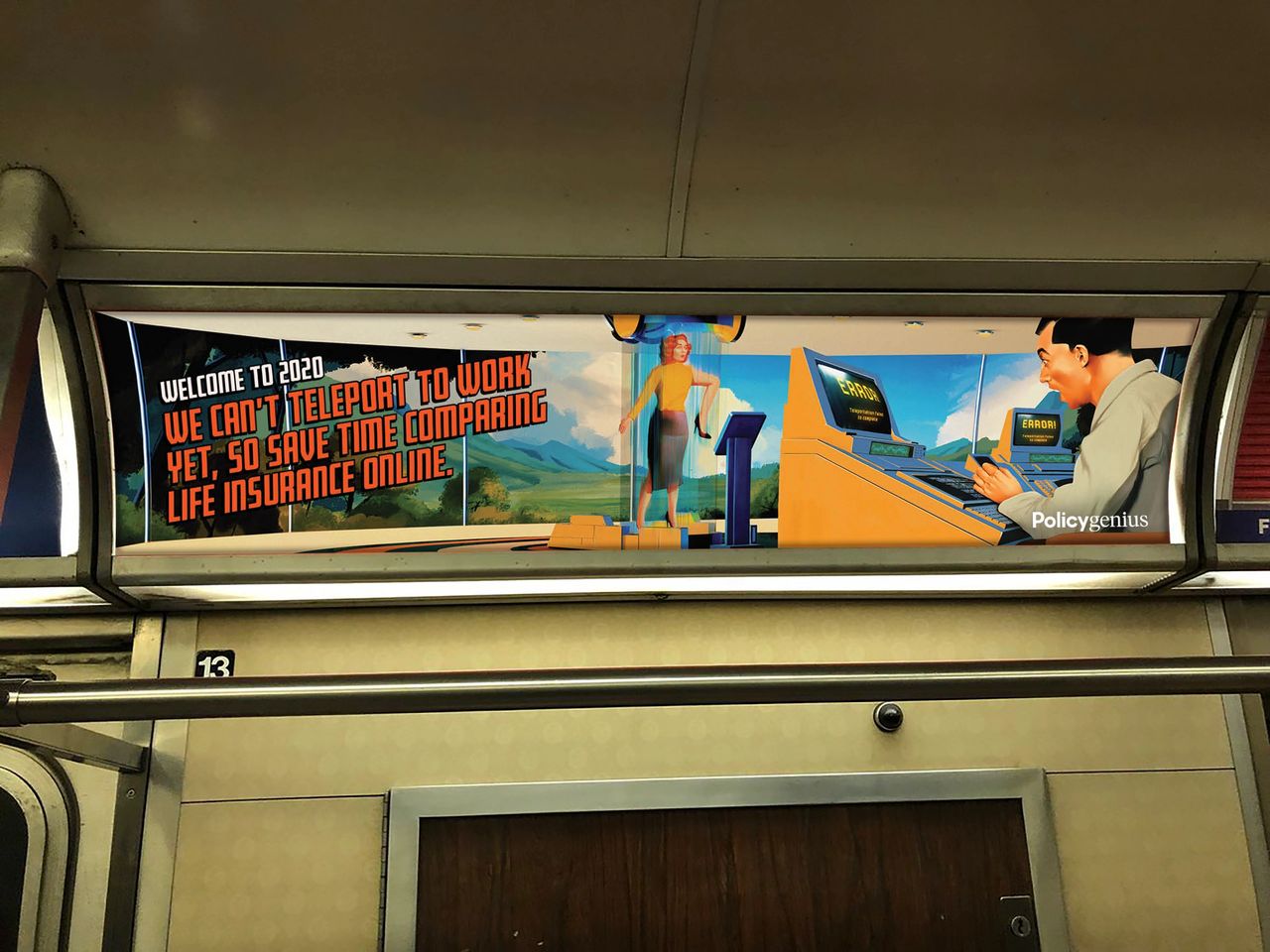
In the realm of insurance advertising, storytelling has emerged as a powerful tool to engage consumers.
The future of insurance advertising is marked by personalization and targeting. By leveraging data analytics and customer insights, insurers can create tailored advertisements that resonate with individual policyholders. This shift from generic messaging to personalized campaigns not only increases engagement but also improves the overall customer experience.
Artificial intelligence (AI) and chatbots are revolutionizing insurance advertising by providing instant, efficient, and personalized assistance to customers. AI-powered algorithms analyze customer behavior and preferences to deliver targeted ads at the right time through various channels. Chatbots, on the other hand, offer real-time support, answering queries instantly while guiding potential customers towards making informed decisions.
Interactive and immersive experiences are transforming insurance advertising into captivating journeys for consumers. Augmented reality (AR) technology allows users to visualize coverage options in their own environments or experience virtual walkthroughs of policy benefits. This interactive approach not only grabs attention but also helps customers understand complex information in a more engaging manner.
Overall, as insurance advertising evolves, it embraces personalization through targeted campaigns fueled by data analytics. The integration of artificial intelligence enhances customer interactions with prompt responses and customized recommendations. Moreover, interactive experiences utilizing augmented reality captivate audiences while simplifying complex concepts related to insurance policies
Insurance advertising has undergone a significant transformation in recent years, thanks to the power of personalization and targeting. By leveraging data and analytics, insurers can now create tailored advertisements that resonate with individual consumers. This targeted approach not only increases engagement but also improves conversion rates, ultimately driving revenue growth for insurance companies.
In addition to personalization, artificial intelligence (AI) and chatbots have become essential tools in insurance advertising. AI-powered algorithms analyze customer data to provide relevant recommendations and automate personalized interactions. Chatbots offer instant support and assistance to potential customers, enhancing their experience while streamlining the sales process.
Overall, the evolution of insurance advertising has embraced interactive and immersive experiences for consumers. From virtual reality tours of policy coverage scenarios to gamified quizzes that educate about different types of coverage options; these experiences captivate audiences while educating them about insurance products.
The remainder of this blog post will explore how these trends are reshaping the way insurers advertise their services and engage with customers in an increasingly digital world. Stay tuned!
Artificial Intelligence (AI) and chatbots have revolutionized the insurance industry by providing personalized and efficient customer service. With AI-powered chatbots, insurers can offer round-the-clock assistance, answer FAQs, and even provide policy recommendations. This advanced technology not only enhances customer satisfaction but also improves operational efficiency for insurance companies. By leveraging the power of AI and chatbots, insurers can deliver a seamless experience to their customers while streamlining their own processes.
Interactive and Immersive Experiences are revolutionizing insurance advertising. With the advancements in technology, insurers can now engage their customers through virtual reality (VR) and augmented reality (AR) experiences. These interactive platforms allow users to experience firsthand the benefits of different insurance products, creating a more engaging and memorable advertising experience. By immersing potential customers in a virtual world where they can see how insurance coverage works in real-life scenarios, insurers are able to effectively communicate the value of their policies while building trust with consumers.
Telegram: @americanguerillamarketing
Sign up to get blog posts here