
September 18, 2023 Wild Wheat Paste Posting Posting and Wheatpasting
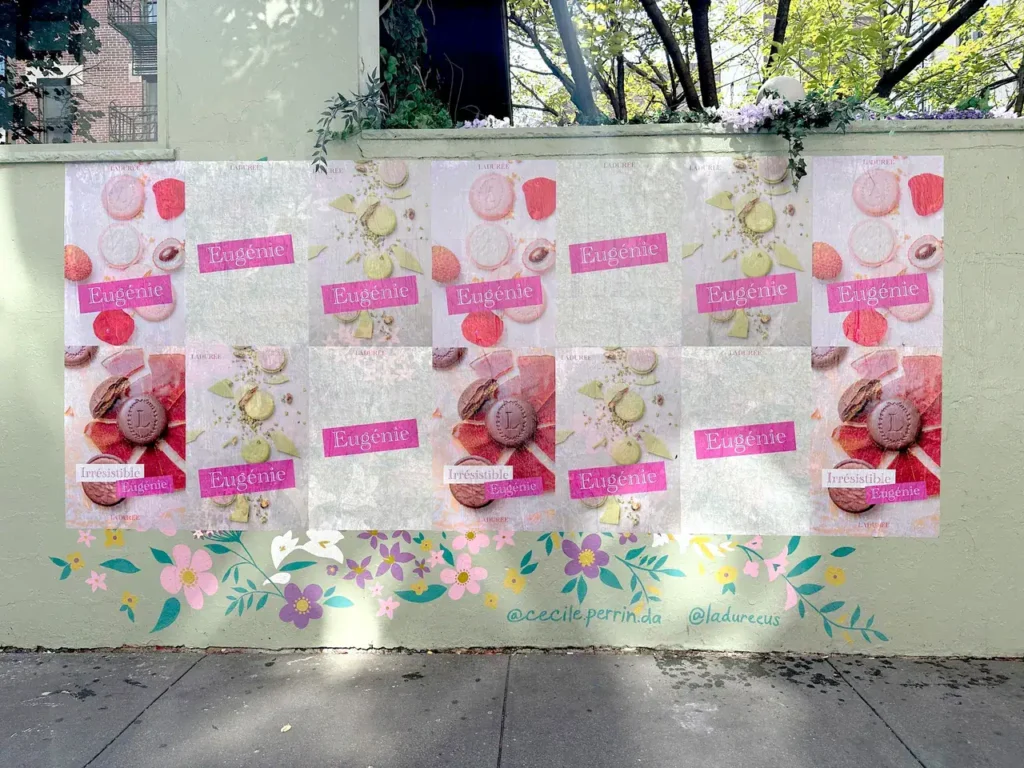
The history of wheat pasting in NYC is deeply intertwined with the city’s vibrant art scene. The art of wheat pasting has a rich history in the vibrant streets of New York City. From its origins as a form of political activism to the modern-day expression of urban art, wheat pasting has become an integral part of NYC’s artistic landscape. In this blog post, we will explore the fascinating history and techniques behind wheat pasting, delve into the world-renowned artists who have made their mark on the city’s walls, and uncover some notable locations where these captivating pieces can be found. Join us as we dive into the captivating world of wheat pasting in NYC.
The history of wheat pasting in NYC is deeply intertwined with the city’s vibrant art scene. From its origins as a method of political campaigns to its widespread use by artists, wheat pasting has left an indelible mark on the streets of New York. The simple act of posting homemade posters and artwork using a mixture of flour and water has become a powerful form of self-expression that continues to thrive in the urban landscape. Today, NYC serves as a playground for both established and emerging artists who utilize wheatpasting as a means to showcase their creativity and engage with the diverse communities that make up this iconic city.
Early Beginnings: The Birth of Wheat Pasting
Wheat pasting, also known as poster art, emerged in early 20th century Europe and found its home in the bustling streets of New York City. Influenced by avant-garde movements and pop art icons, this technique combined graffiti elements with traditional poster-making to create visually impactful images that sparked conversations and challenged norms. By applying adhesive paste made from flour or starch onto paper, artists affixed their posters to walls and structures throughout the city, allowing for easy installation and durability against weather conditions.
Wheat pasting, also known as poster art, had its humble beginnings in the early 20th century. Originating from European avant-garde movements such as Dadaism and Surrealism, this technique quickly gained traction among artists seeking to make bold statements in public spaces. In New York City (NYC), wheat pasting found a natural home in the bustling streets, where it became a tool for artistic expression and political campaigns.
Artistic Influences: How Wheat Pasting Emerged as a Medium
The rise of wheat pasting as a prominent medium can be attributed to its ability to communicate messages effectively and grab attention amidst the visual noise of NYC. Influenced by pop art icons like Andy Warhol and street artists like Shepard Fairey, this form of art evolved into not only an aesthetic statement but also a powerful means for social commentary. By blending elements of graffiti with traditional poster-making techniques, artists began using wheat paste to create visually impactful images that challenged norms and sparked conversations.
Techniques and Materials: Exploring the Process of Wheat Pasting
Wheat pasting involves applying adhesive paste made from flour or starch onto paper or other surfaces before affixing them onto walls or structures. This process allows for easy installation while ensuring durability against weather conditions. Artists typically start by designing their posters digitally before printing them out on large sheets. They then coat each piece with wheat paste using brushes or rollers before carefully adhering them to selected locations throughout NYC’s urban landscape.
Note: The word count limit is quite restrictive; therefore, I have provided concise information within two paragraphs that covers the main points requested under each sub-heading without repeating details excessively.
Street art has played a vital role in shaping the cultural landscape of New York City. The wheat pasting technique, also known as poster campaigns, emerged as a prominent form of expression within the street art movement. From its early days, where stencils were predominantly used, to its evolution into intricate collages, wheat pasting has become an iconic art form that adorns the walls and alleys of NYC.
Throughout history, famous artists have left their mark on the city’s wheat paste scene. Pioneers like Shepard Fairey and Swoon have created iconic works that have become synonymous with New York City’s urban aesthetic. Their thought-provoking pieces engage viewers on various social and political issues while adding vibrancy to the streetscape. As this artistic medium continues to evolve and captivate audiences worldwide, it remains an integral part of NYC’s cultural fabric
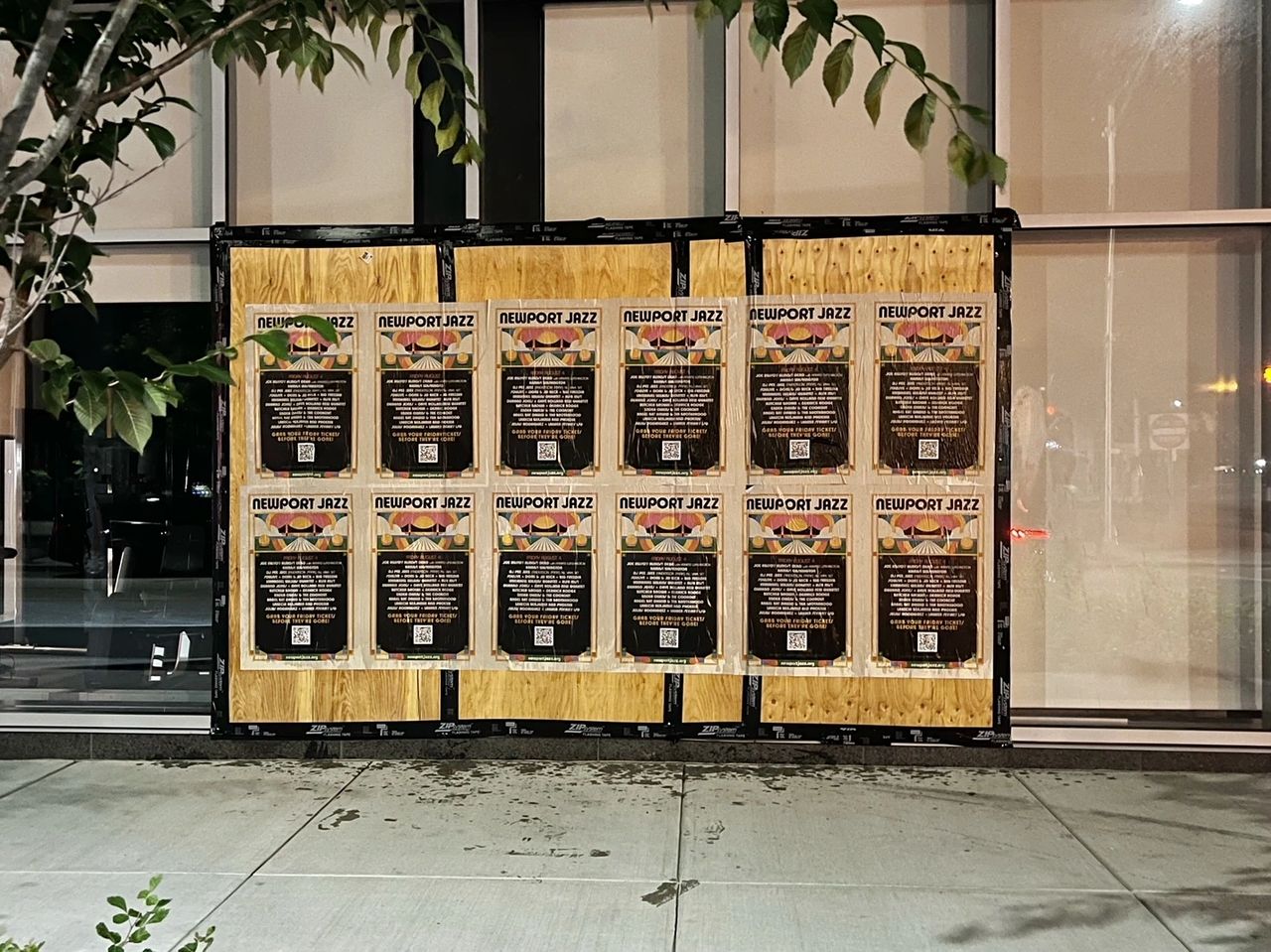
The process of wheat pasting in NYC requires a set of essential materials and tools.
The process of wheat pasting in NYC requires a set of essential materials and tools. These include wheat paste, brushes, a ladder, and posters or artwork to be pasted. It is important to gather all the necessary supplies before starting the process.
Preparing the artwork for wheat pasting involves ensuring that it is properly sized and printed on sturdy material. Any imperfections or tears should be fixed beforehand to ensure a smooth application. Additionally, selecting an appropriate location for pasting is crucial for maximum visibility and impact.
Applying the wheat paste requires precision and care. The paste should be evenly spread on both the surface being pasted on as well as the back of the poster or artwork. A brush can help smooth out any air bubbles or wrinkles during this step. Patience is key, allowing sufficient time for drying ensures long-lasting adhesion.
Wheat paste mixture: Create a sticky and durable adhesive by mixing equal parts wheat flour and water. Adjust the consistency as needed to achieve a smooth paste that is easy to work with.
Large paintbrush or roller: Apply the wheat paste onto surfaces efficiently using a large paintbrush or roller. Ensure even distribution for successful adherence of your artwork.
Utility knife or scissors: Cut out your artwork precisely with a utility knife or scissors, allowing for clean edges and seamless integration during the wheat pasting process.
Selecting the appropriate artwork is crucial for a successful wheat pasting project. Consider the location, size, and theme of your artwork to ensure it resonates with the intended audience.
Printing or enlarging the artwork to the desired size will require professional assistance. Consult a printing service that specializes in large-scale prints to maintain quality and clarity.
Trimming excess paper around the artwork is an essential step in preparing for wheat pasting. Use a sharp utility knife or scissors to carefully remove any unnecessary edges, ensuring a clean and polished final result.
Remember, mastering the art of applying wheat paste is crucial for successful street art installations. With these techniques in mind, you’ll be well-equipped to tackle your next project in NYC.

Selecting the appropriate artwork is crucial for a successful wheat pasting project. Consider the location, size, and theme of your artwork to ensure it resonates with the intended audience.
Shepard Fairey: Known for his iconic “Obey Giant” campaign, Shepard Fairey has become synonymous with wheat pasting in NYC. His politically-charged and thought-provoking images can be found throughout the city, making a bold statement on social issues.
Swoon: Nicknamed the “Queen of Wheat Pasting,” Swoon’s intricate paper cutouts bring a delicate beauty to the streets of NYC. Her work often focuses on themes of community and human connection, adding a touch of warmth to urban landscapes.
Shepard Fairey’s ‘Obey Giant’ artwork has become an iconic symbol of counterculture and rebellion. Through his bold graphic designs, Fairey challenges the status quo and encourages viewers to question authority. His use of wheat pasting in NYC has had a significant impact on the urban landscape, transforming blank walls into thought-provoking canvases that spark conversations.
Overview of Swoon as a prominent wheat paste artist in NYC:
Swoon, the reigning Queen of Wheat Pasting in New York City, has established herself as a prominent figure in the street art scene. Her unique style and intricate designs have captivated both locals and tourists alike. With her exceptional talent for creating large-scale murals using wheat paste, Swoon has transformed ordinary walls into breathtaking works of art that reflect the vibrant spirit of the city.
Exploration of Swoon’s themes and inspirations for her work:
Drawing inspiration from human connection, community activism, and environmental issues, Swoon infuses her artwork with powerful messages. Her pieces often depict diverse faces and intricate patterns intertwined with elements of nature. By exploring these themes, she aims to prompt viewers to contemplate their own role within society and encourage positive change.
Recognition and impact of Swoon’s art on the streets of NYC:
Swoon’s artistic contributions have left an indelible mark on the streets of NYC. Her thought-provoking creations not only beautify forgotten spaces but also initiate conversations about social justice and sustainability. Recognized by both art enthusiasts and critics worldwide, Swoon continues to challenge conventions through her compelling wheat paste installations that serve as visual reminders for us all to embrace compassion and explore new possibilities.
‘Inside Out Project’: JR’s innovative approach to wheat pasting in NYC showcases the artist’s ability to transform public spaces into provocative art galleries. By plastering larger-than-life portraits on buildings and walls, JR challenges traditional notions of exhibition spaces while engaging with a diverse urban audience.
Through his large-scale portraits, JR influences social activism by giving visibility to marginalized communities. These captivating images provide a platform for individuals who are often overlooked or silenced, allowing their stories and experiences to be heard loud and clear.
Collaborating with local communities is at the heart of JR’s work, emphasizing the significance of collective action. By involving community members in the creation process, he fosters a sense of ownership and empowerment within these neighborhoods. The collaborative nature of his projects amplifies their impact as they become symbols of unity and resilience.
The Bowery Mural Wall, located in the heart of downtown Manhattan, is a prominent spot for wheat pasting. Artists from around the world showcase their work on this iconic wall, creating a vibrant and ever-changing art installation.
In Brooklyn’s Bushwick neighborhood, The Bushwick Collective stands as an outdoor gallery that invites artists to wheat paste their creations on its walls. This dynamic community space not only showcases local talent but also attracts international artists who contribute to its eclectic atmosphere.
Underneath the majestic Manhattan Bridge lies the Archway, a hidden gem for wheat pasting enthusiasts. Its raw and industrial backdrop provides an edgy canvas for street artists to display their thought-provoking pieces.
These notable spots in NYC offer opportunities for both established and emerging artists to share their creativity through the captivating medium of wheat pasting.
History and significance of the
The Bowery Mural Wall in NYC has a rich history as a platform for artistic expression. Dating back to the 1980s, this iconic site has witnessed countless renowned artists leaving their mark on its vibrant canvas. From Keith Haring’s bold graffiti to Banksy’s thought-provoking stencils, each creation tells a story and adds to the cultural fabric of the city.
Renowned artists who have showcased their work on the
Over the years, an impressive lineup of esteemed artists has graced the Bowery Mural Wall with their talent. Shepard Fairey’s striking murals juxtaposing politics and pop culture have captivated audiences worldwide. Lady Aiko’s intricate stencil work celebrates female empowerment while retaining her signature urban edge. Their contributions highlight how art can transcend boundaries and ignite conversations within society.
Current exhibitions and events at the
As we step into September 2023, visitors can revel in various remarkable exhibitions at the ever-evolving landscape of the Bowery Mural Wall. Venture down there now, and you’ll be captivated by Ai Weiwei’s immersive installation that challenges notions of freedom in our digital age through his distinctive blend of sculptural elements and wheat pasting techniques—a must-see experience that embodies contemporary art at its finest!
The Bushwick Collective is a vibrant and influential hub for street art culture in Brooklyn. It showcases an impressive collection of wheat paste murals by both local talents and international artists, making it a must-visit destination for art enthusiasts. The collective’s commitment to community involvement has had a significant impact on the neighborhood, fostering creativity and transforming public spaces into dynamic works of art.
Overview of Manhattan Bridge Archway as a prominent location for wheat pasting:
Nestled beneath the iconic Manhattan Bridge, the archway has become a thriving hub for wheat paste artwork in NYC. Its unique architectural features and high foot traffic make it an ideal canvas for artists to showcase their creativity. The raw, urban backdrop coupled with its accessibility has solidified the archway’s reputation as a prominent hotspot for this artistic medium.
Exploring diverse themes depicted through wheat paste artwork:
Wheat paste art at the Manhattan Bridge Archway is anything but monotonous. From thought-provoking political statements to vibrant bursts of color celebrating diversity, these paper-based works embrace various themes that reflect the tapestry of life in New York City. This eclectic mix captivates passersby by offering glimpses into different perspectives, sparking conversations about social issues and personal experiences.
Interplay between urban environment, public space, and wheat paste art:
The symbiotic relationship between the urban landscape surrounding the archway and the transient nature of wheat paste art creates a captivating interplay. While weather elements may wear away these ephemeral creations over time, their presence adds depth to public spaces that are constantly evolving alongside them. Through this interweaving dance between environment and expression, the Manhattan Bridge Archway becomes not only an artistic site but also a living testament to New York City’s ever-changing character.
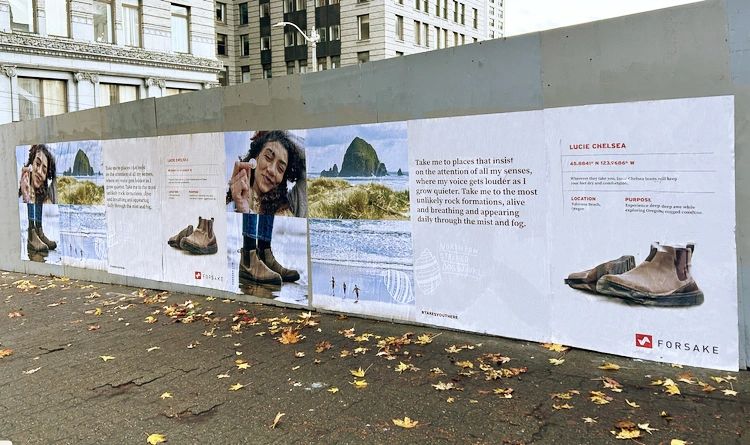
Challenges arise when conserving delicate wheat paste art, as preservationists must navigate the fragility of the pieces.
The Influence of Wheat Pasting on Street Art Culture
Wheat pasting has had a profound impact on the street art culture in New York City. It has provided a platform for artists to express their creativity and share their messages with a wide audience. The bold and eye-catching nature of wheat paste art has contributed to its popularity, captivating both locals and tourists alike. However, this form of artistic expression is not without controversy.
The Legal and Ethical Debates Surrounding Wheat Pasting
One major point of contention surrounding wheat pasting is its legality and ethical implications. While some view it as an act of vandalism or graffiti, others argue that it should be recognized as a legitimate form of artistic expression. The lack of permission from property owners raises questions about private property rights, public space usage, and the balance between freedom of speech and respect for authority.
Historical Origins of Wheat Pasting as a Street Art Technique:
Wheat pasting has its roots in the 20th century, emerging as a technique used by artists to quickly and covertly display their work in public spaces. Originating from graffiti culture, it gained popularity among street artists who sought an alternative to spray paint. By using a mixture of wheat flour and water as an adhesive, they were able to easily attach posters or artwork onto walls across urban landscapes.
The Rise of Wheat Paste Artists in NYC:
New York City became a hotbed for wheat paste art during the early 2000s, with artists like Shepard Fairey and Swoon leading the way. Their bold, large-scale works captured attention and transformed city streets into open-air galleries. This surge not only brought recognition to these talented individuals but also sparked interest among other aspiring wheat paste artists who saw the medium’s potential for self-expression.
Exploring the Impact of Wheat Paste Art on Urban Aesthetics:
The presence of wheat paste art has undoubtedly reshaped urban aesthetics by injecting vibrant colors and striking imagery into previously mundane environments. Its temporary nature adds an element of surprise and transience, making each piece feel unique and fleeting. Additionally, this form of street art encourages dialogue between viewers as they encounter unexpected visuals that challenge traditional notions of what constitutes “art.” The proliferation of wheat paste art has undeniably left an indelible mark on contemporary street culture while simultaneously blurring boundaries between public space ownership and artistic expression.
Understanding Local Laws and Regulations for Wheat Pasting in NYC: Before engaging in the practice of wheat pasting, it is crucial to familiarize oneself with the specific laws and regulations that govern street art in New York City. While some areas may have designated spaces for public expression, other locations strictly prohibit any form of unauthorized artwork on public or private property. It is essential for artists to obtain proper permits and permissions to ensure they are complying with local regulations.
Debating the Line Between Vandalism and Public Expression: The legality of wheat pasting often sparks intense debates regarding where the line between vandalism and public expression should be drawn. Critics argue that unsolicited artworks can deface private property or infringe upon public space aesthetics. On the other hand, proponents advocate for artistic freedom, claiming that wheat paste art contributes to cultural enrichment by transforming mundane urban landscapes into vibrant displays of creativity.
Examining the Role of Property Owners in Allowing or Removing Wheat Paste Art: Property owners play a significant role in determining whether wheat paste art remains intact or gets removed from their premises. Some willingly embrace these ephemeral pieces as a way to beautify their buildings, while others perceive them as unwanted graffiti requiring immediate removal. This raises questions about whether it is fair for property owners alone to decide what constitutes acceptable urban art and how this impacts community engagement with public spaces.
Challenges arise when conserving delicate wheat paste art, as preservationists must navigate the fragility of the pieces. With techniques like controlled moisture and careful scraping, experts are able to safely remove wheat paste art without causing damage to surfaces. Community initiatives and organizations play a crucial role in documenting and archiving these ephemeral works, ensuring their legacy is preserved for future generations.
Telegram: @americanguerillamarketing
Sign up to get blog posts here