
September 25, 2023 Wild Wheat Paste Posting Posting and Wheatpasting
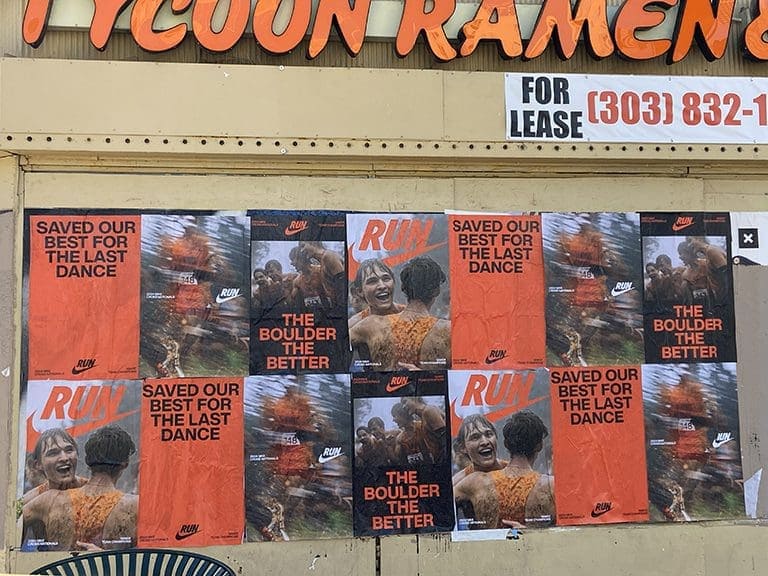
Welcome to our guide on the art of wheat paste! If you’re looking to create stunning collages that capture attention and inspire, this is the perfect technique for you. In this blog post, we’ll take you through everything you need to know about wheat paste – from understanding what it is and gathering the right materials, to preparing surfaces, creating beautiful collages, and adding those finishing touches. Get ready to explore a world of artistic possibilities with wheat paste!
Wheat paste is a simple adhesive made from flour and water. It has been used for centuries as a reliable medium for creating collages and street art. Mixing equal parts of flour and water creates a thick, sticky paste that can be applied to various surfaces, allowing artists to effortlessly adhere their artwork with ease.
Origins of wheat paste as an art medium can be traced back to ancient civilizations, where it was used as a cheap and readily available adhesive. Made from a mixture of flour and water, wheat paste’s simple composition has remained largely unchanged throughout history. In street art, wheat paste gained popularity in the 20th century as artists recognized its versatility and ability to adhere to various surfaces with ease.
Versatility is one of the key advantages of using wheat paste in collage making. Made from a simple mixture of flour and water, it can be easily adjusted to achieve different levels of thickness and consistency, allowing for precise application on various materials.
When compared to other adhesives, wheat paste offers several distinct advantages. Firstly, it is non-toxic and environmentally friendly since its main ingredients are readily available and biodegradable. Secondly, it has excellent adhesion properties that ensure long-lasting bonding without damaging the artwork or substrate.
Artworks created with wheat paste have a remarkable longevity and durability. Due to its composition, once dry, the paste forms a strong bond that resists moisture damage over time. This makes it an ideal choice for preserving collages as well as ensuring their aesthetic appeal remains intact for years to come.
To create stunning collages using wheat paste, you’ll need a few key materials and tools. Firstly, gather the following materials: newspapers or magazines for collage images, water-based wheat paste adhesive (available at art supply stores), a container for mixing the paste, a brush for applying the adhesive, and a clean surface to work on. Additionally, make sure to have scissors or an X-acto knife for cutting out your desired images with precision.
Next, let’s discuss the tools required for applying wheat paste. A flat brush with fine bristles will provide smooth application of the adhesive onto your chosen surface. Make sure it is wide enough to cover larger areas efficiently but also allows for detailed work in tighter spaces. Remember to keep a damp cloth nearby to wipe away excess adhesive as you go along. With these essential materials and tools at hand, you’re ready to dive into the art of creating stunning collages with wheat paste!
Water is the essential ingredient when it comes to making a wheat paste. It serves as the base and helps create a smooth consistency for easy application.
Choosing ahigh-quality flour is crucial for achieving the best results in your wheat paste recipe. Opting for a flour with good gluten content ensures that your paste will have optimal strength and durability once dry.
Adding just a small amount of sugar to your wheat paste not only enhances its adhesion properties but also prevents mold growth, ensuring that your collages stay vibrant and long-lasting.
Brushes are essential tools for applying wheat paste. To cover larger surfaces, it is recommended to use a wide brush for smooth and even application. For intricate details, opt for a smaller brush that allows precision in spreading the paste.
A bowl or container is necessary to mix and store the wheat paste mixture. Having a dedicated vessel ensures easy access and prevents the mixture from drying out during the application process.
To achieve an even spread of wheat paste on surfaces, a spatula or palette knife can be highly beneficial. These tools help in distributing the paste smoothly and evenly, resulting in a professional finish to your collages.
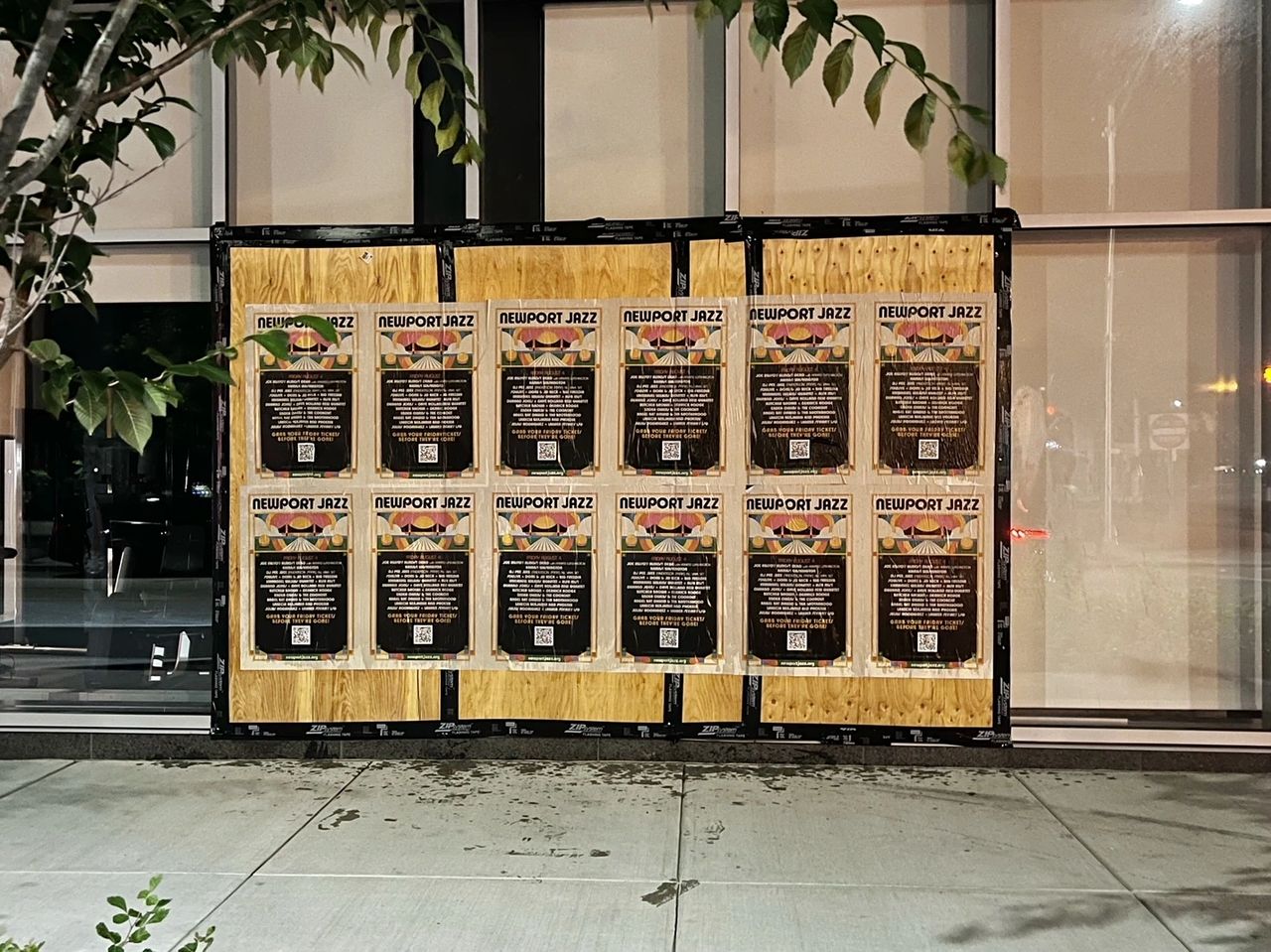
Cleaning and preparing the surface is a crucial step in creating stunning collages with wheat paste. Start by removing any dirt, dust, or debris from the surface using a soft brush or cloth. Next, ensure that the surface is completely dry before applying the wheat paste. This will help to prevent any bubbling or unevenness in your collage.
Consider the texture of the surface. A smooth and even surface is ideal for applying wheat paste, as it allows for better adhesion and a seamless finish. Avoid rough or textured surfaces, as they can cause bumps and wrinkles in your collage.
Evaluate the durability of the surface. Choose a surface that can withstand the application process without warping or tearing. Look for materials that are sturdy and strong, such as heavy cardstock or canvas, to ensure that your collage will last.
Ensure that the surface is clean and dry before applying wheat paste. Any dirt or moisture on the surface can interfere with proper adhesion and result in an uneven finish. Wipe down the surface with a damp cloth to remove any debris, then allow it to fully dry before proceeding with your collage project.
Remove any dirt or debris from the surface using a soft brush or cloth. Smooth out imperfections by sanding down rough areas with fine-grit sandpaper. Applying a primer will enhance adhesion and ensure a smooth surface for your wheat paste collage.
Creating stunning collages is all about selecting the right images and materials. When choosing images, look for a mix of colors, textures, and subjects to create visual interest. Experiment with different materials such as photographs, magazine cutouts, and fabric to add depth and variety to your collage.
Planning the layout of your collage is essential for achieving a visually pleasing result. Consider the placement of each image before applying the wheat paste. Play around with different arrangements until you find one that balances composition and aesthetic appeal.
Applying the wheat paste requires precision and care. Start by evenly spreading a thin layer of paste onto your chosen surface using a brush or sponge applicator. Press each image firmly onto the surface, smoothing out any air bubbles or wrinkles as you go along.
By following these steps in creating stunning collages – choosing captivating images/materials – planning an appealing layout – skillfully applying wheat paste -, you can bring your artistic vision to life with breathtaking results!
Selecting high-quality images is crucial to creating a visually stunning collage. Look for images with sharp details, vibrant colors, and appropriate resolution. Explore different image sources such as stock photo websites, art galleries, or even your own photographs to find unique and inspiring visuals that align with your vision.
When choosing images for your collage, it’s important to consider the theme or concept you want to convey. Think about the message you want the collage to communicate and select images that reflect this idea. Whether it’s nature-inspired landscapes or abstract shapes and patterns, ensure that each image contributes cohesively to the overall aesthetic of your artwork.
Sketching out a rough layout is the first step in planning a collage. This allows you to visualize how different images will fit together and experiment with various arrangements. Next, focus on balancing colors, shapes, and sizes of the images to create visual harmony. Take time to play around with different combinations until you achieve an arrangement that feels cohesive and aesthetically pleasing.
Preparing the wheat paste mixture is essential for a successful collage. Mix equal parts of flour and water in a bowl until a smooth consistency is achieved. Use a brush or roller to apply the paste evenly onto the surface, ensuring complete coverage. Press down on images firmly to ensure secure adhesion, smoothing out any wrinkles or air bubbles that may form.
Layering and texture are crucial elements in creating visually captivating collages with wheat paste. Experiment with different materials such as torn paper, fabric scraps, or even natural elements like leaves and flowers to add depth and dimension to your artwork. Consider varying the size and placement of each layer for a more dynamic composition.
To elevate your wheat paste collages, focus on adding intricate details and highlights that draw the viewer’s eye. Use fine brushes or markers to create delicate patterns or emphasize specific areas of interest. Applying metallic paint or glitter can also bring a touch of sparkle and elegance to your artwork, making it truly stand out.
Choosing the right images is crucial when creating layered and textured collages. Look for images with contrasting colors, patterns, and sizes to add depth and visual interest to your composition.
Applying wheat paste evenly is essential for achieving a smooth and professional-looking collage. Use a brush or sponge to spread the paste in thin, even layers across your chosen papers. This will ensure that each layer adheres properly and creates seamless transitions between different elements of your artwork.
Experimenting with different papers can elevate the texture of your collage. Try using various types such as handmade paper, tissue paper, or textured cardstock to bring dimensionality to your composition. The variety in textures will add richness and complexity to the overall aesthetic of your artwork without overwhelming it.
By carefully selecting images, applying wheat paste flawlessly, and experimenting with different papers you can create captivating collages that showcase an exquisite layering technique while adding depth through texture.
Using acrylic paint is an effective way to add highlights to your wheat paste collage, bringing depth and dimension to your artwork. By strategically applying small touches of paint in lighter tones, you can draw attention to specific areas or elements within the composition.
Incorporating mixed media elements into your wheat paste collage can further enhance its visual appeal. Consider incorporating materials such as fabric scraps, magazine cutouts, or even textured papers for added texture and interest.
To create a sense of depth in your wheat paste collage, utilize shading techniques. Play with different shades of colors by layering them gradually from dark to light or using cross-hatching methods. This technique will give the illusion of three-dimensionality and make certain aspects of your artwork pop off the surface.
Remember that adding details and highlights through acrylic paint, incorporating mixed media elements, and enhancing depth with shading techniques are crucial steps in creating visually captivating wheat paste collages that command attention. These techniques will elevate the overall impact of your artwork and leave viewers in awe.

When it comes to sealing and protecting your collage, there are a few options to consider.
Once your wheat paste collage is complete, it’s essential to seal and protect it. Applying a clear coat of varnish or acrylic medium will not only enhance the colors but also provide a protective layer against dust and moisture. Allow ample drying time before handling or displaying the artwork.
To truly showcase your wheat paste collage, carefully consider how you want to display and frame it. Choose a frame that complements the style and dimensions of your artwork while protecting it from potential damage. Consider using archival materials such as acid-free matting and UV-protective glass for long-lasting preservation. Experiment with different placement options to find the perfect spot where your stunning collage can be admired by all who see it.
When it comes to sealing and protecting your collage, there are a few options to consider. Applying a clear acrylic sealer is a popular choice as it creates a protective barrier over the artwork, guarding against moisture and UV damage. Another method is using a protective varnish, which not only adds an extra layer of protection but also enhances the overall appearance of the collage. Additionally, covering the collage with a layer of Mod Podge can offer both sealing and adhesive properties, ensuring that all elements stay securely in place for years to come.
Whether you choose to apply a clear acrylic sealer, use a protective varnish or cover with Mod Podge, these techniques will help safeguard your collage from potential damage while preserving its visual appeal. By taking these steps in sealing and protecting your artwork meticulously, you can ensure that your stunning collages continue to captivate viewers for generations to come.
When it comes to displaying your wheat paste collage, there are a few key considerations to keep in mind. Firstly, decide whether you want to showcase your artwork in a frame or through mounting. This choice will largely depend on the style and aesthetic you’re aiming for.
If you opt for framing, using matting can add depth and enhance the overall presentation of your collage. Experiment with different colors and textures to find the perfect combination that complements your artwork.
Lastly, consider the hanging techniques based on the surface where you plan to display your collage. Whether it’s brick walls, plasterboard, or glass panels, utilizing appropriate tools such as hooks, nails or adhesive strips will ensure secure installation without damaging any surfaces.
By carefully selecting a suitable display option and incorporating thoughtful framing choices while applying appropriate hanging techniques for various surfaces, you’ll be able to showcase your stunning wheat paste collage with confidence and grace.
Discover the works of famous wheat paste artists, whose ingenious creations have left an indelible mark on the art world. From Swoon’s intricate portraits that breathe life into forgotten walls to JR’s powerful social commentaries that challenge societal norms, these visionaries push the boundaries of wheat paste collage art.
Immerse yourself in the world of notable wheat paste installations, where ephemeral pieces transform urban landscapes into captivating galleries. Witness how Ernest Zacharevic seamlessly blends his murals with physical objects to create whimsical scenes that blur reality and imagination. And don’t miss Shepard Fairey’s iconic “Hope” poster, a symbol of optimism plastered across cities worldwide.
Note: These paragraphs can be modified or expanded based on specific information about famous wheat paste artists and notable installations discovered during research for the blog post.
Shepard Fairey, renowned for his iconic “Hope” poster during the 2008 U.S. presidential campaign, is a celebrated wheat paste artist. His politically-charged artworks often feature bold colors and striking imagery that captivate viewers.
Swoon’s wheat paste installations are delicate yet powerful, evoking emotions through intricate details and layered narratives. Her work explores themes of humanity, social inequality, and personal stories that resonate deeply with audiences.
Banksy’s thought-provoking stenciled creations have garnered international acclaim in the realm of street art. With clever wit and subversive messages, Banksy challenges societal norms while leaving an indelible mark on urban landscapes worldwide.
JR’s Inside Out Project:
Invader’s Space Invaders mosaic series:
Poster Boy’s subway art installations:
In summary, wheat paste serves as a versatile and captivating artistic medium. Its adhesive properties make it an ideal choice for creating collage artworks with various materials. By experimenting with different textures, colors, and compositions, artists can push the boundaries of creativity and achieve stunning results. Embrace the potential of wheat paste collages to bring your vision to life and explore endless possibilities in the realm of mixed media art.
Telegram: @americanguerillamarketing
Sign up to get blog posts here