
August 14, 2023 Bar and Restaurant Advertising
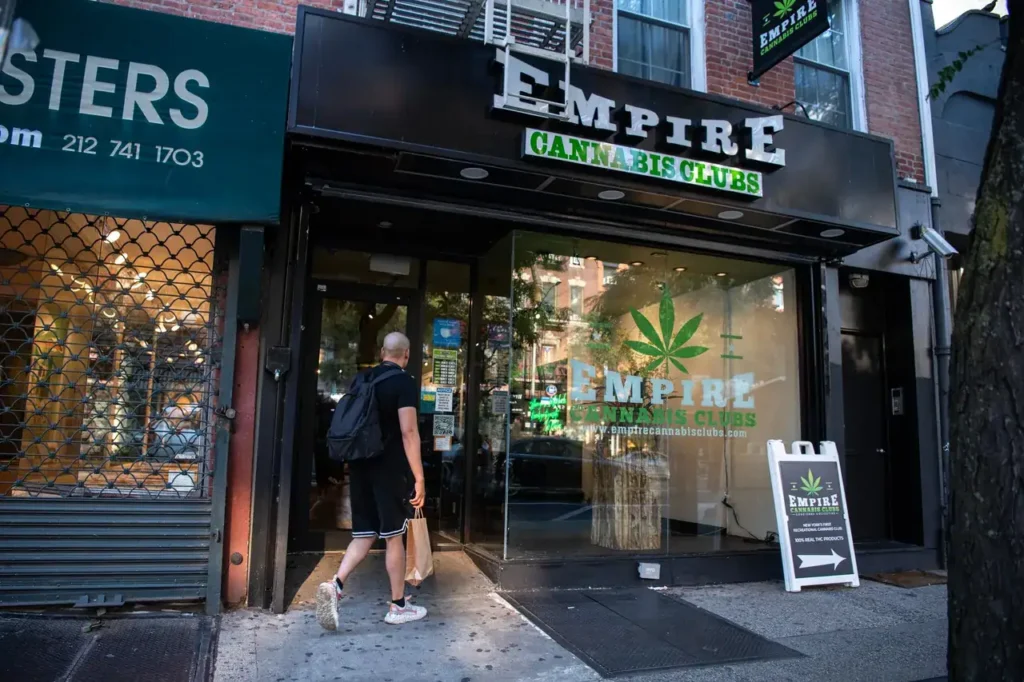
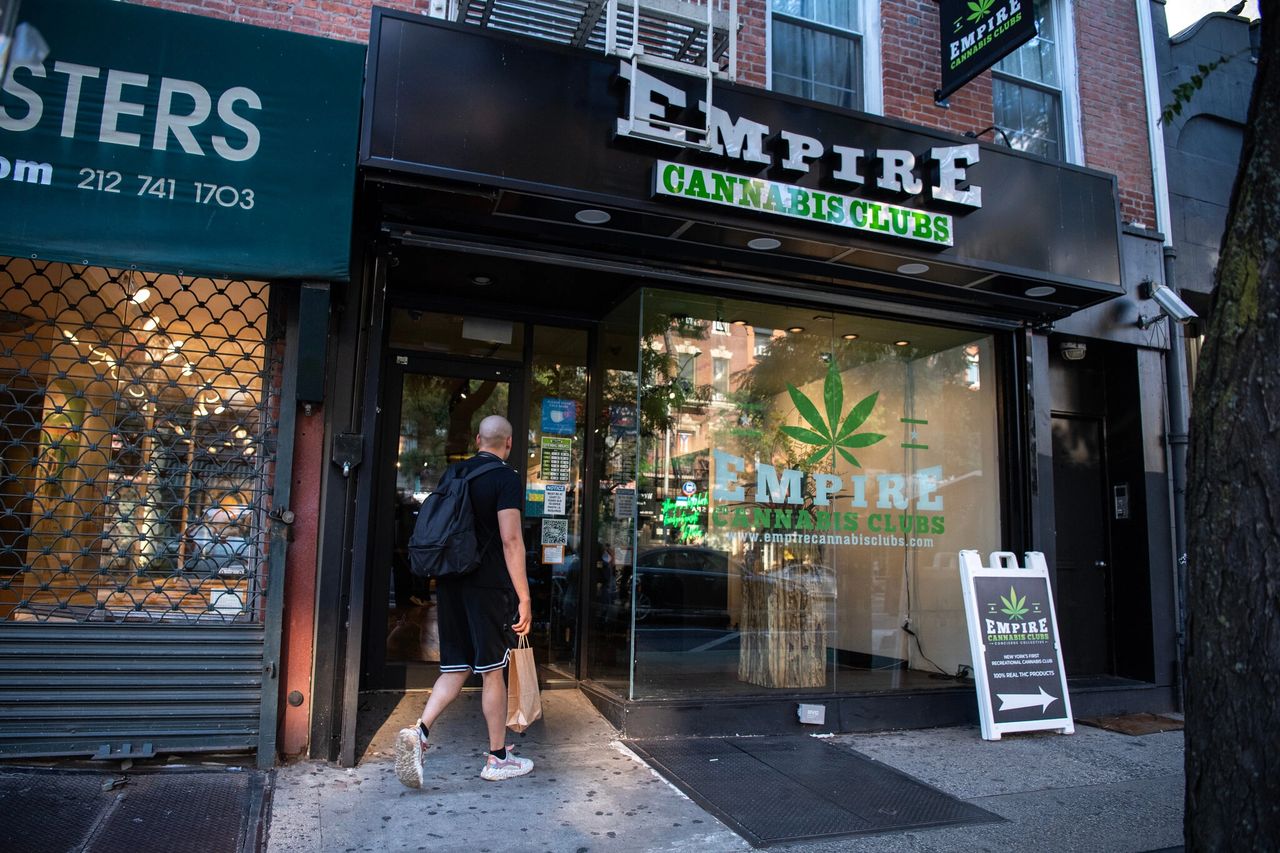
The New York Office of Cannabis Management (OCM) is responsible for establishing and enforcing the regulatory framework for cannabis businesses in the state. If you are going to market or advertise cannabis in NYC you got to know the rules for compliant advertising of cannabis in New York City get in contract with our marketing agency. Welcome to our blog post on navigating the New York Office of Cannabis Management. As the cannabis industry continues to grow and evolve, it’s essential for businesses to stay informed about the regulations, licensing process, taxation, social equity programs, and future outlook in New York. In this post, we will provide you with a comprehensive overview of what you need to know as a cannabis business operating in New York. Let’s dive right in!
Contact us for Compliant Advertising Opportunities
The New York Office of Cannabis Management (OCM) is a regulatory body responsible for overseeing the cannabis industry in New York. As part of its duties, the OCM ensures compliance with state laws and regulations, issues licenses to cannabis businesses, and enforces quality control standards. The office plays a crucial role in promoting transparency and accountability within the industry while ensuring public safety.
The New York Office of Cannabis Management plays a crucial role in promoting transparency and accountability within the cannabis industry, ensuring compliance with state laws and regulations.
Businesses operating in the cannabis sector need to be familiar with the OCM’s guidelines and requirements to navigate successfully through this highly regulated market. From licensing procedures to product testing protocols, understanding the expectations set by the office is essential for compliance and long-term success in New York’s burgeoning cannabis industry.
The New York Office of Cannabis Management (OCM) plays a vital role in the regulation and oversight of the cannabis industry in the state. Established with the aim of ensuring safe, responsible, and equitable practices, this office serves as a central authority for licensing, enforcement, and policy development. With its rich history rooted in legislative efforts to decriminalize cannabis use and promote social equity, the OCM has had a significant impact on shaping the future of New York’s cannabis industry.
Overview:
History:
Impact:
The New York Office of Cannabis Management (OCM) is responsible for establishing and enforcing the regulatory framework for cannabis businesses in the state. This includes developing licensing procedures and requirements that ensure compliance with legal standards. The OCM is dedicated to taking swift enforcement measures against any illegal activities related to cannabis, ensuring a safe and transparent industry for all stakeholders involved.
To successfully navigate the New York Office of Cannabis Management, businesses must familiarize themselves with the regulatory framework established by the office. Adhering to licensing procedures and meeting all requirements is crucial for operating legally within the cannabis industry. It’s important to note that strict enforcement measures will be taken against any illegal activities, underscoring both consumer safety and adherence to state laws.
Businesses operating in the cannabis sector need to be familiar with the OCM’s guidelines and requirements to navigate successfully through this highly regulated market.
Contact us for compliant Advertising Opportunities
1. The New York Office of Cannabis Management (OCM) offers various types of licenses to businesses looking to enter the cannabis industry, including cultivation, processing, distribution, retail, and microbusiness licenses. Each license has its own specific requirements and regulations that must be met.
2. To apply for a license with the OCM, businesses must complete a comprehensive application process that includes submitting detailed business plans, financial records, security protocols, and background checks for all owners and key personnel. It is crucial to ensure that all application requirements are met accurately and in a timely manner to increase the chances of approval.
1. A Grower/Cultivator License allows businesses to cultivate and grow cannabis plants for commercial purposes. This license is necessary for those looking to enter the cultivation industry.
2. A Processor/Manufacturer License permits businesses to process and manufacture cannabis products, such as edibles, oils, or concentrates. With this license, companies can transform raw materials into marketable goods.
3. A Distributor/Wholesaler License authorizes businesses to distribute and sell cannabis products wholesale in New York State. This license is crucial for those seeking to play a role in the distribution chain of the cannabis industry.
These licenses offer distinct opportunities within the growing landscape of legalized marijuana in New York State.
Comprehensive Application Form: To successfully apply for a license with the New York Office of Cannabis Management, businesses must complete a comprehensive application form. This form requires detailed information about the organization’s structure, operations, and proposed business plans. It is crucial to provide accurate and thorough responses to ensure a smooth application process.
Proof of Financial Stability: Alongside the application form, proof of financial stability is required by the New York Office of Cannabis Management. This includes submitting financial statements, tax returns, and evidence of sufficient funding to support your cannabis business venture. Demonstrating strong financial stability is essential in gaining approval for your license.
Security Plan Submission: As part of the application requirements with the New York Office of Cannabis Management, businesses are expected to submit a security plan outlining measures taken to protect their premises and products from theft or unauthorized access. The plan should cover aspects such as surveillance systems, alarm systems, secure storage facilities, access control procedures, and employee background checks.
Application Submission Deadline:
License Approval Timeline:
‘Go Live’ Date for Cannabis Businesses:
Contact us for Compliant Advertising Opportunities
Regulatory compliance is crucial for businesses operating in the New York cannabis industry. The newly established New York Office of Cannabis Management (OCM) has implemented key guidelines that must be adhered to. These include licensing requirements, product testing and labeling standards, and restrictions on marketing and advertising practices.
Businesses in the New York cannabis industry have a responsibility to fulfill their compliance and reporting obligations. This includes submitting accurate financial reports, maintaining proper record-keeping systems, and ensuring transparency in business operations. Failure to meet these obligations can result in penalties or even the revocation of licenses.
Inspections and audits by the OCM are an integral part of regulatory oversight. Businesses can expect regular inspections to ensure compliance with licensing conditions, safety protocols, quality control measures, and inventory management practices. It is important for businesses to maintain thorough documentation records to demonstrate their commitment to regulatory compliance during these inspections.
Licensing requirements and application process:
Advertising restrictions and guidelines:
Product packaging and labeling regulations:
Record-keeping is a crucial aspect of compliance with the New York Office of Cannabis Management. Businesses must maintain detailed records for all financial transactions, ensuring transparency and accountability. Additionally, strict testing and quality control standards are required for cannabis products to guarantee consumer safety and product integrity. Reporting obligations extend to sales, inventory, and taxes, requiring businesses to provide accurate and timely information in order to meet regulatory requirements.
Frequency of inspections by the Office of Cannabis Management:
The Office of Cannabis Management (OCM) in New York conducts regular inspections to ensure compliance with cannabis regulations. These inspections are conducted at varying frequencies, depending on factors such as the size and type of business. It is important for businesses to be prepared for these inspections and maintain consistent adherence to regulatory guidelines.
“Seed-to-sale” tracking system audits to ensure compliance:
In addition to regular inspections, the OCM also conducts audits of the “seed-to-sale” tracking system used by cannabis businesses. These audits are aimed at ensuring accurate record-keeping and compliance throughout the supply chain. Businesses must have robust systems in place that effectively track every stage of production, from cultivation to sale.
Penalties for violations discovered during inspections or audits:
If violations are discovered during inspections or audits, penalties can be imposed by the OCM. The severity of these penalties depends on factors such as the nature and extent of non-compliance. It is crucial for businesses to proactively address any issues identified during these processes to avoid potential penalties that could harm their operations.

Financial reporting and record-keeping requirements are another important consideration for cannabis businesses.
Contact us for Compliant Advertising Opportunities
When it comes to taxation, cannabis businesses in New York must navigate a unique structure. They are subject to both state and federal taxes, including sales tax, excise tax, and income tax. Understanding these obligations is crucial for businesses looking to thrive in the industry.
Financial reporting and record-keeping requirements are another important consideration for cannabis businesses. The New York Office of Cannabis Management requires accurate and detailed financial records to ensure compliance with regulations. Businesses must maintain thorough documentation of transactions, expenses, payroll records, inventory management, and more.
Navigating the complex taxation structure and meeting stringent financial reporting requirements are essential steps for success in the New York cannabis market. By staying informed about these considerations, businesses can ensure they remain compliant while maximizing their profitability.
Tax rates and categories in the taxation structure for cannabis businesses vary depending on the type of operation. Cultivators, manufacturers, distributors, and retailers each have their own designated tax rates to ensure fairness within the industry.
Businesses operating within the cannabis industry may be eligible for deductions and exemptions such as research and development costs or expenses related to employee training. However, it is crucial for these businesses to keep meticulous records and comply with all tax laws to take advantage of these benefits without facing penalties or audits.
Types of financial reports required by the New York Office of Cannabis Management include income statements, balance sheets, and cash flow statements. These reports provide a comprehensive overview of a business’s financial performance and position.
Businesses are required to submit their financial reports within specific timelines set by the New York Office of Cannabis Management. Timely submission ensures compliance and helps regulators monitor businesses’ financial activities effectively.
Record-keeping obligations for cannabis businesses in New York are stringent. Businesses must maintain accurate records of all transactions, including sales receipts, invoices, bank statements, and tax filings. These records serve as crucial evidence during audits or investigations conducted by regulatory authorities.
Contact us for Compliant Advertising Opportunities
Social equity programs implemented by the New York Office of Cannabis Management aim to address historical injustices and promote fairness within the cannabis industry. These initiatives provide opportunities for individuals from disproportionately impacted communities to participate in the legal cannabis market, fostering economic growth and social equality.
Social equity applicants can benefit from various incentives such as reduced license fees, access to technical assistance programs, and priority consideration during licensing processes. Additionally, these programs offer training and mentoring opportunities that empower aspiring entrepreneurs to thrive in the competitive cannabis industry while leveling out historical disparities.
Definition and purpose of social equity programs: Social equity programs are initiatives aimed at addressing historical disparities and promoting fairness in the cannabis industry. These programs are designed to provide opportunities for individuals who have been disproportionately affected by the war on drugs, including communities of color and those with prior cannabis-related convictions.
Criteria for qualifying as a social equity applicant: To qualify as a social equity applicant, individuals must meet certain criteria established by the New York Office of Cannabis Management (OCM). This may include residency requirements, income thresholds, or having been arrested or convicted for marijuana-related offenses. By prioritizing these applicants, social equity programs aim to ensure that those most impacted by prohibition have access to economic opportunities.
Importance of promoting diversity in the cannabis industry: Promoting diversity is crucial in the cannabis industry not only from an ethical standpoint but also because it fosters innovation and economic growth. By embracing diverse perspectives and experiences, businesses can better serve a wider range of consumers while cultivating an inclusive environment that values equality and representation. Ultimately, increasing diversity within the industry will lead to more equitable outcomes for all stakeholders involved.
Access to low-interest loans and grants provide a significant advantage for social equity applicants in the cannabis industry. These financial resources allow them to overcome barriers to entry and establish their businesses on solid ground. Additionally, priority licensing opportunities give these applicants a head start, ensuring they have a fair chance at obtaining the necessary licenses for operation. Alongside this, technical assistance and training programs equip social equity applicants with valuable knowledge and skills, helping them navigate the complexities of the industry with confidence.
Contact us for Compliant Advertising Opportunities
With the establishment of the New York Office of Cannabis Management, businesses operating in the cannabis industry can expect a number of significant developments. One emerging market trend is the increasing demand for CBD-based products, driven by their potential health benefits and growing acceptance among consumers. Additionally, as more states legalize recreational cannabis use, there will be an expected expansion and growth in both production facilities and retail establishments.
Another key trend to watch out for is the integration of technology into various aspects of cannabis operations. From seed-to-sale tracking systems to automated cultivation processes, innovations in technology are set to streamline operations and improve efficiency across the industry. However, it is important for businesses to be aware that with growth comes potential challenges and risks such as increased competition, regulatory complexities, and evolving consumer preferences. Adapting to these changes will be crucial for success in this dynamic marketplace.
The emerging market trends in the cannabis industry are driven by several factors. Firstly, there is a significant increase in consumer demand for various cannabis products, ranging from medicinal to recreational use. Additionally, there has been a growing acceptance and legalization of cannabis across the country, leading to new opportunities for businesses operating in this sector. However, it is important to note that navigating through this industry can be challenging due to rapidly evolving regulations and policies surrounding the cultivation, distribution, and sale of cannabis products.
Anticipated rise in new business opportunities within the cannabis sector: As more states continue to legalize recreational use of cannabis, the industry is poised for significant growth and expansion. This presents a plethora of new business opportunities for entrepreneurs and investors looking to capitalize on this emerging market trend.
Projected increase in job creation and economic growth: With the anticipated expansion of the cannabis industry, there will be a surge in job creation across various sectors. From cultivation facilities to retail dispensaries, jobs ranging from entry-level positions to highly specialized roles will be created, leading to increased economic growth at both local and national levels.
Expanding market share as more states legalize recreational use: As additional states join the wave of legalizing recreational cannabis use, businesses operating within this sector are expected to experience an expanding market share. This shift allows companies that have established themselves early on to solidify their presence while attracting new customers who were previously unable or unwilling to engage with the product legally.
Navigating the New York Office of Cannabis Management can present several challenges and risks for businesses in the industry. The complex licensing process necessitates meticulous documentation and adherence to compliance measures, which can be time-consuming and resource-intensive. Furthermore, as the industry continues to grow, increased competition may lead to market saturation, making it more difficult for businesses to differentiate themselves. Additionally, uncertain federal regulations regarding interstate commerce pose a risk that could impact businesses operating across state lines.
However, despite these challenges and risks, with careful planning and keeping abreast of regulatory changes, businesses can position themselves for success in this emerging market.

The New York Office of Cannabis Management (OCM) has implemented a comprehensive set of regulations to govern the cannabis industry in the state.
The New York Office of Cannabis Management (OCM) has implemented a comprehensive set of regulations to govern the cannabis industry in the state. These regulations cover various aspects of cannabis cultivation, manufacturing, distribution, and sales, ensuring compliance with state laws and promoting public health and safety.
1. Licensing: The OCM is responsible for issuing licenses to individuals and entities seeking to engage in cannabis-related activities. The regulations outline the requirements and procedures for obtaining licenses, including background checks, financial disclosures, and compliance with local zoning laws.
2. Cultivation and Processing: The OCM has established guidelines for the cultivation, processing, and manufacturing of cannabis products. These regulations cover areas such as facility requirements, security measures, quality control, and product testing to ensure consumer safety and product consistency.
3. Packaging and Labeling: Specific rules are in place to regulate the packaging and labeling of cannabis products. The regulations require clear and accurate information, including product potency, ingredients, health warnings, and disclaimers. Child-resistant packaging is also mandated to prevent accidental consumption.
4. Advertising and Marketing: The OCM has set strict guidelines for advertising and marketing cannabis products to prevent misleading and deceptive practices. The regulations prohibit targeting youth, false health claims, and advertising in certain locations, such as schools or public transportation.
5. Sales and Distribution: The regulations outline the requirements for cannabis sales and distribution, including age verification, inventory tracking, and record-keeping. Licensed retailers must also comply with restrictions on hours of operation and sales to individuals, such as limits on quantity and potency.
6. Social Equity: The OCM has incorporated social equity provisions in its regulations to promote diversity and inclusion within the cannabis industry. These provisions aim to provide opportunities for individuals from communities disproportionately affected by cannabis prohibition, including minority and low-income communities.
7. Enforcement and Compliance: The OCM is responsible for enforcing the regulations and ensuring compliance within the cannabis industry. The regulations outline penalties for violations, including fines, license suspension, or revocation.
It is crucial for businesses in the cannabis industry to understand and comply with these regulations to operate legally and avoid penalties. By staying informed about regulatory changes and continuously updating their practices, businesses can maintain compliance and build a strong reputation in the market.
In conclusion, the New York Office of Cannabis Management has implemented comprehensive regulations to govern the cannabis industry in the state. These regulations cover licensing, cultivation and processing, packaging and labeling, advertising and marketing, sales and distribution, social equity, and enforcement and compliance. Businesses must familiarize themselves with these regulations and ensure ongoing compliance to succeed in the emerging cannabis market in New York.
If you are interested in applying for a cannabis business license in New York, there are several steps you need to follow to ensure a successful application process. Here is a step-by-step guide on how to apply for a cannabis business license in New York:
1. Research the Licensing Requirements: Before beginning the application process, it is crucial to conduct thorough research on the licensing requirements set by the state of New York. This includes understanding the types of licenses available, the eligibility criteria, and any specific regulations and restrictions that may apply.
2. Prepare a Business Plan: A well-prepared business plan is essential when applying for a cannabis business license. It should outline your proposed business model, marketing strategies, financial projections, and compliance measures. Make sure to include details such as the type of cannabis business you intend to operate, your target market, and how you plan to differentiate yourself from competitors.
3. Find a Suitable Location: New York has specific requirements regarding the location of cannabis businesses. Ensure that your proposed location is compliant with zoning regulations and is not in close proximity to schools, parks, or other places where minors gather. Additionally, consider the accessibility, security, and infrastructure of the location.
4. Establish a Legal Entity: Register your cannabis business as a legal entity with the New York Department of State. This can be done by forming a corporation, limited liability company (LLC), or other appropriate legal structures. Make sure to comply with all legal and tax requirements associated with your chosen entity.
5. Secure Financing: Starting a cannabis business can require significant capital investment. Develop a comprehensive financial plan that includes start-up costs, operational expenses, and a strategy for securing funding. Explore options such as loans, investors, or partnerships to finance your venture.
6. Gather Required Documents: The application process for a cannabis business license in New York typically requires various documents to demonstrate your qualifications and compliance with regulations. These may include personal and financial background checks, proof of residency, tax records, lease agreements, security plans, and more. Ensure that you have all the necessary documentation ready before proceeding with the application.
7. Submit the Application: Once all the necessary preparations have been made, submit your application to the appropriate regulatory agency in New York. Make sure to double-check that all required documents are included and that the application is completed accurately and truthfully. Pay close attention to any deadlines or additional requirements specified by the agency.
8. Await Review and Approval: After submitting your application, it will undergo a review process by the regulatory agency. This may involve a thorough examination of your business plan, financials, security measures, and compliance with regulations. Be prepared for a waiting period as this process can take time. It is essential to maintain open communication with the agency and promptly respond to any requests for additional information or clarification.
9. Maintain Compliance: Once your cannabis business license is approved, it is crucial to continue adhering to all regulations and requirements set by the state of New York. This includes ongoing compliance with licensing and permitting, security protocols, taxation, and any other applicable laws and regulations. Regularly review and update your business practices to ensure continued compliance and avoid any penalties or threats to your license.
10. Build a Professional Network: Networking is vital in the cannabis industry. Connect with other industry professionals, trade organizations, and advocacy groups to stay informed about industry trends, best practices, and potential business opportunities. Attend conferences, seminars, and events to expand your network and learn from experts in the field.
11. Develop Effective Marketing Strategies: Marketing is essential for the success of any business, including cannabis businesses. However, it is crucial to navigate the regulations and restrictions specific to the industry. Familiarize yourself with advertising guidelines, packaging requirements, and limitations on promotions and endorsements. Create a comprehensive marketing plan that targets your desired audience while remaining compliant with the law.
12. Stay Informed and Adapt: The cannabis industry is continuously evolving, with new regulations, market trends, and consumer preferences emerging regularly. Stay up-to-date with industry news and changes to adapt your business strategies accordingly. Continuously evaluate and refine your operations to remain competitive and compliant in the ever-changing landscape of the cannabis industry.
Starting a cannabis business in New York requires careful planning, attention to detail, and a thorough understanding of the legal framework and regulations. By following these steps and seeking professional guidance when needed, you can navigate the process more effectively and increase your chances of success in the cannabis industry. Good luck on your journey to building a successful cannabis business in New York.
New York recently legalized the use of recreational cannabis, opening up new opportunities for entrepreneurs and investors in the cannabis industry. However, obtaining a cannabis business license in New York requires adhering to certain requirements set by the state. This blog post will outline the key prerequisites for applicants seeking a cannabis business license in New York.
1. Eligibility:
– Applicants must be at least 21 years old.
– Individuals with certain criminal convictions may be disqualified from obtaining a license, especially those related to drug offenses or violent crimes.
2. Financial Requirements:
– Applicants must demonstrate sufficient financial stability to successfully operate a cannabis business. This includes providing proof of adequate funds or access to capital to cover startup costs, operational expenses, and potential liabilities.
– Applicants may need to submit a comprehensive business plan outlining their financial projections, market analysis, and operational strategies.
3. Good Moral Character:
– Applicants are expected to have a good moral character and exhibit integrity in their personal and professional lives.
– Background checks will be conducted to ensure that applicants have no history of illegal drug activity or financial misconduct.
– Prior involvement in the cannabis industry, either legally or illegally, will be taken into consideration.
4. Residency Requirements:
– Applicants must establish that they are residents of New York State or have a legal entity registered in the state.
– Proof of residency, such as a driver’s license or utility bills, may be required.
5. Compliance with Local Laws and Regulations:
-Applicants must demonstrate their understanding and compliance with local laws and regulations regarding the operation of a cannabis business.
– This may include obtaining permits and licenses from local municipalities, zoning compliance, and adherence to specific regulations regarding security, packaging, labeling, and testing of cannabis products.
– It is important for applicants to research and understand the specific requirements of the local jurisdictions in which they plan to operate.
6. Social Equity Considerations:
– New York has implemented social equity provisions in its cannabis legalization laws to address the historical disparities in the enforcement of drug laws.
– Applicants who qualify as social equity applicants may be given priority in the licensing process.
– Social equity applicants are individuals who have been disproportionately impacted by the criminalization of cannabis, including those from communities disproportionately affected by cannabis-related arrests and convictions.
– These applicants may be eligible for various benefits, such as reduced licensing fees, technical assistance, and access to capital.
7. Application Process:
– The application process for a cannabis business license in New York involves multiple steps, including submitting an initial application, undergoing a background check, and providing detailed information about the proposed business.
– The New York State Cannabis Control Board, along with other regulatory agencies, will review and evaluate applications based on the outlined requirements.
– It is crucial for applicants to carefully complete all application forms and provide accurate and detailed information to increase their chances of success.
8. Additional Considerations:
– It is recommended for applicants to seek professional guidance from attorneys or consultants with expertise in cannabis law and regulations.
– These professionals can provide valuable insights and assistance throughout the application process, ensuring compliance with all legal requirements and maximizing the chances of obtaining a license.
– Additionally, applicants should be prepared for a competitive process, as there may be a limited number of licenses available and a high number of applicants.
– It is important for applicants to differentiate themselves by showcasing their qualifications, experience, and commitment to compliance and social equity.
– Developing a comprehensive business plan that addresses all aspects of the proposed cannabis business, including financial projections, operational strategies, and marketing plans, is also crucial for a successful application.
– Finally, applicants should stay updated on any changes or updates to the cannabis laws and regulations in New York, as they may impact the application process and requirements.
In conclusion, applying for a cannabis business license in New York requires careful consideration and adherence to various requirements. By understanding and complying with local laws and regulations, demonstrating social equity qualifications, and seeking professional guidance, applicants can increase their chances of success in this highly competitive industry.
New York recently legalized the use of recreational cannabis, opening up new opportunities for entrepreneurs and investors in the cannabis industry.
As the cannabis industry continues to grow and evolve, regulatory bodies play a crucial role in ensuring compliance and maintaining standards. In New York, the Office of Cannabis Management (OCM) is responsible for overseeing the state’s cannabis program. Violations of cannabis regulations can have significant consequences, including penalties imposed by the OCM. In this blog post, we will explore the penalties that can be levied for violating cannabis regulations in New York.
1. Administrative Fines:
The OCM has the authority to impose administrative fines for violations of cannabis regulations. These fines serve as monetary penalties and are intended to deter non-compliance and promote adherence to the rules. The amount of the fine may vary depending on the severity and nature of the violation.
2. License Suspension or Revocation:
Serious violations of cannabis regulations may result in the suspension or revocation of a license. The OCM may temporarily suspend a license for a specified period, during which the licensee is prohibited from engaging in any cannabis-related activities. In more severe cases, the OCM may decide to permanently revoke the license, effectively barring the licensee from participating in the industry.
3. Compliance Plan:
In some instances, the OCM may require violators to develop and implement a compliance plan. This plan outlines the corrective measures and actions the violator must take to address the violation and prevent future non-compliance. The OCM closely monitors the implementation of the compliance plan to ensure that the necessary steps are being taken to rectify the violation.
4. Criminal Charges:
In addition to administrative penalties, violations of cannabis regulations can also lead to criminal charges. Depending on the nature and severity of the violation, individuals may face fines, probation, or even imprisonment. It is important to note that criminal charges can have long-lasting consequences, including damage to one’s reputation and potential barriers to future employment opportunities.
Conclusion:
Compliance with cannabis regulations is essential for businesses and individuals operating in the industry. The New York Office of Cannabis Management has the authority to impose penalties for violations, ranging from administrative fines to license suspension or revocation and even criminal charges. By understanding and adhering to the regulations, seeking professional guidance, and implementing a strong compliance plan, applicants can reduce the risk of violations and increase their chances of success in this highly regulated industry.
In recent years, there has been a significant shift in the legal landscape surrounding cannabis. As an increasing number of states in the US legalize the use of cannabis for medical and/or recreational purposes, it is crucial to understand the policies regarding the sale of cannabis to minors in each jurisdiction. This blog post aims to shed light on the policies governing the sale of cannabis to minors in New York, providing readers with a comprehensive understanding of the laws in place.
Overview of Cannabis Legalization in New York:
New York has taken steps towards the legalization of cannabis, with the enactment of the Marijuana Regulation and Taxation Act (MRTA) on March 31, 2021. Under the MRTA, cannabis is legalized for adults aged 21 and older, allowing for recreational use, retail sales, and cultivation of limited amounts of cannabis plants for personal use.
Policies Regarding the Sale of Cannabis to Minors:
While the MRTA legalizes cannabis for adults, it strictly prohibits the sale of cannabis products to individuals under the age of 21. The policies regarding the sale of cannabis to minors in New York are designed to protect the health and well-being of young individuals and prevent the potential negative consequences associated with early cannabis use.
1. Age Verification:
Retail establishments that sell cannabis products in New York are required to implement robust age verification mechanisms to ensure compliance with the minimum age requirement. This includes verifying the age of customers through government-issued identification, such as a driver’s license or passport. It is crucial for retailers to train their staff on how to properly check IDs and refuse sales to individuals who are underage.
2. Strict Penalties:
New York imposes strict penalties for violations of the policies regarding the sale of cannabis to minors. Retailers found guilty of selling cannabis products to individuals under the age of 21 may face administrative fines, license suspension or revocation, and even criminal charges. These penalties emphasize the seriousness of selling cannabis to minors and serve as a deterrent for non-compliance.
3. Compliance Checks:
To ensure compliance with the policies, regulatory authorities in New York conduct regular compliance checks on retail establishments. These checks involve undercover operatives attempting to purchase cannabis products while underage. Retailers found to be non-compliant can face severe consequences, including the revocation of their license to operate.
4. Mandatory Training:
In addition to age verification measures, retailers are encouraged to provide mandatory training for their staff. This training should focus on educating employees about the importance of complying with the policies and the potential consequences of selling cannabis to minors. By equipping their staff with the necessary knowledge and skills, retailers can minimize the risk of violations and ensure a culture of compliance within their establishments.
Conclusion:
The sale of cannabis to minors is strictly prohibited in New York, despite the legalization of cannabis for adults. It is essential for retailers to understand and adhere to the policies governing the sale of cannabis to minors to avoid penalties and potential criminal charges. By implementing robust age verification mechanisms, training staff on proper ID checks, and conducting regular compliance checks, retailers can ensure compliance and minimize the risk of selling cannabis products to minors. Mandatory training for employees can further reinforce the importance of adhering to the policies and help create a culture of compliance within retail establishments. As the cannabis industry continues to evolve, it is crucial for retailers to prioritize the responsible sale of cannabis and protect the well-being of minors.
Telegram: @americanguerillamarketing
Sign up to get blog posts here