
January 12, 2026 Wild Wheat Paste Posting Posting and Wheatpasting
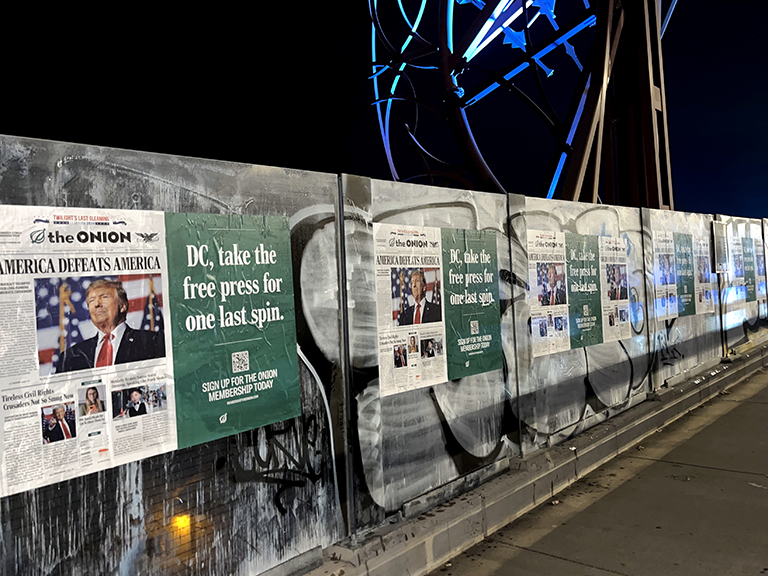
Wheat paste posting looks simple from a distance: paper, paste, wall, done. Up close, it is a materials problem that rewards people who pay attention. The same poster that sits crisp for weeks on one surface can slide, bubble, or peel overnight on another. Most of that difference comes down to what your adhesive is made of, how thick you mix it, and how the wall drinks water.
Teams who do wild posting for real campaigns learn this fast. American Guerrilla Marketing approaches wheatpasting like a repeatable craft, not a one-off stunt. Paste ratio control, the right wheatpaste adhesive base, and a quick read of surface absorption are what keep paste-up posters looking intentional instead of improvised.
Wheatpaste holds because it gets wet enough to flow into tiny pores and paper fibers, then it dries into a firm film that grips both sides. That grip is not magic and it is not permanent. It is a balance between three forces: how well the paste wets the wall, how quickly water leaves the paste, and how much solid material is left behind to form a bond.
That is why weather can flip results so quickly. Heat makes water leave faster, which can be great, unless the paste “skins” before the poster is pressed flat. Cold slows drying so much that gravity and wind get more time to work on your edges. Humidity can quietly re-soften dried paste, which is why a poster can look fine at night and then start lifting after a damp morning.
A professional mindset starts with a simple rule: the wall and the air are part of your adhesive system.
A basic wheatpasting kit is not complicated, but the materials you choose change how forgiving your day will be.
Most teams start with flour and water, and that is still the workhorse setup for street marketing materials. Flour-based paste tends to grab quickly because of the natural proteins in wheat. Starch-only mixes can feel smoother and more flexible, but often do not “bite” as hard at the start, which matters when you are trying to lock down corners on a breezy night.
Your poster stock matters too. Thin paper drinks paste and wrinkles easily, which can be useful on rough walls if you know how to manage it, but it punishes heavy-handed application. Heavier stock resists wrinkling but can fight you on textured surfaces because it bridges over low spots instead of sinking in.
After you have made a few batches, you notice the small choices that separate amateurs from professionals:
None of these are exotic. The difference is using them with intent, and adjusting when conditions shift.
“Thick enough” is not a number, it is a feel you learn. Still, it helps to start from a dependable baseline.
A common street-ready starting point is about 1 part flour to 4 parts water by volume, cooked until it turns from cloudy to glossy and holds to the brush instead of dripping like soup. Many crews aim for something close to heavy cream: it spreads fast, wets the wall, and still leaves enough solids behind to cure into a tough film.
American Guerrilla Marketing treats that baseline as a starting dial, not a recipe carved in stone. The same mix behaves differently in Phoenix heat than it does on a foggy coastal wall. Paste ratio control is basically deciding whether you need more open time, more grab, or faster set, and then mixing toward that goal.
Here is a practical way to think about seasonal adjustments without getting lost in lab talk.
| Condition you are working in | What tends to happen | Mix adjustment that usually helps | Why it works |
|---|---|---|---|
| Hot, dry afternoon | Paste flashes dry while you are still positioning | Slightly thinner paste (a bit more water) and work in smaller sections | Better wetting and less “skin” forming too early |
| Cold night near freezing | Paste stays wet, edges drift or sag | Slightly thicker paste (more flour) and keep paste warm in transit | More body, less run, quicker early hold |
| Humid or misty weather | Paste dries slow and can re-soften | Thicker paste plus tighter edge sealing | More solids to hold even if moisture returns |
| Very porous brick or block | Wall steals water fast, bond looks weak | Thicker paste and a quick pre-coat on the wall | You leave a film on the surface instead of losing it inside the wall |
| Smooth painted concrete | Paste can slide if it is too thick | Slightly thinner paste, focus on full coverage | Thin paste wets smooth surfaces more completely |
Ratios are not only about strength. They control working time. In heat you might want a mix that stays brushable long enough to place cleanly. In cold you might accept less working time if it means the poster stops drifting.
Additives are not mandatory, but they can rescue a campaign when the forecast or wall type is working against you. They also carry tradeoffs, so “more” is rarely the right answer.
A small amount of sugar can make wet paste feel tackier, which helps when you need immediate grab. Salt and a splash of vinegar are common for slowing spoilage in the bucket. Alum is a classic strength and thickness booster, though it should be used with restraint. Some professional wheatpasting crews also blend in a small amount of wallpaper paste or clear PVA for weather-safe wheatpaste when long exposure is expected, though that shifts you away from a purely flour-and-water system.
The easiest way to think about these options is by what problem you are trying to solve:
Good poster adhesion techniques use additives like seasoning. They should support good mixing and good application, not replace them.
Two walls can look similar from across the street and behave nothing alike at brush range. Surface absorption is the quiet variable behind most outdoor poster bonding failures.
Brick and block are thirsty and uneven. They pull water out of paste fast, then leave you with dry spots and weak contact at the high points. A thicker paste and a quick pre-coat often works better than trying to drown the poster in one pass. Pressing into mortar lines matters, because those seams become tear lines once weather hits.
Smooth painted concrete is often the best-case wall for professional wheatpasting. You can get full contact and crisp edges, but only if the surface is clean. Dust acts like a release layer. Oils from hands, traffic grime, or old residue can make a poster look perfect for an hour, then peel in sheets.
Metal is a different game. It does not absorb, so your paste has to cling by surface contact alone. Temperature swings can also make metal expand and contract, stressing the bond. If you do not clean it thoroughly, you are usually bonding to dirt, not to the wall.
Wood is forgiving because it has texture and absorption, but wet wood can sabotage you. If the surface is damp, it can swell and move as it dries, which can shear a bond that looked strong at install time.
Professionals distinguish themselves by reading these surfaces quickly. Wild posting rewards speed, but it punishes rushing surface prep.
People often look for a “waterproof” wheatpaste adhesive. Pure flour or starch paste is water-sensitive by nature. What you can build is weather-resilient behavior: faster initial set, better edge sealing, and fewer weak spots where water can creep in.
Real-world examples help:
In high heat, a paste that is too thick can dry on the outside before the paper has settled. You will see bubbles that cannot be pressed out, or edges that never truly bond. Many crews adjust by thinning slightly and working in smaller panels, pasting the wall, placing the sheet, then top-coating immediately so the paper and wall “meet” before the paste tightens.
In cold weather, the opposite happens. Paste stays wet and mobile. A common adjustment is a thicker mix plus warm storage, along with a bit of salt for freeze resistance. The goal is not to make paste immune to cold. It is to keep it usable long enough to set.
In wet seasons, the critical move is edge discipline. A poster that is perfectly bonded in the middle can still fail if corners are starved of paste or not pressed tight. Moisture attacks edges first, then wind finishes the job.
Material knowledge shows up in these small decisions. Amateurs blame the paste. Professionals adjust the system.
Repeatable results come from a short checklist, done the same way each night. It does not need fancy tools. It needs attention.
This is where professional wheatpasting looks different. The work is not louder or messier. It is calmer, cleaner, and more consistent, because the crew is responding to materials, weather, and surfaces instead of fighting them.
The most reliable wild posting campaigns are built by people who respect how physical the medium is. Paste ratio control is not only about strength. It is about placement speed, finish quality, and how the posters will look after the first rain and the first temperature swing.
Once you can predict how wheatpasting materials behave, you can choose walls with confidence, plan around weather windows, and deliver paste-up posters that hold like they were meant to be there. That is the line American Guerrilla Marketing draws between a quick paste session and professional wheatpasting: the materials are not background details. They are the foundation.
For a customized strategy tailored to your next event, reach out directly at [email protected].