
January 12, 2026 Wild Wheat Paste Posting Posting and Wheatpasting
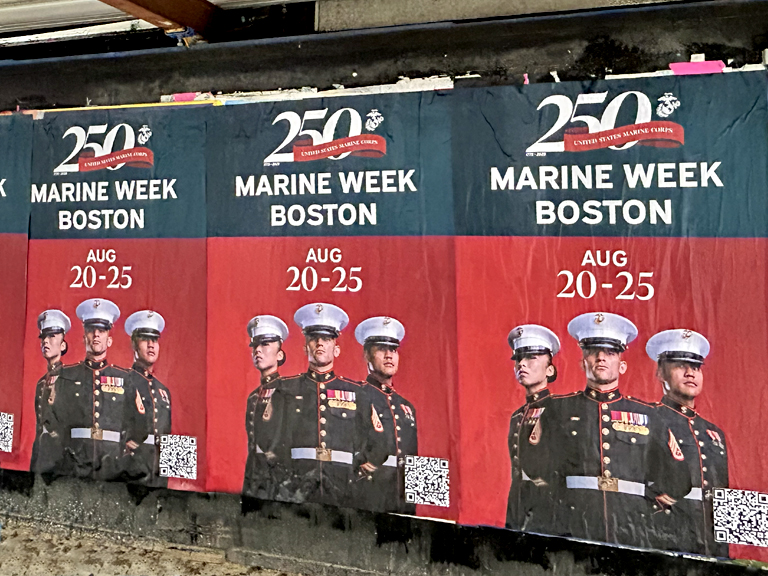
Fall has a way of tightening the calendar. Streets stay busy, people are back in routines, and brands feel the pressure to land a message before winter changes everything. Wheatpasting thrives in that tension. Done well, it feels immediate and unavoidable, like the city itself is carrying the campaign forward.
Wheat Paste Posting in the fall is not a casual weekend activity. It is a disciplined sprint where momentum matters, timing matters, and the margin for error gets smaller every week you wait.
Early fall brings a rare mix: strong foot traffic, reliable commuter patterns, and weather that still allows posters to cure properly on the wall. By mid to late fall, that mix starts to break apart. Rain becomes more frequent, temperatures dip at night, and daylight shrinks fast. That combination shortens the lifespan of sloppy installs and rewards crews who plan with intention.
Fall also brings a specific kind of receptiveness. People are moving between home, work, campus, gyms, nightlife, and shopping corridors with purpose. That steady movement creates repeat exposure, which is the real engine behind effective Wheat Paste Posting advertising. The same corner hits the same audience day after day, and the message starts to feel familiar in a way that digital impressions rarely achieve.
Brands also have real deadlines in fall. Product drops, tour announcements, seasonal menus, film openings, campus recruiting, retail promotions, and holiday lead-up all stack into a compressed window. The wall becomes a countdown clock.
American Guerrilla Marketing treats fall wheatpasting as a period where scheduling is not just logistics, it is creative control. If the crew hits a wall too late in the day, the paste may not set before temperatures drop. If they install right before two days of rain, the campaign loses time and money. If they spread coverage too thin, the city never feels the repetition that makes wheatpasting work.
A fall plan typically starts with a tighter install calendar and a stronger weather buffer than summer. Think in sequences, not single dates. Crews plan routes with alternates, prioritize walls that can survive wet conditions, and stage materials so they can move quickly when a clear forecast appears.
Here’s a practical way to think about fall variables and what a pro crew does about them:
| Fall constraint | What it breaks | What experienced crews do instead |
|---|---|---|
| Shorter daylight | Slower installs, missed locations | Build tighter routes, start earlier, reduce dead travel time |
| Cooler temps | Weak curing, edge lift | Adjust paste thickness, time installs for warmer parts of day |
| More rain | Paper swelling, wash off, bubbling | Watch 24 to 48 hour forecasts, favor protected walls, carry repair stock |
| Stronger winds | Corner peel, tearing | Overlap edges, press longer, pick less exposed surfaces |
| Heavier street clutter | Visual competition | Cluster placements and repeat key walls for dominance |
That table reads simple. Living it takes discipline. Fall rewards crews that move with urgency without rushing the craft.
A common mistake is treating Wheat Paste Posting marketing like a single “blast.” In fall, that approach can stall after the first weather shift. Momentum comes from consistency: a route that can be executed quickly, repeated reliably, and refreshed when the city tries to wear it down.
After a paragraph of planning, the route itself should be designed to keep crews installing, not driving.
Fall execution feels less like a one-time drop and more like a controlled drumbeat across the same high value corridors.
Fall wheatpasting is where technique stops being optional. The paste mix, paper choice, and install timing all need to anticipate cooler air and higher moisture. A paste ratio that behaves fine in August can feel watery in October. A wall that looks “dry enough” at dusk can turn into a failure overnight.
Crews adapt in a few key ways. Paste is often mixed thicker to reduce soaking and speed up tack, while still allowing the paper to fully bond. Installers pay more attention to surface prep, because damp grime and loose paint become the weak point when the weather turns. Pressing time increases. Edges get treated like structural components, not cosmetic details.
The material choices also start doing more of the work. Heavier uncoated stocks tend to absorb paste and lock in better than thin, cheap paper. Weatherproof coatings can extend life, but only if the base install is strong.
A fall-ready kit usually reflects a few priorities:
That is the difference between posters that look good on hour one and posters that are still readable after the first cold rain.
Fall changes the map of the city. Some areas get quieter as people shift indoors, while other areas spike. The best Wheat Paste Posting campaigns follow that shift and focus on places where movement stays predictable and dense.
Commuter corridors matter more now. People are back from summer travel, routines are stable, and repeat exposure is easier to build. Nightlife districts also become a prime stage because early darkness increases street presence around bars, venues, and restaurants. Campuses reawaken with orientation, games, and weekly social cycles. Retail zones heat up as shopping behavior ramps toward the holidays.
After a paragraph of placement planning, it helps to identify what “priority locations” actually means in fall terms.
The goal is not to be everywhere. The goal is to own specific paths people repeat, so the message gains familiarity fast.
Fall is hard on posters, and pretending otherwise is how budgets get wasted. A strong campaign plan includes time for checks and repairs. When rain hits, crews return to the highest value placements first. When wind lifts corners, they fix edges before water gets underneath. When a wall gets covered, they already have alternates.
This is also where professionalism shows. Documentation is not just a vanity gallery. It is how a team verifies coverage, tracks which walls perform, and reports back with clarity. Photos taken consistently, at similar angles and times, become a real record of visibility.
Clean removal practices matter too. Brands want cultural presence, not a long-term mess. Campaigns that include responsible cleanup protect relationships with property owners and keep future placement options open.
American Guerrilla Marketing approaches fall as a season where precision turns into market advantage. When conditions are still workable but tightening, the agency plans forward, schedules tightly, and sequences routes to keep crews moving efficiently. That is how you get clean installs that last, even as temperatures fall and rain becomes a weekly factor.
For brands comparing Wheat Paste Posting services, it helps to ask direct questions: How will the routes be prioritized? What is the backup plan for weather? How will maintenance be handled? What locations will be targeted for commuters, nightlife, campuses, and retail? A serious Wheat Paste Posting company will answer with specifics about timing and execution, not vague promises.
If you are searching “Wheat Paste Posting near me,” the real differentiator is rarely distance. It is whether the team can execute under fall pressure. That is what separates an experienced Wheat Paste Posting agency from a crew that only performs when conditions are easy.
Pricing conversations should match the reality of the season. Wheat Paste Posting pricing and Wheat Paste Posting cost depend on scope, paper size and quality, surface mix, permitting needs, route density, and whether maintenance is included. The most cost-effective fall campaigns are usually the ones that concentrate on fewer zones with higher repetition, because repetition creates recall.
Fall does not wait. Brands that treat this season as a deliberate push tend to enter winter with visibility already established, while everyone else is trying to catch up after the streets go quiet. American Guerrilla Marketing is built for that fall urgency, delivering durable Wheat Paste Posting posters and tightly executed Wheat Paste Posting campaigns while the city is still active and receptive.
For a customized strategy tailored to your next event, reach out directly at [email protected].