
August 13, 2023 Guerrilla Marketing Agency
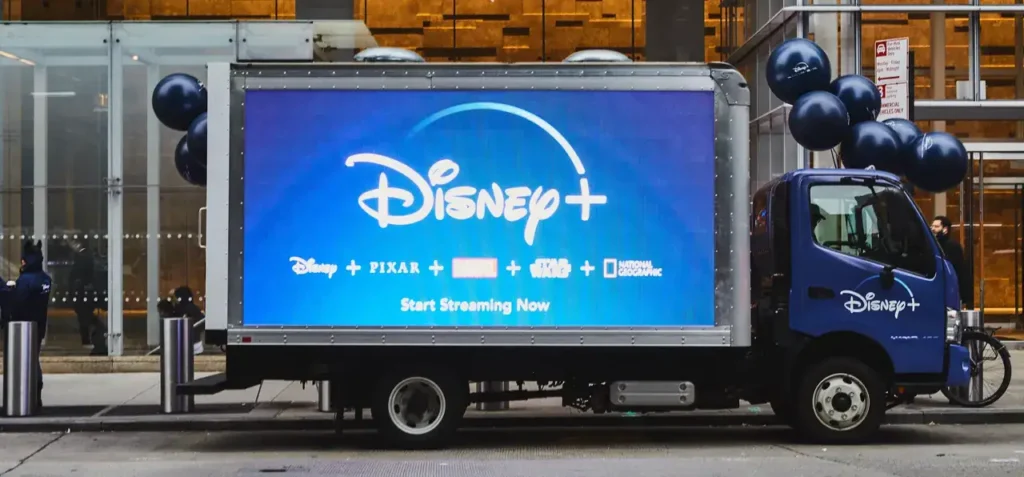
Experiential marketing is a dynamic strategy that goes beyond traditional advertising methods. Welcome to our blog post on the rising trend of experiential marketing. In today’s competitive business landscape, traditional advertising methods are no longer enough to capture consumers’ attention. That’s where experiential marketing comes in – a strategy that focuses on creating immersive and memorable brand experiences for customers. In this article, we’ll delve into what exactly experiential marketing is, why it works so effectively, how to implement successful campaigns, and provide some inspiring examples of brands that have mastered this approach. So let’s explore how you can take your marketing efforts to the next level with experiential techniques!
Experiential marketing is a dynamic strategy that goes beyond traditional advertising methods. It focuses on creating immersive experiences for consumers, allowing them to interact with a brand directly. Through carefully planned campaigns, experiential marketing aims to leave a lasting impression and strengthen brand loyalty.
Experiential marketing is a dynamic strategy that revolves around creating immersive and interactive brand experiences. By focusing on engaging campaigns, it allows brands to connect with their target audience on a deeper level, leaving a lasting impression. Experiential marketing revolutionizes traditional advertising by creating immersive brand experiences that foster meaningful connections with consumers.
The Evolution of Marketing Strategies: As traditional advertising methods become less effective in capturing consumers’ attention, experiential marketing has emerged as a powerful tool for brands to stand out from the competition. This innovative approach goes beyond mere product promotion by encouraging active participation and fostering meaningful connections between consumers and brands.
The evolution of marketing strategies has seen a remarkable shift towards experiential marketing. Gone are the days of one-way communication where brands simply push their messages to consumers. Today, successful campaigns focus on creating immersive experiences that allow consumers to interact with the brand and forge deeper connections. This strategy not only enhances brand loyalty but also generates word-of-mouth promotion, making it a powerful tool in modern marketing.
In the age of social media and constant connectivity, traditional marketing methods have become less effective in capturing consumer attention. Experiential marketing leverages this new landscape by providing unique and memorable experiences that engage customers on a personal level. Brands now understand that by creating interactive campaigns, they can foster emotional connections with their audience and leave a lasting impression – ultimately driving customer loyalty and long-term success.
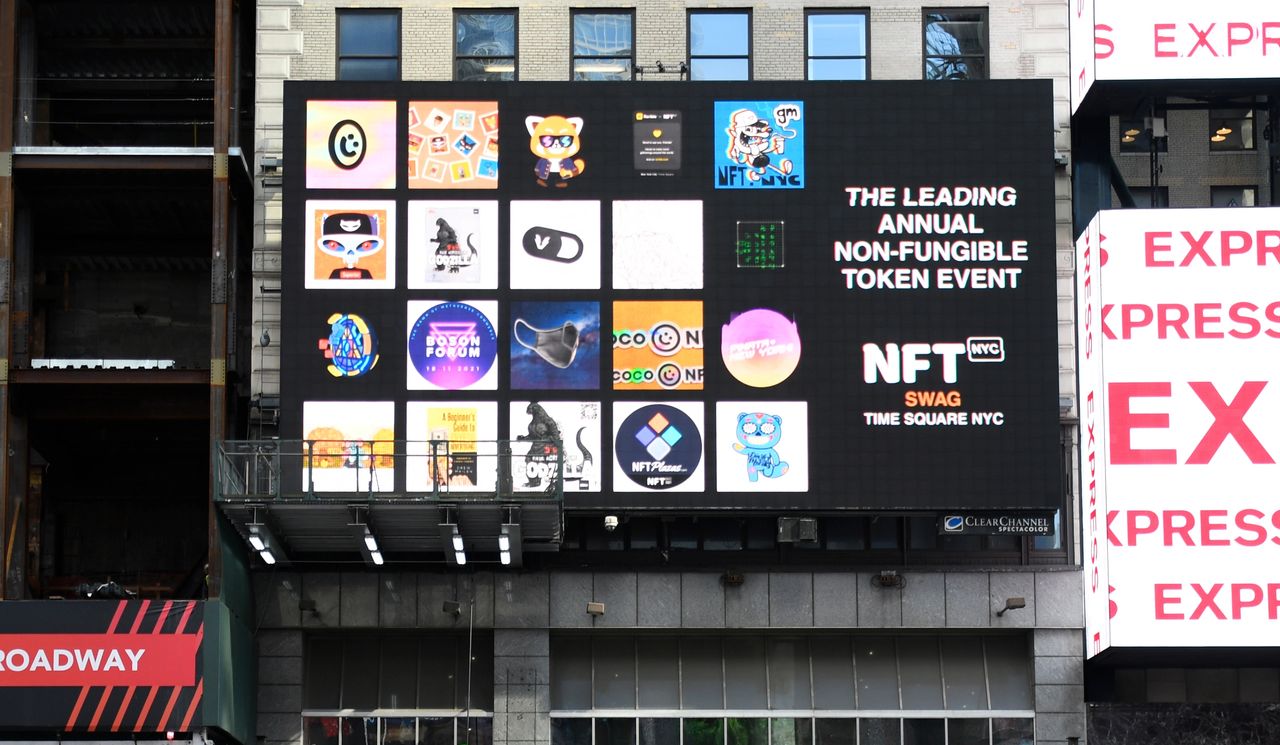
In the age of social media and constant connectivity, traditional marketing methods have become less effective in capturing consumer attention.
Connecting with Emotions: Experiential marketing taps into the power of emotion, allowing brands to forge deep connections with their target audience. By creating immersive experiences that evoke joy, excitement, or even nostalgia, brands can leave a lasting impact on consumers and enhance brand loyalty.
Building Authentic Connections: Unlike traditional forms of marketing, experiential marketing provides an opportunity for genuine interaction between brands and consumers. Through face-to-face engagements and meaningful conversations, brands can establish trust and credibility in a way that resonates with customers on a personal level. This authenticity fosters long-term relationships built on mutual understanding and shared values.
Eliciting strong emotional responses is a key aspect of successful experiential marketing. By appealing to the deepest desires and fears of consumers, brands can forge a profound connection that resonates long after the experience has ended. Tapping into personal values and beliefs allows marketers to create experiences that align with what individuals hold dear, fostering a sense of authenticity and trust. By immersing consumers in captivating environments and narratives, brands can transport them into another world, stimulating their senses and emotions for an unforgettable experience.
Creating immersive experiences is at the heart of experiential marketing. From interactive installations to virtual reality simulations, these experiences captivate audiences on a deep level by engaging multiple senses simultaneously. Brands must ensure every detail contributes to building immersion – from lighting effects and soundscapes to realistic props and seamless storytelling techniques – all designed to transport participants into an alternate reality where they become emotionally invested in the brand’s message or story.
Fostering trust and loyalty is key to building authentic connections with customers. By consistently delivering on promises, providing exceptional customer service, and being transparent in business practices, companies can establish a foundation of trust that fosters long-lasting relationships.
Engaging customers on a deeper level goes beyond simply selling products or services. It involves understanding their needs and desires, actively listening to their feedback, and personalizing the experience. By connecting emotionally with customers, businesses can create meaningful interactions that resonate and leave a lasting impact.
Establishing long-lasting relationships requires ongoing communication and nurturing. By staying connected with customers through personalized emails, social media engagement, or even hosting exclusive events for loyal patrons, companies can reinforce their commitment to building genuine connections.
Designing interactive and engaging events is key to creating memorable experiences. By incorporating elements that encourage active participation, such as hands-on activities or immersive technology, brands can captivate their audience and leave a lasting impression. Utilizing sensory stimuli further enhances the impact, as it taps into emotions and creates a multi-dimensional experience. From captivating visuals to enticing aromas, providing a multi-sensory encounter adds depth and memorability to any event. Lastly, offering personalized and unique encounters ensures that each individual feels seen and valued. Tailoring experiences to specific preferences or interests not only fosters connection but also increases the likelihood of creating a memorable moment that will be shared with others.
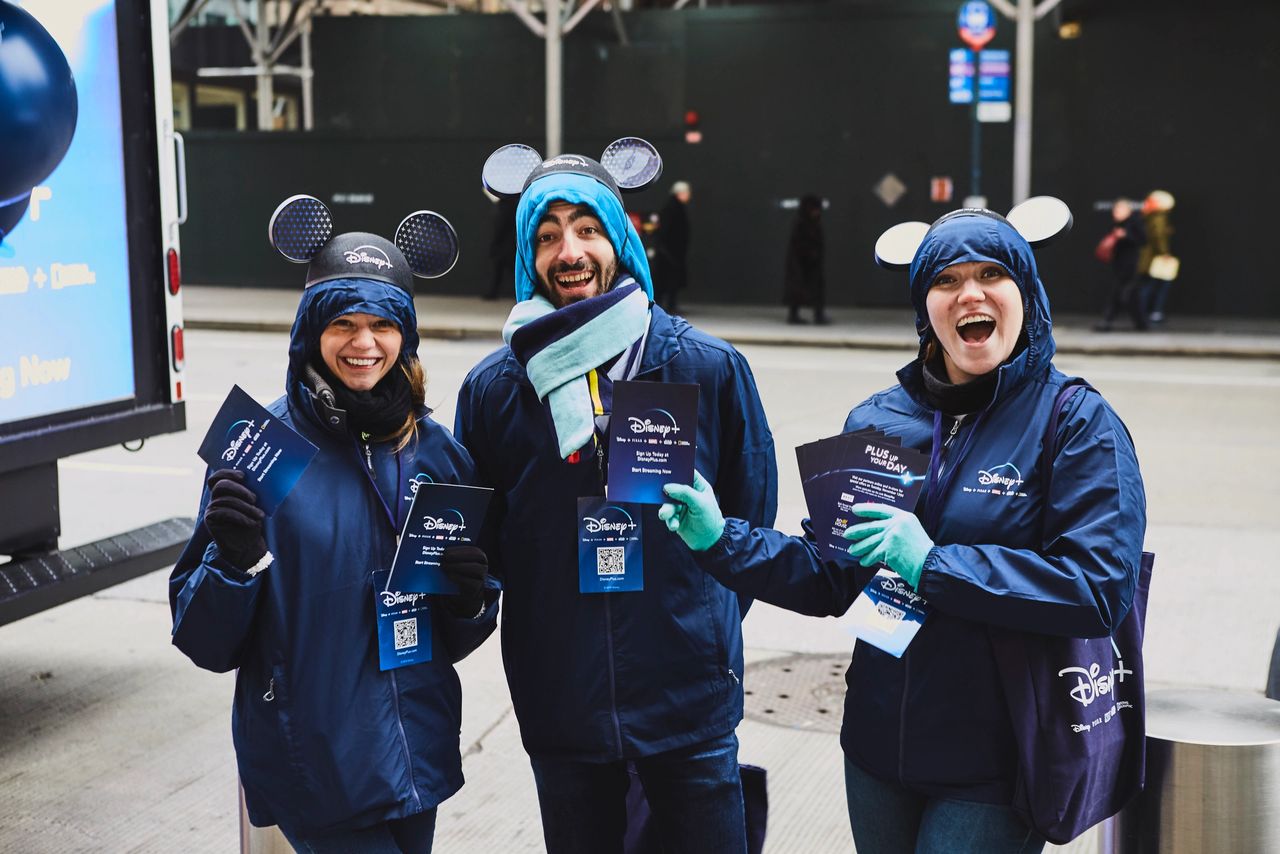
Conducting thorough market research is key to identifying your target audience in experiential marketing. By analyzing demographic data, consumer trends, and competitor analysis, you can gain valuable insights into who your ideal audience is and what they desire.
Implementing experiential marketing campaigns involves creating memorable and immersive experiences for target audiences. By combining elements such as sensory stimulation, interactivity, and storytelling, brands can effectively engage consumers on a deeper level. Utilizing various technologies, such as virtual reality or augmented reality, enhances the overall experience and allows for greater personalization. To ensure success, measuring key performance indicators like brand awareness and customer engagement is essential in evaluating the impact of these campaigns.
Conducting thorough market research is key to identifying your target audience in experiential marketing. By analyzing demographic data, consumer trends, and competitor analysis, you can gain valuable insights into who your ideal audience is and what they desire.
Creating detailed buyer personas allows you to further understand your target audience on a personal level. By considering factors such as age, interests, motivations, and pain points, you can tailor immersive experiences that resonate with their needs.
Analyzing customer data provides essential feedback for refining your marketing approach. By tracking engagement metrics, purchase behavior, and feedback surveys, you can continuously adapt your strategies to better meet the preferences of your target audience.
Incorporating sensory elements enhances the immersive experience, allowing marketers to engage their target audience on a deeper level. By integrating sight, sound, touch, taste, and smell into experiential marketing campaigns, brands can create memorable moments that leave a lasting impression.
Creating interactive installations invites participants to actively engage with the brand’s message. Through virtual reality simulations or physical installations like pop-up experiences or branded events, marketers can provide an interactive platform for consumers to explore and connect with the brand in a meaningful way.
Developing personalized journeys tailors the experience based on individual preferences and interests. By leveraging data analytics and consumer insights, marketers can deliver customized content and recommendations that resonate with each participant personally. This personal touch not only increases engagement but also strengthens brand loyalty among customers.
Virtual reality and augmented reality experiences have revolutionized the way brands engage with their audience. By immersing consumers in virtual worlds or overlaying digital elements onto the real world, companies can create unforgettable and interactive marketing campaigns. These experiences not only captivate users but also provide valuable insights into consumer behavior and preferences.
Social media integration and live streaming events have become essential tools for experiential marketing. Through platforms like Instagram, Facebook, and YouTube, brands can reach a vast audience in real-time, allowing them to connect with consumers on a personal level. Live streaming events enable brands to showcase their products or services while interacting directly with viewers, creating an authentic experience that fosters trust and loyalty.
Mobile apps and gamification techniques are effective ways to enhance brand engagement. With the widespread use of smartphones, companies can create mobile applications that offer unique value propositions to consumers. Incorporating gamification elements such as leaderboards, rewards systems, or challenges makes these apps more compelling and encourages users to spend more time engaging with the brand’s content.
Overall, the utilization of technology in experiential marketing provides endless opportunities for businesses to connect with their target audience in innovative ways. Through virtual reality experiences, social media integration, and mobile app features, rowing connections between brands and customers leads not only captures attention but also generates valuable data regarding consumer behaviors. As technology continues advancing, it is crucial for marketers to embrace new technologies, to stay ahead of competitors, and deliver impactful experiences evetime they want to make lasting impressions.
Measuring success is crucial in determining the effectiveness of experiential marketing campaigns. By setting clear goals and objectives, businesses can track their progress and evaluate the impact of their efforts. Defining key performance indicators (KPIs) allows for a quantitative assessment, providing valuable insights into audience engagement and overall campaign performance. Additionally, conducting post-event surveys and gathering feedback enables businesses to gather qualitative data on customer satisfaction and identify areas for improvement.
Red Bull’s Stratos Jump is a prime example of successful experiential marketing. By sponsoring Felix Baumgartner’s record-breaking skydive from the edge of space, Red Bull created an unforgettable and awe-inspiring experience for their audience. This daring event not only captured global attention but also showcased the brand’s adventurous spirit and commitment to pushing boundaries.
Coca-Cola’s Share a Coke campaign is another standout in experiential marketing. By personalizing their product with individual names, Coca-Cola encouraged consumers to connect on a deeper level and share special moments with loved ones. This unique approach not only drove sales but also fostered a sense of inclusivity and emotional connection between the brand and its customers.
Nike took experiential marketing to new heights with its Breaking2 initiative. The sportswear giant organized an ambitious attempt to break the two-hour marathon barrier, involving elite athletes, cutting-edge technology, and intense training programs. Through live streaming events and engaging storytelling, Nike successfully captivated audiences worldwide while reinforcing their position as leaders in innovation and performance.
These examples demonstrate how experiential marketing can elevate brands by creating memorable experiences that resonate deeply with consumers on both emotional and intellectual levels. By immersing individuals in unique adventures or personalizing products for meaningful connections, companies can forge stronger bonds with their target audience while standing out in today’s crowded marketplace
Creating an Extreme Experience: Red Bull’s Stratos Jump took experiential marketing to new heights by sending Felix Baumgartner on a record-breaking freefall from the edge of space. This audacious stunt not only showcased Red Bull’s adventurous spirit but also captivated audiences worldwide, creating a once-in-a-lifetime experience that left everyone in awe.
Pushing the Boundaries of Possibility: With the Stratos Jump, Red Bull shattered conventional limits and pushed human potential to its extreme. By orchestrating this daring feat, they proved that no dream is too big or impossible to achieve. The jaw-dropping moment when Baumgartner jumped from 24 miles above Earth engaged viewers with adrenaline-pumping excitement while highlighting the brand’s commitment to pushing boundaries beyond imagination.
Personalizing the Brand Experience
Fostering Emotional Connections
Generating Social Media Engagement
Challenging athletic limits, Nike’s Breaking2 initiative pushes the boundaries of human performance and redefines what is possible in marathon running. With a team of elite athletes and cutting-edge technology, Nike aims to break the two-hour barrier, inspiring both athletes and consumers alike to push their own limits and reach for new heights. Showcasing innovation at its finest, Breaking2 demonstrates Nike’s commitment to pushing the boundaries of sport and embracing technological advancements that enhance athletic performance.

Implementing experiential marketing campaigns involves creating memorable and immersive experiences for target audiences.
Virtual Reality and Augmented Reality (VR/AR) have revolutionized the field of experiential marketing. Brands now have the ability to transport consumers into immersive digital worlds, enabling them to interact with products and services in ways never before possible. This technology allows for a truly memorable and engaging experience that not only captivates audiences but also leaves a lasting impression on their minds.
Personalization and customization are becoming key drivers in experiential marketing. Consumers want more than just a generic experience – they want something tailored specifically to their needs and preferences. Brands that can provide personalized experiences, whether through interactive installations or targeted messaging, will be able to forge stronger connections with their audiences, leading to increased brand loyalty and customer satisfaction.
In an era of heightened awareness about environmental issues, sustainable and ethical experiences are taking center stage in experiential marketing strategies. Brands are incorporating eco-friendly materials, renewable energy sources, and sustainable practices into their activations to appeal to socially conscious consumers. By aligning themselves with values such as conservationism and ethical sourcing, brands can create authentic experiences that resonate deeply with audiences while reinforcing their commitment towards social responsibility.
Overall: The future of experiential marketing lies in embracing emerging technologies like VR/AR while focusing on personalization/customization efforts tailored towards individual preferences. Additionally integrating sustainability principles is vital as it resonates positively within environmentally-conscious communities
Immersive brand experiences through VR transport consumers into a whole new world, allowing them to engage with products in a way that traditional advertising simply cannot match. By creating virtual environments and simulations, brands can capture the attention of their target audience and leave a lasting impression.
Interactive AR campaigns take customer engagement to the next level by seamlessly merging digital elements with the real world. With AR technology, brands can create interactive experiences that enhance customer interaction and encourage active participation. From gamified marketing campaigns to virtual try-on features, AR opens up endless possibilities for engaging customers in unique ways.
Using VR/AR to showcase products in a virtual showroom revolutionizes the traditional shopping experience. Brands can now offer customers an immersive journey where they can explore products from every angle, visualize how they fit into their lives, and make informed purchasing decisions without leaving their homes. This innovative approach not only saves time but also enhances convenience while providing an unforgettable shopping experience for customers.
Tailoring experiences based on individual preferences is a key aspect of successful experiential marketing. By understanding the specific needs and desires of each customer, brands can create personalized product demonstrations that resonate with their target audience. Additionally, customizing event activities to match attendee interests ensures that every participant feels engaged and valued.
Promoting eco-friendly practices at experiential events is crucial in today’s society, where sustainability has become a top concern. By implementing measures such as recycling stations, using renewable energy sources, and reducing waste through digital alternatives, brands can create immersive experiences that align with environmentally friendly values. Partnering with sustainable brands for collaborative campaigns further amplifies the message of sustainability and encourages consumers to make conscious choices.
Integrating social responsibility into immersive brand activations allows companies to go beyond just selling products or services. By incorporating charitable components or highlighting ethical initiatives within their experiences, brands can foster connections with customers who value social impact. This not only enhances brand reputation but also creates an emotional connection that increases loyalty and advocacy.
Telegram: @americanguerillamarketing
Sign up to get blog posts here