
August 9, 2023 Bar and Restaurant Advertising
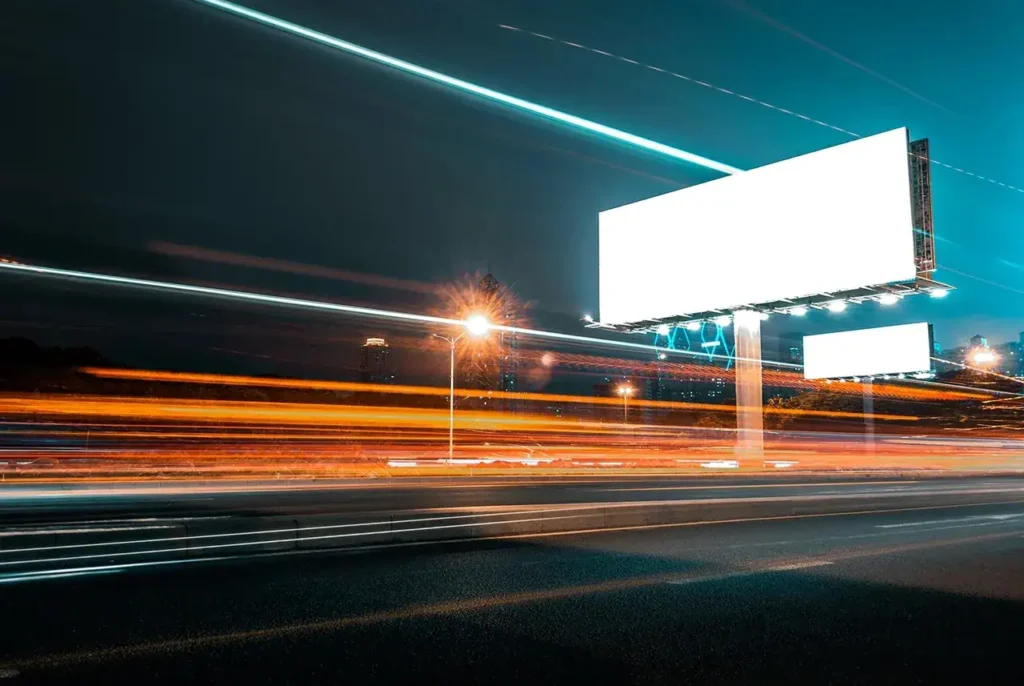
Billboards strategically positioned along highways have become iconic symbols of advertising. In the world of advertising, billboards have long been recognized as powerful mediums for capturing attention and delivering messages to a wide audience. However, the impact of billboard advertising can significantly vary based on where these billboards are strategically placed. In this article, we delve into the comparison between highway and urban billboard locations, exploring the benefits and considerations of each based on audience behaviors and context. Drivers spending around 300 hours on the road annually contribute to 81 percent of travelers paying attention to billboard ads. Consumer behavior supports the efficacy of billboard advertising, with 20 percent visiting a business immediately after seeing its billboard ad. American Guerrilla Marketing specializes in Out-of-Home advertising, adapting to changes in urban mobility and helping brands with impactful campaigns.
Billboards strategically positioned along highways have become iconic symbols of advertising. These towering structures have the unique advantage of targeting a captive audience, often commuters who are navigating through traffic or embarking on long road trips. Here are some key benefits and considerations of highway billboard locations:
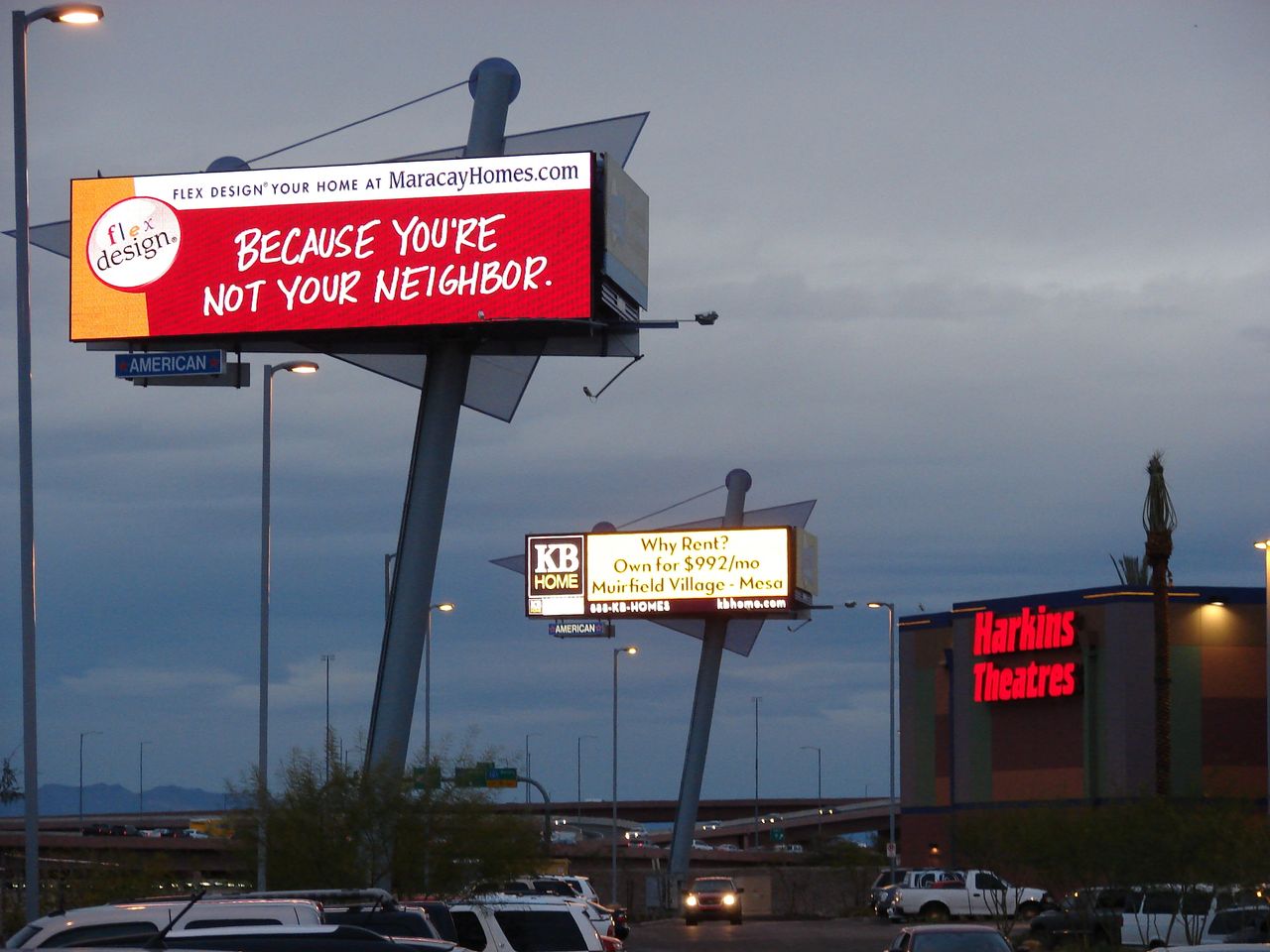
The large size and elevated position of highway billboards enhance their visibility from afar.
1. Wide Audience Reach: Highway billboards can reach a massive audience, making them ideal for national advertising campaigns. The sheer volume of vehicles passing by ensures exposure to diverse demographics, allowing brands to establish a broad presence.
2. Impressive Visibility: The large size and elevated position of highway billboards enhance their visibility from afar. This advantage enables advertisers to communicate their message effectively even from a distance, making a strong initial impression on viewers.
3. Extended Viewing Time: Commuters spend a significant amount of time on highways, allowing for extended exposure to billboard messages. This extended exposure can reinforce brand recognition and aid in message retention. Repetitive exposure during daily commutes increases the likelihood of the message being remembered.
1. Limited Engagement Time: While highway billboards provide extended exposure, the limited time that drivers have to engage with the message while passing by at high speeds can limit the depth of the message’s impact. Advertisers must design their billboards to convey messages quickly and effectively, often relying on striking visuals and concise messaging.
2. Message Simplicity: Due to the limited viewing time, messages displayed on highway billboards need to be concise, with a focus on bold visuals and minimal text to convey the intended message effectively. A cluttered or text-heavy design may fail to make an impact, underscoring the importance of simplicity.
3. Minimal Interaction: Highway billboards typically lack interactivity or immediate call-to-action options for viewers, which can hinder direct engagement and conversion. The lack of interactive elements may limit the immediate response from viewers, requiring brands to rely on memorable visuals.
.jpg/:/cr=t:0%25,l:0%25,w:100%25,h:100%25/rs=w:1280 "While highway billboards provide extended exposure, the limited time that drivers have to engage with the message while passing by at high speeds can limit the depth of the message's impact.")
While highway billboards provide extended exposure, the limited time that drivers have to engage with the message while passing by at high speeds can limit the depth of the message’s impact.
Urban environments, bustling with foot and vehicle traffic, offer a different setting for billboard advertising. Placed amidst the vibrant cityscape, urban billboards have their own set of benefits and considerations:
1. High Foot Traffic: Urban billboards can capture the attention of pedestrians and city dwellers who are navigating sidewalks, shopping districts, and public transportation hubs. The constant flow of people offers the potential for consistent exposure and engagement.
2. Proximity to Points of Interest: Placing billboards near shopping centers, entertainment venues, and popular landmarks allows advertisers to target consumers who are already engaged in recreational or commercial activities. This targeted approach can lead to higher engagement and conversion rates.
3. Interactive Opportunities: Urban billboards can incorporate interactive elements such as QR codes, augmented reality (AR), or social media hashtags to encourage immediate engagement and interaction. This interactivity can bridge the gap between outdoor advertising and digital engagement, fostering a deeper connection with the audience.
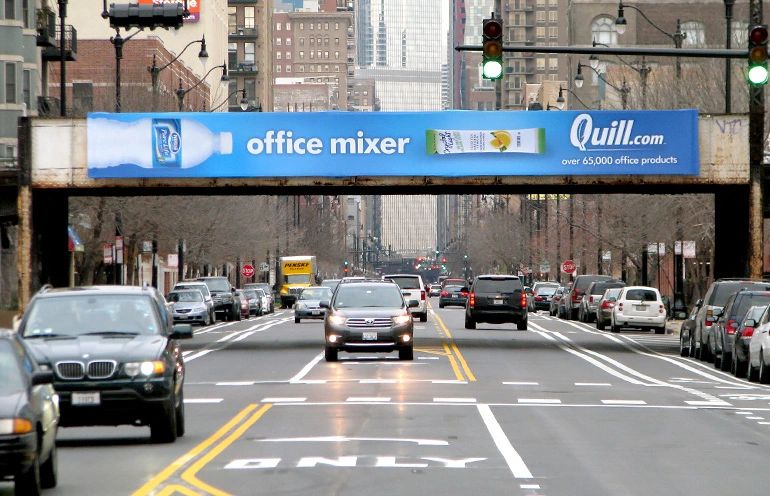
Placing billboards near shopping centers, entertainment venues, and popular landmarks allows advertisers to target consumers who are already engaged in recreational or commercial activities.
1. Visual Clutter: Urban environments are often cluttered with various signage and advertisements, making it essential for urban billboards to stand out through unique design and captivating visuals. A visually striking and distinct design is crucial for grabbing attention in a crowded setting.
2. Limited Viewing Time: Pedestrians and motorists in urban areas have limited time to engage with billboard messages due to the fast-paced nature of city life. Advertisers must craft concise messages that can be easily consumed in a short span, requiring concise yet impactful content.
3. Target Audience Variation: Depending on the location within the city, the demographics and interests of the audience can vary significantly, requiring careful planning for effective targeting. A deep understanding of local demographics is essential for successful urban billboard campaigns to resonate with the right audience.
When deciding between highway and urban billboard locations, advertisers should consider their campaign objectives, target audience, and the intended impact of their message. A national advertising buying campaign should take into account the following:
1. Brand Awareness vs. Direct Response: Highway billboards are well-suited for building brand awareness due to the broad exposure they offer, while urban billboards can drive direct response and engagement due to their proximity to points of interest.
2. Audience Behavior: Understanding how the target audience interacts with the chosen location is crucial. Commuters on highways may appreciate bold visuals, while urban pedestrians might engage more with interactive elements. The choice should align with the desired response from the audience.
3. Message Adaptation: The messaging and design should align with the context of the location. Urban billboards can include localized messages or references to nearby attractions. Customizing the message to resonate with the local culture enhances engagement.
4. Creative Adaptability: Advertisers should adapt their creative designs to match the expectations and behaviors of the audience in the chosen location. Urban and highway settings demand distinct design approaches to effectively capture attention.
5. Budget Considerations: The cost of billboard placement varies based on location. Advertisers should allocate their budget based on the expected impact and reach of each location. Calculating the potential return on investment (ROI) for each location is vital.
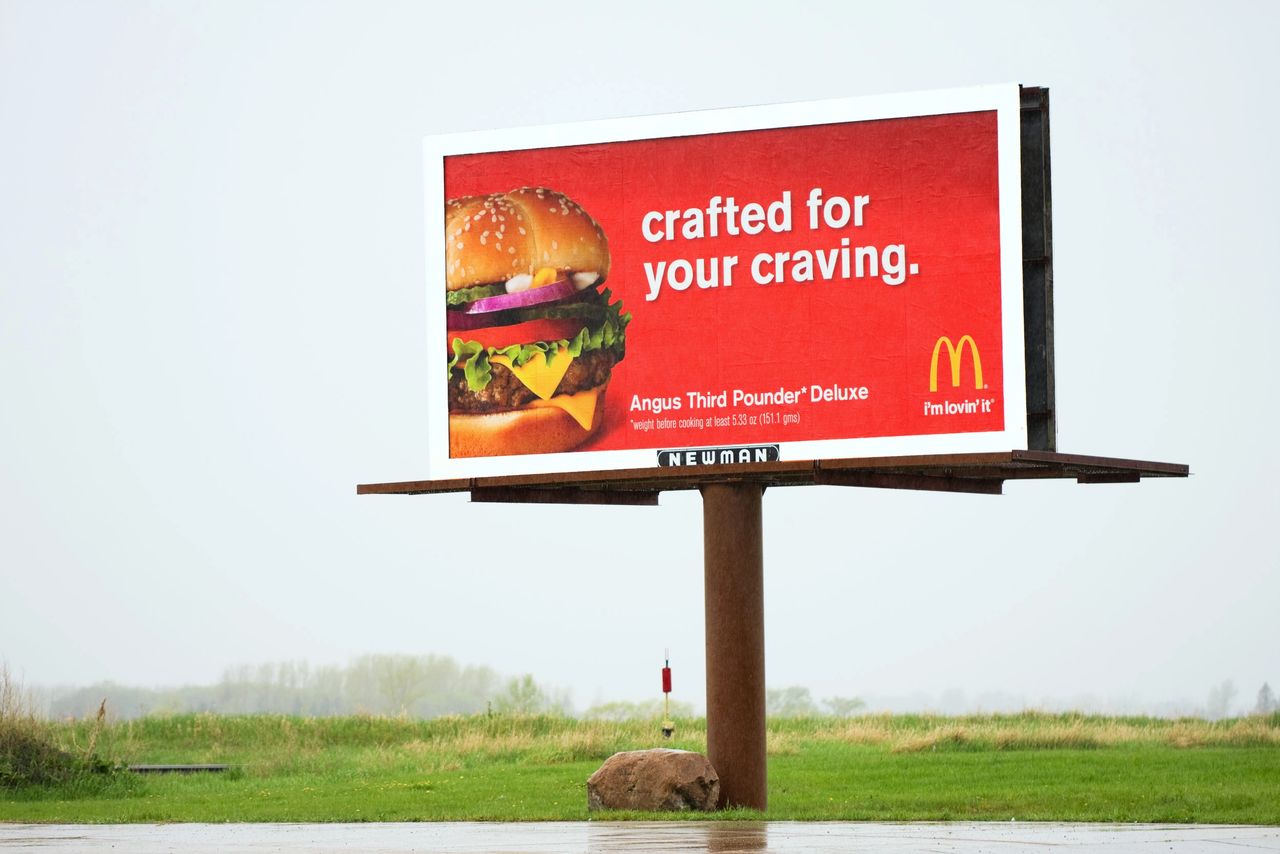
The choice between highway and urban billboard locations ultimately depends on the campaign’s goals, target audience, and message strategy.
The choice between highway and urban billboard locations ultimately depends on the campaign’s goals, target audience, and message strategy. Both settings offer unique advantages and considerations that can significantly impact the effectiveness of billboard advertising. By carefully analyzing audience behaviors and contextual factors, advertisers can make informed decisions to maximize the impact of their national advertising buying campaigns and leave a lasting impression on their target audience.
Q: What are the main benefits of placing billboards along highways for advertising?
A: Placing billboards along highways offers several significant benefits for advertising campaigns. Firstly, highway billboards provide an unparalleled reach, targeting a vast and diverse audience of commuters and travelers. Their elevated positions and large size ensure impressive visibility, making them stand out even from a distance. Additionally, the extended viewing time that commuters spend on highways allows for a higher level of exposure, reinforcing brand recognition and enhancing message retention.
Q: How do urban billboards differ from highway billboards in terms of audience engagement?
A: Urban billboards differ from highway billboards primarily in terms of audience engagement due to the distinct environments they cater to. Urban billboards are strategically placed in high foot traffic areas, such as busy city centers and commercial districts. They aim to capture the attention of pedestrians and city dwellers who are already engaged in activities like shopping or commuting. In contrast, highway billboards target a captive audience of commuters and travelers, focusing on delivering impactful messages during extended travel times.
Q: What factors should advertisers consider when deciding between highway and urban billboard placements?
A: Advertisers should consider several factors when choosing between highway and urban billboard placements. These factors include the campaign’s objectives, target audience behavior, message adaptation, creative adaptability, and budget considerations. The decision hinges on whether the goal is to build brand awareness on highways or drive direct engagement and response in urban settings. Understanding how the audience interacts with each location, adapting the message to fit the context, and allocating the budget strategically are crucial considerations.
Q: How can advertisers optimize their message for highway billboards’ limited engagement time?
A: Advertisers must optimize their message for highway billboards’ limited engagement time by prioritizing concise and impactful content. Given that drivers have only a few seconds to engage with the message, the design should rely on striking visuals and minimal yet powerful text. The key message should be communicated instantly, leaving a memorable impression on viewers. Simplicity and clarity are essential for effectively conveying the intended message within the constraints of highway advertising.
Q: What role does visual design play in the effectiveness of urban billboards?
A: Visual design plays a pivotal role in the effectiveness of urban billboards. In bustling urban environments filled with various signage and advertisements, it is essential for urban billboards to stand out. A visually striking and distinct design captures attention amidst visual clutter. Creative elements such as unique graphics, color choices, and captivating visuals enhance the billboard’s ability to capture and retain the audience’s attention. Strong visual design ensures that the message is not lost in the urban landscape.
Q: Where can I find information about purchasing billboard ads for my advertising campaign?
A: If you’re looking to purchase billboard ads for your advertising campaign, there are several resources available to guide you. You can explore online guides and articles that provide insights into purchasing billboard ads, including considerations for different locations such as highways and urban settings. Additionally, you can connect with outdoor advertising agency like American Guerrilla Marketing that specialize in billboard placements. These agencies offer expertise in selecting the right locations, negotiating prices, and optimizing your billboard ad campaign for maximum impact.
Q: What are the optimal methods for acquiring billboard advertising space?
A: Acquiring billboard advertising space involves strategic planning and execution. One optimal method is to partner with established outdoor advertising agencies like American Guerrilla Marketing that have experience in procuring billboard spaces. These agencies have access to a network of available billboard locations and can help you select the best options based on your campaign objectives and target audience. They also have the expertise to negotiate favorable pricing and handle the logistical aspects of billboard placement.
Q: How do billboard ads impact consumer purchasing behavior, and where can I find research on this topic?
A: Billboard ads can have a significant impact on consumer purchasing behavior by creating brand awareness, influencing preferences, and driving actions. Research on the influence of billboard ads on consumer behavior can be found in academic journals, marketing publications, and industry reports. Organizations such as the International Advertising Association and the International Journal of Advertising often publish studies related to the effectiveness of billboard advertising in shaping consumer decisions.
Q: What are the typical expenses associated with billboard advertising campaigns?
A: The expenses associated with billboard advertising campaigns can vary based on factors such as location, duration, size of the billboard, and market demand. Costs include designing the creative content, printing the billboard materials, and renting the advertising space. To get a clear understanding of the expenses, it’s recommended to connect with outdoor advertising agencies or billboard owners who can provide pricing information specific to your desired locations and campaign parameters.
Q: How can I optimize my billboard advertising campaign for the best results?
A: Optimizing a billboard advertising campaign involves a combination of strategic planning, creative design, and data-driven decision-making. Start by defining clear campaign objectives and identifying the target audience. Utilize audience insights and demographic data to select the most relevant billboard locations, whether along highways or in urban areas. Craft a compelling and visually appealing message that resonates with the audience. Monitor the campaign’s performance and engagement metrics to make real-time adjustments for better results. Working with experienced outdoor advertising agency like American Guerrilla Marketing can provide valuable expertise in optimizing your campaign strategy.
Telegram: @americanguerillamarketing
Sign up to get blog posts here