
January 14, 2026 Guerrilla Marketing Agency
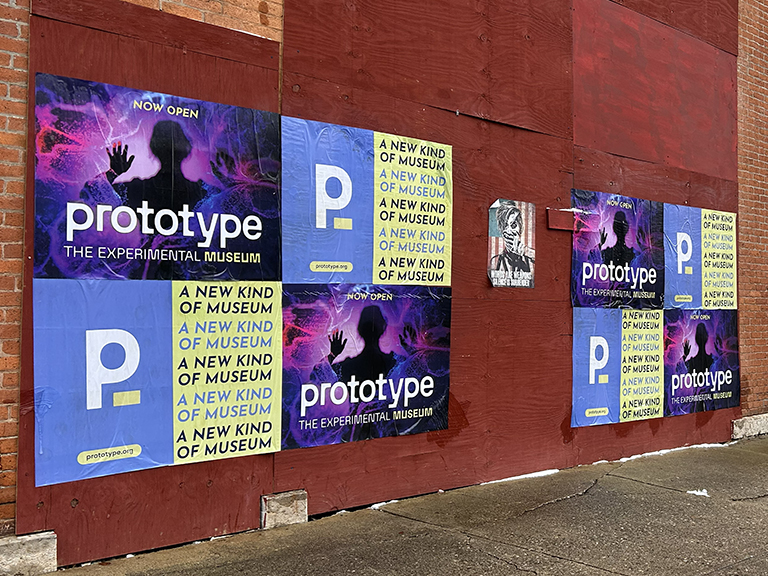
In the competitive landscape of small business, traditional marketing methods often fall short due to budget constraints and the need for innovative approaches. Guerrilla marketing offers a creative solution that leverages unconventional tactics to achieve significant results without the hefty price tag. This article will explore various guerrilla marketing strategiestailored for small businesses, highlighting their effectiveness and the unique benefits they provide. By understanding these strategies, small business owners can enhance their brand visibility and customer engagement, ultimately driving growth. We will delve into the core principles of guerrilla marketing, explore low-cost strategies, discuss the benefits of these tactics, and provide guidance on effective implementation.
Guerrilla marketing refers to unconventional marketing strategies that aim to promote products or services in innovative and memorable ways. These tactics often rely on creativity and imagination rather than a large budget, making them particularly suitable for small businesses. The core principles of guerrilla marketing include surprise, engagement, and a strong emotional connection with the audience. By utilizing these principles, small businesses can create impactful campaigns that resonate with their target market.
Further emphasizing the broad scope and benefits of this approach, one study delves into the diverse tactics and advantages of guerrilla marketing for small enterprises.
Guerrilla Marketing for Small Businesses: Low-Cost Tactics & Benefits
Over the past four decades, guerrilla marketing has remained a distinctive and cost-effective alternative, particularly for small businesses operating with limited financial resources. This unconventional approach encompasses a variety of creative tactics such as ambush marketing, ambient advertising, experiential campaigns, stealth marketing, viral content, street marketing, grassroots movements, astroturfing, flash mobs, wild postings, publicity stunts, humor-driven messaging, and guerrilla projections. The primary objective of this paper is to explore innovative guerrilla marketing techniques that small enterprises can leverage in today’s competitive landscape. It also aims to highlight the advantages of these strategies while addressing the potential challenges and limitations they may entail.
Guerrilla Marketing for Small Businesses, S Dimitrieska, 2025
Guerrilla marketing is defined by its focus on unconventional methods that capture attention and provoke thought. The core principles include creativity, surprise, and engagement. For instance, a small business might use street art or flash mobs to create buzz around a product launch. These tactics not only attract attention but also encourage sharing on social media, amplifying the campaign’s reach. Successful guerrilla marketing campaigns often leverage local culture and community involvement, making them relatable and memorable.
Unconventional advertising methods can significantly enhance small business success by creating memorable experiences for customers. For example, a local coffee shop might host a pop-up event in an unexpected location, drawing in foot traffic and generating excitement. Studies show that campaigns with a strong emotional appeal are more likely to be shared, leading to increased brand awareness and customer loyalty. By thinking outside the box, small businesses can differentiate themselves from competitors and foster a loyal customer base.
Research further explores the critical elements that drive the effectiveness of these unconventional marketing strategies, identifying key conditions for success.
Drivers of Effective Unconventional Marketing Strategies
An emerging area of focus is the effectiveness of unconventional marketing techniques, which remains relatively under-researched despite its potential to enhance the impact of campaigns. Through a fuzzy set Qualitative Comparative Analysis (fsQCA), based on multiple case studies, this paper introduces a framework that underscores the significance of originality, novelty, visibility, relevance, engagement, legacy, and authenticity as necessary conditions for stimulating information processing and fostering a positive brand attitude. This research contributes to the existing knowledge on consumer decision-making processes in the sport industry, shedding light on which drivers improve the effectiveness of unconventional strategies and connecting different executional paths to an increased purchase intention and word of mouth.
Uncovering Antecedents and Paths to an Effective Unconventional Marketing Strategy in Sport Industry, MF Mazzù, 2024
Small businesses can implement various low-cost marketing strategies that align with guerrilla marketing principles. These strategies often require minimal investment but can yield substantial returns in terms of brand visibility and customer engagement.
These creative marketing ideas not only promote products but also foster community engagement, making them effective for startups and local businesses.
Street marketing can take many forms, such as interactive installations or flash mobs that engage passersby. For instance, a local bakery might create a giant cupcake sculpture in a park, inviting people to take photos and share them online. Pop-up shops allow businesses to test new markets and products without the commitment of a permanent location. Buzz campaigns, like scavenger hunts or social media challenges, encourage customers to participate actively, increasing brand visibility and customer loyalty.
Guerrilla marketing offers numerous benefits for small businesses, particularly in terms of cost-effectiveness and brand awareness. By leveraging creative tactics, businesses can achieve significant results without the need for large marketing budgets.
One of the primary advantages of guerrilla marketing is its cost-effectiveness. Small businesses can implement impactful campaigns with minimal financial investment. For example, a well-executed street marketing campaign can generate substantial media coverage and social media buzz, leading to increased brand awareness. Research indicates that guerrilla marketing campaigns can yield a higher return on investment compared to traditional advertising methods, making them an attractive option for budget-conscious businesses.
Guerrilla marketing strategies are designed to engage customers on a deeper level, fostering emotional connections that can lead to brand loyalty. Campaigns that evoke strong emotions or encourage participation have a higher likelihood of going viral. For instance, a small business that creates a humorous or thought-provoking advertisement may see it shared widely across social media platforms, exponentially increasing its reach. This viral potential is a key benefit of guerrilla marketing, as it allows small businesses to compete with larger brands on a more level playing field.
This table illustrates how different guerrilla marketing strategies can deliver distinct benefits through specific mechanisms, highlighting their potential impact on small business growth.
| Strategy | Mechanism | Benefit | Impact Level |
|---|---|---|---|
| Street Marketing | Engages public spaces creatively | High visibility and engagement | High |
| Pop-Up Shops | Temporary retail presence | Attracts new customers and tests markets | Medium |
| Buzz Campaigns | Encourages participation and sharing | Increases brand awareness and loyalty | High |
Implementing guerrilla marketing effectively requires careful planning and execution. Small businesses should develop a targeted marketing plan that aligns with their brand identity and goals.
To create a successful guerrilla marketing plan, small businesses should start by identifying their target audience and understanding their preferences. This involves conducting market research to determine what types of campaigns resonate with potential customers. Once the target audience is defined, businesses can brainstorm creative ideas that align with their brand message and values. Setting clear goals and metrics for success will help measure the effectiveness of the campaign.
After launching a guerrilla marketing campaign, it is essential to measure its success through various metrics, such as social media engagement, website traffic, and sales conversions. Gathering feedback from customers can also provide valuable insights into what worked and what could be improved. Based on this data, small businesses can adapt their strategies for future campaigns, ensuring continuous growth and improvement.
This table outlines the key phases of implementing guerrilla marketing strategies, emphasizing the importance of planning, execution, and evaluation for achieving desired outcomes.
| Implementation Phase | Task | Outcome |
|---|---|---|
| Planning | Identify target audience | Tailored marketing approach |
| Execution | Launch creative campaign | Increased brand visibility |
| Evaluation | Measure success metrics | Data-driven strategy adjustments |
Small businesses often encounter several challenges when implementing guerrilla marketing strategies. Limited budgets can restrict the scope of creative ideas, making it difficult to execute large-scale campaigns. Additionally, small businesses may lack the expertise or experience in unconventional marketing, leading to ineffective execution. There is also the risk of misjudging the target audience’s response, which can result in campaigns that fail to resonate. Finally, navigating legal regulations and public perception can pose hurdles, requiring careful planning and consideration.
Measuring the effectiveness of guerrilla marketing campaigns involves tracking various metrics. Small businesses can analyze social media engagement, such as likes, shares, and comments, to gauge audience interaction. Website traffic and conversion rates provide insights into how many people were influenced to take action after the campaign. Surveys and customer feedback can also reveal perceptions and emotional responses to the campaign. By combining these data points, businesses can assess the overall impact and refine future strategies for better results.
While guerrilla marketing can be effective across various industries, certain sectors tend to benefit more due to their nature. Creative industries, such as fashion, art, and entertainment, thrive on innovative and visually striking campaigns that capture attention. Local businesses, including restaurants and retail shops, can leverage community engagement tactics to build strong relationships with customers. Additionally, startups often find guerrilla marketing advantageous as it allows them to establish brand identity and visibility without significant financial investment, making it a versatile approach for many sectors.
Social media plays a crucial role in guerrilla marketing strategies by amplifying reach and engagement. Campaigns designed to be shareable often go viral, significantly increasing brand visibility. Platforms like Instagram, TikTok, and Facebook allow businesses to showcase their creative efforts and interact with their audience in real-time. User-generated content, such as photos or videos from customers participating in campaigns, can further enhance authenticity and community involvement. By effectively utilizing social media, small businesses can maximize the impact of their guerrilla marketing initiatives.
Yes, guerrilla marketing can be effectively integrated with traditional marketing methods to create a comprehensive strategy. Combining the creativity of guerrilla tactics with the reach of traditional advertising, such as print or broadcast media, can enhance overall campaign effectiveness. For instance, a guerrilla campaign can generate buzz that is then amplified through traditional channels, reaching a broader audience. This hybrid approach allows businesses to leverage the strengths of both methods, ensuring a more cohesive brand message and maximizing marketing impact.
Successful guerrilla marketing campaigns often feature innovative and memorable tactics. One notable example is the “Dumb Ways to Die” campaign by Metro Trains in Melbourne, which used a catchy song and animated characters to promote safety around trains, resulting in a significant reduction in accidents. Another example is the “Ice Bucket Challenge,” which went viral on social media, raising awareness and funds for ALS. These campaigns demonstrate how creativity and emotional engagement can lead to widespread recognition and impact, serving as inspiration for small businesses.
Guerrilla marketing empowers small businesses to achieve remarkable growth through innovative, low-cost strategies that enhance brand visibility and customer engagement. By leveraging creativity and emotional connections, these tactics can lead to significant returns on investment and foster lasting customer loyalty. Embrace the potential of guerrilla marketing to differentiate your business in a competitive landscape. Start exploring our resources and strategies today to elevate your marketing efforts.