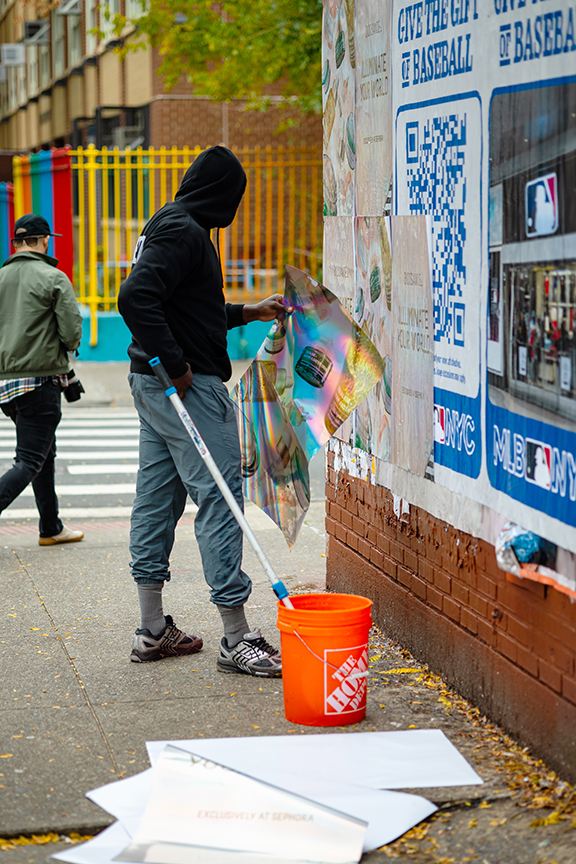
The commercial opportunity in Phoenix concentrates around a predictable set of activation windows, Cactus League spring training, the Barrett-Jackson auction, and Phoenix Open week, when foot traffic swells and brand attention runs high. Bar and restaurant advertising campaigns timed around these moments reach audiences already in discovery mode: moving through Phoenix on foot, more receptive to physical brand encounters than during the average commute. American Guerrilla Marketing plans Phoenix bar and restaurant promotional campaigns around this event calendar because it’s where the highest-use placements live.
Geographic precision is the structural advantage of bar and restaurant advertising that Phoenix brands frequently underuse. Rather than paying for reach across the full Phoenix metro, including large portions of the population that will never purchase your product, street-level campaigns concentrate exposure in the specific neighborhoods where your target customers live, work, and socialize. In Phoenix, that means the difference between paying to reach Scottsdale’s young professional corridor and paying to reach a broad swath of the metro that includes suburban households with completely different purchasing behaviors.
This page is built for brand and marketing teams who need a serious grounding in bar and restaurant advertising in Phoenix before making a campaign decision. It covers commercial geography and audience concentration in Phoenix’s key neighborhoods, tactical format options and their documented performance in this market, American Guerrilla Marketing’s execution process from planning through post-campaign reporting, and budget structures from entry-level campaigns to full-market saturation programs.
Why Street-Level Advertising Works for Bars and Restaurants
Dining and nightlife decisions are heavily context-dependent, people choose where to eat and drink based on what they’re passing, what looks good, and what comes to mind when they’re already in the choosing mindset. This makes the physical environment around a bar or restaurant’s target commercial zone one of the most valuable advertising channels available, a Wheat Paste Poster on the block a potential customer walks before deciding where to drink carries more conversion weight than a Facebook ad seen at home three days earlier.
Street-level campaigns for bars and restaurants work through several reinforcing mechanisms. Proximity, placements close to the establishment or in adjacent commercial zones, captures the customer who is physically nearby and ready to make a decision. Repetition, placements in routes that regular neighborhood residents and commuters travel consistently, builds the brand familiarity that makes a new bar feel established before the customer ever walks through the door. Timing, campaigns concentrated in the week before an opening or in the days leading into peak nightlife periods (Thursday, Friday, Saturday), aligns the advertising investment with the specific moments when it’s most likely to drive behavior.
Phoenix: Neighborhood by Neighborhood
Roosevelt Row Arts District
Roosevelt Row’s First Friday arts walk (10,000–20,000+ monthly attendees) and the year-round pedestrian commercial environment on Roosevelt Street are the single most effective campaign zone for bars and restaurants opening or operating in downtown Phoenix and the adjacent art district. Wheat Paste Poster Campaigns on the streets and alleys of Roosevelt Row reach the creative professional, arts-engaged consumer that is most influential in shaping where the broader Phoenix young professional demographic wants to go for food and nightlife experiences.
Midtown Phoenix
The growing restaurant density along 7th Avenue and 7th Street in Phoenix’s Midtown zone serves the professional residential demographic that has moved into the Midtown and Uptown neighborhoods as Phoenix’s urban core has densified. Campaigns in this zone reach the disposable-income professional who is the most valuable repeat customer for neighborhood restaurants and bars.
Camelback Corridor
The Camelback Road corridor between 24th Street and Scottsdale Road, anchored by Camelback Mountain, high-end residential, and the Biltmore Fashion Park retail zone, is Phoenix’s highest-income residential and commercial corridor. Restaurants and upscale bars opening in this zone use Wheat Paste campaigns and sidewalk stencils in the pedestrian zones adjacent to the Biltmore and along Camelback’s commercial strip to build neighborhood brand awareness for the area’s affluent professional demographic.
Scottsdale: The Upscale Market
Scottsdale’s bar and restaurant market is among the most competitive, and most lucrative, in the entire Southwest. Old Town Scottsdale’s entertainment district generates weekend nightlife foot traffic that rivals larger coastal cities in pedestrian volume during peak periods (spring training, college spring break, and the October-April high season). The Scottsdale Waterfront along the Arizona Canal and the Kierland Commons commercial zone add additional F&B zones with distinct demographics.
Campaigns for Scottsdale bars and restaurants should concentrate in Old Town, the strip along Scottsdale Road from Indian School to Thomas, the Saddlebag district, and the entertainment-oriented blocks around Fifth Avenue, during the fall-spring high season when the target customer concentration is highest. Summer campaigns in Scottsdale require reduced budget expectations as temperatures above 110°F significantly reduce the outdoor pedestrian activity that makes street-level campaigns most effective.
Tempe: The University Market
Arizona State University’s main campus in Tempe creates the highest-density college consumer concentration in the Phoenix metro, with 65,000+ students concentrated in a walkable zone around Mill Avenue and University Drive. Bars and restaurants targeting the 21-to-25-year-old college demographic should concentrate Tempe campaigns on the Mill Avenue commercial strip and the ASU campus approaches, where foot traffic concentration is highest and brand encounter frequency is sufficient to drive trial behavior within a single campaign cycle.
Tucson: The Second Market
Tucson is Arizona’s second-largest city and home to the University of Arizona (approximately 45,000 students), creating a distinct F&B market with the university-adjacent commercial zone on 4th Avenue and the university-adjacent restaurants and bars near the UA main campus zone. Downtown Tucson’s Congress Street corridor and the Hotel Congress area have seen significant revitalization that has created a pedestrian commercial environment genuinely suitable for street-level campaigns. Tucson’s bar and restaurant market is less competitive than Phoenix, making street-level campaigns for new or expanding concepts more efficient per dollar of investment than equivalent campaigns in the more saturated Phoenix market.
Campaign Formats for Arizona F&B
Wheat Paste Poster Campaigns
Large-format Wheat Paste Poster Campaigns in the commercial zones immediately adjacent to the target bar or restaurant, and in the adjacent neighborhood commercial corridors where the target customer demographic concentrates, are the primary awareness-building format for Arizona F&B campaigns. Placements should be concentrated within a 0.5–1 mile radius of the establishment for proximity-based campaigns, and in the higher-traffic commercial zones where the target demographic is most concentrated for awareness campaigns targeting a broader geographic pool.
Sidewalk Stencils
Ground-level stencil advertising approaching a bar or restaurant, on the sidewalk in the literal pedestrian path between where the target customer is coming from and the establishment they’re heading to, is one of the most direct-conversion outdoor advertising formats available. A stencil with the name, arrow, and distance to a restaurant in the footstep path of the dinner-deciding demographic is one of the most efficient conversions available in outdoor marketing.
Brand Ambassador Programs
Pre-opening ambassador programs that distribute samples, menus, or promotional offers in the specific commercial zones where the target customer concentrates, Roosevelt Row on First Friday, Old Town Scottsdale on weekend evenings, Mill Avenue during ASU gamedays, create direct brand encounters that drive opening-week trial at conversion rates that no print advertising format approaches.
New Restaurant Opening Campaigns
New restaurant and bar openings benefit from a concentrated pre-opening campaign window of 2–3 weeks that builds neighborhood brand recognition before the doors open and converts that recognition into opening-week traffic. The most effective opening campaign structure for Arizona F&B combines a Wheat Paste Poster Campaign launching two weeks before opening (building awareness), a social media pre-launch campaign aligned with the physical poster campaign, and a brand ambassador program in the opening week that distributes trial incentives (complimentary drinks, tasting vouchers, exclusive first-night invitations) to the specific pedestrian audiences in the target zone.
The goal of the pre-opening campaign is to make sure when the doors open, potential customers in the target neighborhood already feel like they know the concept, because they’ve seen the poster campaign, they’ve encountered the brand on social media, and the brand’s existence has moved from “unknown” to “familiar” in the three weeks before opening day. This familiarity effect is the primary mechanism that drives early trial, which drives early reviews, which drives the organic word-of-mouth cycle that determines whether a new Arizona bar or restaurant reaches sustainable foot traffic levels within its first 90 days of operation.
Seasonal Campaign Strategy in Arizona
Arizona’s inverse season cycle, cooler winters, brutally hot summers, creates advertising seasonality that the inverse of most other U.S. markets. The October-April period is Arizona’s peak hospitality season, with the highest outdoor activity levels, the strongest tourism, spring training baseball, and the peak pedestrian commercial activity that makes street-level campaigns most effective. Summer campaigns (June-September) face reduced outdoor pedestrian activity due to heat, but Arizona’s indoor hospitality sector, heavily air-conditioned bars and restaurants, maintains strong business through the summer months from the year-round resident population that uses indoor leisure as its primary heat escape.
Campaign Strategy & Market Considerations
Arizona bar and restaurant campaigns require heat-resistant materials in summer, standard poster materials and adhesives fail rapidly in 110°F+ temperatures. AGM’s Arizona F&B campaign protocols use UV-laminated, heat-resistant materials with high-tack adhesive formulations specified for desert heat performance. Campaign timing in summer should prioritize morning deployment to minimize exposure of fresh adhesive to peak heat.
Measuring Campaign Performance
Bar and restaurant campaign performance is most directly measured through foot traffic and reservation data, comparing covers, bar transactions, and delivery order volume during and following the campaign window against equivalent periods before the campaign launched. QR code coupons and promo codes on poster and sticker materials provide specific attribution connecting physical advertising encounters to measurable conversion behavior. Social media monitoring for organic photography of poster campaigns and brand tagging provides the earned media measurement that complements the conversion data.
Working With Your Agency Team
AGM executes Arizona F&B campaigns through established local field crews in Phoenix, Scottsdale, Tempe, and Tucson. Our campaign approach for bar and restaurant clients starts with zone strategy, identifying the specific neighborhoods and commercial corridors where the target customer concentrates, before any format decisions are made. The right zone strategy is the most important variable in Arizona F&B campaign performance.
Frequently Asked Questions
What advertising works best for bars and restaurants in Arizona?
Arizona bars and restaurants see the strongest results from street-level campaigns that reach potential customers in the neighborhoods where they make dining and nightlife decisions, Wheat Paste Poster Campaigns in Roosevelt Row, Old Town Scottsdale, and Tempe Mill Avenue; sidewalk stencil campaigns in the pedestrian paths approaching the establishment; and brand ambassador programs at the events and zones where the target demographic concentrates.
What is the best way to advertise a new bar or restaurant opening in Phoenix?
The most effective Phoenix restaurant opening campaigns combine a two-week Wheat Paste Poster Campaign in the target neighborhood and adjacent zones, social media pre-launch teasers aligned with the physical campaign, brand ambassador sampling programs in the opening week, and LED billboard trucks on high-traffic corridors near the opening location for opening-day visibility.
How much does bar and restaurant advertising cost in Arizona?
Arizona bar and restaurant advertising campaigns through AGM typically range from $2,500 for a focused neighborhood poster activation to $20,000+ for complete multi-format campaigns. AGM provides transparent budget proposals with full cost breakdowns for every campaign component.
Does AGM work with Arizona bar and restaurant clients?
Yes. AGM has executed bar and restaurant advertising campaigns in Phoenix, Scottsdale, Tempe, and Tucson, including new restaurant openings, established bar brand campaigns, and nightlife district saturation programs. We bring the same full-service strategic, creative, and field execution capability to F&B campaigns that we deliver for major national brand clients.