American Guerrilla Marketing
Nationwide serivce
Media planning, media buying, billboard advertising, & guerrilla marketing

Charleston, West Virginia is a city defined by the convergence of industrial legacy, government activity, and an increasingly vibrant urban culture spreading outward from the Kanawha River waterfront. As the state capital and the commercial hub of the Kanawha Valley, Charleston draws a daily population of commuters, state workers, healthcare professionals, students, and local residents who move through its neighborhoods with regularity and routine. That regularity is the foundation upon which a well-executed snipe advertising campaign is built. When AGM places snipe signs along the utility poles of Washington Street East, along the fence lines near Quarrier Street, and at the ground-level corners feeding into downtown Charleston’s pedestrian zones, those placements don’t just generate impressions — they generate repeated impressions from the same audiences who travel the same routes day after day. In a market like Charleston, that frequency is everything.
Snipe advertising is the original form of hyper-local outdoor media, and it remains one of the most cost-efficient ways to build brand recognition at street level in a mid-sized American city. Unlike digital advertising, which competes in an invisible auction for attention that may or may not be paid, a snipe sign on a pole at the corner of Broad Street and Lee Street West is physically present, impossible to scroll past, and visible to every person who walks or drives that route. In Charleston, where neighborhoods like the East End, Capitol Street, and South Hills each carry distinct demographics and foot traffic patterns, AGM’s deployment methodology is designed to ensure that your campaign reaches the right zone at the right density. We don’t flood the market randomly — we map your target audience and place your signs where they already are.
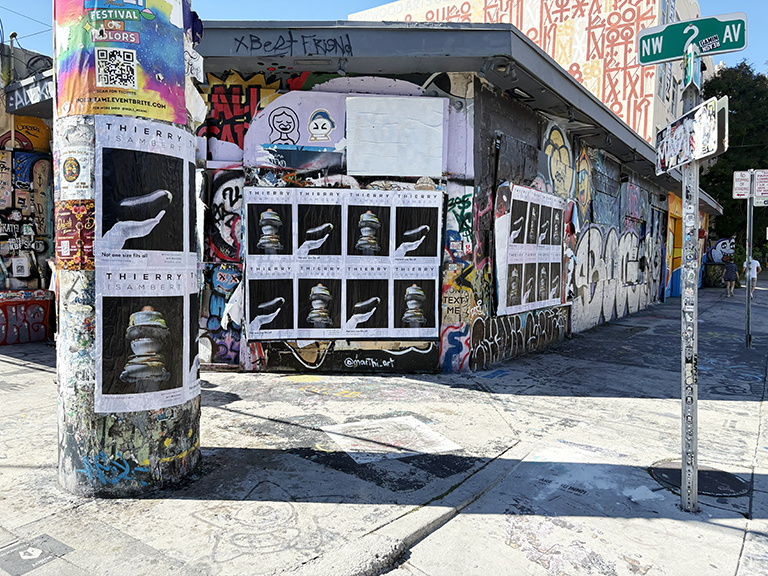
American Guerrilla Marketing has been executing snipe advertising campaigns across the United States for over a decade, and our Charleston operations reflect the same operational discipline we bring to every market. Every placement is GPS-documented, every campaign is followed by a full-service photo proof package, and every street team deployment in Charleston is executed by experienced personnel who understand local infrastructure, placement logistics, and campaign timing. Whether you are launching a fitness studio on the East Side, promoting an event at the Charleston Coliseum, building awareness for a real estate development near the downtown waterfront, or running a time-sensitive political campaign across Kanawha County, AGM’s snipe advertising service in Charleston delivers the street-level visibility your brand needs to break through.
AGM deploys GPS-documented snipe campaigns across downtown Charleston, East End, Capitol Street, and all surrounding Kanawha Valley neighborhoods. Standard and rush deployment available. Bundle with wheatpasting and save $1,000.
Disclaimer: All impression figures are estimates based on available municipal foot traffic data, WVDOT vehicle count reports, and AGM’s proprietary deployment analytics. Actual impressions will vary based on campaign zone, unit count, placement density, weather conditions, and campaign duration. Figures represent estimated reach for a standard 14-day campaign deployment unless otherwise noted.
| Zone / Neighborhood | Est. Daily Foot & Vehicle Traffic | Est. Impressions per Location (14-Day Campaign) | Best Campaign Types |
|---|---|---|---|
| Kanawha Boulevard East Corridor (downtown Charleston waterfront approach) | 18,000–24,000 vehicles/day; moderate pedestrian | 28,000–42,000 per snipe location | Event promotion, entertainment, real estate, financial services |
| Washington Street East / East End | 12,000–16,000 vehicles/day; strong residential foot traffic | 18,000–28,000 per snipe location | Healthcare, fitness, food & beverage, local service businesses |
| MacCorkle Avenue SE — Kanawha City | 22,000–30,000 vehicles/day; suburban commercial strip | 32,000–48,000 per snipe location | Retail, auto services, home services, QSR, franchise businesses |
| Summers Street / Quarrier Street — Government & Office District | 8,000–12,000 daily pedestrians and commuters | 12,000–22,000 per snipe location | B2B services, legal, professional services, political campaigns |
| Pennsylvania Avenue West — West Side | 9,000–14,000 vehicles/day; dense residential corridor | 14,000–24,000 per snipe location | Community services, healthcare outreach, entertainment, local retail |
| Location Name | Street / Address | Neighborhood | Est. Snipe Capacity | Best Campaign Type |
|---|---|---|---|---|
| Kanawha Boulevard East at Leon Sullivan Way | Kanawha Blvd E & Leon Sullivan Way, Charleston, WV 25301 | Downtown Charleston | 18–26 snipes per block | Event promotion, entertainment, real estate |
| Washington Street East at Elizabeth Street | Washington St E & Elizabeth St, Charleston, WV 25311 | East End | 14–20 snipes per block | Healthcare, fitness, food & beverage |
| MacCorkle Avenue SE at 35th Street | MacCorkle Ave SE & 35th St, Charleston, WV 25304 | Kanawha City | 20–30 snipes per block | Retail, QSR, franchise, auto services |
| Summers Street at Virginia Street West | Summers St & Virginia St W, Charleston, WV 25301 | Downtown / Government District | 12–18 snipes per block | Professional services, legal, political |
| Pennsylvania Avenue at 6th Avenue | Pennsylvania Ave & 6th Ave, Charleston, WV 25302 | West Side | 14–22 snipes per block | Community outreach, healthcare, local retail |
Award Winning Personalized Service
You will get thoughtful, devoted, and individualized attention from our experienced, qualified, and professional personnel. Being one of the most illustrious agencies in Brooklyn, New York, American Guerrilla Marketing has been awarded the Best of Brooklyn title.
Nationwide
Industry City, Brooklyn, New York 11232
American Guerrilla Marketing
Hours
Mon - Fri: 9 AM - 5 PM
Sat & Sun: Closed
Automate your campaign with AGM’s Request for Proposal Builder. Simply answer a few quick questions about your campaign goals, markets, and timeline, and the system will generate a tailored presentation with recommended strategies, quantities, and pricing. Click the RFP Builder to instantly receive your customized proposal.
Charleston’s street-level advertising environment is unusually receptive to snipe campaigns for reasons that are specific to how this city functions day to day. As the seat of West Virginia’s state government, downtown Charleston draws a consistent, high-volume commuter population that travels the same routes between the capitol complex, the downtown office core, and residential neighborhoods like the East End and South Hills with minimal variation. Workers driving
along Kanawha Boulevard, Capitol Street, and Quarrier Street in the morning and evening hours represent a captive audience that encounters the same signage placements repeatedly over days and weeks, compressing brand familiarity in ways that paid digital impressions rarely replicate. This repetition effect is one of the foundational mechanisms that makes snipe advertising disproportionately effective in commuter-heavy capital cities like Charleston.
Beyond the government corridor, Charleston’s geography creates natural chokepoints that concentrate foot and vehicle traffic. The Kanawha River bends around the city’s southern edge, funneling movement across a limited number of bridges and surface streets. The intersection zones around Virginia Street East, the US-60 corridor through Kanawha City, and the approaches to the South Side Bridge are among the highest-density exposure corridors in the metro area. Snipe placements at these chokepoints accumulate impressions from drivers, cyclists, and pedestrians who have no practical alternative route — a structural advantage that outdoor advertisers in grid-pattern cities without geographic constraints simply do not enjoy.
Charleston also benefits from a concentrated retail and dining culture in Elk City, the Capitol Market district, and along Bigley Avenue that draws residents across income brackets into a relatively compact walkable zone. Weekend foot traffic in these areas skews toward local residents rather than tourists, meaning snipe placements in and around the Capitol Market, Summers Street, and the surrounding blocks reach people who live and spend in the city year-round. Community-facing campaigns — from credit unions and healthcare networks to local restaurants and political advocacy groups — achieve unusually high message density in these zones because the audience is local, loyal, and physically present at street level.
AGM’s Birmingham snipe advertising service covers the full operational stack from creative consultation through field deployment and post-campaign documentation. Our core format offerings include the standard 9×12 snipe card — available in 400-unit and 800-unit deployments — and the 11×14 jumbo snipe, also available at 400 or 800 units, which provides a larger visual footprint on wider poles and fence-line surfaces across Birmingham’s industrial and entertainment corridors. For brands seeking maximum street saturation, our snipe and wheatpaste bundle combines both formats into a full-service street-level saturation package designed to dominate high-traffic corridors simultaneously. All deployments are supported by GPS-tagged post-installation photo documentation, giving Birmingham-area clients transparent proof of placement across every targeted zone.
A regional policy advocacy organization needed to build name recognition among West Virginia legislators, lobbyists, and capitol staffers during a legislative session. AGM deployed a snipe campaign along Capitol Street between Washington Street East and Kanawha Boulevard East, targeting the three-block stretch that connects the capitol building to the downtown hotel and restaurant cluster where session participants congregate. Placements were positioned at eye level on utility infrastructure facing pedestrian foot traffic heading toward the statehouse entrance. Over the six-week session window, the client reported direct outreach from multiple legislative aides and one agency director who had seen the campaign while walking to and from meetings. The campaign succeeded specifically because the placement geography matched the physical movement patterns of the intended audience with no wasted distribution.
A West Virginia-based healthcare provider expanding its outpatient clinic services along the US-60 corridor through Kanawha City needed to alert existing and prospective patients to new service locations before a facility opening. AGM executed a snipe campaign along MacCorkle Avenue SE between Kanawha City and the South Hills approaches, targeting commuter-facing placements at bus stops, intersection signage clusters, and high-foot-traffic retail blocks near the Kanawha City Shopping Center. The campaign ran for four weeks preceding the opening and was supplemented with secondary placements near the intersection of 35th Street SE and MacCorkle to capture both inbound and outbound traffic from the South Hills residential neighborhoods. Patient intake staff noted during onboarding interviews that multiple new patients mentioned seeing outdoor signage near MacCorkle Avenue as their initial point of awareness about the facility.
An arts and culture nonprofit organizing a recurring event series at venues along Virginia Street East and in the East End neighborhood engaged AGM to build awareness among Charleston’s younger professional and creative resident population. The campaign targeted the walkable blocks between Quarrier Street, Broad Street, and the Virginia Street corridor — an area with strong foot traffic from residents of the East End’s historic rowhouse blocks and apartment buildings. Snipe placements were concentrated near coffee shops, independent retail, and the pedestrian approach to the Clay Center for the Arts and Sciences. Post-event survey data collected by the client showed that more than 40 percent of first-time attendees cited seeing outdoor signage in the neighborhood as their primary discovery channel, outperforming the client’s social media and email outreach for new audience acquisition during the campaign period.
A locally owned home services company targeting South Hills homeowners needed a cost-effective way to reach residents in the upscale residential neighborhoods south of the Kanawha River without paying for broad metropolitan radio or television buys. AGM developed a snipe campaign focused on the primary arterials that South Hills residents use daily: Oakwood Road, Venable Avenue, and the approaches to the bridge crossings at Patrick Street and the South Side Bridge. Placements were sized and positioned to be readable at vehicle speed, with the company’s service category, phone number, and a short call to action comprising the full creative. Over the eight-week campaign, the client recorded a measurable increase in inbound service calls from South Hills zip codes that the owner directly attributed to the snipe campaign, describing it as the best cost-per-lead ratio of any marketing channel they had tested in the prior two years.
A new food and beverage brand preparing to enter distribution at Capitol Market and select Elk City retail accounts hired AGM to build pre-launch consumer awareness in the specific micro-geography where the product would first be available for purchase. The campaign placed snipe signage on the Smith Street and Quarrier Street approaches to Capitol Market, on the pedestrian corridors connecting the parking areas to the market entrance, and on utility infrastructure along Summers Street in the Elk City retail cluster. Creative emphasized the product’s West Virginia origin and its debut availability at Capitol Market, creating a discovery incentive for the market’s existing regular shopper base. On opening weekend, the brand sold out its initial Capitol Market inventory within three hours — a result the brand founders attributed in part to the street-level signage campaign that had been running in the immediate vicinity for the three weeks prior.
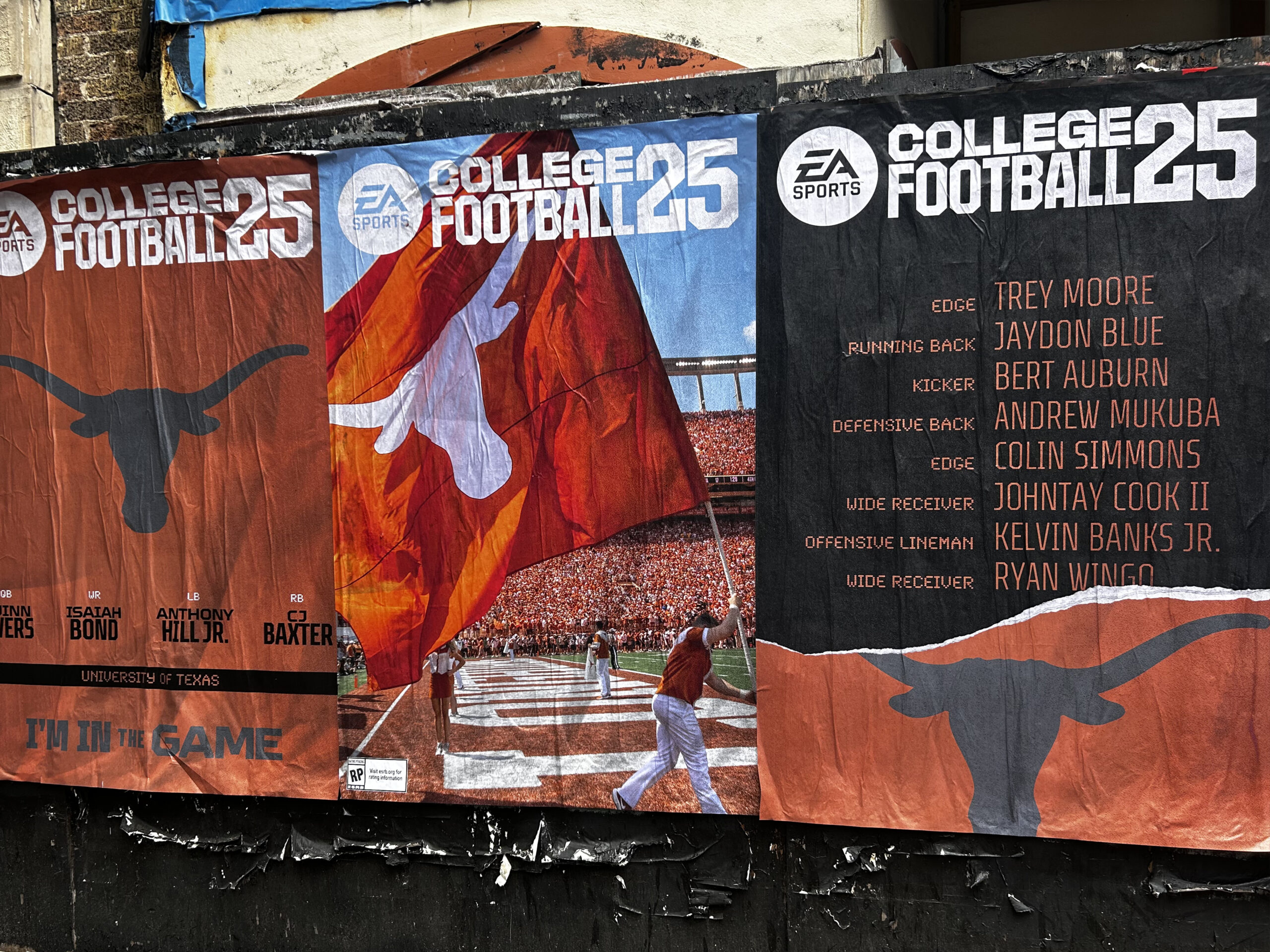
EA Sports partnered with AGM for a street-level activation campaign around the launch of EA Sports FC25, targeting high-density pedestrian areas where their gaming audience concentrates.
Result: Massive street-level visibility timed to the game’s release window.
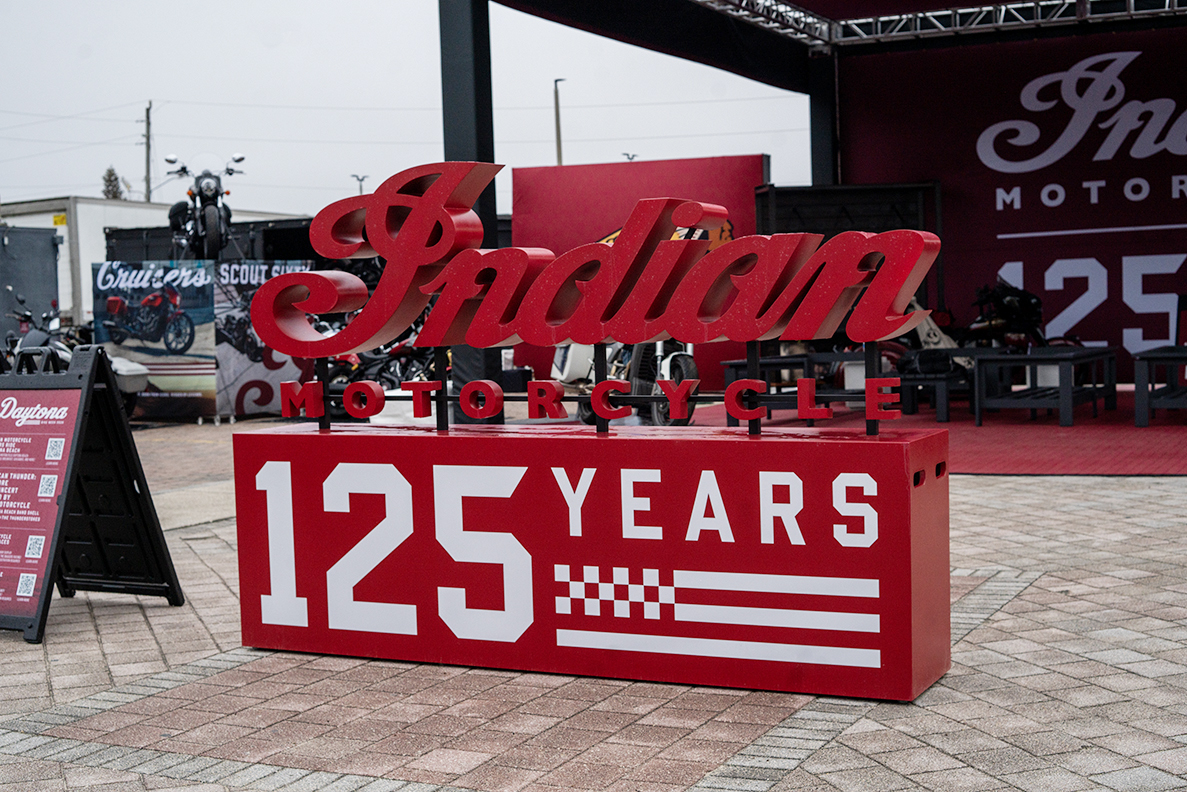
Indian Motorcycle partnered with AGM for a high-visibility activation during a major national motorcycle event, placing large-format street media that reached thousands of enthusiasts.
American Guerrilla Marketing has been executing snipe advertising campaigns across the United States since 2014, building a body of operational knowledge that directly benefits every client we serve in Charleston, West Virginia. What looks like a straightforward street-level sign placement is, in practice, the output of a system refined over hundreds of campaigns in capital cities, mid-size metros, college towns, and dense urban cores — each teaching our team something new about how geography, audience behavior, signage sightlines, and campaign timing interact to determine whether a snipe campaign merely appears in public or actually moves an audience. Charleston is not a generic deployment for us. It is a city we understand at the street level, from the morning commuter rhythms along Kanawha Boulevard to the weekend foot traffic patterns near Capitol Market, and that specificity is what separates an AGM campaign from a mass-produced sign drop. When you bring us into a Charleston campaign, you are accessing a decade of national experience applied with local precision — and that combination is what makes the difference between signage that gets noticed and signage that gets results.
The Capitol Street corridor, the East End along Virginia Street East, Kanawha City’s MacCorkle Avenue, and the Elk City and Capitol Market district consistently deliver the highest impression volume relative to placement count. South Hills arterials including Oakwood Road and Venable Avenue perform well for campaigns targeting upscale residential households. The right neighborhood for your campaign depends on your audience profile — a government-facing campaign and a residential services campaign call for completely different geographic footprints even within the same city.
Snipe advertising exists within a regulatory environment that varies by municipality and placement type. AGM’s team reviews applicable city ordinances, right-of-way regulations, and private property permissions before executing any campaign in Charleston. We do not place on protected historic structures, prohibited zones near the statehouse complex, or locations where municipal signage codes explicitly restrict temporary outdoor advertising. Our legal compliance process is built into every campaign before a single sign goes up.
Most Charleston campaigns run between two and eight weeks depending on campaign objectives and budget. Short-run campaigns of two to three weeks work well for event promotion, grand openings, and time-sensitive announcements. Longer runs of six to eight weeks are more effective for brand awareness, political campaigns during legislative sessions, and product launches where audience familiarity needs to build gradually. We can advise on optimal duration based on your specific goals and the neighborhoods you intend to target.
Placement selection in Charleston begins with a street-level audit of the target geography, identifying high-foot-traffic and high-vehicle-traffic nodes, sightline quality from common approach angles, proximity to relevant destinations, and compliance status. In the Capitol Street area, for example, we map pedestrian flows between parking structures, transit stops, and government building entrances. In Kanawha City, we analyze MacCorkle Avenue traffic patterns during commute windows. Every placement is selected to maximize the number of target-audience eyes that encounter the sign during its run, not simply to fill a geographic quota.
Yes — Charleston’s distinct neighborhood character makes demographic targeting through geography highly precise. South Hills placements reach higher-income homeowner households. East End placements index toward younger professionals and arts-engaged residents. Kanawha City placements reach a broad working-family demographic. Capitol district placements concentrate exposure among government workers, lobbyists, and policy professionals. By combining neighborhood selection with street-level placement logic, AGM can build a snipe campaign in Charleston that functions as a demographic targeting tool without requiring any digital data collection or programmatic infrastructure.
Standard snipe formats used in Charleston range from small utility-post signs at roughly 11 by 17 inches up to larger placard formats at 18 by 24 inches or custom dimensions suited to specific placement surfaces. Format selection depends on the viewing distance and speed of the target audience — pedestrian-facing placements in the Capitol Market area can use smaller, detail-rich formats, while vehicle-speed placements along MacCorkle Avenue or Kanawha Boulevard require larger formats with simplified creative. AGM’s production team assists clients in adapting existing creative assets or developing new designs optimized for the specific placements in their Charleston campaign.
Digital advertising in the Charleston market faces structural limitations that snipe advertising does not. Ad blocker penetration continues to increase, social platform algorithm changes affect organic and paid reach unpredictably, and digital impressions are delivered in private browsing contexts that do not generate the social proof that public street signage creates. A snipe sign on Capitol Street is seen simultaneously by dozens of pedestrians who may discuss or share the sighting, creating earned amplification that a served digital impression cannot replicate. For campaigns targeting Charleston residents who move through specific neighborhoods physically, snipe advertising frequently delivers lower cost-per-aware-consumer than equivalent digital spending.
Yes. AGM executes campaigns throughout the Charleston metropolitan area, including St. Albans along US-60 west, Dunbar, South Charleston along MacCorkle Avenue SW, and the Teays Valley and Cross Lanes areas in Putnam County. For clients whose customer base spans the broader Kanawha Valley region, we build multi-zone campaigns that extend snipe placements along the primary arterials connecting outlying communities to the Charleston core, ensuring that commuters and regional shoppers encounter campaign messaging throughout their travel patterns rather than only within the city limits.
Standard campaign launch turnaround from signed agreement to first placements in the field is five to ten business days, depending on whether creative assets are provided by the client or require production support from AGM. Rush timelines are available for clients with urgent needs — we have executed Charleston-area campaigns from initial contact to deployed signage in as few as 72 hours when client creative was print-ready and placement geography had been pre-identified. Contact us early in your planning cycle for the most flexibility, but do not assume a tight deadline disqualifies you from running a snipe campaign.
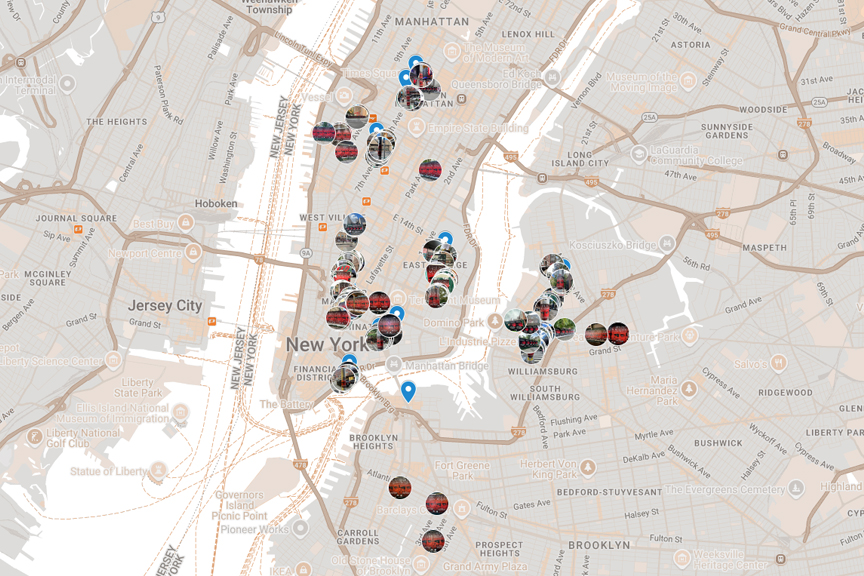
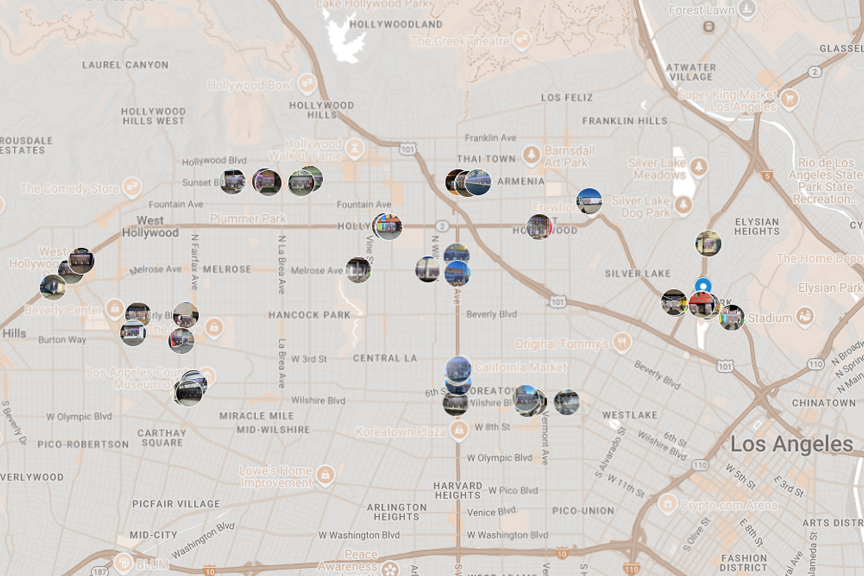
AGM provides photographic documentation of all placements, including timestamped installation photography for each location. Clients receive a placement map showing every sign location with address-level precision, allowing internal teams to cross-reference placement geography against their own sales, inquiry, or engagement data. For clients running concurrent digital campaigns, snipe geography can be used to define geofencing boundaries for mobile retargeting, creating a measurable attribution bridge between street-level exposure and digital engagement. Post-campaign debrief calls are available for clients who want strategic analysis of placement performance and recommendations for future campaign optimization in the Charleston market.