American Guerrilla Marketing
Nationwide serivce
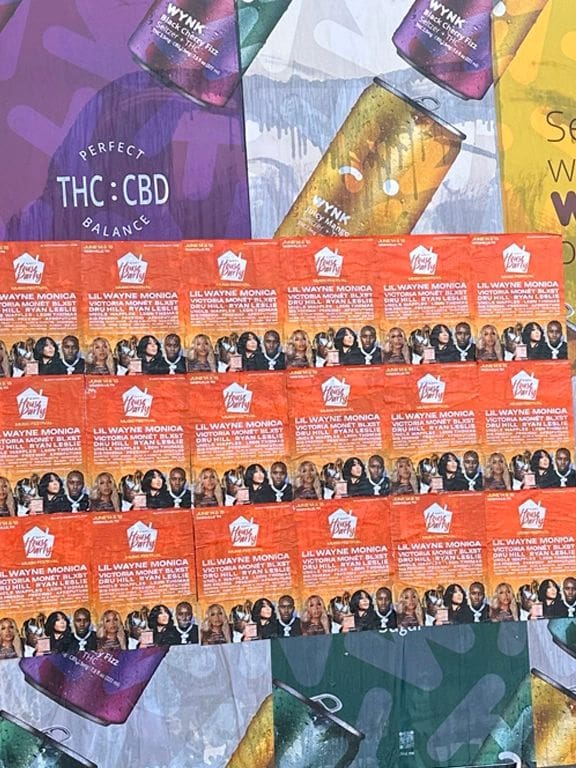
Media planning, media buying, billboard advertising, & guerrilla marketing
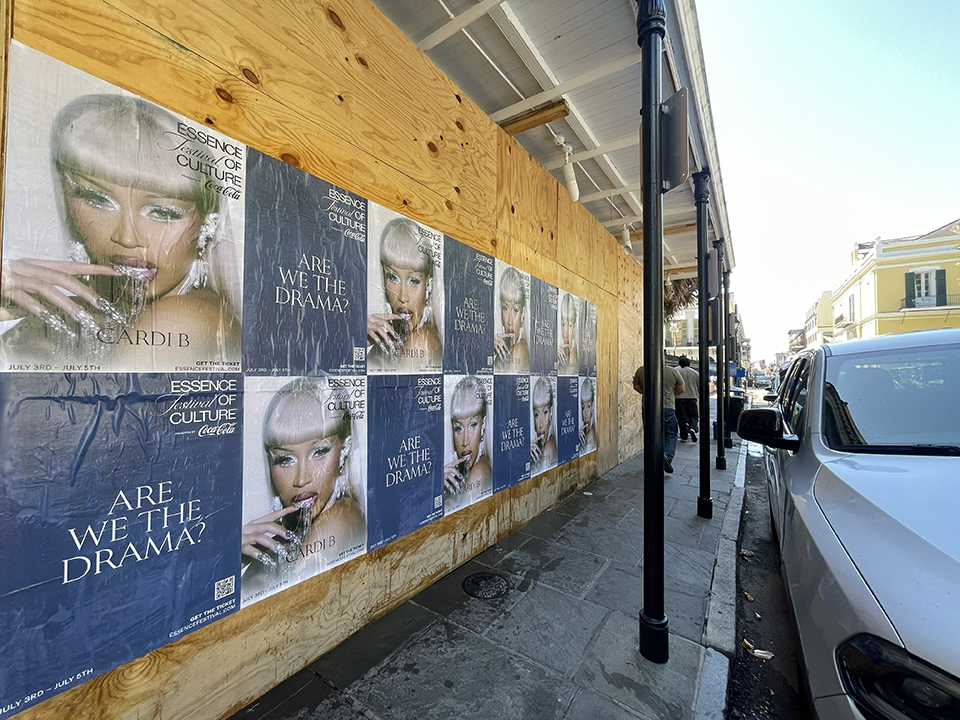
Massachusetts is one of the most strategically dense states in the country for street-level advertising. From the compressed urban grid of Boston’s neighborhoods — where 700,000 people live within 48 square miles — to the academic corridors of Cambridge, the industrial revival of Worcester, and the community-anchored streets of Springfield, the Commonwealth offers a remarkable diversity of pedestrian environments that make snipe advertising an unusually powerful tool. In a state where foot traffic is driven by some of the world’s most concentrated clusters of universities, hospitals, tech campuses, and transit hubs, getting your brand message posted at eye level on the right corner at the right time is not a gimmick — it is a precision marketing decision with measurable reach and verifiable placement.
Snipe advertising works in Massachusetts because Massachusetts residents move through their cities on foot, by bicycle, and by public transit in ways that few other American states replicate at scale. The MBTA’s network of subway, bus, and commuter rail lines moves millions of passengers every week, and the corridors surrounding those transit stops — the half-mile pedestrian radius that commuters walk to and from stations — represent prime snipe placement territory. In neighborhoods like Allston, the South End, Jamaica Plain, Central Square, and Shrewsbury Street in Worcester, foot traffic densities rival Manhattan blocks. That density is exactly where snipe advertising earns its keep: repetitive, unavoidable, hyper-local visibility that no digital platform can replicate at ground level.
American Guerrilla Marketing has been deploying snipe campaigns across Massachusetts for years, building the location intelligence, deployment logistics, and creative production infrastructure to run campaigns that actually perform. Whether you are launching a fitness studio in Boston’s Fenway neighborhood, promoting a regional event in Springfield, advertising an apartment complex near MIT in Cambridge, or building brand awareness for a consumer product across all four major Massachusetts markets simultaneously, AGM brings the same rigorous approach to every deployment: strategic location selection, durable materials, GPS-documented placement, and transparent reporting that lets you see exactly what you bought and exactly where it ran. This page details everything you need to know about snipe advertising in Massachusetts — the markets, the mechanics, the results, and how to get started.
Massachusetts Snipe Network: 4 Primary Markets — Boston, Cambridge, Springfield, Worcester — Combined Estimated Daily Foot Traffic Exposure: 1.2M+ Impressions Across Active Deployment Zones — Average Campaign Duration: 14–21 Days
AGM builds and executes snipe campaigns from the ground up — strategy, print, deployment, and GPS documentation included. Tell us your Massachusetts market and your goal, and we will build a plan around it.
| City | Est. Daily Foot Traffic | Est. Impressions (14-Day) | Top Snipe Zones |
|---|---|---|---|
| Boston | 380,000+ | 5,300,000+ | Allston, South End, Fenway, Jamaica Plain, Back Bay, South Boston, Roxbury, Downtown Crossing |
| Cambridge | 210,000+ | 2,940,000+ | Harvard Square, Central Square, Inman Square, MIT Corridor (Massachusetts Ave), Porter Square, Kendall Square |
| Worcester | 95,000+ | 1,330,000+ | Shrewsbury Street, Canal District, Downtown Worcester, Main Street, Clark University Corridor, Kelley Square |
| Springfield | 72,000+ | 1,008,000+ | Main Street Downtown, Liberty Street, Bay Street, Forest Park, State Street, MGM District |
| City | Best Snipe Zones | Estimated Snipe Capacity (14-Day Run) | Best Brand Types |
|---|---|---|---|
| Boston | Allston Rock City corridor, Newbury Street approaches, MBTA Green Line stops, South Boston waterfront, Jamaica Plain Centre Street | 200–500+ placements | Fitness, nightlife, events, real estate, food & beverage, consumer apps, entertainment, health services |
| Cambridge | Harvard Square T stop radius, Central Square pedestrian corridor, MIT’s Massachusetts Ave strip, Kendall Square tech campus edges | 100–300+ placements | Education, tech startups, health & wellness, coffee and food brands, recruitment, research services |
| Worcester | Shrewsbury Street restaurant row, Canal District entertainment zone, Clark University and WPI campus corridors, downtown Main Street | 80–200+ placements | Restaurants, entertainment venues, fitness, real estate, local services, event promotion |
| Springfield | Main Street downtown, State Street commercial corridor, MGM Springfield perimeter, Forest Park residential approaches | 60–150+ placements | Community events, healthcare, food & beverage, real estate, local retail, entertainment |
| MetroWest / Suburban MA | Route 9 commercial corridor, Framingham downtown, Natick retail zones, suburban town centers | 50–120+ placements | Real estate, home services, retail grand openings, fitness studios, local events |
Award Winning Personalized Service
You will get thoughtful, devoted, and individualized attention from our experienced, qualified, and professional personnel. Being one of the most illustrious agencies in Brooklyn, New York, American Guerrilla Marketing has been awarded the Best of Brooklyn title.
Nationwide
Industry City, Brooklyn, New York 11232
American Guerrilla Marketing
Hours
Mon - Fri: 9 AM - 5 PM
Sat & Sun: Closed
Automate your campaign with AGM’s Request for Proposal Builder. Simply answer a few quick questions about your campaign goals, markets, and timeline, and the system will generate a tailored presentation with recommended strategies, quantities, and pricing. Click the RFP Builder to instantly receive your customized proposal.
Massachusetts is defined by its walkability, its transit culture, and its extraordinary concentration of educated, engaged, brand-aware consumers. The state has the highest density of college students per capita of any state in the country — more than 400,000 enrolled students at colleges and universities across Massachusetts, with the heaviest concentration in the Boston-Cambridge metro. These demographics are notoriously resistant to traditional advertising formats; they use ad blockers, skip pre-rolls, and fast-forward through commercials. But they walk through Allston every day. They exit Central Square station every morning. They cut through Kendall Square on the way to the lab. They pass the same corner of Massachusetts Ave and Prospect Street thirty times a month. That is precisely where snipe advertising creates its value — not by interrupting an algorithm feed but by being physically present at the location where the consumer already is, at the moment they are already moving through their world and making decisions about where to eat, what to join, where to live, and what to buy.
Beyond the student demographic, Massachusetts’s urban cores support an exceptionally dense professional population of knowledge workers, healthcare professionals, biotech researchers, and creative industry workers who commute via the MBTA, walk to lunch, and live in high-density residential neighborhoods within a mile of major transit hubs. Boston’s Seaport District, the Longwood Medical Area, the Innovation District, and Cambridge’s Kendall Square biotech cluster all generate massive weekday foot traffic from affluent, decision-making professionals. Snipe advertising placed in the corridors surrounding these zones — on the utility poles, at the intersection corners, on the walls visible from the sidewalk — reaches these consumers at a cost-per-impression that digital display advertising simply cannot compete with. Add to this Massachusetts’s culture of community engagement, neighborhood identity, and local brand loyalty, and the case for snipe advertising becomes overwhelming: no other small-format medium achieves this level of hyper-local penetration at this scale of efficiency.
AGM delivers end-to-end snipe advertising services across Massachusetts, handling every element of the campaign lifecycle from initial strategy and location mapping to print production, physical deployment, and post-campaign GPS documentation. For Massachusetts clients, this means access to a fully managed service that begins with a detailed market analysis of your target city or cities — identifying the specific corridors, intersections, transit zones, and pedestrian hotspots where your brand will generate the greatest impression volume. AGM then produces durable, weather-resistant coroplast snipe signs or full-color poster snipes using materials appropriate for Massachusetts’s variable climate, and deploys them through an experienced on-the-ground team with deep local knowledge of each Massachusetts market. Clients receive a full-service post-deployment report with GPS-stamped photography for every placement, giving you complete transparency and accountability. Whether your Massachusetts campaign involves 50 yard snipes in a single Springfield neighborhood or 400 pole snipes spread across Boston, Cambridge, and Worcester simultaneously, AGM’s infrastructure is built to execute at every scale.
Harvard Avenue & Brighton Avenue, Allston, Boston, MA 02134
The intersection of Harvard Avenue and Brighton Avenue in Allston is one of the most active snipe deployment zones in all of Massachusetts. Allston’s dense concentration of students, young professionals, musicians, and artists — combined with its packed restaurant strip, live music venues, and relentless pedestrian foot traffic — creates the kind of captive audience that snipe advertising was designed for. Utility poles along this corridor carry messaging that reaches thousands of walkers, cyclists, and MBTA bus riders daily. Brands advertising fitness, entertainment, food delivery, apartment rentals, and consumer products consistently generate
Here is the seamless continuation:
strong engagement results in this neighborhood. Whether you’re launching a new product, promoting a local event, or building sustained brand awareness across Boston’s most walkable district, snipe advertising in Allston delivers measurable street-level presence that digital campaigns simply cannot replicate.
“Working with Justin at Guerrilla Marketing has been an exceptional experience from start to finish. Justin doesn’t just execute — he strategizes. He understands visibility, timing, and brand positioning at a very high level, and he genuinely cares about aligning opportunities with your bigger vision. If you’re looking for someone who understands high-impact marketing and how to steward a brand moment with excellence, Justin is your person.”
“We had a last-minute idea to launch a snipe campaign and Justin didn’t hesitate — ‘No problem, we can make it work.’ From start to finish the entire experience was seamless. Justin collaborated with us every step of the way to bring to life something that frankly felt impossible. He’s a true marketing wingman.”
“Justin and his team are true professionals. With a moving deadline, Justin and his team were flexible and always kept me up to speed on where we were at on the project. A very cool concept and effective way to market your product.”

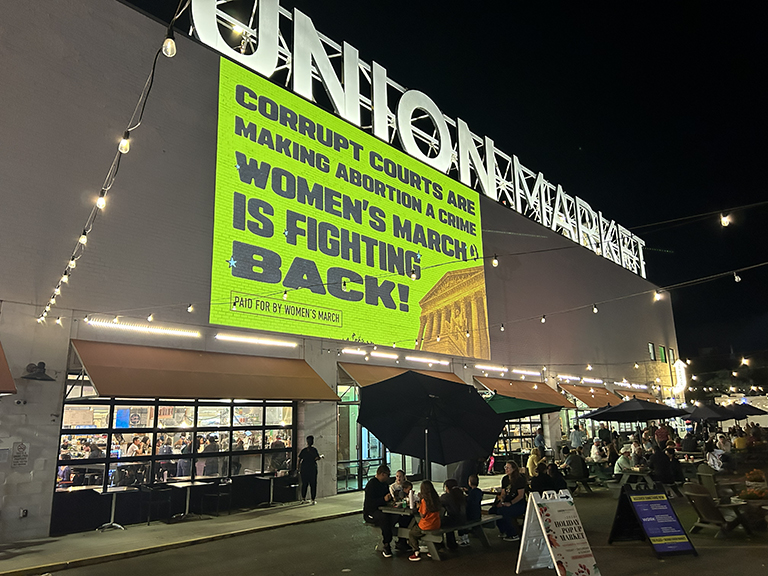
Wispr Flow, an AI tech startup, used AGM’s street-level campaign format to position their product against legacy competitors — placing snipes and street media in innovation-dense urban corridors.
Result: Brand challenger positioning established through precision street placement.
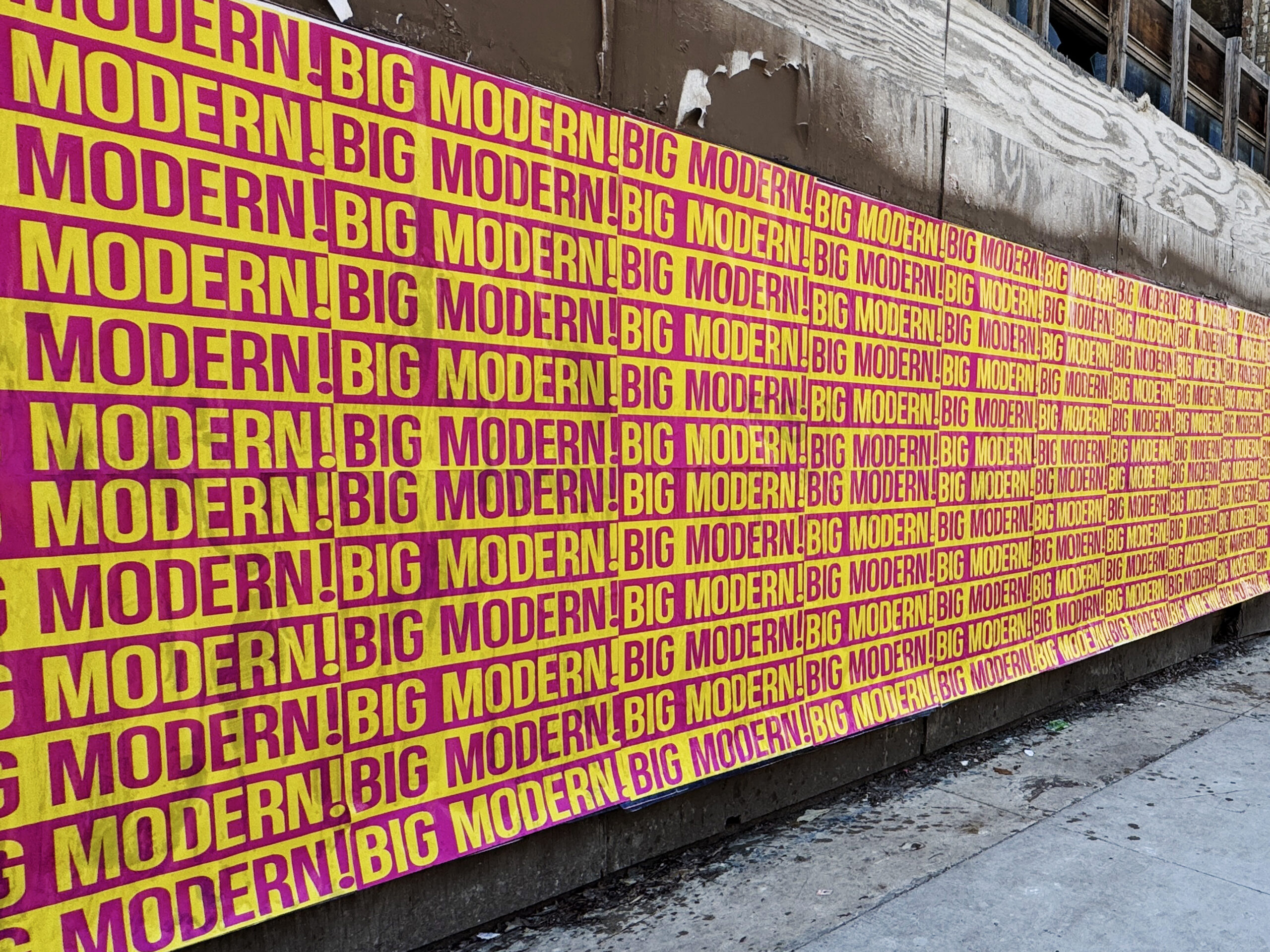
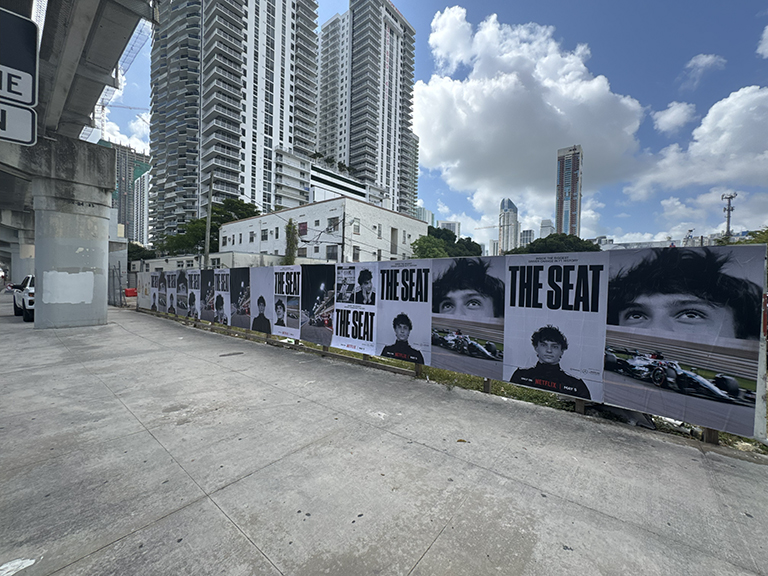
Big Modern ran a coordinated snipe and street-level campaign across five major U.S. cities simultaneously, using AGM’s national network to execute consistent brand presence at scale.
Result: Unified brand rollout across five markets in under two weeks.
01


Glenn Maxwell
5/5 Google Review
02
Leo Williams
5/5 Google Review
03
Sara Demiri
5/5 Google Review
American Guerrilla Marketing has spent more than a decade executing snipe advertising campaigns across the country’s most competitive urban markets — and that depth of experience is reflected in every Massachusetts campaign we run. We don’t treat snipe placement as a commoditized print-and-staple operation. We approach each deployment as a precision street-level media buy, informed by years of field intelligence about pedestrian behavior, high-visibility pole and surface locations, timing windows, and neighborhood-specific audience segmentation. When we work in Massachusetts — whether that’s along the MBTA corridors of Cambridge, the arts districts of Worcester, the dense retail strips of Allston, the downtown core of Boston, or the community thoroughfares of Springfield — we bring the same strategic rigor that has made our campaigns consistently effective for clients in New York, Los Angeles, Chicago, Miami, and beyond.
Our process begins before a single snipe is printed. We conduct location scouting and route planning built to your target demographic, ensuring your messaging lands where your audience is already moving. We manage production, deployment logistics, and timing with a level of operational discipline that distinguishes professional snipe campaigns from amateur flyering. Our teams understand Massachusetts municipalities, local compliance considerations, and the environmental factors that affect snipe longevity and visibility. The result is a campaign that doesn’t just go up — it performs. Whether you’re a national brand activating in a new market, a regional company expanding your footprint, or a local business deepening your neighborhood presence, AGM delivers snipe advertising in Massachusetts that generates real-world impressions, brand recall, and measurable consumer response. Ten years of national campaign experience means we’ve already solved the problems most agencies haven’t encountered yet — and that institutional knowledge goes to work for you from day one.
These real AGM campaigns show how we think about snipe advertising strategy — from placement methodology to results. Each one reflects the same approach we bring to every Massachusetts campaign.
Massachusetts demographics shift dramatically from east to west. Greater Boston and Cambridge skew toward young professionals, graduate students, and tech workers—many aged 22-40 with disposable income and urban lifestyles. Harvard Square, Allston, and Somerville reach college populations from over 100 universities in the metro area. Worcester’s demographics trend working-class and increasingly diverse, with growing Latino and Southeast Asian communities responding well to street-level messaging. Springfield and the Pioneer Valley have distinct audience segments: a mix of blue-collar workers, students from UMass Amherst and the Five Colleges, and an established Puerto Rican community that’s been there for generations. Cape Cod and the Islands attract seasonal wealthy demographics in summer but year-round residents tend older and more moderate income. The North Shore communities like Salem and Gloucester blend fishing industry heritage with Boston commuters. AGM designs placement strategies around these regional differences, ensuring your snipe campaign speaks to the right audience in each Massachusetts market.
National brands entering Massachusetts face a skeptical consumer base that values local authenticity over corporate polish. Snipe advertising helps bridge that gap. We’ve seen beverage companies place pole snipes throughout Allston, Jamaica Plain, and Davis Square before launching in local package stores—building street credibility that traditional billboards can’t achieve. Tech brands often saturate the Kendall Square to Seaport corridor to reach Boston’s innovation workforce before product launches. Retail chains use snipe campaigns in gateway cities like Lowell, Lawrence, and Fall River to establish presence in working-class communities often ignored by bigger OOH formats. The strategy works because Massachusetts consumers, particularly in Boston, are brand-skeptical and respond better to advertising that feels embedded in their neighborhoods rather than imposed from above. AGM helps national clients identify the specific neighborhoods where their target customers live, work, and commute, then places snipes at eye level along those daily routes.
Massachusetts tourism runs strong from April through October, with distinct visitor patterns AGM knows how to target. Freedom Trail foot traffic in downtown Boston brings millions annually—snipes along Congress Street, Hanover Street in the North End, and near Faneuil Hall reach tourists actively exploring. Cape Cod Route 6A and the Provincetown commercial district capture summer vacation crowds seeking restaurants, tours, and entertainment. Salem sees massive October foot traffic during Halloween season; we’ve placed campaigns there for haunted attractions, restaurants, and retailers that see huge returns during that six-week window. The Berkshires draw fall foliage tourists and summer Tanglewood concertgoers—different crowds requiring different messaging. Martha’s Vineyard and Nantucket are accessible via ferry towns like Hyannis and Falmouth, where snipes catch visitors before they board. Ski season brings tourists to North Adams and the Berkshires again. AGM times and places campaigns around these predictable seasonal patterns to maximize visitor impressions without wasting budget during shoulder seasons.
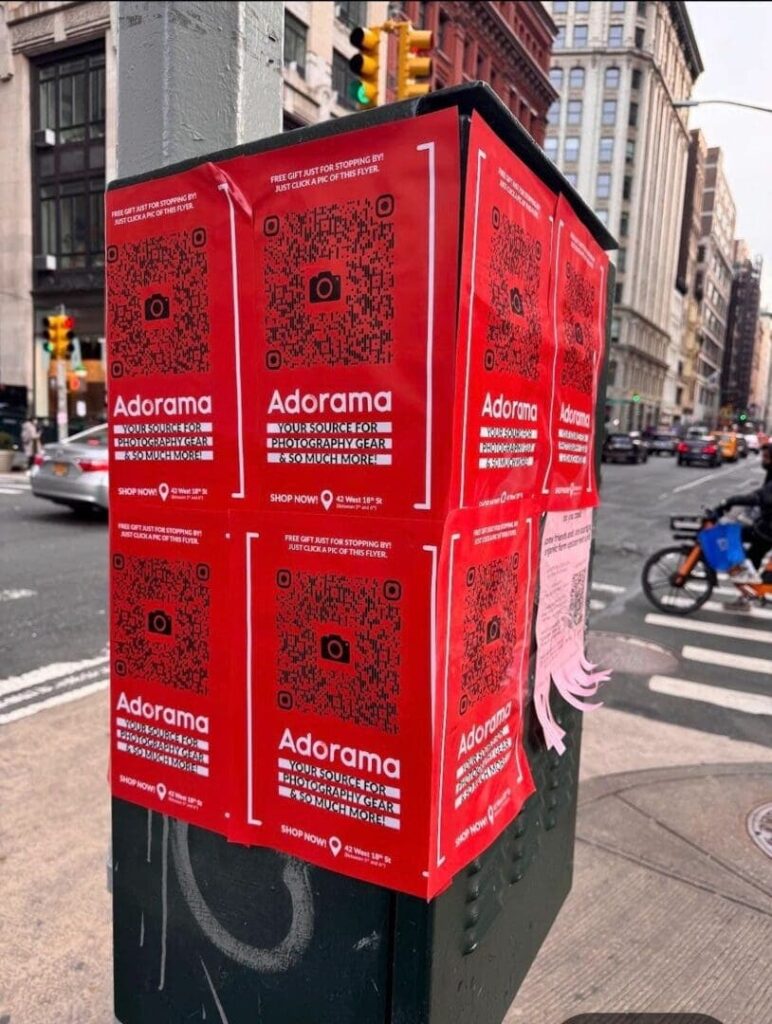
Massachusetts has one of the most digitally connected populations in the country, making snipe-to-digital integration especially effective here. In Cambridge and Somerville, we’ve run snipe campaigns with QR codes that drove app downloads for local startups—tech-savvy residents actually scan them, unlike many markets. Geofencing around snipe locations in Boston lets you retarget people who walked past your signs with mobile ads later that day. For brands targeting college students, snipes near BU, Northeastern, and MIT campuses paired with Instagram geo-targeted ads create repetition that sticks. We’ve also seen success using snipe campaigns to drive traffic to landing pages during Boston-specific events like the Marathon, Head of the Charles, or First Night. The key is ensuring your street presence and digital presence tell the same story. AGM coordinates placement data with your media buying team so geofencing matches actual snipe locations throughout Eastern Massachusetts, Worcester County, or wherever your campaign runs.
Start with your customer profile and work backward. If you’re targeting college students, focus on Boston’s Allston-Brighton, Cambridge, Amherst, and Worcester near Clark and Holy Cross. For young professionals with money, prioritize the Seaport, South End, Brookline, and Somerville’s Assembly Row area. Blue-collar consumers respond well to campaigns in Lowell, Lawrence, Brockton, and New Bedford—gateway cities with high foot traffic downtown but less advertising clutter than Boston. If you’re a regional business serving Western Massachusetts, Springfield and Northampton give you the best population density. Don’t spread too thin; five hundred signs across the whole state won’t work. Better to saturate two or three cities thoroughly than sprinkle everywhere. AGM typically recommends starting with one primary market, achieving density there, then expanding. We’ll also consider your distribution—there’s no point advertising in Fall River if your product isn’t sold south of Boston yet.
True statewide saturation across Massachusetts typically requires $35,000-$50,000 for a meaningful four-week campaign. That covers the major population centers: Greater Boston and Cambridge, Worcester, Springfield, Lowell, New Bedford, Fall River, and the North Shore. However, most clients don’t actually need statewide coverage. If your business operates primarily in Eastern Massachusetts, $15,000-$20,000 gets you strong density from Boston through Worcester with solid presence in the 495 belt communities. A Boston-only campaign with real neighborhood penetration—covering Downtown, Back Bay, South Boston, Allston, Jamaica Plain, Cambridge, and Somerville—starts around $8,000-$12,000. Western Massachusetts including Springfield, Northampton, and the Berkshires can run $6,000-$10,000 separately. AGM doesn’t recommend spreading a small budget statewide; you’ll get better results dominating one region than being barely visible everywhere. We’ll help you identify which markets matter most for your specific goals and allocate accordingly.
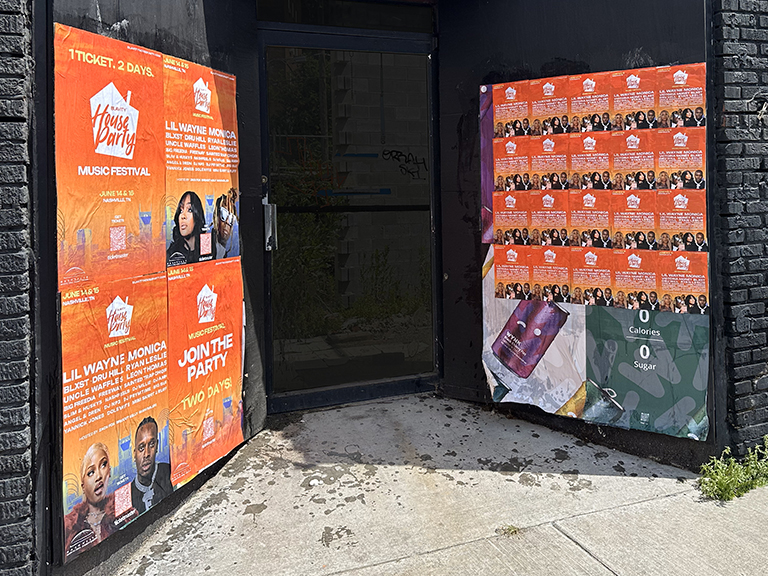
Massachusetts entertainment venues are concentrated but geographically spread, requiring strategic snipe placement. For shows at TD Garden or MGM Music Hall at Fenway, we saturate the Red and Green Line corridors plus Kenmore Square and Lansdowne Street—catching concertgoers in the days before the event. Worcester’s DCU Center draws from a different radius, so we place snipes along Main Street, Canal District, and in suburban commuter parking areas. The Wang Theatre and Orpheum pull from Back Bay and downtown foot traffic. For smaller venue shows at Brighton Music Hall, Paradise Rock Club, or Roadrunner, hyper-local placement in Allston and Cambridge works best. Touring acts typically want two-week flights leading into show dates. AGM has placed campaigns for comedy tours, Broadway productions at the Boston Opera House, Berkshire Theatre Festival shows, and arena concerts. The key is matching placement to where ticket buyers actually live and commute, not just near the venue itself.
Billboards in Massachusetts are heavily restricted—the state banned new billboard construction decades ago, making existing inventory expensive and limited. You’re competing for a handful of spots along I-93, I-95, and the Pike at premium rates. Transit advertising on the T reaches commuters but costs add up quickly and your ad sits alongside dozens of others inside cars. Snipe advertising operates at street level where people actually walk, wait for buses, and enter businesses. In pedestrian-heavy areas like Harvard Square, Downtown Crossing, or Newbury Street, snipes get direct eye contact that highway billboards can’t achieve. Production costs are dramatically lower—you’re not paying for massive vinyl prints or transit authority fees. AGM can deploy a full Boston snipe campaign for what a single billboard location costs monthly. Plus, snipes can go exactly where your customers are: outside specific venues, in particular neighborhoods, along commute routes. That precision targeting doesn’t exist with traditional Massachusetts OOH formats.
Certain Massachusetts industries consistently invest in snipe advertising because it matches their customer acquisition needs. Cannabis dispensaries, now legal recreationally, use snipes heavily since they’re restricted from most traditional advertising—you’ll see campaigns throughout Boston, Worcester, and Springfield where foot traffic meets dispensary locations. Local breweries and craft beverage brands use snipes to build neighborhood credibility before expanding distribution. Healthcare companies, particularly urgent care chains expanding into new markets, deploy snipes in suburban downtowns across the 128 corridor. Education—trade schools, coding bootcamps, community colleges—advertises via snipes near public transit to reach working adults. Political campaigns during Massachusetts election cycles use snipes aggressively, especially in primary races where name recognition matters. Entertainment and nightlife rely on snipes for club nights, comedy shows, and local concerts. Restaurants opening new locations use snipes for soft launch awareness. These industries share a common need: reaching specific neighborhood audiences without the waste of broadcast or highway advertising.
Rush capability varies significantly across Massachusetts markets. In Greater Boston and Cambridge, AGM maintains inventory and crew capacity for 48-72 hour deployment on most campaigns—we’re there constantly and know every placement opportunity. Worcester and the 495 corridor communities we can typically execute within three to four days. Springfield and Western Massachusetts require slightly more lead time, usually five to seven days, since crew logistics take longer. Cape Cod during summer season needs advance planning; shoulder seasons are more flexible. For true emergency timelines—24-48 hours—we can cover core Boston neighborhoods but can’t guarantee full regional reach. Rush campaigns do cost more due to overtime crew rates and expedited printing. If you’re promoting a pop-up event, responding to competitor activity, or have a last-minute product launch, call AGM directly rather than emailing. We’ve executed same-week campaigns for film releases, concert announcements, and product drops when clients needed speed over perfect coverage.