
January 12, 2026 Wheatpasting & Poster Campaigns
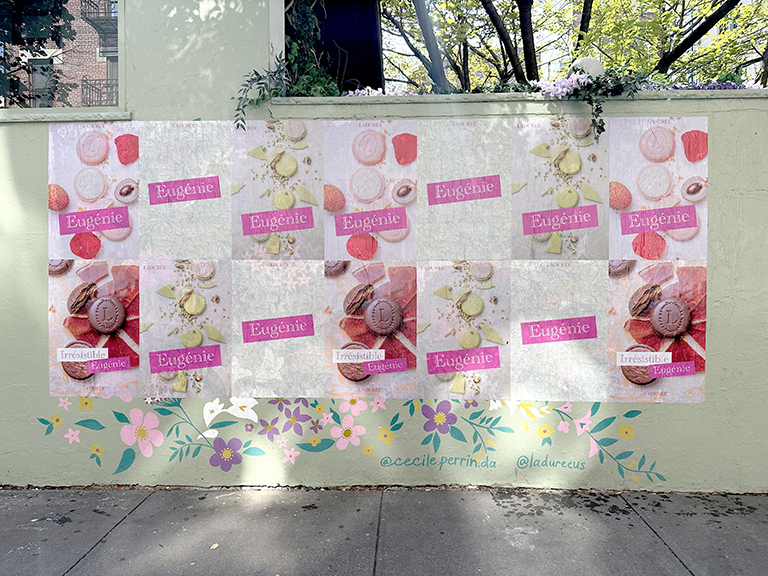
The strongest argument for guerrilla marketing isn’t that it’s cheaper than conventional outdoor or more authentic than digital — it’s that it reaches people at the exact moments when commercial encounters are most genuine. When your audience is navigating the physical environments where they live and make decisions, a well-placed campaign creates brand memory that compounds through repeated exposure along the same routes.
Wheat paste posting places large-format posters directly in your audience’s physical environment using water-based adhesive. American Guerrilla Marketing plans and executes wheatpaste campaigns across major U.S. cities, targeting high-traffic corridors, creative neighborhoods, and event zones to build brand recall through repeated street-level impressions.
What makes wheatpasting worth understanding in depth is the gap between campaigns that generate impressions and campaigns that generate results. The best campaigns are built around audience movement patterns, not just surface availability — they place messages where the right people walk, dwell, and return repeatedly, which drives the frequency that builds real brand memory. The format also benefits from organic amplification: quality street-level work in high-visibility environments gets photographed and shared, multiplying the original media investment without additional spend.
This article covers the tactical and strategic fundamentals of wheatpasting — how campaigns are structured, what execution looks like in practice, how to evaluate format options against objectives and budget, and what distinguishes campaigns that move the needle from campaigns that just spend money. Whether you’re planning a first activation or optimizing an existing street-level program, the information below gives you a grounded framework for making smart decisions and getting measurable outcomes.
A wall in April is not the same wall you pasted in October. It might be carrying winter residue you cannot see at first glance: road salt dusted up from traffic, soot from plows and idling cars, powdery paint oxidation, and grime baked into porous masonry. Even when a surface looks clean, it can still behave like it has a thin nonstick layer. This invisible contamination layer is the first enemy of spring wheatpaste advertising campaigns.
Moisture adds another complication. Spring rain is obvious. Morning dew is quieter, and it ruins installs just as efficiently. If the wall is cool enough to condense moisture overnight, the surface can feel dry to your hand while still holding a film of dampness that weakens adhesion. This moisture film sits between your paste and the substrate, creating a slip plane that allows gravity to pull posters down within hours of installation.
Temperature fluctuation plays a critical role too. Spring walls experience dramatic temperature swings between sunny afternoons and cold nights. A brick wall might reach 70 degrees by 2 PM and drop to 45 degrees by midnight. These temperature changes cause expansion and contraction in both the substrate and your poster, creating stress points that can lead to edge lift, bubbling, and premature failure. The paste itself can behave differently as temperature changes alter its viscosity and drying characteristics.
This is why experienced wheat paste posting teams treat spring as a transitional season. The goal is not to fight the weather. The goal is to wait for the wall to stabilize, then move decisively. Experienced installers understand that a wall needs several consecutive days of stable, dry weather before it’s truly ready for premium work. The surface must not only be dry but must have released the moisture it absorbed during winter months. Porous materials like brick, concrete block, and unfinished wood can hold moisture deep within their structure, releasing it slowly over days or even weeks.
Professional crews test wall readiness by checking surface temperature, looking for color variations that indicate moisture, and simply waiting an extra day when conditions seem borderline. The most successful spring campaigns are the ones that begin with patience, recognizing that a wall that survived winter still needs time to become installation-ready.
The paste recipe matters. Paper choice matters. Placement matters. Still, the most expensive failure is the one caused by timing, because it wastes everything at once. A perfectly mixed paste applied to a beautiful poster on a strategically selected wall becomes worthless if installed at the wrong moment. Spring timing is basically about respecting drying cycles, understanding environmental conditions, and recognizing that the calendar date matters far less than the actual conditions on the street.
A good install window often starts later than people want. Morning can be the trap: overnight lows, condensation, and shaded corridors that stay cool all combine to keep surfaces damp longer than expected. Even if it has not rained for a day, a wall can still be “wet enough” to cause edge lift. The north sides of buildings, alleyways, and areas under scaffolding or overhangs can remain cool and damp well into the afternoon, even on sunny days. These microclimates require special attention and often need to be avoided entirely during marginal weather conditions.
American Guerrilla Marketing approaches spring wheatpasting with a scheduling mindset that looks less like a mad dash and more like field operations. Crews watch the weather, then they watch the street, then they watch the wall. Multi-day forecasts provide the strategic framework, but real-time observation determines tactical execution. A forecast calling for sunny skies means nothing if you arrive at the wall and find it still cold and damp from overnight conditions.
Experienced installers develop an intuition for timing by touching walls, observing how quickly water evaporates from test areas, and noting how the sun moves across different locations throughout the day. A wall that receives full sun from 10 AM to 2 PM might be installation-ready by noon on a good day, while a perpetually shaded wall on the same block might not be suitable until late spring when ambient temperatures rise enough to compensate for lack of direct solar heating.
Wind conditions also factor into timing decisions. Light wind accelerates drying and can be beneficial, but strong wind creates challenges with poster handling, paste application, and dust contamination. Spring wind patterns tend to be variable and gusty, requiring crews to adapt their techniques or wait for calmer periods. The best installation windows combine moderate temperatures, low humidity, light wind, and surfaces that have been dry for at least 24 hours with no precipitation forecast for another 24-48 hours post-installation.
In spring, surface prep stops being optional and starts being the difference between “stayed up for weeks” and “slid down by tomorrow.” Winter grime is a bonding problem, not just an aesthetic issue. The residue left by months of cold weather creates a physical barrier between your adhesive and the substrate, and no amount of paste thickness can compensate for a contaminated surface. Professional outdoor advertising installations require proper surface preparation as the foundation of campaign longevity.
Proper surface preparation begins with assessment. Walk the location in good light and look for visible contamination: salt stains, soot deposits, chalky paint oxidation, organic growth, and general grime accumulation. Run your hand across the surface and note texture, temperature, and any powdery residue that comes off on your palm. This initial assessment tells you whether you’re dealing with a quick cleaning job or a surface that might not be suitable for installation regardless of preparation effort.
The cleaning process itself varies by surface type and contamination level. Smooth, non-porous surfaces like painted metal or sealed plywood might only need a firm brushing and a wipe-down with clean water. Porous surfaces like brick, concrete block, or weathered wood require more aggressive preparation. Use a stiff-bristle brush to remove loose material, then follow with water application if the surface can tolerate it without extending drying time excessively. Some professional crews carry battery-powered blowers to remove dust and debris without introducing moisture.
Road salt deserves special attention because it’s hygroscopic, meaning it absorbs moisture from the air. A wall contaminated with road salt can feel perpetually damp even during dry weather because the salt continues pulling moisture from the atmosphere. These surfaces often require washing with clean water to dissolve and remove salt deposits, followed by extended drying time before they’re installation-ready. In severe cases, salt-contaminated surfaces might not be suitable for wheatpasting until summer when lower humidity and higher temperatures create better conditions.
Temperature verification is the final step in surface preparation. Place your bare hand flat against the wall for ten seconds. The surface should feel warm or at least neutral, never cool or cold. A cool surface indicates either residual moisture or insufficient solar heating, both of which compromise adhesion. Professional installers sometimes carry infrared thermometers to verify surface temperature, looking for readings at least 50-55 degrees Fahrenheit as a minimum threshold, with 60-65 degrees being optimal for spring installations.
People talk about wheatpaste like it’s one formula. In practice, paste behaves differently week to week in spring because the environment changes how fast water leaves the system. Higher humidity slows evaporation, cooler overnight temperatures extend curing time, and variable precipitation patterns mean you might face completely different conditions from one install window to the next. The formula that worked perfectly in early March might cause sagging and slow drying in humid mid-April.
Understanding paste behavior requires thinking about the adhesive as a dynamic system rather than a static recipe. Your wheatpaste contains water, flour, and possibly additives, but the ratio that matters most is not the one you mix in the bucket—it’s the ratio that exists on the wall during the critical first few hours of drying. If ambient humidity is 70%, water evaporates slowly and your paste stays wetter longer. If humidity is 30%, evaporation happens faster and your paste can become tacky and difficult to work with before you finish positioning the poster.
Professional crews adjust their mixing ratios based on current conditions rather than calendar dates. In high humidity conditions, start with a thicker paste that contains less water. The thick consistency compensates for slow evaporation and reduces sag risk. In dry, breezy conditions, a slightly thinner paste can be beneficial because it allows easier application and adequate working time before the paste becomes too tacky. These adjustments might seem small—perhaps 10-15% variation in water content—but they make significant differences in final results.
The paper weight you’re using also influences optimal paste consistency. Heavy poster paper with thick ink coverage requires more adhesive to achieve good contact, especially on textured surfaces. Lightweight paper can cockle and bubble if paste is too wet, making slightly thicker paste beneficial. The relationship between paste consistency, paper characteristics, surface texture, and environmental conditions creates a complex interaction that experienced installers learn to navigate through repetition and observation.
Batch testing is a practice that separates professional installations from amateur attempts. Before committing to a full campaign, test your paste mixture on a small poster in conditions similar to what you’ll face during the actual install. Apply it to a similar surface type, in similar weather, at a similar time of day. Check the test installation after 2 hours, 6 hours, 24 hours, and 72 hours. This testing reveals how your specific paste formula performs in current conditions and allows adjustment before you waste materials and effort on installations destined to fail.
Spring wheat paste posting campaigns benefit from a rhythm that matches the day’s reality. Instead of “start at sunrise,” the plan often looks like “start when the street dries.” Many teams use a simple checkpoint system that prioritizes actual conditions over clock time. This approach requires flexibility in scheduling but dramatically improves success rates by ensuring every installation happens during optimal conditions rather than merely convenient times.
American Guerrilla Marketing delivers street-level campaigns that cut through the noise. Whether you need a bold brand activation, a targeted poster campaign, or a full guerrilla marketing rollout, we build programs that get noticed.
The planning process begins 3-5 days before the intended installation date. Check extended weather forecasts looking for a window of at least 48 hours of dry weather: 24 hours before installation to allow surfaces to dry, and 24 hours after to allow paste to cure without rain interference. Ideal conditions show daytime temperatures in the 55-75 degree range, humidity below 60%, and light wind. These conditions appear more reliably in late April and May in most northern climates, though they can occur earlier during favorable weather patterns.
On installation day, the first checkpoint happens before leaving your workspace. Check current conditions and radar to verify the forecast hasn’t changed. Spring weather can be unpredictable, and a front moving faster than expected can turn a perfect install window into a washout. If conditions remain favorable, proceed to the installation zone and conduct site-level assessment. This means actually touching walls, observing moisture levels, and confirming that your target surfaces are ready.
The second checkpoint happens at the first installation location. Apply a test piece—a small poster or even just a sheet of paper with paste. Wait 15-20 minutes and check adhesion, smoothness, and whether any bubbling or edge lift is occurring. This real-world test in actual conditions tells you whether to proceed, adjust your paste consistency, or delay the installation. Professional street team advertising crews build this testing time into their schedules rather than treating it as lost productivity.
Timing your workflow to match the sun’s movement across your target area adds another level of strategic planning. If you’re covering multiple locations, sequence them so you’re always working on walls that have received several hours of sun exposure and have reached stable, warm temperatures. Start on east-facing walls that caught morning sun, move to south-facing walls during midday, and finish on west-facing walls that are warming up in afternoon light. This choreography ensures you’re always working on the warmest, driest surfaces available.
Documentation throughout the installation process pays dividends for future campaigns. Note the time, temperature, humidity, surface conditions, paste consistency, and any issues encountered at each location. Photograph installations immediately and again at 24-hour, 72-hour, and one-week intervals. This documentation builds institutional knowledge that allows you to refine your approach and predict outcomes more accurately in future spring campaigns.
One reason spring wheatpasting feels exciting is that the audience returns. Sidewalk dining reappears. Nightlife ramps up. Students and commuters stay out longer. Transit platforms get crowded again. The city’s circulation patterns shift from winter’s hurried point-to-point movement to spring’s more leisurely pace with higher dwell times in outdoor spaces. This behavioral shift creates new opportunities for guerrilla marketing placements that would have been wasted during winter months.
Outdoor dining corridors become premium visibility zones in spring. Locations that were wind-swept and empty in February transform into high-traffic, high-attention areas where people actually stop, sit, and observe their surroundings. Walls adjacent to outdoor seating areas, parklets, and sidewalk cafes gain value because audiences spend 15-30 minutes in close proximity with nothing to do but look around. These locations justify extra effort in surface preparation and installation quality because the extended view time means your message receives deeper processing.
Pedestrian flow patterns change as walking becomes pleasant rather than punishing. Winter routes prioritized the fastest path between subway and destination, often through underground concourses and climate-controlled passages. Spring brings people back to surface streets, scenic routes, and indirect paths that offer sun exposure and people-watching opportunities. Mapping these seasonal route changes allows you to position posters where they’ll intercept the maximum volume of your target demographic during their preferred warm-weather circulation patterns.
Parks, waterfronts, and outdoor recreational areas that were essentially abandoned during winter become destination zones in spring. The walls, fences, and structures surrounding these areas gain visibility as people queue for ice cream, wait for friends, or simply pause to enjoy the weather. Installations near park entrances, along waterfront promenades, and adjacent to outdoor recreational facilities can achieve view counts that are multiples of what the same locations would generate during cold months.
Transit advertising dynamics shift as well. While subway platforms remain high-traffic year-round, the audience’s psychological state changes. Winter commuters are typically focused on getting warm and getting home. Spring commuters are more relaxed, more observant, and more likely to engage with creative messaging. Bus shelters and street-level transit infrastructure gain importance as people wait outside rather than staying inside buildings until the last possible moment before their bus or train arrives.
Nightlife corridors wake up in spring, extending the effective viewing window for poster campaigns. Areas around bars, music venues, and late-night dining gain traffic that extends well past midnight on weekends. Posters in these zones benefit from extended visibility hours and reach audiences in social, entertainment-seeking mindsets that may be more receptive to creative brand messaging compared to morning commute audiences focused on getting to work.
Spring installs are tempting to treat as fast turnover because the city is busy. Yet the campaigns that feel “everywhere” are usually the ones that stayed up, not the ones that went up first. Durability multiplies your investment by extending the life of each poster, reducing the frequency of refreshes required to maintain presence, and building brand familiarity through repeated exposure over weeks rather than days. A poster that lasts six weeks generates roughly six times the impressions of one that falls after a week, but it doesn’t require six times the labor or materials.
The economics of durability are compelling. If proper surface preparation, optimal timing, and careful installation add 30% to your installation time but triple the lifespan of each poster, you’ve improved campaign efficiency by 200%. Professional campaigns managed by experienced teams consistently demonstrate this return on quality, achieving cost-per-impression metrics that blow away rushed, poorly executed installations that require constant replacement and repair.
Durability begins with the decisions made before any paste is mixed. Paper selection matters enormously. Heavyweight poster paper with UV-resistant inks withstands sun exposure and moisture cycling far better than lightweight, economy options. The incremental cost difference between standard and premium paper stock is typically 20-40%, but the durability advantage can be 300-400%. For campaigns intended to run through spring’s variable weather, premium materials are not optional—they’re the baseline.
Installation technique directly impacts longevity. Complete coverage with paste, elimination of air bubbles, thorough edge sealing, and proper smoothing all contribute to weather resistance. Edges are the failure point for most posters—they lift, catch wind, accumulate moisture, and provide entry points for water that undermines adhesion. Professional installers pay special attention to edges, often applying extra paste and using firm pressure to create a weather-tight seal between paper and substrate.
The 48-72 hours following installation are critical for long-term durability. This is when paste cures, adhesion fully develops, and the poster-wall bond reaches maximum strength. Protecting installations from rain during this cure window dramatically improves final durability. This is why weather forecasting is not just about the installation day—it’s about the installation week. A poster installed on a perfect Tuesday can fail by Friday if unexpected rain arrives Wednesday evening before the paste has fully cured.
Location selection factors into durability planning. A poster in an exposed location subject to wind, direct rain, and full sun will naturally have a shorter lifespan than one in a partially protected location that receives ambient light but is shielded from the worst weather. High-value, high-visibility exposed locations might justify more frequent refresh cycles, while protected locations can be treated as long-term placements that require minimal maintenance once properly installed. Balancing these location types creates a campaign architecture that combines maximum visibility with sustainable maintenance requirements.
The optimal window for spring wheatpasting typically begins mid-morning to early afternoon, after morning condensation has evaporated and surfaces have reached stable temperatures. Avoid early morning installs when overnight moisture and cool temperatures keep walls damp. The ideal window is usually 10 AM to 3 PM on days with low humidity and no rain forecast for at least 24 hours. Surface temperature and actual dryness matter more than clock time, so always verify conditions on-site rather than following a rigid schedule. Professional crews often test surfaces by touch, looking for warm, completely dry substrates before beginning installation work.
Spring weather creates fluctuating humidity levels, temperature swings between day and night, and unpredictable precipitation that all impact paste performance. High humidity slows water evaporation, extending drying time and increasing sag risk. Temperature drops overnight can cause condensation under freshly applied posters, weakening the bond between paper and substrate. Variable spring conditions require adjusted paste ratios, longer drying allowances, and strategic timing to achieve optimal adhesion. Successful spring installations account for these environmental factors through careful weather monitoring, surface preparation, and installation timing that prioritizes stable conditions over convenience.
Yes, spring conditions often require a slightly thicker paste consistency than summer formulas. Higher ambient humidity means water evaporates more slowly, so starting with less water in your mix prevents excessive sag and dripping. Many experienced crews reduce water content by 10-15% compared to their summer recipe, then adjust based on real-time conditions and surface porosity. Test your paste mixture on a small installation before committing to a full campaign, and be prepared to modify consistency based on how quickly the paste dries and how well it holds posters in place. Environmental conditions vary week to week in spring, so paste recipes should be treated as flexible guidelines rather than fixed formulas.
Post-winter wall preparation requires removing accumulated road salt, soot, oxidized paint, and grime that creates a barrier to adhesion. Use a stiff brush or broom to remove loose debris, then wipe with clean water if possible and allow complete drying. Check for moisture by placing your hand against the surface—it should feel warm and completely dry, never cool or damp. Porous surfaces may need 24-48 hours of dry weather before they’re installation-ready. Pay special attention to road salt contamination, which can continue absorbing moisture from the air even after surfaces appear dry. Proper preparation is not optional in spring—it’s the foundation of campaign durability and the difference between installations that last weeks versus days.
Well-executed spring wheatpaste campaigns typically last 3-8 weeks depending on location, weather exposure, surface quality, and installation technique. Durability depends heavily on proper surface preparation, optimal paste consistency, complete drying time, and weather conditions in the days following installation. Protected locations with minimal direct weather exposure can see posters lasting 2-3 months when installed correctly during stable spring weather windows. Exposed locations subject to wind, rain, and direct sun will have shorter lifespans but often justify the trade-off through higher visibility and impression counts. Professional campaigns plan for systematic refresh cycles that maintain presence without requiring complete reinstallation, focusing maintenance efforts on high-value locations while allowing protected placements to run their full natural lifespan.
Related: Wheat Paste & Wild Posting Campaigns | Guerrilla Marketing Services | Request a Campaign Quote
American Guerrilla Marketing delivers street-level campaigns that cut through the noise. Whether you need a bold brand activation, a targeted poster campaign, or a full guerrilla marketing rollout, we build programs that get noticed.
Millie Phillips
Campaign Architect — American Guerrilla Marketing
Email: [email protected]
Office: (646) 776-2770