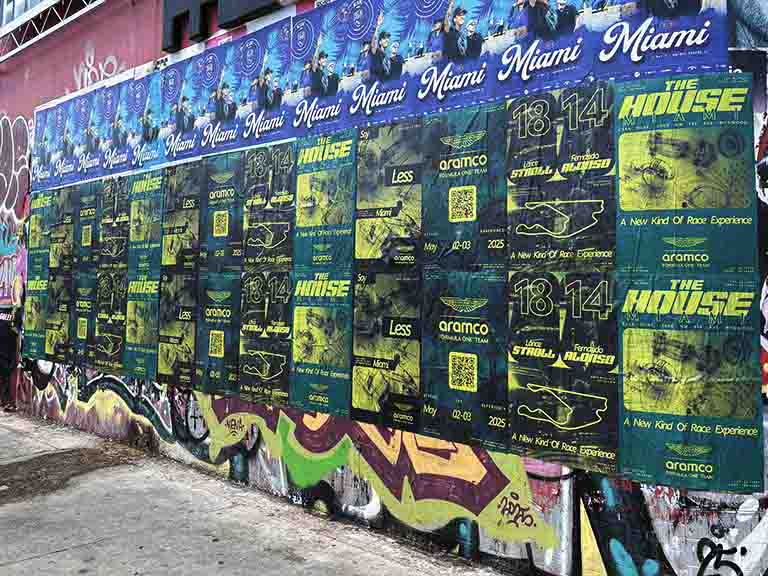
South Carolina’s retail corridors, tourist districts, and college-town commercial strips generate foot traffic that most brands underuse. Window cling advertising in South Carolina turns that pedestrian audience into a captive one, delivering brand messaging at the exact moment a potential customer is within steps of your door. When our team produces and installs precision-printed clings on high-traffic glass surfaces, the gap between a walk-by and a walk-in gets measurably shorter.
American Guerrilla Marketing operates across 50+ U.S. markets and has deployed window cling campaigns for national retailers, fitness brands, hospitality groups, and regional businesses throughout the Southeast. In South Carolina, our field network covers Charleston, Columbia, Greenville, and Myrtle Beach, giving us the logistics to run multi-location campaigns with consistent execution and documented proof of placement from every site.
Whether you are launching a new location in Charleston’s King Street corridor, running a limited-time promotion in Columbia’s Five Points district, or building brand awareness across Myrtle Beach’s tourism-driven retail strip, this guide explains how to deploy window cling advertising in South Carolina for maximum impact and measurable return.
Why Window Cling Advertising Works in South Carolina’s Markets
South Carolina is a state of distinct commercial ecosystems. Charleston draws a high-spending tourist and professional class to its historic core. Columbia serves state government workers, university students, and a growing tech community. Greenville has emerged as one of the South’s fastest-growing mid-sized cities, attracting manufacturing executives and young professionals. Myrtle Beach lives and dies by seasonal tourism. Each market creates a different kind of pedestrian audience, but all of them share one characteristic: consumers close to a storefront are primed to buy.
Window cling advertising captures that proximity advantage. Unlike billboards or digital ads, clings work at ground level, at pedestrian pace, at the moment of highest purchase intent. A well-executed cling on a busy Charleston storefront can deliver six-figure impressions over a four-week run at a cost-per-impression that digital display cannot match in the same geography.
Tourism-Driven Foot Traffic
Charleston and Myrtle Beach host millions of visitors annually. Tourists in an unfamiliar market are especially receptive to storefront advertising because they are actively seeking recommendations, discoveries, and experiences. A compelling window cling acts as a first introduction to your brand for consumers who would never encounter you through local digital targeting.
Student and Young Professional Concentration
Columbia’s University of South Carolina campus and Greenville’s growing downtown create concentrations of 18 to 35 year olds who are brand-curious and highly influenced by in-person visual marketing. Window clings in these corridors reach audiences who respond to bold creative and clear promotional offers.
Print Quality That Performs in South Carolina’s Climate
South Carolina’s combination of intense summer heat, high coastal humidity, and seasonal storm exposure puts print materials to a harder test than most northern markets. Standard vinyl and inks that hold up fine in temperate climates fade, bubble, and peel in Charleston summers or along the Grand Strand.
We spec UV-resistant inks and laminated vinyl stock for every South Carolina installation. Our materials are engineered for high-humidity, high-UV environments, which means clings that arrive with saturated colors and sharp detail maintain that quality through the full campaign run, not just the first week after installation.
Static-Cling Vinyl
Our primary South Carolina format uses static-cling vinyl, which bonds to glass through electrostatic charge rather than adhesive. It applies cleanly, repositions easily if alignment needs adjustment, and removes without residue at campaign end. For temporary promotions, seasonal campaigns, and rotating offers, static vinyl is the right call.
Perforated Window Film
For larger window spans in Charleston’s retail core or Greenville’s Main Street district, perforated film delivers full-color exterior messaging while preserving interior sightlines. Customers and employees inside see through the perforations naturally; pedestrians outside see a vivid brand graphic. It is particularly effective for restaurant frontages, where natural light and outdoor atmosphere matter to the dining experience.
How We Execute Field Installation in South Carolina
Print quality is only as good as the installation behind it. A cling with bubbles, crooked alignment, or poor surface adhesion undermines the professional image it is supposed to create. Our South Carolina field teams are trained specifically on surface preparation, application technique, and post-installation inspection protocols.
Surface Preparation
Glass must be clean, dry, and free of oils before static vinyl adheres properly. Our installers carry professional-grade surface preparation supplies and treat every glass panel before application. In coastal Charleston and Myrtle Beach environments, where salt air deposits on glass can interfere with adhesion, that preparation step is especially important.
Multi-Location Coordination
For chain retailers and franchises running simultaneous activations across South Carolina, we schedule installations in Charleston, Columbia, Greenville, and Myrtle Beach within the same launch window. Brand consistency across locations depends on synchronized execution, and our field logistics make that possible without the delays that typically come from using multiple local vendors.
GPS-Tagged Documentation
Every installation generates a photographic record with GPS coordinates and timestamps. Your campaign report includes date-stamped proof-of-placement images from every site, giving you documentation for internal reporting, client presentations, and post-campaign ROI analysis.
Window Cling Placements in Charleston
Charleston is one of the most walkable cities in the South, and that walkability concentrates foot traffic on specific corridors that deliver outsized impressions for window advertisers. King Street is the flagship commercial strip, running from the tourist-heavy Lower King boutique district through the Upper King restaurant and nightlife zone. Both segments draw heavy pedestrian traffic on weekends and consistent foot counts on weekdays.
The French Quarter and Market Street areas attract tourist concentrations that create high-impression opportunities for hospitality, retail, and food service brands. We map placements to specific blocks based on foot traffic data and daypart patterns, so every cling is positioned to reach the right audience at the right time.
Upper King Street
Upper King has evolved into Charleston’s dining and entertainment anchor, drawing a young professional and visitor demographic that responds strongly to promotional and brand-awareness messaging. Storefronts here benefit from both daytime shopping foot traffic and evening restaurant and bar crowds, giving cling campaigns extended daily exposure across multiple consumer segments.
Mount Pleasant and James Island
Charleston’s suburban retail corridors in Mount Pleasant and along James Island serve local resident audiences who shop independently of the tourist zones. For brands targeting Charleston’s permanent resident population rather than its visitor traffic, these corridors provide access to households with above-average income and strong local retail loyalty.
Columbia Window Cling Strategy
Columbia’s commercial landscape is anchored by the Five Points entertainment and dining district, the Vista arts and restaurant corridor, and the University of South Carolina’s student-adjacent retail strips on Greene Street and Blossom Street. Each zone draws distinct audiences that respond to different messaging approaches.
Five Points concentrates young professionals and students in an entertainment context, making it effective for experiential and promotional messaging. The Vista draws a broader adult demographic including state government workers and professionals from the surrounding office parks. USC-adjacent corridors reach students in a neighborhood setting rather than a campus one, making them more receptive to off-campus retail, food, and service advertising.
State Government and Professional Districts
Columbia’s downtown professional core around Assembly Street and Senate Street hosts government offices, law firms, and financial services businesses. Window clings in this zone reach a working professional audience during weekday commute and lunch periods, effective for B2B-adjacent consumer brands, professional services, and upscale retail.
Greenville Market Opportunities
Greenville’s Main Street has been recognized nationally as one of America’s great downtown revitalization success stories. The Falls Park area, the Swamp Rabbit Trail corridor, and the adjacent arts district create a walkable, pedestrian-friendly commercial zone that attracts residents and visitors from across the Upstate region.
Greenville’s demographics skew toward educated, higher-income households compared to South Carolina’s statewide average, reflecting the presence of major employers including BMW, Michelin, and a growing technology sector. Window cling advertisers in Greenville reach consumers with real purchasing power and an affinity for brands that demonstrate quality and intentionality in their marketing.
Myrtle Beach Seasonal Campaign Opportunities
Myrtle Beach operates on a tourist calendar that concentrates demand in spring and summer, with secondary peaks around fall festivals and the holiday shopping season. Window cling campaigns in Myrtle Beach are most effective when they align with peak visitor periods and target the Ocean Boulevard retail strip, Broadway at the Beach, and the Market Common district.
Tourism audiences in Myrtle Beach are in discovery mode, looking for restaurants, experiences, and retail that they would not find at home. Bold, high-contrast clings that communicate a unique offer or experience perform better here than generic brand awareness executions. We build Myrtle Beach campaigns with tourism seasonality and visitor psychology baked into the creative and placement strategy.
Measuring Campaign Performance in South Carolina
Window cling advertising generates measurable data when it is built with measurement in mind from the start. We work with clients to establish baseline metrics before campaigns launch and identify the right performance indicators to track through each run.
Foot Traffic Analysis
Entrance foot counters before and during a campaign reveal whether cling messaging is driving incremental visits. For multi-location campaigns, we compare performance across sites to identify which placements deliver the strongest foot traffic lift and which creative executions outperform others.
QR Code and Promo Tracking
Clings that include a QR code linking to a landing page, a unique offer code, or a campaign-specific URL generate trackable engagement data. Every scan is directly attributable to the window cling that generated it, providing clean attribution that most out-of-home advertising cannot offer.
Sales Velocity Correlation
For retail and food service clients with reliable POS data, we overlay campaign dates with sales velocity to identify the revenue impact of cling advertising. South Carolina campaigns have consistently shown positive correlation between cling presence and in-store sales during promotional periods, particularly in tourist-concentrated markets like Charleston and Myrtle Beach.
Compliance and Permitting for South Carolina Window Advertising
South Carolina municipalities regulate commercial window coverage under local signage ordinances. Charleston’s historic district has specific restrictions that govern the appearance and coverage of commercial signage, including window graphics, to preserve the character of the historic built environment.
Our team reviews applicable ordinances and landlord agreements before every installation. We produce clings to compliant specifications, obtain required approvals, and document compliance for every site. That diligence keeps campaigns running their full scheduled duration without removal notices or landlord conflicts that can cut short an otherwise successful activation.
Window Cling Advertising for South Carolina Event Marketing
South Carolina’s event calendar creates concentrated audience opportunities that window cling advertising is uniquely positioned to capture. The Spoleto Festival USA brings arts audiences to Charleston in late May and early June. The Southeastern Wildlife Exposition draws collectors and outdoor enthusiasts to the same market in February. Greenville’s Fall for Greenville food festival concentrates thousands of visitors on Main Street in October. In Columbia, home football Saturdays bring 80,000 people to Williams-Brice Stadium and disperse them into retail corridors across the city.
Event-timed cling campaigns capitalize on that concentrated foot traffic with messaging that speaks directly to the event audience’s interests and timing. We coordinate print production and installation to ensure clings are up before event foot traffic arrives and remain in place through the full event window.
Frequently Asked Questions: Window Cling Advertising in South Carolina
What types of businesses use window cling advertising in South Carolina?
Retail stores, restaurants, fitness studios, tourism businesses, real estate offices, and event venues all use window clings effectively in South Carolina. Any business with glass street frontage can turn that surface into a high-visibility advertising channel.
How does AGM handle window cling installations in South Carolina?
We field trained installation crews in Charleston, Columbia, Greenville, and Myrtle Beach who prepare surfaces, apply clings without bubbles or misalignment, and document every placement with GPS-tagged photography for your campaign report.
Are window clings durable enough for South Carolina’s humid climate?
Yes. We use UV-resistant inks and laminated vinyl stock engineered to perform in high-humidity, high-heat environments. South Carolina’s coastal humidity and intense summer sun are accounted for in our material specifications.
Can window clings target specific Charleston neighborhoods?
Absolutely. We map placements to specific corridors such as King Street, the French Quarter, Upper King, and the North Central district to target audiences by neighborhood demographics and foot traffic patterns.
How long do window cling campaigns typically run in South Carolina?
Most campaigns run two to six weeks, though seasonal promotions and event-tied campaigns may run shorter. Static-cling vinyl removes cleanly at any point without damaging glass or leaving residue.
What is the turnaround time from approval to installation in South Carolina?
Standard production and installation runs 24 to 48 hours after artwork approval. Rush timelines are available for time-sensitive campaigns tied to grand openings, sales events, or promotional windows.
Does AGM handle multi-location campaigns across South Carolina?
Yes. We coordinate simultaneous installations across multiple South Carolina markets to ensure brand consistency across your entire network. Multi-location pricing is available on request.
Frequently Asked Questions
What is boost your business with window cling advertising in south carolina?
American Guerrilla Marketing provides boost your business with window cling advertising in south carolina services across 50+ U.S. markets. Every campaign is planned, scouted, executed, and GPS-documented by our field teams. We work with regional brands and Fortune 500 companies on campaigns that require real street-level execution and documented proof of performance.
How does AGM approach south carolina?
Our process starts with a market consultation to understand your goals, target audience, and budget. We then scout locations, handle any required permissions or permits, coordinate production and installation with our local crews, and provide a full GPS-tagged photo report after the campaign runs.
What markets does American Guerrilla Marketing cover for south carolina?
We operate in 50+ U.S. markets including New York, Los Angeles, Chicago, Miami, Houston, Atlanta, Seattle, Denver, Boston, and dozens of secondary markets. Contact us to confirm availability and pricing for your specific market.
How much does a south carolina campaign cost?
Campaign pricing depends on market, format, quantity, and duration. We work with budgets ranging from targeted single-market runs to national rollouts across multiple cities. Use our RFP Builder or contact us directly for a custom quote based on your specific campaign requirements.
How do I get started with south carolina through AGM?
The fastest way to get started is to submit your campaign details through our RFP Builder at americanguerrillamarketing.com, or contact us directly at [email protected] or (646) 776-2770. Our team typically responds within one business day with availability and initial pricing.