
September 3, 2025 Billboard Advertising
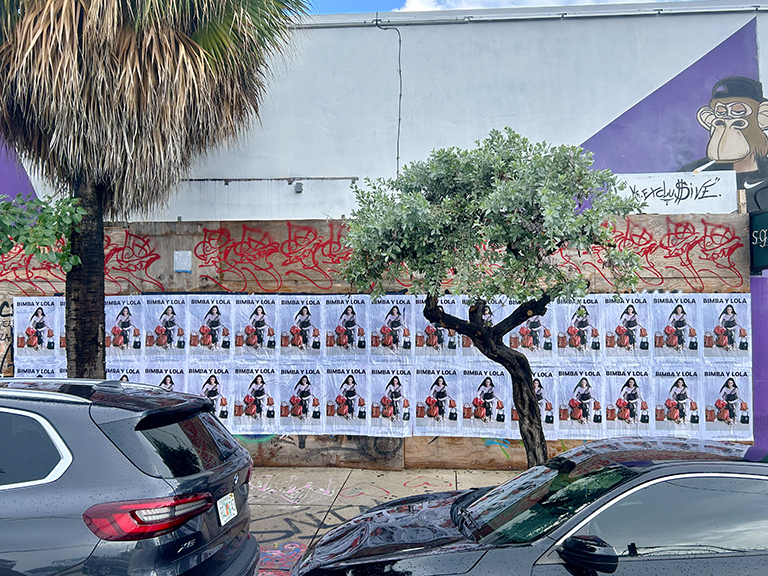
Traveling through Vermont, something stands out vividly: the absence of the towering billboards that dominate highways across much of America. Vermont’s landscape is clean, green, and uncluttered—by design. Since 1968, Vermont has enforced a statewide ban on off-premise billboards, meaning exterior advertising visible from highways can only exist in specific, state-approved ways. This unique regulatory environment dramatically shapes how businesses market outdoors, what they pay for it, and how they gauge results.
Vermont shares its comprehensive billboard prohibition with just three other states: Maine, Hawaii, and Alaska. The state stands firm in its vision of scenic preservation, economic identity, and tourism appeal.
For business owners and marketers, this regulation means traditional high-impact roadside advertising is simply off-limits. Whether you’re a national chain hoping for broad reach or a local shop aiming to catch a traveler’s eye, there’s no legal avenue to rent or purchase conventional billboard space anywhere in the state.
Rather than simply erase out-of-home (OOH) advertising, the ban has transformed the landscape into a laboratory of alternative strategies. Agencies now guide clients to a web of formats that comply with Vermont’s rules, each presenting distinct costs, targeting advantages, and creative challenges.
With no conventional billboards available, businesses have adapted, using a mosaic of formats that all present their own tactical tradeoffs. Here’s a look at what’s available, what it costs, and how far your message might travel:
A staple for Vermont businesses is the on-premise sign—advertising located directly on the property where the business operates. This signage is not considered a billboard, as it’s tied to the physical footprint of one’s operations.
Regulatory specifics:
For most businesses, the cost is a one-time design, permitting, and installation expense ranging from a few hundred to a few thousand dollars, depending on size and quality. On-premise signs are perennial and require little ongoing maintenance, but their reach is inherently limited to those physically passing by or already near the business.
Since Vermont exempts signage mounted on registered vehicles, mobile billboards—like truckside advertisements or digital ad-wrapped vans—offer a nimble and legal workaround. Digital truckside ads allow for rotating messages and flexible campaign durations.
Especially in population centers or at large events, mobile billboards provide high-mobility for brands seeking citywide exposure while staying inside the rules.
Retail window displays, street kiosks, bus shelters, and benches serve as prime OOH placements in urbanized Vermont areas like Burlington or Rutland.
Street furniture integrates advertising seamlessly into the community, reaching both foot and car traffic. The challenge lies in securing prime real estate, as inventory is limited and often highly localized.
Transit advertising is robust in Vermont’s few urban hubs. Exterior and interior bus ads, window cards, and wraps are managed by providers like Green Mountain Transit.
Transit solutions shine in cities and suburbs with substantial ridership. In rural stretches, reach is lower but so are the rates, leveling the options available to small and large advertisers alike.
The state offers tightly regulated “business directional signs” on highways, typically the brown or blue government-style panels indicating food, lodging, or attractions at the next exit.
While limited in both size and design, official signs punch above their weight for tourist-dependent businesses, serving as a workhorse for wayfinding rather than branding.
Emerging in malls, visitor centers, and select public venues, digital OOH (DOOH) displays allow rotating creative much like a digital billboard—only indoors.
These digital screens work well for campaigns targeting travelers at points of intent, like at airports or major visitor centers.
Event-driven ads, civic bulletin boards, and noncommercial signs (e.g., for fairs, elections, fundraisers) can be posted for short durations.
While visibility is minimal, the impact is direct and often tightly integrated into community rhythms.
To better appreciate Vermont’s unique media environment, it helps to see what outdoor advertising would cost if the ban did not exist. Past data and border-proximate benchmarks reveal a wide range:
| Location | Format | Monthly Cost (4 Weeks) | CPM (Cost/Thousand Impressions) | Impressions (4 Weeks) |
|---|---|---|---|---|
| Burlington | Static Billboard | $15,900 | ~$2.03 | ~165 million |
| Burlington | Digital Billboard | $401 | ~$2.85 | ~9.3 million |
| Randolph | Static Billboard | $658 (avg.) | ~$19.64 | ~457,000 |
| Bennington | Static Bulletin | $250 (avg.) | ~$10 | ~32,000 |
| Bennington | Digital Billboard | $5,625 (avg.) | ~$700 | ~177,000 |
While these data points are historical or regional proxies, they demonstrate the broad spectrum of audience, geography, and pricing had Vermont permitted the medium. In practice, bus and mobile ads are costlier per impression but excel at delivering repetitive local exposure.
Moving beyond physical reach, businesses need ways to track the effectiveness of OOH investments.
Key tracking strategies:
Transit ad programs and DOOH vendors often supply detailed impression data, while digital integration (QR, app actions) opens the door to modern attribution reporting. Many Vermont retailers and destinations now routinely combine traditional awareness metrics with digital leads and direct customer feedback to refine their allocations.
Vermont’s policy does more than preserve scenic beauty—it places every business, big or small, on the same communications playing field. Without roadside domination by deep-pocketed firms, brands cultivate customer loyalty by focusing on authentic presence and word-of-mouth, alongside their allowed signage.
Advertisers compete with:
Larger chains often invest more in digital and experiential marketing in Vermont, driving up sophistication in the landscape. Smaller enterprises double down on relational and grassroots methods, magnifying the impact of every allowed sign or placard.
| Format | Where Allowed | Typical Cost (Per Month or Placement) | Audience Reach | Regulation & Limits |
|---|---|---|---|---|
| On-Premise Sign | Anywhere legal | $300–$3,000+ (one-time/annual) | Passersby, locals | Max 150 sq ft; strict placement rules |
| Mobile Billboard | Statewide | $300–$2,000+ | City/road traffic | Vehicle-based, needs local permits sometimes |
| Bus Ad (Urban/Rural) | City/rural | $1,900/urban, $500–$1,000/rural | Riders, city drivers | By agency approval, specs for size/content |
| Digital Indoor OOH | Select venues | $200–$1,000+ | Travelers, shoppers | Only static/non-flashing; limited inventory |
| Official Directional | Highways | $175 app + $100/year | Highway travelers | Application/approval; small sign size |
| Civic/Event Signage | Local/towns | Minimal/free | Local community | 2 weeks in duration; tight size limits |
In a market without traditional billboards, every dollar aimed at outdoor messaging must work harder and smarter. Vermont’s limitations stimulate creativity, push brands to integrate digital and physical media, and underscore the importance of measurement and adaptation. The absence of competition for roadside spectacle is, for some, a feature rather than a bug—one that keeps attention focused on authentic experience and local value.
Businesses that succeed here do more than adapt; they find ways to make meaningful connections and measure outcomes, drawing on a unique blend of old-school authenticity and modern analytics. In the Green Mountain State, marketing is as much about resonance as reach.
From Burlington’s busy routes to Montpelier’s commuter corridors, Vermont billboards deliver powerful exposure. Connect with Justin at [email protected] to explore billboard advertising costs and plan campaigns that keep your brand top of mind.