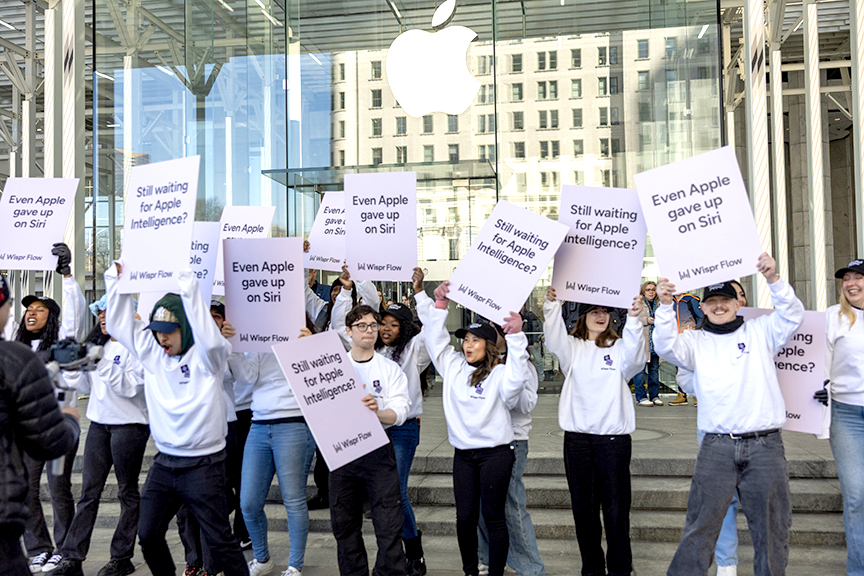
Marketing activations are strategic campaigns and initiatives designed to engage consumers and generate excitement about a brand or product. In today’s highly competitive business space, it’s crucial for brands to stand out and make a lasting impression. This is where marketing activations come into play. By creating unique and interactive experiences, companies can captivate their target audience and increase brand awareness. In this blog post, we will explore what marketing activations are, why they are important, how to create effective campaigns, successful examples from the industry, and how to measure their success. So let’s dive in and discover the power of marketing activations!
What are Marketing Activations?
Marketing activations are strategic campaigns and initiatives designed to engage consumers and generate excitement about a brand or product. These activities can range from experiential events to online contests, all with the goal of increasing brand awareness in the market. By creating unique and memorable experiences, marketing activations effectively capture consumer attention and drive interest in what a company has to offer.
Definition of Marketing Activations
Marketing activations refer to strategic initiatives used by businesses to create brand awareness and engage with their target audience. These activations play a crucial role in promoting brands, driving sales, and increasing market share. Successful marketing activations incorporate key elements such as creative concepts, interactive experiences, and targeted messaging to effectively capture the attention of consumers.
Types of Marketing Activations
Experiential marketing activations create memorable and interactive experiences for consumers, driving market engagement through immersive brand encounters. By activating all five senses, brands can forge deeper connections with their target audience, leading to increased brand loyalty and word-of-mouth marketing.
Social media-driven marketing activations use the power of online platforms to engage and connect with a wider market. Through creative campaigns, influencers, and user-generated content, brands can generate buzz and encourage audience participation, ultimately boosting brand visibility and reach.
In-store promotions are effective marketing activation strategies that drive foot traffic to physical retail spaces. With eye-catching displays, exclusive offers, and personalized customer experiences, brands can enhance the overall shopping experience while promoting their products or services directly to potential customers in a tangible way.
Marketing activations are crucial for businesses looking to increase brand awareness.
Why are Marketing Activations Important?
Marketing activations are crucial for businesses looking to increase brand awareness. These activations provide a platform to showcase your products or services, allowing potential customers to become familiar with your brand and what you have to offer. By actively engaging with consumers through various channels such as events, social media campaigns, and experiential marketing experiences, marketing activations can generate buzz and create lasting impressions that resonate with your target audience.
Also, marketing activations play a vital role in capturing the attention of your target audience. Through creative and interactive strategies, these activities attract consumer interest by providing unique experiences that go beyond traditional advertising methods. This engagement helps build relationships between the brand and its customers while building a sense of loyalty and trust.
To wrap up, marketing activations are an essential component of any successful branding strategy. They enable businesses to improve their brand visibility among consumers while establishing meaningful connections that drive long-term loyalty. By using these powerful tools effectively, companies can differentiate themselves from competitors in today’s saturated marketplace.
Increasing Brand Awareness
Using experiential marketing allows brands to engage with their audience on a deeper level. By creating immersive experiences and interactive events, companies can leave a lasting impression and build stronger brand awareness.
Using social media platforms is crucial in today’s digital age. By using various social media channels, brands can reach a wider audience and increase their visibility. Engaging content, strategic campaigns, and active community management are key elements for successful brand awareness.
Collaborating with influencers who align with your brand values can significantly amplify your message. These influential individuals have built trust and credibility among their followers, making them powerful advocates for your brand. Partnering with influencers allows you to tap into new audiences and generate authentic conversations about your products or services.
Engaging Target Audience
Creating interactive experiences is key to engaging your target audience. By incorporating elements such as quizzes, polls, and live demonstrations into your marketing activations, you can captivate your audience and encourage active participation. This not only keeps their attention but also allows them to connect with your brand on a personal level.
Personalizing the brand message is another effective strategy for engaging your target audience. Tailoring content and promotions based on individual preferences and behaviors makes customers feel valued and understood. Use customer data to deliver personalized recommendations, special offers, or exclusive content that resonates with each individual.
Implementing gamification strategies adds an element of fun to engage your target audience. By turning tasks or activities into games or competitions, you create a sense of excitement and motivation among participants. Incorporate leaderboards, rewards systems, or challenges that encourage customers to actively participate in promoting your brand while enjoying themselves in the process.
Creating Brand Loyalty
Rewarding customer loyalty is essential for creating brand loyalty. By offering exclusive discounts, personalized offers, and VIP treatment to loyal customers, you can make them feel valued and appreciated. This not only encourages repeat purchases but also strengthens the emotional connection they have with your brand.
Building emotional connections with customers goes beyond just providing a product or service. It involves understanding their needs, desires, and aspirations on a deeper level. By creating authentic experiences that resonate with their emotions and values, you can forge strong bonds that keep them coming back for more.
Implementing follow-up campaigns and surveys allows you to gather feedback from your customers after each interaction. This shows that you care about their opinions and are dedicated to improving their experience. The insights gained from these campaigns can help tailor future marketing activations to better meet the needs of your target audience while further solidifying brand loyalty.
Set clear objectives for your marketing activations. Whether it’s increasing brand awareness, generating leads, or driving sales, having specific goals in mind will guide your decision-making process and make sure every activation serves a purpose.
Steps to Create Effective Marketing Activations
Identify your target audience before planning any marketing activations. Understanding their demographics, interests, and behavior will help tailor your strategies for maximum impact.
Set clear objectives for your marketing activations. Whether it’s increasing brand awareness, generating leads, or driving sales, having specific goals in mind will guide your decision-making process and make sure every activation serves a purpose.
Design engaging experiences that captivate your target audience. Create interactive installations or immersive environments that leave a lasting impression and connect consumers with your brand on a deeper level.
Collaborate with influencers who align with your brand values and have influence over your target audience. Their endorsement can amplify the reach of your marketing activities and build trust among consumers.
Use social media to extend the reach of your marketing activations beyond physical locations. Encourage users to share their experiences online through branded hashtags or contests, creating user-generated content that further promotes your brand.
By following these steps to create effective marketing activations, you can boost brand awareness and establish a strong connection with consumers in today’s competitive space.
Identify Target Audience
Conducting market research is crucial in identifying your target audience. By gathering data on consumer preferences, behaviors, and trends, you can gain valuable insights that will help you effectively segment your audience. Analyzing demographics and psychographics allows you to understand the characteristics and motivations of your target audience, enabling you to tailor your marketing activations to their specific needs and interests.
Set Clear Objectives
Define measurable goals to set clear objectives for your marketing activations. By clearly defining what you want to achieve, you can track the success of your efforts and make data-driven decisions. Aligning these objectives with your overall marketing strategy makes sure all activities work towards achieving the same goals, maximizing their impact. Consider your brand positioning and messaging when setting objectives, ensuring they are in line with your brand’s identity and values.
Design Engaging Experiences
Create immersive environments that captivate your audience and leave a lasting impression. Incorporate interactive elements such as touch screens, virtual reality, or augmented reality to enhance engagement. Use sensory marketing techniques by appealing to the five senses through scent, sound, taste, sight, and touch.
Collaborate with Influencers
Identifying relevant influencers in your industry or niche is key to successful collaboration. Conduct thorough research and analyze their audience demographic, engagement rates, and content alignment with your brand values. Craft compelling partnership proposals that highlight the mutual benefits for both parties involved. Tailor your pitch to showcase how the influencer’s unique voice can enhance your marketing activations and reach a wider audience, ultimately boosting brand awareness and driving conversions. Use the influencer’s reach by co-creating engaging content that resonates with their followers, amplifying your activations across social media platforms and maximizing impact.
Leverage Social Media
With the rise of social media, using these platforms has become crucial in any marketing strategy. Use the power of social media to connect with your audience on a personal level and increase brand awareness. Engage with followers through interactive posts, captivating visuals, and compelling storytelling to create a strong online presence.
Identifying relevant influencers in your industry or niche is key to successful collaboration.
Successful Marketing Activation Campaign Examples
Nike’s ‘Just Do It’ campaign successfully engaged their target audience by using influential athletes as brand ambassadors, creating a sense of inspiration and motivation. Through this marketing activation, Nike effectively increased brand awareness and positioned themselves as a leader in the sports industry.
Red Bull’s ‘Stratos’ campaign captured the attention of millions around the world by sponsoring Felix Baumgartner’s record-breaking skydive from space. This daring marketing activation not only demonstrated Red Bull’s commitment to pushing boundaries but also generated significant media coverage, resulting in heightened brand visibility and consumer interest.
Coca-Cola’s ‘Share a Coke’ campaign personalized their products by replacing their iconic logo with popular names. By encouraging consumers to find and share bottles with friends or loved ones whose names were featured, Coca-Cola created an interactive experience that fostered emotional connections and boosted brand engagement.
These successful marketing activations demonstrate the power of strategic campaigns in driving brand awareness while connecting with consumers on a deeper level. By using creative ideas, influential partnerships, and personalization techniques, companies can improve their brands to new heights in today’s competitive market space.
Nike’s ‘Just Do It’ Campaign
Nike’s ‘Just Do It’ Campaign has successfully incorporated various marketing activations to boost brand awareness and engage with consumers. The collaboration with athletes not only helps promote Nike products but also establishes a connection between the brand and its target audience. Social media engagement allows Nike to reach a wider audience, creating buzz and generating interest in the campaign. Interactive pop-up stores provide an immersive experience for customers, allowing them to interact with the brand on a personal level.
Red Bull’s ‘Stratos’ Campaign
Record-breaking live event: Red Bull’s ‘Stratos’ campaign pushed the boundaries of marketing activations by organizing a record-breaking live event. Felix Baumgartner, an extreme sports athlete, jumped from the edge of space to break multiple world records and capture global attention. This daring feat not only showcased Red Bull’s commitment to pushing limits but also generated massive brand awareness and engagement.
Content creation through extreme sports: The ‘Stratos’ campaign used extreme sports as a powerful tool for content creation. By partnering with influencers in various adrenaline-fueled activities such as skydiving, snowboarding, and Formula 1 racing, Red Bull consistently produced captivating videos and images that resonated with its target audience. Through this creative approach to content creation, Red Bull successfully built an authentic connection between their brand and consumers who are passionate about adventure.
Partnerships with influencers: To amplify their message further, Red Bull strategically collaborated with influential athletes across different sporting disciplines. These partnerships allowed them to tap into existing fan bases while also expanding their reach into diverse markets. By aligning themselves with these highly regarded figures in the world of extreme sports, Red Bull solidified its position as a frontrunner in the industry while effectively using influencer marketing strategies.
Coca-Cola’s ‘Share a Coke’ Campaign
Personalized packaging and bottles have been key elements of Coca-Cola’s ‘Share a Coke’ campaign. By printing popular names on their products, Coca-Cola has successfully created a sense of personalization and connection with consumers. Additionally, the introduction of the ‘Name Generator’ mobile app allowed users to customize virtual Coca-Cola bottles with their own names or unique messages, further enhancing the campaign’s interactivity.
User-generated content contests have played a significant role in driving engagement for Coca-Cola’s ‘Share a Coke’ campaign. Through various online platforms, consumers were encouraged to share photos or videos featuring personalized Coke products using specific hashtags. This not only generated buzz and excitement around the brand but also provided an opportunity for users to become active participants in spreading its message organically.
Measuring the success of marketing activations is crucial for brands looking to boost their brand awareness.
Measuring the Success of Marketing Activations
Measuring the success of marketing activations is crucial for brands looking to boost their brand awareness. Key Performance Indicators (KPIs) play a vital role in evaluating the effectiveness of these campaigns, providing valuable insights into consumer behavior and campaign performance. Analyzing customer feedback further enhances this evaluation process, allowing brands to understand customer perceptions and identify areas for improvement. Tracking social media engagement also offers valuable data on reach, impressions, and audience interactions, giving brands an opportunity to gauge the impact of their marketing activations on digital platforms. By using these measurement techniques, brands can make informed decisions to optimize future marketing strategies and maximize their brand exposure.
Key Performance Indicators (KPIs)
Key Performance Indicators (KPIs) are vital metrics used to measure the success and effectiveness of marketing activations. To ensure optimal performance, it matters to focus on key areas such as sales revenue and conversion rates, website traffic and click-through rates, and customer acquisition cost. These KPIs provide valuable insights into the overall impact of marketing activations on brand awareness and business growth.
Sales revenue and conversion rates:
Website traffic and click-through rates:
Customer acquisition cost:
Analyzing Customer Feedback
Surveys and questionnaires provide valuable insights into customer satisfaction, preferences, and overall experience. By strategically designing these tools, businesses can gather quantitative data that allows for in-depth analysis of customer feedback.
Online reviews and ratings offer a wealth of information about customers’ experiences with products or services. Monitoring platforms such as Yelp or Google Reviews can help businesses identify recurring themes and sentiments expressed by their target audience.
Focus groups and interviews allow for direct interaction with customers to gain qualitative feedback. This approach provides an opportunity to dive deeper into the reasons behind their preferences, uncovering valuable insights that may not be captured through other methods of analysis.
Tracking Social Media Engagement
Tracking Social Media Engagement
Conclusion
To wrap up, marketing activations play a crucial role in boosting brand awareness and driving business growth. By using various types of activations such as experiential events, social media campaigns, and influencer partnerships, companies can effectively engage their target audience and create memorable connections with their brand. Incorporating marketing activations offers numerous benefits including increased customer loyalty, enhanced brand visibility, and the opportunity to differentiate from competitors. Embracing these strategies is essential for businesses looking to stay competitive in today’s dynamic marketplace.
American Guerrilla Marketing
[email protected]
Telegram: @americanguerillamarketing
Frequently Asked Questions
How much does a guerrilla marketing campaign cost?
Campaigns start from $3,500 depending on service, market, and scale. Contact us for an exact quote.
Does AGM operate nationwide?
Yes. AGM executes campaigns in all 50 U.S. states with dedicated crews in NYC, LA, Miami, Chicago, Las Vegas, Orlando, and Nashville.
What documentation does AGM provide?
Every campaign includes GPS-tagged photo documentation, timestamped placement records, and a full report delivered within 24 hours.