A food truck is one of the best excuses to stop someone on the street that marketing has ever invented. People who would walk past a brand ambassador, ignore a flyer, or scroll past an ad will happily stand in a line for free food — and while they are standing in that line, they are spending unguarded, receptive time with a brand. The guerrilla marketing power of a well-executed food truck activation is not complicated: it creates a positive, tangible, shareable brand experience at the point of consumer contact, in locations the brand chooses, with audiences it targets. What is complicated is the execution — the logistics, the food quality, the brand integration, and the campaign surrounding elements that determine whether a food truck activation creates genuine campaign value or just distributes lunch.
American Guerrilla Marketing plans and executes food truck activations as part of broader street-level and experiential marketing campaigns. We operate out of Industry City, Brooklyn, NY, and run activations across 50+ U.S. markets. Our food truck programs integrate with broader campaign stacks — combining the truck with brand ambassadors, LED billboard trucks, and poster campaigns to create coordinated activations rather than standalone lunch service. This guide covers what makes food truck activations work as marketing, where they work best, how much they cost, and what campaign integration looks like in practice.
Why Food Trucks Work as Guerrilla Marketing
The food truck’s guerrilla marketing advantage comes from the positive associations that food creates in consumer psychology. Food triggers positive emotional states, creates social bonding experiences, and is universally accepted as a reason to pause and engage. A brand that gives someone genuinely good food has created a positive experiential memory that advertising claims cannot replicate — because the experience is real, not promised.
The Sampling Advantage
For food and beverage brands, food truck activations are the ultimate sampling program — delivering product trial in a brand-controlled, high-quality experience context rather than through the generic sampling table format that most grocery store demonstrations use. When a brand creates a custom food experience around its product — a sauce brand sponsoring a branded taco truck that uses their sauces, a beverage brand creating a themed cocktail experience, a snack brand building a custom sandwich concept around their chips — the product trial happens in a context that is inherently more memorable and more brand-relevant than an in-store sample of the same product.
Social Content Generation
Food is one of the most consistently shared content categories on social media. A visually appealing, brand-integrated food truck experience in a photo-worthy environment generates substantial organic social content from attendees who document and share their experience. This consumer-generated content extends campaign reach beyond the on-site audience at zero additional media cost — the social sharing acts as earned media that multiplies the activation’s direct consumer contact by distributing visual proof of the experience to the attendees’ entire social network.
Food Truck Activation Formats
Food truck marketing activations vary significantly in scale, investment, brand integration depth, and operational complexity. Understanding the different formats — and which is appropriate for specific campaign objectives and budgets — is essential for planning food truck programs that deliver genuine marketing value.
Sponsored Existing Food Trucks
The most accessible food truck activation format is partnering with an existing, established food truck to provide branded sponsorship during specific deployment windows. The food truck brings its existing menu, its operating capability, and its consumer appeal; the brand provides a co-branding sponsorship, adds branded visual elements to the truck, and pays for the deployment. This format requires the least lead time and operational complexity, runs $2,000-$6,000 per day for an established truck with a strong reputation, and works well for brands seeking consumer goodwill and awareness in specific locations without the complexity of custom food concept development.
Custom Branded Truck with Brand Menu
Custom branded food truck activations involve renting a truck and creating a brand-specific food concept — a menu designed around the brand’s product, identity, or campaign theme. This format requires more development time (typically 4-8 weeks for concept, menu development, truck sourcing, and wrap production) and higher cost ($5,000-$20,000 per deployment day for a multi-day program) but creates a brand experience with much stronger brand integration than sponsored-truck formats. When the food concept is genuinely clever and brand-relevant, custom truck activations generate substantially more social sharing and press interest than generic co-branded sponsorships.
Owned Branded Food Truck Programs
The highest-investment format is an owned branded food truck — a custom-built vehicle that is permanently part of the brand’s marketing infrastructure, deployed repeatedly across markets and events throughout the year. Major brands that have built owned food truck programs — Red Bull, Taco Bell, Mountain Dew, GoPro — use the truck as a year-round presence at events, campus activations, and community moments that builds sustained consumer relationship rather than episodic campaign moments. Owned trucks cost $50,000-$150,000+ to build and require ongoing operational infrastructure for staffing, food production, logistics, and maintenance.
Optimal Deployment Locations and Timing
The success of a food truck activation depends heavily on where and when it is deployed. The right location delivers the target demographic audience at meaningful volume. The wrong location creates an expensive lunch service that the brand’s target consumer never encounters.
Corporate Campus Lunch Hours
Corporate campuses during lunch hours — 11 AM to 2 PM — are among the most effective food truck deployment environments. A captive professional audience with limited off-site lunch options creates high foot traffic and long line formation that generates sustained, engaged brand contact over several hours. For brands targeting professional demographics — fintech apps, B2B software, business services, financial services — corporate campus food truck deployments reach the exact target audience in the precise moment of lunch-break social availability.
Major Outdoor Events and Festivals
Music festivals, food festivals, farmers markets, athletic events, and community fairs concentrate large volumes of the specific demographics that brands want to reach in a social, receptive state. A branded food truck at Lollapalooza, SXSW, or a local food festival reaches an audience that is already in an experiential, social, and brand-receptive mindset — dramatically increasing the brand impression’s effectiveness relative to the same encounter in a neutral urban environment.
Neighborhoods and Entertainment Districts
Street-level food truck deployments in target demographic neighborhoods and entertainment districts during evening hours create brand encounters with consumers in their natural social environments. For brands targeting young urban professionals, deployments in Williamsburg in Brooklyn, Wicker Park in Chicago, Silver Lake in LA, or comparable neighborhoods in every major market create the brand-relevant context that increases the food truck experience’s brand impact.
Integrating Food Truck Activations with Broader Campaign Elements
Food truck activations generate the most campaign value when surrounded by coordinating elements that build awareness before the deployment, amplify during the activation window, and extend the experience after the physical activation ends.
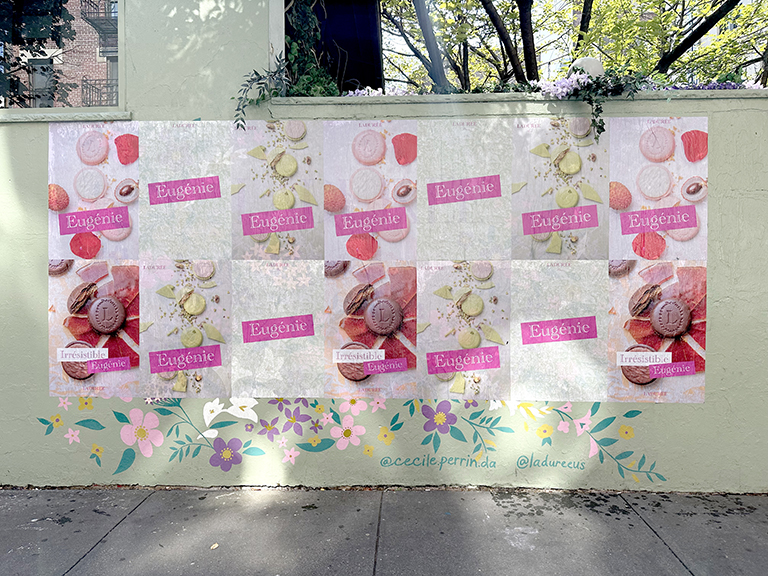
Before: Wheatpasting in target neighborhoods announcing the truck’s visit, social media geotargeted announcement campaigns to the activation location’s audience, and sidewalk stencils on approach routes direct consumers toward the activation before they encounter it organically.
During: Brand ambassadors stationed around the truck extend engagement beyond the line, LED billboard trucks in the surrounding blocks attract additional foot traffic, and on-site content creation teams capture consumer interactions for social amplification.
After: Social media amplification of user-generated content from the activation, post-activation email or SMS follow-up to captured contacts, and press and media outreach to food and lifestyle journalists build lasting awareness beyond the physical activation window.
Frequently Asked Questions: Food Truck Marketing Activations
How do food trucks work as guerrilla marketing activations?
Food trucks bring branded experiences to target consumer locations — creating mobile brand encounters that generate foot traffic, product sampling, social content, and word-of-mouth at the point of consumer contact. The positive associations of genuinely good food create brand memories that advertising claims cannot replicate.
What brands use food trucks as marketing tools?
CPG food and beverage brands for product sampling, technology companies for corporate campus events, entertainment brands for launches, retail brands for product awareness, and lifestyle brands seeking experiential consumer touchpoints. Any brand seeking direct consumer engagement in a positive social context can leverage food truck activation effectively.
What makes a food truck activation successful?
Genuinely good food (bad food creates negative brand association), creative and relevant brand integration rather than a logo slap on the truck, targeted locations that reach the specific consumer demographic, a social content hook that motivates sharing, and supporting campaign elements that build awareness before and amplify after the activation window.
How much does a branded food truck activation cost?
Single-day event truck rental with branding: $3,000-$8,000. Multi-day city tour with custom wrap: $8,000-$25,000 per week. Custom-built owned brand trucks: $50,000-$150,000+ for the vehicle build. Operational costs for staffing and food production are additional across all formats.
Where should you deploy a branded food truck for maximum impact?
Corporate campus lunch hours, major outdoor festivals and events, college campus pedestrian zones, farmers markets, entertainment district evening hours, and brand-relevant neighborhood corridors. The location must match the brand’s target demographic with minimal audience mismatch — the right food at the wrong location creates an expensive lunch service the brand’s consumer never encounters.
How do you integrate food truck activations with broader campaign elements?
Wheatpasting and sidewalk stencils build pre-activation awareness. Brand ambassadors and LED trucks extend reach during deployment. Social media amplification of user-generated content and press outreach extend the impact after the physical activation ends. The food truck generates the most campaign value as part of a coordinated campaign stack rather than as a standalone tactic.
Frequently Asked Questions
What is food trucks the ultimate guerrilla marketing activation?
American Guerrilla Marketing provides food trucks the ultimate guerrilla marketing activation services across 50+ U.S. markets. Every campaign is planned, scouted, executed, and GPS-documented by our field teams. We work with regional brands and Fortune 500 companies on campaigns that require real street-level execution and documented proof of performance.
How does AGM approach marketing activation?
Our process starts with a market consultation to understand your goals, target audience, and budget. We then scout locations, handle any required permissions or permits, coordinate production and installation with our local crews, and provide a full GPS-tagged photo report after the campaign runs.
What markets does American Guerrilla Marketing cover for marketing activation?
We operate in 50+ U.S. markets including New York, Los Angeles, Chicago, Miami, Houston, Atlanta, Seattle, Denver, Boston, and dozens of secondary markets. Contact us to confirm availability and pricing for your specific market.
How much does a marketing activation campaign cost?
Campaign pricing depends on market, format, quantity, and duration. We work with budgets ranging from targeted single-market runs to national rollouts across multiple cities. Use our RFP Builder or contact us directly for a custom quote based on your specific campaign requirements.
How do I get started with marketing activation through AGM?
The fastest way to get started is to submit your campaign details through our RFP Builder at americanguerrillamarketing.com, or contact us directly at [email protected] or (646) 776-2770. Our team typically responds within one business day with availability and initial pricing.