June 22, 2023 Guerrilla Marketing Agency

Guerrilla Marketing 101: Tips, Tools, and Resources

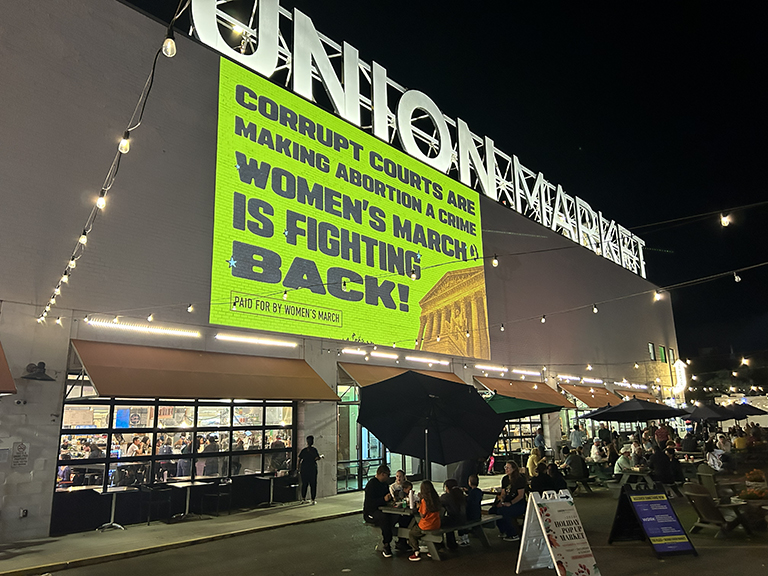
Billboard trucks displaying "KITTY INU" advertising in a busy parking lot, promoting guerrilla marketing strategies for innovative brand visibility.
Are you struggling to get your brand noticed in today’s competitive market? Guerrilla marketing may be the answer. This unconventional approach to advertising offers a cost-effective way to promote your business through bold, creative tactics that stand out in crowded spaces. In this blog post, we’ll explore guerrilla marketing 101: tips, tools, and resources to help you plan and execute a successful campaign. From defining what guerrilla marketing really means, to identifying the best moments to use it, to exploring proven tactics and essential tools, we’ll give you everything you need to make an impact—and measure it.

What is Guerrilla Marketing?

Guerrilla marketing is an unconventional and creative approach to promoting a brand, product or service. It involves using low-cost tactics that are unexpected and attention-grabbing to generate buzz and increase visibility without relying on traditional advertising methods. Examples of guerrilla marketing include flash mobs, graffiti art, interactive installations, and viral social media campaigns.

Guerrilla marketing uses unconventional and attention-grabbing tactics to promote a brand or product, creating memorable experiences for consumers that build customer loyalty.

The goal of guerrilla marketing is to create a memorable experience for the consumer that will leave a lasting impression about the brand or product being promoted. By using unique tactics that break through the clutter of traditional advertising, guerrilla marketing can help brands stand out from their competitors while building customer loyalty through innovative engagement strategies.

Definition and Examples

Guerrilla marketing is a strategy that aims to promote a product, service, or brand in an unconventional and unexpected way. It was first introduced in the early 1980s as a low-cost alternative to traditional advertising methods. Key characteristics of guerrilla marketing include creativity, innovation, and the ability to generate buzz through word-of-mouth advertising. Successful examples of guerrilla marketing campaigns include the Red Bull Stratos jump and IKEA’s “pee ad” campaign.

One of the main tactics explored in guerrilla marketing 101: tips, tools, and resources is creating memorable experiences that encourage consumers to share them organically. This often involves interactive installations, creative stunts, or bold visuals that draw attention while subtly promoting a product or service. Another essential element is targeting a specific audience with personalized content that aligns with their interests, values, and lifestyle. As highlighted in guerrilla marketing 101: tips, tools, and resources, the key to success lies in careful planning, thoughtful execution, and effective measurement to ensure your campaign makes a strong impact—without stretching your budget.

Why and When to Use Guerrilla Marketing?

Using guerrilla marketing can be a great way to raise awareness of your brand in a unique and memorable way. This type of marketing relies on unconventional tactics, such as flash mobs or street art, to capture the attention of potential customers. It’s particularly effective for small businesses or startups with limited budgets looking to stand out from larger competitors. However, it’s important to note that there are risks involved with this approach, including potential backlash if the campaign is seen as inappropriate or offensive.

When considering whether to use guerrilla marketing for your brand, think about whether you have a product or service that would benefit from an attention-grabbing strategy and whether you have the resources available to execute it effectively. If you decide it’s worth pursuing this approach, make sure you thoroughly research your target audience and choose tactics that will resonate with them without crossing any lines. With careful planning and execution, guerrilla marketing can be a powerful tool in promoting your brand.

Benefits and Risks

In guerrilla marketing, increased brand awareness and cost-effectiveness are two major advantages. By using unconventional tactics, brands can grab the attention of their target audience without relying on expensive traditional advertising. This approach also offers creative freedom, giving businesses the opportunity to think outside the box and stand out in a saturated market. However, it’s important to be mindful of potential drawbacks. Legal issues can arise if a campaign crosses ethical or regulatory boundaries, and not all audiences respond positively to disruptive tactics—raising the risk of negative public perception. Additionally, guerrilla marketing typically has a more limited reach compared to mainstream channels like television or social media. As covered in guerrilla marketing 101: tips, tools, and resources, success depends on balancing creativity with careful planning and awareness of these challenges.

Guerrilla Marketing Tactics and Strategies

When it comes to guerrilla marketing tactics and strategies, street marketing is a highly effective approach. This involves creating unique and eye-catching campaigns that can be executed in public spaces such as sidewalks or buildings. By utilizing the physical environment, businesses are able to attract attention while reaching a wider audience.

Another successful tactic for guerrilla marketers is ambush marketing, which involves piggybacking off of major events or other brands’ promotional efforts to gain exposure. When done correctly, ambush marketing can generate significant buzz without requiring large investments in advertising budgets. However, it’s important for businesses to ensure they are not infringing on any legal rights when executing these types of campaigns.

Street Marketing

Chalk art campaigns, flyer distribution, and pop-up events are all examples of effective street marketing techniques that can help promote your brand in a cost-effective manner. Here are some tips for each:

  • Chalk art campaigns: Utilize public sidewalks to create eye-catching designs that will draw attention to your brand. Make sure to follow local laws and regulations regarding sidewalk chalk.
  • Flyer distribution: Hand out flyers at busy areas such as shopping centers or train stations. Make the design visually appealing and include a clear call-to-action.
  • Pop-up events: Host an event in a public space such as a park or plaza. Offer free samples or demonstrations of your product/service.

By thinking outside the box and utilizing these guerrilla marketing tactics, you can generate buzz for your brand without breaking the bank.

Ambush Marketing

Ambush marketing is a strategy that involves creating ads that piggyback off major events or competitors’ campaigns. By leveraging the attention generated by these events, ambush marketers can promote their own brand without investing in an official sponsorship. Social media has become a key tool for this type of marketing, allowing brands to leverage trending hashtags and conversations to reach new audiences. Partnering with influencers during high-visibility moments can also be effective in promoting your brand while avoiding the costs associated with traditional advertising campaigns.

When it comes to ambush marketing, it’s crucial to tread carefully to avoid crossing legal or ethical lines. As consumers become more aware of marketing tactics, they’re quick to push back if they feel manipulated or misled. Guerrilla marketing 101: tips, tools, and resources emphasizes the importance of standing out creatively while respecting intellectual property rights and staying transparent about your brand’s intentions. When done right, ambush marketing can be an effective, budget-friendly strategy for building brand awareness—but it requires thoughtful planning and responsible execution to truly succeed.

Buzz Marketing

Hosting unique and memorable stunts or performances is a great way to generate buzz around your brand. By creating experiences that are unexpected and entertaining, you can capture the attention of potential customers and leave a lasting impression. Encourage user-generated content through social media contests by asking customers to share their own photos or videos of your stunts or performances for a chance to win prizes. This not only increases engagement with your brand, but also helps spread the word about it.

Developing interactive experiences for customers, such as games or challenges, is another effective tactic in guerrilla marketing. By providing an engaging experience that encourages participation, you can create a stronger connection between your brand and its audience. These interactive experiences can be shared on social media platforms or even offline events where users compete against each other while promoting the brand’s message – creating more visibility for you!

Viral Marketing

Creating shareable content is essential to successful viral marketing. Videos, memes, and GIFs that reflect your brand’s personality can help capture attention and encourage widespread sharing. Adding humor boosts the chances of virality, as people are more likely to pass along content that makes them laugh. As highlighted in guerrilla marketing 101: tips, tools, and resources, tapping into trending topics or cultural moments in a clever, relevant way can significantly amplify your brand’s reach. By staying current and creatively tying your messaging back to your product or service, you can build buzz, attract new customers, and make a strong impact through guerrilla marketing tactics.

Tools and Resources for Guerrilla Marketing

One effective tool for guerrilla marketing is social media platforms. With billions of active users, businesses can reach a wider audience through creative and engaging content, hashtags, and user-generated campaigns. The key is to understand the target audience and tailor the message accordingly to gain maximum impact.

Another valuable resource highlighted in guerrilla marketing 101: tips, tools, and resources is the use of free online marketing tools that can streamline your campaign efforts. Platforms like Canva allow you to create eye-catching graphics without the need for a professional designer, while Hootsuite helps schedule and manage your social media posts in advance. Google Analytics, on the other hand, enables you to track website traffic and measure campaign performance in real time. These tools not only save time but also enhance the overall effectiveness of your guerrilla marketing strategy by keeping everything organized and data-driven.

Social Media Platforms

Utilizing Instagram for guerrilla marketing campaigns can be a highly effective strategy. With over 1 billion active users, this platform provides ample opportunity to showcase your brand through visually appealing content and creative hashtags. By partnering with influencers or running contests that encourage user-generated content, you can generate buzz around your brand.

The power of Twitter in unconventional advertising tactics should not be underestimated. With its fast-paced nature and ability to quickly spread information, Twitter offers opportunities to engage with audiences through real-time conversations and trending topics. Consider utilizing humor or satire in your tweets to stand out from the crowd and grab attention.

Ways to leverage LinkedIn for B2B guerrilla marketing include creating targeted ads that reach specific industries or job titles, as well as connecting with thought leaders in your industry who can help amplify your message. Sharing insightful articles on company pages or participating in relevant groups can also boost visibility and establish credibility within the business community.

Free Marketing Tools

Canva is a versatile design tool that can be used to create eye-catching graphics and visuals for your marketing campaigns. With its easy-to-use interface and intuitive drag-and-drop functionality, Canva allows you to quickly design anything from social media posts to infographics.

Google Analytics is an essential tool for tracking the success of your guerrilla marketing efforts. By monitoring key metrics such as website traffic, bounce rates, and conversion rates, you can gain valuable insights into what’s working and what’s not with your marketing strategy.

While Hootsuite is a popular social media management tool that allows you to schedule posts across multiple platforms, it also has its limitations. For example, some users have reported issues with the platform’s reporting capabilities and user interface. Be sure to weigh the pros and cons before deciding if Hootsuite is right for your business needs.

  • Use Canva as a design tool for creating visual content
  • Track the success of your guerrilla marketing efforts with Google Analytics
  • Consider the benefits and limitations of using Hootsuite as a social media management tool

Online Marketing Resources

How to create engaging content on a shoestring budget with Hubspot’s Blog Ideas Generator. This tool provides endless ideas for blog post topics based on keywords or phrases related to your industry. It’s perfect for marketers who want to create high-quality content without breaking the bank.

The Ultimate Guide to Guerrilla Marketing by Jay Conrad Levinson is a must-read book recommendation for marketers on a tight budget. This book covers creative and unconventional marketing strategies that can help small businesses compete with larger ones in their industry.

Maximizing the potential impact of viral videos through Buzzsumo’s Content Analyzer tool can be game-changing for any marketer looking to go viral without spending too much money. The tool analyzes popular content across social media platforms, allowing you to identify what works and what doesn’t when it comes to creating viral video campaigns.

  • Hubspot’s Blog Ideas Generator: A great resource for generating blog post ideas within your niche.
  • The Ultimate Guide to Guerrilla Marketing by Jay Conrad Levinson: An excellent read covering low-cost marketing strategies perfect for small businesses.
  • Buzzsumo’s Content Analyzer Tool: A powerful analytics platform designed specifically with online marketers in mind, helping them analyze data from various social media platforms.

Measuring Your Guerrilla Marketing Success

Measuring the success of your guerrilla marketing campaign requires careful tracking and analysis of key metrics. Start by identifying clear goals for your campaign, such as increasing website traffic or social media engagement. Then, track relevant metrics like click-through rates or shares to see how well you’re achieving those objectives.

Once you have data on your campaign’s performance, it’s important to analyze the results in order to identify areas for improvement. Look for patterns in the data and consider what might be causing them. Did certain tactics perform better than others? Were there particular messages that resonated with your audience? Use this information to refine future campaigns and make sure they’re even more effective at driving results.

Metrics to Track

To effectively gauge the impact of your guerrilla marketing campaigns, it’s important to track key metrics such as social media engagement rates, website traffic and bounce rates, and lead generation and conversion rates. By monitoring these metrics closely, you can identify areas for improvement and fine-tune your approach to maximize results.

Social media engagement rates give insight into how well your content is resonating with audiences on different platforms. High engagement levels indicate that your messaging is hitting the mark and generating interest in your brand. Website traffic and bounce rates help you assess user behavior on your website – if users are leaving quickly after arriving (a high bounce rate), it may be a sign that something about their experience needs to be improved. Finally, tracking lead generation and conversion rates gives you insights into how effective your campaigns are at driving sales or conversions from interested prospects.

Analyzing Your Results

Identifying top-performing channels is crucial to the success of your guerrilla marketing campaign. Analyzing your results will give you a clear view of which channels are performing best and where you should focus your efforts moving forward. Some top-performing channels may include social media, email marketing, or even direct mail.

Comparing results to industry benchmarks allows you to see how well your campaign is doing compared to others in the same industry. This information can help guide future decisions and strategies. Additionally, adjusting strategies based on data insights will ensure that you are constantly improving and optimizing for better results.

Key takeaways:

  • Identify top-performing channels
  • Compare results to industry benchmarks
  • Adjust strategies based on data insights

Key Takeaways: Guerrilla Marketing Benefits, Risks, and Best PracticesConclusion

In conclusion, guerrilla marketing can be an effective strategy for promoting your brand through unconventional means. By using creativity and resourcefulness, you can generate buzz and increase engagement with your target audience. However, it is important to carefully consider the potential risks involved in this approach and ensure that it aligns with your brand values and goals.

Overall, successful guerrilla marketing campaigns rely on a deep understanding of your audience, thoughtful planning, and sharp execution. As covered in guerrilla marketing 101: tips, tools, and resources, utilizing platforms like social media and partnering with influencers can significantly amplify your campaign’s reach and engagement. With the right mix of creativity, strategy, and available tools, you’re well-equipped to launch a guerrilla marketing campaign that captures attention, sparks conversation, and drives results for your brand.

What is guerrilla marketing?

Guerrilla marketing is a marketing strategy that aims to create unconventional and low-cost tactics to promote a product or service. The term “guerrilla” refers to the use of unconventional tactics, similar to how guerrilla warfare operates outside of conventional warfare methods.

Guerrilla marketing uses creativity and imagination to generate buzz and attention from the public. It can come in many forms, such as street art, flash mobs, viral videos, or stunts that grab attention. The goal is to create a memorable experience that will stick in people’s minds and generate word-of-mouth marketing.

One of the advantages of guerrilla marketing is that it can reach a wide audience without requiring a large budget. It can be especially effective for small businesses or startups looking to make their mark in a crowded market. However, it is important to note that guerrilla marketing can also carry risks, such as legal or safety issues if not executed properly.

Overall, guerrilla marketing is a creative and unconventional approach to marketing that can be a powerful tool for businesses looking to stand out from the crowd.

What are some examples of guerrilla marketing?

Guerrilla marketing refers to unconventional marketing strategies that are low-cost, high impact, and aimed at catching the attention of the target audience in unexpected ways. Here are some examples of guerrilla marketing:

1. Street art: Street artists can create striking and unique visuals on sidewalks, walls, or buildings in high-traffic areas, leaving an indelible impression on passersby.

2. Flash mobs: A planned gathering of people who perform a coordinated action, such as a dance or song, to promote a brand or product.

3. Stunts: A public attention-grabbing event, such as a celebrity stunt or a stunt involving a dangerous feat, can generate buzz and media attention for a product or brand.

4. Social media campaigns: Creating viral content that gets shared across social media platforms can quickly reach a large audience and generate brand awareness.

5. Product giveaways: Distributing products for free in a public space can create a sense of excitement and word-of-mouth buzz around a brand.

6. Creative packaging: Innovative packaging designs that stand out on store shelves can capture the attention of consumers and increase brand recognition.

7. Ambush Marketing: A brand promoting its product during an event for which it is not an official sponsor like Coca Cola advertising during an Olympic game football game.

By using unconventional tactics and a creative approach, guerrilla marketing can successfully achieve its goals of increasing brand awareness, generating buzz, and ultimately driving sales.

What makes guerrilla marketing successful?

Guerrilla marketing is a unique, unconventional approach to marketing that relies on creativity, innovation, and surprise. It is aimed at capturing the attention of the audience in unexpected ways that can generate buzz around a product, service, or brand. The success of guerrilla marketing is determined by various factors that contribute to its effectiveness.

Firstly, guerrilla marketing campaigns are designed to be memorable. They often feature stunts, pop-up events, or bold installations that are visually striking, emotionally resonant, or intellectually engaging. As outlined in guerrilla marketing 101: tips, tools, and resources, the goal is to create an experience that sticks with the audience—sparking curiosity, conversation, and connection. By doing so, brands not only capture immediate attention but also build long-term awareness and loyalty in a way that traditional ads often can’t achieve.

Secondly, guerrilla marketing relies on targeting a specific audience. By identifying the traits, interests, and values of the target market, guerrilla marketers can create campaigns that resonate with their audience and generate a response. This targeted approach helps to maximize the impact of the campaign and increase the likelihood of success.

Thirdly, guerrilla marketing campaigns are often low-cost, high-impact strategies that deliver strong results without requiring a massive budget. As outlined in guerrilla marketing 101: tips, tools, and resources, these campaigns rely on creativity and unconventional thinking rather than expensive media buys. This makes guerrilla marketing especially appealing for small businesses, startups, and non-profit organizations looking to maximize exposure with limited resources. When executed well, a clever campaign can generate significant buzz, media coverage, and audience engagement—all without breaking the bank.

Finally, guerrilla marketing campaigns are designed to generate buzz and social media attention. By creating shareable content that is visually appealing, emotionally resonant, or socially relevant, guerrilla marketing campaigns can leverage the power of

What are the benefits of guerrilla marketing?

Guerrilla marketing is a marketing technique that involves unconventional and low-cost tactics to promote a product or service. The benefits of guerrilla marketing can be numerous and can include:

1. Cost-effective: Guerrilla marketing is often much cheaper than traditional marketing methods such as TV ads or billboards. It allows businesses to reach a wider audience without having to spend a lot of money.

2. Creativity: Guerrilla marketing relies on creativity and out-of-the-box thinking. This can result in unique and memorable campaigns that capture the attention of potential customers.

3. Targeted: Guerrilla marketing campaigns can be targeted to specific audiences, which can increase the effectiveness of the campaign. By targeting a specific group of people, businesses can increase the chances of converting them into customers.

4. Viral potential: Guerrilla marketing campaigns often have a viral component, meaning they can be easily shared on social media and other digital platforms. This can lead to increased brand awareness and a wider reach for the campaign.

5. Personalized: Guerrilla marketing campaigns can be tailored to the local community, which can make them feel more personal and engaging. This can help businesses build stronger relationships with their customers.

Overall, guerrilla marketing can be an effective way for businesses to promote themselves without breaking the bank. By being creative, targeted, and personalized, businesses can increase their brand awareness and reach new customers.

How can guerrilla marketing be used to reach a larger target audience?

Guerrilla marketing is an unconventional advertising strategy that focuses on creating unique, memorable, and buzz-worthy campaigns to reach a target audience. This approach thrives on out-of-the-box thinking, bold creativity, and a willingness to take risks in order to stand out from the competition. As discussed in guerrilla marketing 101: tips, tools, and resources, this strategy can be incredibly effective when executed thoughtfully. Here are some ways guerrilla marketing can help you reach a larger target audience: leveraging public spaces for impactful installations, collaborating with influencers for street-level activations, using viral content to amplify brand presence, and tapping into real-time trends to stay culturally relevant.

1. Use Social Media: Social media platforms such as Instagram, Twitter, and Facebook are ideal for guerrilla marketing campaigns. Creating a viral hashtag or starting a social media challenge can help your campaign spread quickly and reach a large audience.

2. Partner with Local Businesses: Guerrilla marketing campaigns can be expensive, so partnering with local businesses can help you reach a larger audience without breaking the bank. Collaborating with a complementary brand can also help you tap into their existing customer base.

3. Focus on High-Traffic Areas: Guerrilla marketing is all about capturing attention, so focus your campaign on high-traffic areas such as train stations, bus stops, or busy intersections. This will enable you to reach a larger audience and increase the chances of your message going viral.

4. Use Eye-Catching Graphics: To stand out, your guerrilla marketing campaign needs to have eye-catching graphics that are memorable and attention-grabbing. You can use bright colors, unusual shapes, or provocative images to capture people’s attention and make them curious about your brand.

5. Create a Memorable Experience: Guerrilla marketing campaigns that create a memorable experience.

How can companies create effective guerrilla marketing campaigns?

Guerrilla marketing campaigns can be a cost-effective way for companies to gain attention and increase brand awareness. However, creating an effective guerrilla marketing campaign requires careful planning and execution.

Here are some tips for creating effective guerrilla marketing campaigns:

1. Identify your target audience: Before creating any marketing campaign, it’s important to know who your target audience is. This will help you craft a message that resonates with them and choose the right channels to reach them.

2. Be creative: Guerrilla marketing is all about creativity and thinking outside the box. Try to come up with unique and unexpected ideas that will grab people’s attention.

3. Keep it simple: Your message should be simple and easy to understand. Don’t try to pack too much information into your campaign or it will become confusing and lose its impact.

4. Use social media: Social media is a great way to amplify the reach of your guerrilla marketing campaign. Use relevant hashtags and encourage people to share your content.

5. Measure your results: To know if your campaign was successful, you need to measure its results. Track website traffic, social media engagement, and any other relevant metrics to see if your campaign achieved its goals.

6. Stay within the law: While guerrilla marketing campaigns are meant to be unconventional, you should still make sure that you’re not breaking any laws or causing any harm. Be respectful of public spaces and make sure that your campaign is safe for everyone involved.

What are the most successful guerrilla marketing campaigns?

Guerrilla marketing campaigns are designed to create a buzz and generate interest in a product or service through unconventional and creative means. While there have been many successful guerrilla marketing campaigns over the years, a few stand out as particularly memorable and effective.

1. The Blair Witch Project: In 1999, the creators of this horror film launched a groundbreaking guerrilla marketing campaign that blurred the lines between fiction and reality. As detailed in guerrilla marketing 101: tips, tools, and resources, their strategy included a fake website claiming to document the real disappearance of three filmmakers investigating a local legend. They supplemented this with missing-person posters, staged news segments, and online discussions—all designed to build suspense and authenticity. The result was a viral buzz that captivated audiences and led to a massive box office success, with the film grossing over $248 million worldwide on a shoestring budget.

2. Red Bull Stratos: In 2012, Red Bull sponsored a record-breaking skydive from the stratosphere. The event was watched live by millions of people around the world and generated extensive media coverage. The marketing campaign helped position Red Bull as an innovative and daring brand that was willing to push the limits.

3. IKEA “Beds for Everybody”: In 2006, IKEA launched a guerrilla marketing campaign in Belgium that included placing beds in public places with signs that read “Beds for Everybody.” The campaign was designed to promote the company‘s bedding products, but it also helped reinforce the brand’s reputation for fun and creativity.

American Guerrilla Marketing

[email protected]

Telegram: @americanguerillamarketing

Sign up to get blog posts here

WhatsApp logo, a green speech bubble with a white telephone icon, representing communication and messaging services relevant to local advertising strategies.