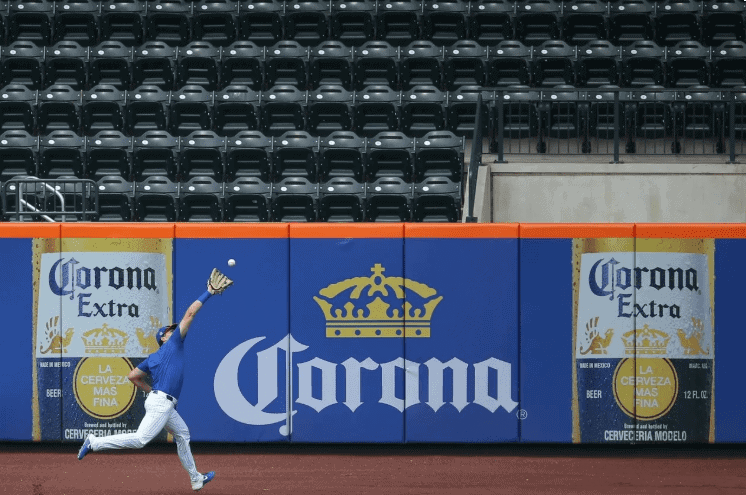
No media context in the world generates the emotional intensity of live sports. Fans are invested in ways that no other content format can replicate — the joy of a championship, the tension of a playoff game, the communal ritual of rooting for a shared identity. Brands that understand this emotional landscape and know how to activate within it don’t just buy advertising impressions. They buy membership in communities that are among the most loyal and passionate in consumer culture.
At American Guerrilla Marketing, we deploy campaigns around major sports events in cities across the country. Game days concentrate thousands of high-energy, brand-receptive fans in defined geographic corridors — an opportunity for street-level brand activation that rivals any media buy in terms of engagement and recall. Our team builds campaigns around stadium perimeters, fan arrival routes, and transit corridors that turn game day into a brand building moment. The advertising fundamentals remain the same: reach the right people at the right moment with something worth paying attention to.
This guide covers the full spectrum of sports advertising — from major sponsorships to grassroots street activations — and how to build a strategy that builds both brand recognition and genuine community connection.
The Emotional Economy of Sports Advertising
Sports advertising works because it borrows equity from one of the most powerful emotional contexts in human experience. Fan identity — the feeling of “we” when a team wins or loses — is among the strongest tribal affiliations in modern culture. Brands that align authentically with those tribal identities inherit a portion of the passion and loyalty that fans feel for their teams.
Why Sports Fans Are Uniquely Valuable Advertising Audiences
Sports fans skew toward high media engagement, strong social networks (built around shared fandom), and above-average brand loyalty in categories where sports associations are relevant. Research consistently shows that consumers with strong team fandom are more likely to purchase from official partners and sponsors of their team than equivalent consumers without sports fandom. This commercial loyalty effect is what makes sports sponsorships valuable beyond the direct impressions they generate — it’s a brand relationship accelerator.
The Live Sports Attention Premium
Live sports is one of the last mass media contexts where audiences watch advertising in real time. DVR skipping, streaming ad avoidance, and second-screen distraction have eroded advertising attention across nearly all media formats — but live sports retains a captive audience because the content itself demands real-time attention. Brands that advertise in live sports broadcasts are reaching consumers during one of the highest-attention viewing contexts available in modern media.
Types of Sports Advertising
The sports advertising landscape spans a wide range of formats, investment levels, and audience contexts. Understanding the options helps brands match strategy to budget and objective.
Major League Sports Sponsorships
Official sponsorships with major professional sports leagues (NFL, NBA, MLB, NHL, MLS, NWSL) provide brand association with the sport’s most prominent cultural properties. Sponsorship packages typically include in-stadium signage, broadcast mentions, digital content rights, event hospitality, and official designation in a product category. Major league sponsorships are expensive — national partnerships at the league level run into the millions — but they deliver unmatched brand association with the highest-profile sports properties.
Team-Level Sponsorships
Individual team sponsorships provide the geographic targeting that league-wide sponsorships lack. A brand that cares about the New York market buys a partnership with the Knicks or the Yankees rather than the NBA or MLB. Team sponsorships deliver local market presence, fan base engagement, and in-market media activation at lower investment levels than national league deals. For regional brands, team sponsorships deliver better market relevance than national properties at more accessible price points.
Athlete Endorsements and Partnerships
Athlete partnerships leverage individual sports celebrity for brand building in ways that team or league sponsorships can’t. An athlete endorsement creates personal association between the brand and the athlete’s identity, performance story, and fan base. The value of athlete partnerships depends heavily on the athlete’s profile, fan base demographics, and how authentically the brand relationship is positioned. Partnerships that feel forced or commercial perform poorly. Those that reflect genuine product use and brand alignment perform significantly better.
Sports Media Advertising
Advertising in sports media — broadcast, cable, streaming, sports radio, and sports digital content — doesn’t require a formal sponsorship relationship. Brands can purchase advertising time around sports broadcasts through traditional media buying, targeting the sports audience without the rights fees associated with official sponsorships. Sports media advertising is particularly effective for brands seeking efficient reach among male sports-engaged demographics.
Event-Adjacent Street Marketing: The Underutilized Sports Opportunity
Some of the most cost-effective sports advertising happens not inside the arena, but in the streets, transit corridors, and neighborhoods surrounding it. Game days concentrate thousands of high-engagement fans in a defined geographic area — a captive audience for street-level brand activation that most brands ignore in favor of expensive in-stadium media buys.
Game Day Street Activation
The blocks surrounding a major venue on game day are extraordinary advertising environments. Fans are in high spirits, walking in concentrated flows toward the arena or stadium, wearing their team colors and looking for their next pre-game stop. Brands with sampling operations, brand ambassadors, or engaging installations along these arrival routes catch fans at their most brand-receptive moment. The festive energy of game day makes positive brand associations significantly easier to create than in neutral contexts.
Our team deploys game day campaigns across major sports markets — New York, Los Angeles, Chicago, Atlanta, and more — building street presence that reaches thousands of fans per event with measurably higher engagement than static OOH placements. Contact our Industry City, Brooklyn office at (646) 776-2770 to discuss game day activation strategy.
Venue-Perimeter OOH Advertising
LED billboard trucks and static OOH placements on the streets surrounding major venues reach game day foot traffic at lower cost than in-stadium advertising while maintaining high-impact visual presence. An LED truck parked on the main arterial approaching a stadium during pregame reaches arriving fans at the moment of highest energy — often driving more engagement than in-stadium placements that compete with the game itself for attention.
Transit Corridor Advertising
Transit routes serving major sports venues — subway lines, bus routes, commuter rail corridors — carry concentrated sports audiences before and after games. Poster campaigns and sidewalk stencil activations at transit stops serving the venue reach fans during their commute in and out — typically 30 to 60 minutes of transit time where your brand can be the thing they see and think about. This transit audience is often overlooked by sports advertisers focused on the venue itself.
Community Sports Advertising: Local Teams and Grassroots Activation
Not all sports advertising requires major league budgets. Community and amateur sports generate extraordinary local fan engagement, and brands that support local teams build genuine neighborhood credibility that national sponsorships can’t replicate.
Youth Sports Sponsorships
Sponsoring local youth sports leagues, school athletic programs, and community recreation teams creates genuine community goodwill that generates positive brand association among families and neighborhood residents. A local business sponsoring a youth baseball league — providing jersey logos, dugout signage, and program advertising — reaches parents at their most engaged community moment. The investment is modest; the community relationship is enduring.
Amateur and Semi-Pro Team Support
Many cities have thriving amateur and semi-professional sports communities — recreational leagues, independent minor league teams, esports organizations — with dedicated local fan bases. Sponsoring these organizations creates authentic community association and reach to engaged local audiences that national sports advertising misses. These partnerships often provide brand presence at community events, social media exposure to the team’s following, and genuine advocacy from an engaged local sports community.
Digital Sports Advertising and Social Media
The sports advertising landscape has expanded dramatically into digital and social channels, creating opportunities to reach sports audiences between events and through content that extends sports engagement beyond game time.
Social Media Sports Content
Sports content — highlight packages, analysis, behind-the-scenes athlete content, fan celebration moments — generates among the highest engagement rates of any social media content category. Brands that create or sponsor compelling sports content build audiences of sports-engaged consumers who actively seek out branded entertainment rather than tolerating it. Social sports content partnerships with athletes, sports media personalities, and team accounts can deliver significant organic reach at costs well below equivalent paid social advertising.
Fantasy Sports and Gaming Integration
Fantasy sports platforms, sports betting applications, and sports gaming properties have created new digital advertising contexts with highly engaged, data-rich sports audiences. Advertising within fantasy sports platforms reaches consumers who are deeply engaged with sports data and outcomes — an audience that over-indexes on sports consumption and sports-adjacent product categories.
Frequently Asked Questions About Sports Advertising
What is sports advertising?
Sports advertising encompasses all marketing communications that leverage sports contexts — including in-stadium and arena advertising, broadcast and streaming sports media, sports team and athlete sponsorships, event-adjacent out-of-home placements, and branded activations at sporting events and venues.
Why is sports advertising effective for building brand communities?
Sports fans are among the most passionate and loyal consumer audiences available to advertisers. Fan identity is deeply personal, and brands that authentically align with sports communities inherit a share of that passion and loyalty. This emotional connection is significantly harder to build through conventional advertising channels.
What types of sports sponsorships are available?
Sports sponsorship categories include team naming rights, jersey or uniform sponsorships, stadium and arena naming rights, broadcast sponsor packages, digital content partnerships, athlete endorsements, event title sponsorships, and official partner or supplier designations in specific product categories.
How can small brands advertise around sports events without a large budget?
Small brands can activate around sports events through out-of-home advertising near venue perimeters, guerrilla marketing campaigns in surrounding neighborhoods, social media content aligned with game day moments, and micro-sponsorships of local teams and community sports organizations.
What is the difference between sports sponsorship and sports advertising?
Sports sponsorship involves a paid commercial relationship with a team, athlete, league, or event in exchange for brand association and marketing rights. Sports advertising is the broader category of placing brand messages in sports-adjacent media contexts — which may or may not include a formal sponsorship relationship.
How do brands activate around sports events at the street level?
Street-level sports activation includes branded presence in the blocks surrounding venues on game days, sampling and brand ambassador programs along fan arrival routes, out-of-home advertising in transit corridors serving the venue, and guerrilla marketing installations that create shareable brand moments for arriving fans.
How do you measure the ROI of sports advertising?
Sports advertising ROI is measured through brand awareness lift (tracked through pre/post surveys), media impression value, direct attribution for digital campaign components, social engagement generated by sports-adjacent content, and long-term brand health metrics including fan-base purchase behavior.
Frequently Asked Questions
What is sports advertising building strong brands and communities?
American Guerrilla Marketing provides sports advertising building strong brands and communities services across 50+ U.S. markets. Every campaign is planned, scouted, executed, and GPS-documented by our field teams. We work with regional brands and Fortune 500 companies on campaigns that require real street-level execution and documented proof of performance.
How does AGM approach and communities?
Our process starts with a market consultation to understand your goals, target audience, and budget. We then scout locations, handle any required permissions or permits, coordinate production and installation with our local crews, and provide a full GPS-tagged photo report after the campaign runs.
What markets does American Guerrilla Marketing cover for and communities?
We operate in 50+ U.S. markets including New York, Los Angeles, Chicago, Miami, Houston, Atlanta, Seattle, Denver, Boston, and dozens of secondary markets. Contact us to confirm availability and pricing for your specific market.
How much does a and communities campaign cost?
Campaign pricing depends on market, format, quantity, and duration. We work with budgets ranging from targeted single-market runs to national rollouts across multiple cities. Use our RFP Builder or contact us directly for a custom quote based on your specific campaign requirements.
How do I get started with and communities through AGM?
The fastest way to get started is to submit your campaign details through our RFP Builder at americanguerrillamarketing.com, or contact us directly at [email protected] or (646) 776-2770. Our team typically responds within one business day with availability and initial pricing.