American Guerrilla Marketing
Nationwide serivce
Media planning, media buying, billboard advertising, & guerrilla marketing
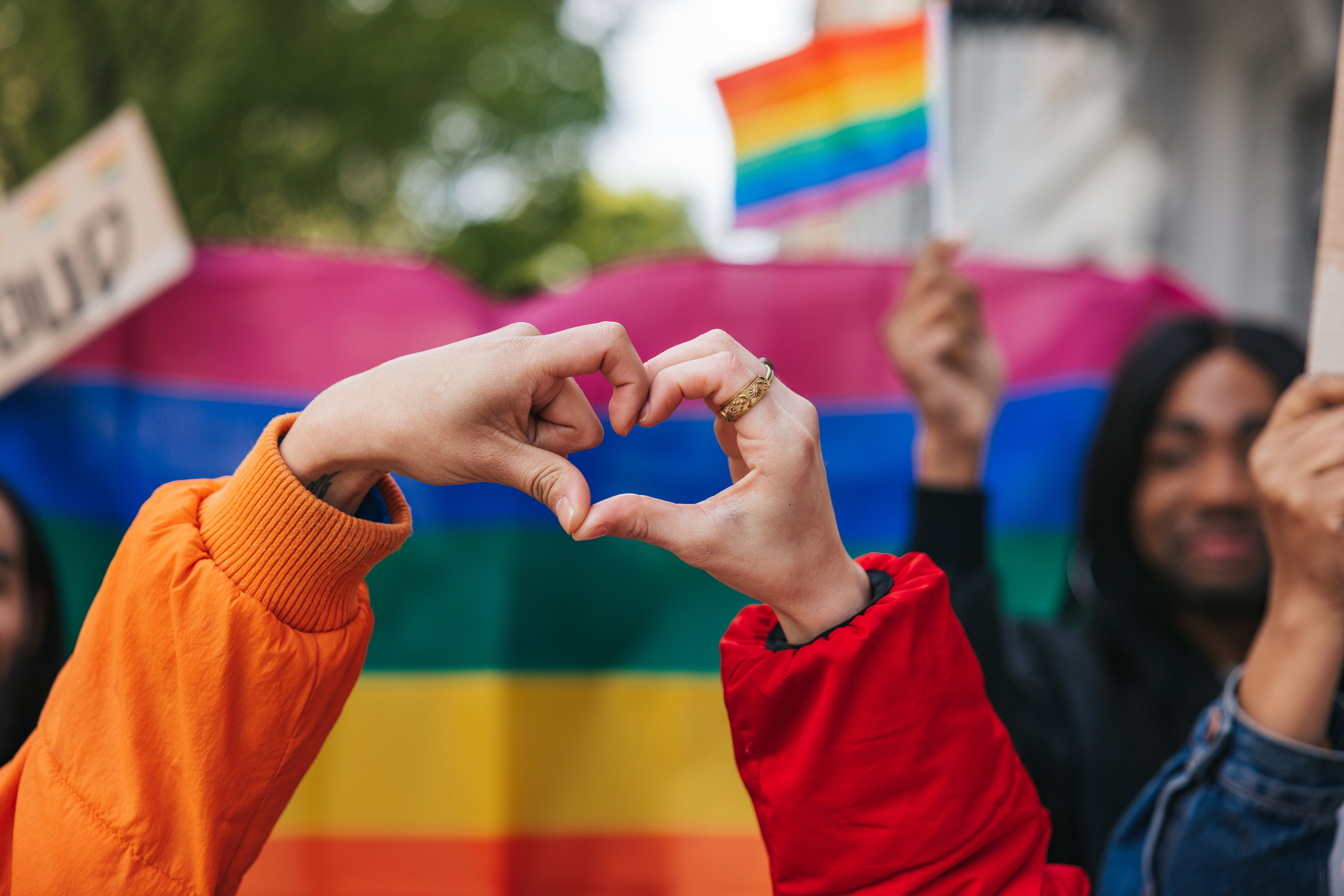
Pride Festival Marketing in Massachusetts works when the plan follows how Pride audiences actually circulate before, during, and after the visible program. Pride audiences move in layers: early community supporters arrive with purpose, sponsors and exhibitors try to establish relevance before the peak wave hits, then the crowd breaks into parade viewing, vendor browsing, performances, nightlife, recovery stops, and post-event sharing. Strong pride festival marketing Massachusetts has to respect that movement from the start so the brand lands before attention hardens, stays useful during the busiest windows, and remains visible after the formal footprint starts to dissolve.
That matters in Massachusetts because Pride is never only one mood and rarely only one block. Some attendees are looking for celebration, some are evaluating sponsors, some are navigating identity-safe spaces, and some are deciding where to spend money after the official programming ends. Good event marketing Massachusetts reads those overlapping motives and uses route discipline, timing, and tone to make the activation feel welcome rather than extractive.
There is also real sponsor pressure inside Pride planning. Brands want visibility, community groups want authenticity, organizers need flow to stay safe and manageable, and the audience quickly notices when a campaign is treating the event like generic summer inventory. That is why live event promotion Massachusetts has to balance message clarity with cultural timing, neighborhood awareness, and enough operational restraint that the field work feels embedded in the city instead of dropped on top of it.
American Guerrilla Marketing approaches Pride Festival Marketing in Massachusetts as a layered field system. Street teams handle fast contact where people are still moving. Brand ambassadors take over where conversation and credibility matter more. Experiential elements and pop-ups create dwell in sponsor-rich pockets. Sampling, decals, and posters stretch the memory curve across approach routes, nightlife handoffs, and neighborhood extensions. The result is a Pride campaign that is built for conversion strength, local authority, and repeat visibility instead of recycled event filler.
Boston matters in Massachusetts because it shapes how people enter the Pride environment before their attention gets fragmented. This is where the audience is still deciding whether to stop, which sponsor area to visit, and how much time to commit to the larger program. Strong pride festival marketing massachusetts uses this type of corridor for visible but efficient contact: crisp messaging, confident staff, and support media that can register in a few seconds without asking for too much too early.
For brands operating in Massachusetts, this is also where tone matters. Pride audiences respond to preparation, usefulness, and cultural awareness. A campaign that looks organized, respectful, and locally informed will convert better here than one that treats the zone like a generic event crowd.
Cambridge gives event marketing massachusetts a better chance to convert attention into useful interaction because the crowd slows down and starts browsing instead of simply pushing forward. In practical terms, that makes it a stronger place for sampling, better sponsor storytelling, branded content moments, or a more polished ambassador presence that can answer questions without interrupting the event rhythm.
The operational payoff is better sequencing. Instead of relying on one overloaded tactic, the campaign can move from contact to dwell to reminder in a way that feels native to the route. That is the difference between being noticed once and being remembered through the whole Pride cycle.
Springfield becomes especially valuable once the official program starts to release people into bars, patios, side streets, and after-parties. That late-day movement is where live event promotion massachusetts can either deepen brand memory or disappear entirely. Keeping a visible but well-paced presence here helps the campaign stay relevant after the first daytime interaction has already happened.
Used correctly, this layer helps the activation keep momentum without sounding templated. It gives the page real local logic, gives the client a clearer deployment brief, and makes reporting easier because the route has named zones with distinct performance expectations.
Worcester supports the longer memory curve in Massachusetts because it catches people outside the most crowded blocks while Pride conversation is still active. This kind of extension zone is useful for posters, decals, lighter ambassador coverage, and selective local partnerships that let the campaign travel with the city instead of ending the moment the loudest programming is over.
Execution should stay disciplined. The best field plan assigns Worcester a specific commercial job, then matches staffing, production, and measurement to that job. That keeps the route from feeling repetitive and helps sponsors understand why each neighborhood, street cluster, or venue-adjacent pocket is being used in a different way.
Award0Winning Personalized Service
You will get thoughtful, devoted, and individualized attention from our experienced, qualified, and professional personnel. Being one of the most illustrious agencies in Brooklyn, New York, American Guerilla Marketing has been awarded the Best of Brooklyn title.
Nationwide
Industry City, Brooklyn, New York 11232
American Guerilla Marketing
Hours
Mon - Fri: 9 AM - 5 PM
Sat & Sun: Closed
Automate your campaign with AGM’s Request for Proposal Builder. Simply answer a few quick questions about your campaign goals, markets, and timeline, and the system will generate a tailored presentation with recommended strategies, quantities, and pricing. Click the RFP Builder to instantly receive your customized proposal.
The strongest Pride campaigns in Massachusetts work because each service layer is assigned a different job. Instead of forcing one tactic to do everything, the plan separates first-contact pressure, sponsor-friendly dwell, nighttime reinforcement, and route continuity so the audience meets the brand in the right format at the right moment.
Street teams are used when the route needs fast contact, high-frequency distribution, and strong visibility around arrival paths, line zones, transit handoffs, or pre-event decision points. In Massachusetts, that matters because crowd speed, sponsor expectations, and neighborhood tone shift throughout the day. The service should be used where it can do real work, then measured against timing, staffing quality, cost efficiency, and the type of response the client actually wants.
Brand ambassadors are used when the campaign needs stronger conversations, cleaner sponsor representation, product explanation, lead capture, or more polished community-facing interaction. In Massachusetts, that matters because crowd speed, sponsor expectations, and neighborhood tone shift throughout the day. The service should be used where it can do real work, then measured against timing, staffing quality, cost efficiency, and the type of response the client actually wants.
Experiential activations are used when the objective is dwell time, content capture, sponsor storytelling, or a memorable branded moment that justifies a deeper stop. In Massachusetts, that matters because crowd speed, sponsor expectations, and neighborhood tone shift throughout the day. The service should be used where it can do real work, then measured against timing, staffing quality, cost efficiency, and the type of response the client actually wants.
Pop-ups are used when the plan benefits from a temporary base for sampling, merch, information handoff, or a highly visible sponsor footprint inside a slower-moving Pride zone. In Massachusetts, that matters because crowd speed, sponsor expectations, and neighborhood tone shift throughout the day. The service should be used where it can do real work, then measured against timing, staffing quality, cost efficiency, and the type of response the client actually wants.
Sampling is used where people can actually pause, receive the offer, and connect the product to the event moment instead of rushing past it. In Massachusetts, that matters because crowd speed, sponsor expectations, and neighborhood tone shift throughout the day. The service should be used where it can do real work, then measured against timing, staffing quality, cost efficiency, and the type of response the client actually wants.
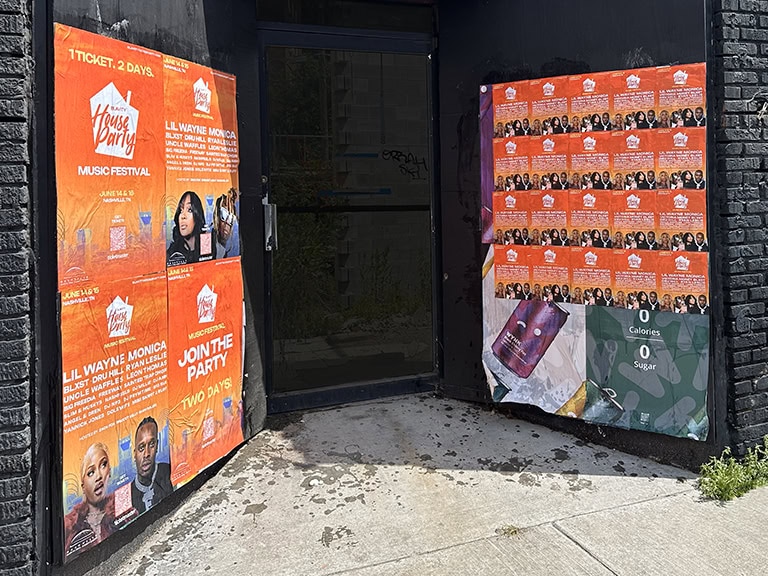
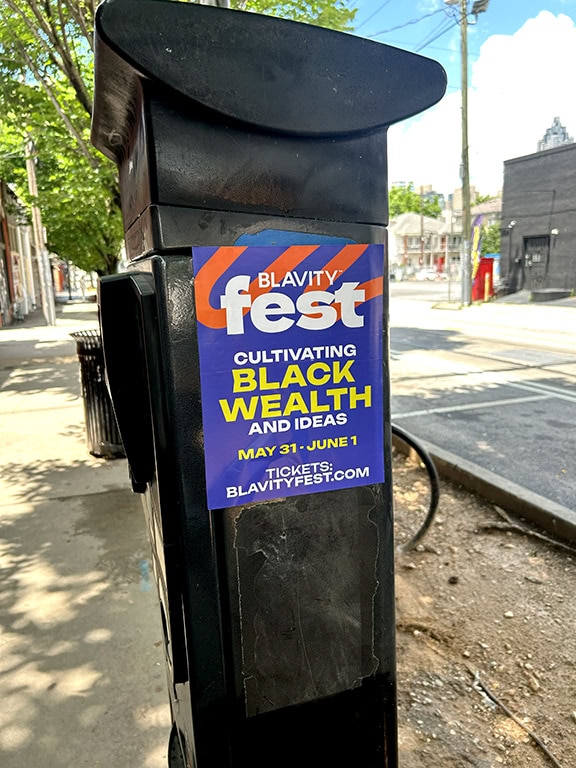
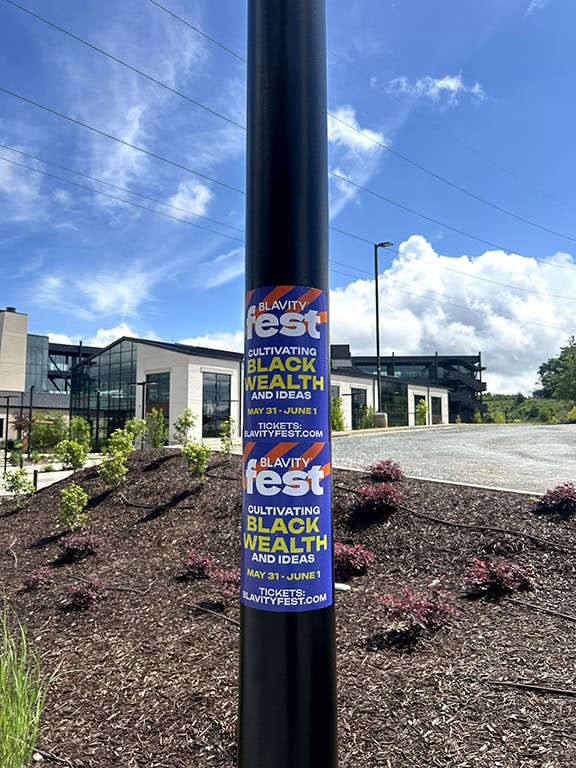
Decals and posters are used to reinforce awareness between live staff interactions and to keep the route visually connected before and after the busiest hours. In Massachusetts, that matters because crowd speed, sponsor expectations, and neighborhood tone shift throughout the day. The service should be used where it can do real work, then measured against timing, staffing quality, cost efficiency, and the type of response the client actually wants.
| Region or Market Zone | Audience Behavior | Best Activation Type | Campaign Objective | Estimated Daily Impressions | Estimated 2-Week Impressions | Estimated Engagement Rate | Estimated Dwell Time |
|---|---|---|---|---|---|---|---|
| Boston | arrival corridor control; This is where the campaign earns the first useful impression, while people are still choosing where to go, who to meet, and whether to stop. | street teams, decals, QR handoffs | build early recognition before the crowd hardens into its route | 4,465–16,281 | 62,510–227,934 | 5.8%–9.7% | 11–28 min |
| Cambridge | festival-core dwell; This zone matters because sponsor interactions can deepen here without fighting the speed of the arrival surge. | brand ambassadors, sampling, pop-ups | convert sponsor-rich dwell into stronger interaction and memory | 5,102–14,004 | 71,428–196,056 | 5.2%–9.4% | 12–23 min |
| Springfield | nightlife recirculation; This district carries value after the official programming eases, when the audience spills into bars, patios, and secondary venues. | posters, nightlife ambassadors, reminder media | hold visibility after the official festival schedule breaks apart | 6,340–14,102 | 88,760–197,428 | 4.9%–8.0% | 11–25 min |
| Worcester | support and repetition; This layer extends the campaign into a longer memory window so the brand is not dependent on one high-pressure touchpoint. | experiential support, local partnerships, flyering | stretch the campaign beyond one parade or one daytime window | 6,379–18,649 | 89,306–261,086 | 4.3%–8.0% | 12–22 min |
American Guerrilla Marketing is built for Pride assignments that need route logic, community sensitivity, sponsor clarity, and measurable field discipline at the same time. We do not treat Pride like a generic event staffing request. We map where the city opens, where it slows down, where it celebrates after dark, and where a reminder layer will actually improve conversion instead of just adding clutter.
For brands that need pride festival marketing Massachusetts to perform like a real market plan, that structure matters. It creates a cleaner staffing brief, stronger local credibility, better daypart sequencing, and a recap that can be defended internally when buyers need to justify timing, cost, and next-step optimization.
The strongest pride festival marketing Massachusetts starts before the headline march, concert, or festival gate opens because recognition is easier to earn while the audience is still planning where to go, which sponsor tents to visit, and which after-parties to prioritize. For most programs, that means light awareness assets one to two weeks out, stronger street-level visibility in the final several days, and then a concentrated field push across the biggest parade, festival, and nightlife windows. The practical goal is not just to be present on event day. It is to arrive early enough that the brand feels familiar when the crowd finally meets it in person.
Execution cost depends on how much runway the client wants to buy. A lean schedule might use posters, decals, or a selective ambassador shift before the main event, while a heavier schedule layers supervisors, sampling support, multiple dayparts, and stronger proof-of-performance reporting. Planning should lock staffing, asset production, permit questions, and route timing before the city calendar compresses, because late decisions usually force higher rush costs and weaker placement options.
A serious pride festival marketing Massachusetts budget is the budget that can create repetition in the right districts instead of scattering weak coverage across too many blocks. In a smaller market, that may mean a compact ambassador program, selective pop-up support, and one dependable reminder layer. In a larger market, brands usually need more supervisors, more inventory, more neighborhood coverage, and stronger production so the activation can survive crowd fragmentation and sponsor competition.
The better planning question is not the cheapest number. It is what level of visibility, dwell time, and measurable action the client actually expects. If the brief calls for experiential buildout, premium brand ambassadors, sampling logistics, or multi-day nightlife reinforcement, the scope should reflect that. American Guerrilla Marketing usually prices around city density, operating hours, asset count, reporting depth, and whether the campaign needs to feel present in one core footprint or several connected Pride zones.
The most valuable districts are the ones that control arrival, dwell, and recirculation rather than simply looking famous on a map. For pride festival marketing Massachusetts, that usually means one zone where people first commit to the event, one zone where sponsor interaction can deepen, one zone where nightlife or after-parties extend the memory curve, and one zone that keeps the campaign visible outside the headline footprint. That route logic matters because Pride audiences do not move in a straight line once programming begins.
Planning should test each zone by asking what the crowd is doing there, how long people stay, and what kind of ask is realistic in that moment. A corridor built for quick handoffs should not be overloaded with long scripts, and a dwell-heavy sponsor district should not be treated like a commuter tunnel. The best execution plan assigns a different commercial job to each district, then budgets staffing and production around those jobs instead of treating the whole market as one blended crowd.
Street teams work best when the assignment is speed, frequency, and route coverage. Brand ambassadors work best when the assignment is trust, explanation, and stronger sponsor presentation. In pride festival marketing Massachusetts, both matter, but they should not be placed interchangeably. Arrival corridors, parking funnels, and quick-moving festival edges usually reward lighter scripts and faster contact. Sponsor villages, nightlife queues, and pop-up zones usually reward more polished staff who can handle questions, sampling, or lead capture without slowing the flow.
From a planning standpoint, deployment should map headcount to daypart, not just total attendance. Early waves often need directional visibility and fast contact, while later waves need more conversation depth and better supervision. Cost rises when clients add premium staffing, bilingual requirements, longer hours, or multiple overlapping shifts, but those decisions can be worth it if the goal is stronger conversion rather than just surface-level visibility.
Experiential activations and pop-ups make sense when the brand needs more than a glance. They are most effective in pride festival marketing Massachusetts when the audience already has permission to stop, participate, sample, create content, or ask questions. That usually means sponsor-rich festival cores, adjacent plazas, nightlife courtyards, or secondary zones where the crowd slows down long enough for a real branded moment to happen.
They require heavier planning than simple staffing because production, footprint, permits, power, storage, set-up timing, and teardown all affect whether the activation feels polished or improvised. They also cost more because the campaign is buying dwell time, not just impressions. The right choice is to use them where deeper interaction will actually improve sponsor value, community fit, or measurable response instead of dropping a pop-up into a corridor designed for pass-through traffic.
Yes, but only if sponsor visibility is tied to usefulness and placement discipline. Pride audiences notice when a sponsor is contributing to the experience versus forcing a takeover. In pride festival marketing Massachusetts, the cleanest sponsor programs usually combine helpful staff, clear creative, practical giveaways or sampling, and placements that align with the emotional tone of the event. Visibility is strongest when the audience feels the brand understands where it is and why it belongs there.
Execution planning should separate prestige moments from response moments. Some placements exist to be seen, some exist to trigger scans or conversations, and some exist to keep the sponsor top of mind after the crowd leaves the main footprint. Budget should reflect that mix. If every tactic is trying to do every job, the result usually feels louder rather than smarter.
Live event promotion Massachusetts helps Pride campaigns because the audience rarely stops moving when the main stage schedule ends. People spill into bars, patios, retail corridors, transit routes, and after-parties, which creates a second window for reinforcement. A smart live event promotion plan uses reminder media, late-day ambassadors, and selective nightlife visibility to extend recall after the initial touchpoint, giving the brand another chance to convert attention into action.
The timing matters. Daytime assets should build familiarity before the evening crowd makes its final decisions, while nightlife support should feel like continuity instead of a disconnected second campaign. Costs rise when the client wants long operating hours, multiple venue clusters, or premium late-night staffing, but those extra layers are often what transform a one-touch festival presence into a campaign people remember the next morning.
A useful reporting package for pride festival marketing Massachusetts should measure more than raw distribution totals. Buyers need to know which districts produced the strongest contact quality, where scan behavior improved, which dayparts created the best dwell, and whether sponsor-heavy zones performed differently from nightlife or arrival corridors. Proof photos, route logs, timestamped notes, QR data, and supervisor observations usually tell a much more usable story than a single blended recap number.
Planning the reporting layer early also affects cost and execution quality. If the client wants GPS-backed route proof, deeper field notes, survey capture, lead reconciliation, or daypart comparisons, the staffing model should support that from the start. Reporting is cheapest when it is designed into the field brief. It becomes expensive and unreliable when teams are asked to recreate performance after the event has already moved on.
Event marketing Massachusetts cost changes quickly when the program shifts from simple human distribution to a more visible or infrastructure-heavy activation. Staffing levels, supervisor ratios, branded wardrobe, premium ambassadors, product handling, permits, pop-up hardware, signage, transportation, and late-night operating windows all affect the final number. Even small changes in footprint or timing can increase complexity if they require different access rules or more aggressive logistics.
The safest planning approach is to build the budget around the actual operating model rather than the headline idea. A client may initially ask for a pop-up, but the right answer could be a lighter ambassador-plus-sampling mix if the route does not support dwell. Conversely, a campaign that needs sponsor polish may need more production than the client first expects. Matching the build to the crowd pattern usually saves money compared with forcing the wrong asset into the wrong environment.
Brands should lock their creative, staffing assumptions, route logic, and logistics well before the final event week because live event promotion Massachusetts becomes more expensive and less flexible once Pride schedules tighten. The strongest campaigns usually confirm goals first, then align inventory, staffing levels, collateral, compliance questions, and neighborhood sequencing before the market gets crowded with other sponsors competing for attention.
Operationally, earlier planning creates better options for shift design, asset quality, and local approvals. It also gives supervisors time to adapt the field brief to real conditions rather than improvising around last-minute changes. Rush execution can still work, but it usually narrows placement options, increases production pressure, and forces the client to spend more for less elegant deployment.