Innovative Advertising Strategies
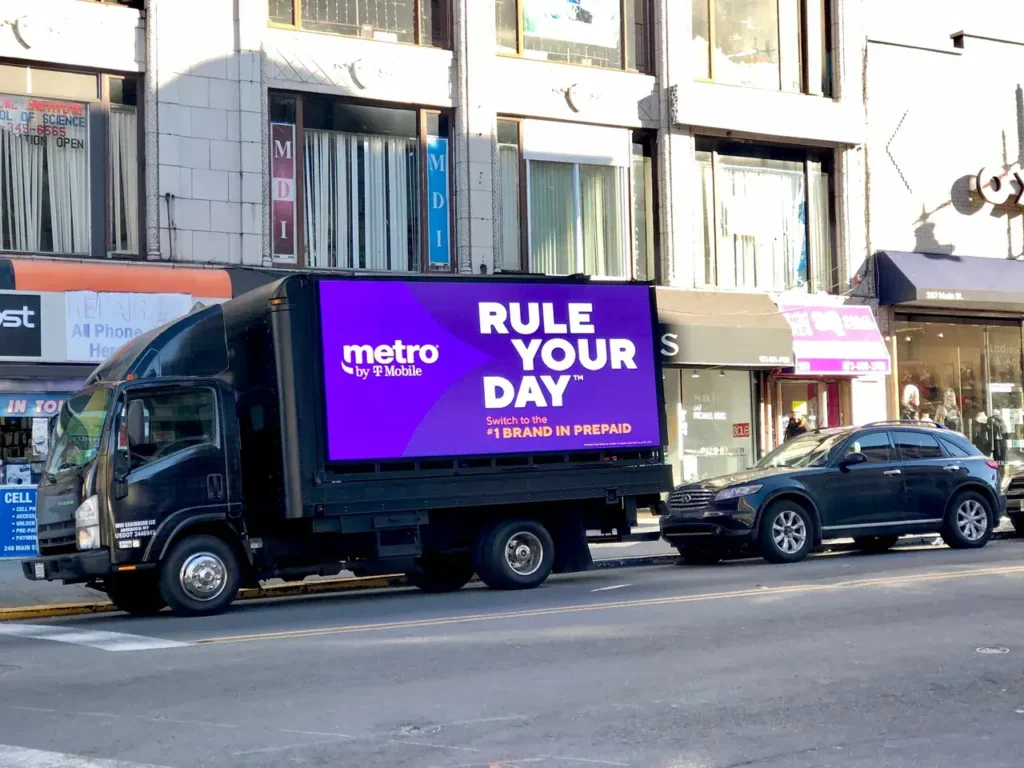
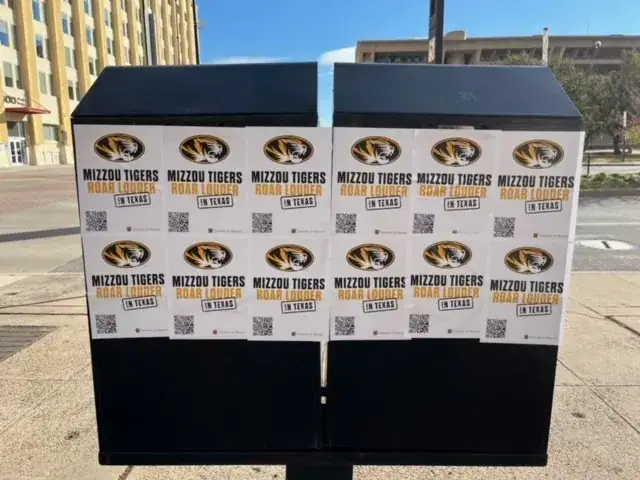
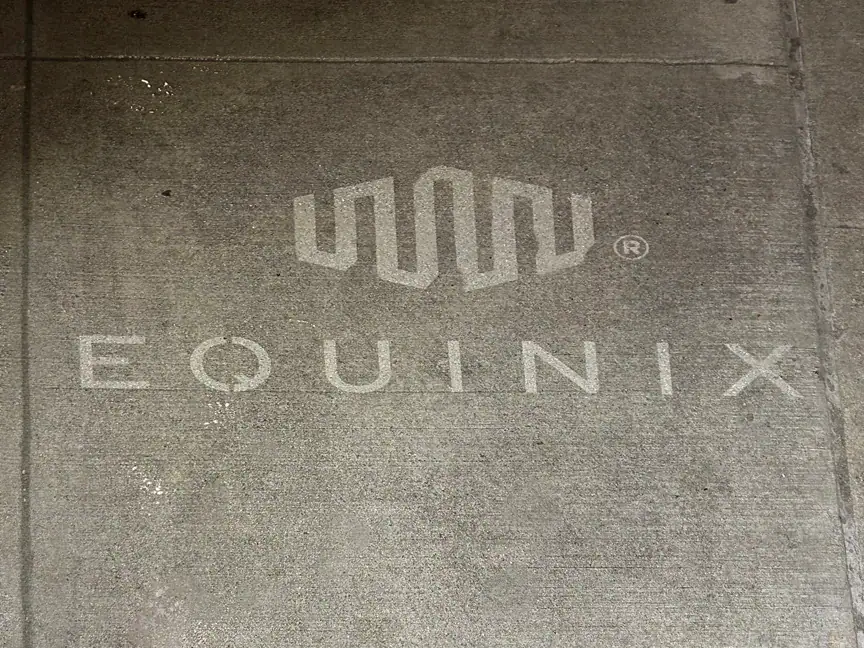
Innovative advertising strategies are essential for capturing the attention of local audiences in today's competitive market. By utilizing unique and creative approaches, businesses can stand out and engage customers effectively.
These strategies may include interactive installations, surprise street performances, or unconventional ad placements that resonate with the local culture. For example, using augmented reality experiences can provide an immersive way to connect with potential customers, leaving a lasting impression.
Target Audience Segmentation
Understanding and segmenting the target audience is crucial for the success of hyperlocal marketing campaigns. By identifying specific demographics, interests, and behaviors, businesses can tailor their messaging and advertising channels to maximize impact.
For instance, a campaign aimed at college students may focus on social media platforms and local events, while a campaign targeting families might utilize community festivals and family-oriented advertising. This strategic segmentation ensures that marketing efforts are relevant and effective.
Case Studies of Successful Campaigns
Analyzing case studies of successful hyperlocal marketing campaigns provides valuable insights into effective strategies and execution. These real-world examples showcase how different businesses have leveraged guerrilla marketing techniques to achieve their goals.
For instance, a local coffee shop that implemented a community mural project not only beautified the area but also attracted new customers and increased brand awareness. Highlighting such success stories can inspire other businesses to adopt similar innovative approaches.
Measuring Campaign Effectiveness
Measuring the effectiveness of hyperlocal marketing campaigns is vital for understanding their impact and optimizing future efforts. Businesses should employ various metrics and analytics tools to track engagement, reach, and conversion rates.
For example, using tools like Google Analytics and social media insights can help assess how well a campaign is performing. Additionally, collecting customer feedback through surveys can provide qualitative data that informs adjustments and improvements for ongoing campaigns.
Innovative Advertising Strategies
Innovative advertising strategies are essential for capturing the attention of local audiences in today's competitive market. By utilizing unique and creative approaches, businesses can stand out and engage customers effectively.
These strategies may include interactive installations, surprise street performances, or unconventional ad placements that resonate with the local culture. For example, using augmented reality experiences can provide an immersive way to connect with potential customers, leaving a lasting impression.
Target Audience Segmentation
Understanding and segmenting the target audience is crucial for the success of hyperlocal marketing campaigns. By identifying specific demographics, interests, and behaviors, businesses can tailor their messaging and advertising channels to maximize impact.
For instance, a campaign aimed at college students may focus on social media platforms and local events, while a campaign targeting families might utilize community festivals and family-oriented advertising. This strategic segmentation ensures that marketing efforts are relevant and effective.
Case Studies of Successful Campaigns
Analyzing case studies of successful hyperlocal marketing campaigns provides valuable insights into effective strategies and execution. These real-world examples showcase how different businesses have leveraged guerrilla marketing techniques to achieve their goals.
For instance, a local coffee shop that implemented a community mural project not only beautified the area but also attracted new customers and increased brand awareness. Highlighting such success stories can inspire other businesses to adopt similar innovative approaches.
Measuring Campaign Effectiveness
Measuring the effectiveness of hyperlocal marketing campaigns is vital for understanding their impact and optimizing future efforts. Businesses should employ various metrics and analytics tools to track engagement, reach, and conversion rates.
For example, using tools like Google Analytics and social media insights can help assess how well a campaign is performing. Additionally, collecting customer feedback through surveys can provide qualitative data that informs adjustments and improvements for ongoing campaigns.