American Guerrilla Marketing
Nationwide serivce
Media planning, media buying, billboard advertising, & guerrilla marketing
Guerrilla marketing in Newark, New Jersey works because the city is dense, transit-driven, and built around constant daily movement. Newark is one of the most active transportation and employment hubs in the Northeast. Residents, students, commuters, airport travelers, healthcare workers, port employees, and visitors move through the same corridors every day. This creates an environment where repetition, proximity, and timing matter far more than novelty.
Newark is not a single market. Downtown, University Heights, the Ironbound, transportation hubs, hospital districts, and industrial corridors all behave differently. Guerrilla marketing succeeds here when tactics are selected based on how people actually move through each zone rather than applying the same approach everywhere.
01

“Justin and the AGM team were fun and efficient to work with. We had a tight timeline, and Justin nailed it. They went above and beyond to meet our needs and offered up so many great ideas. Can’t wait to work with AGM again!”
Jaime Morgans
5-Star Google Review, AGM NYC
02
“The team at AGM was an absolute joy to work with, very responsive, FAST and thoughtful, they came to the table with a ton of ideas we hadn’t realized were available, they worked with our short timeline and got my client eyeballs that they wouldn’t have reached using the usual media companies. I would absolutely recommend them. Thanks so much!”
Heather Cummings
5-Star Google Review, AGM NYC
We execute guerrilla marketing in Newark by studying real movement patterns. Newark Penn Station, Broad Street Station, NJIT and Rutgers–Newark, University Hospital, Prudential Center, Ferry Street, and major bus corridors concentrate foot traffic into predictable loops. People walk, wait, transfer, queue, and pass the same locations multiple times per day.
Our approach to guerrilla marketing in Newark begins with physical scouting and behavioral observation. We identify transit dwell zones, pedestrian choke points, employee routes, retail entrances, and secondary streets that receive repeat exposure. From there, we match services to context — engagement-based tactics in walkable districts, posters and snipes along commuter routes, mobile and vehicle-based media near arterial roads, and reinforcement tactics in residential areas. Planning, production guidance, execution, documentation, and reporting are handled end to end.
Direct engagement in walkable commercial districts and campus areas.
Read More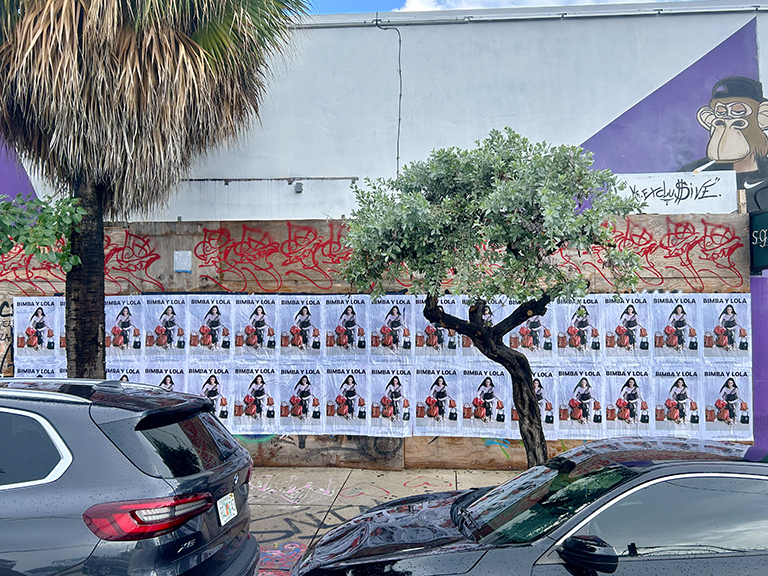
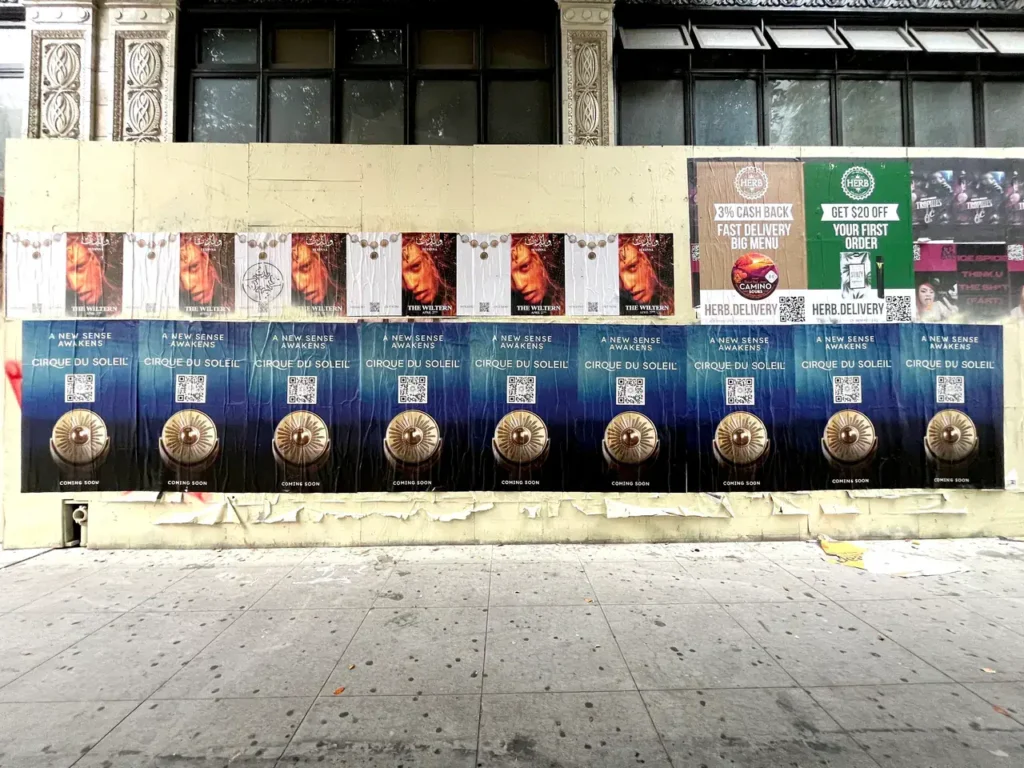
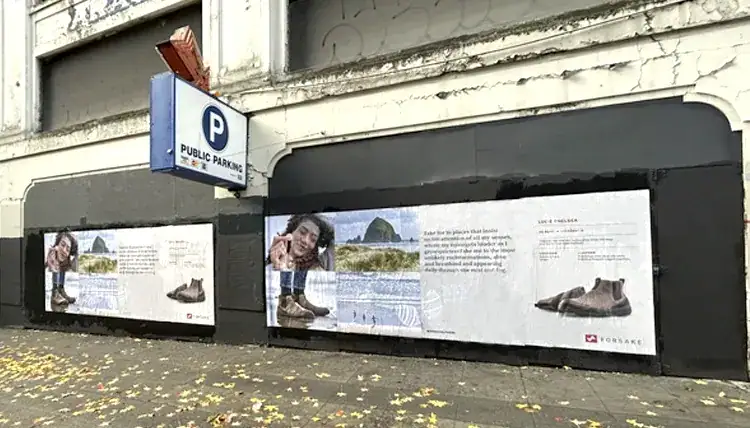
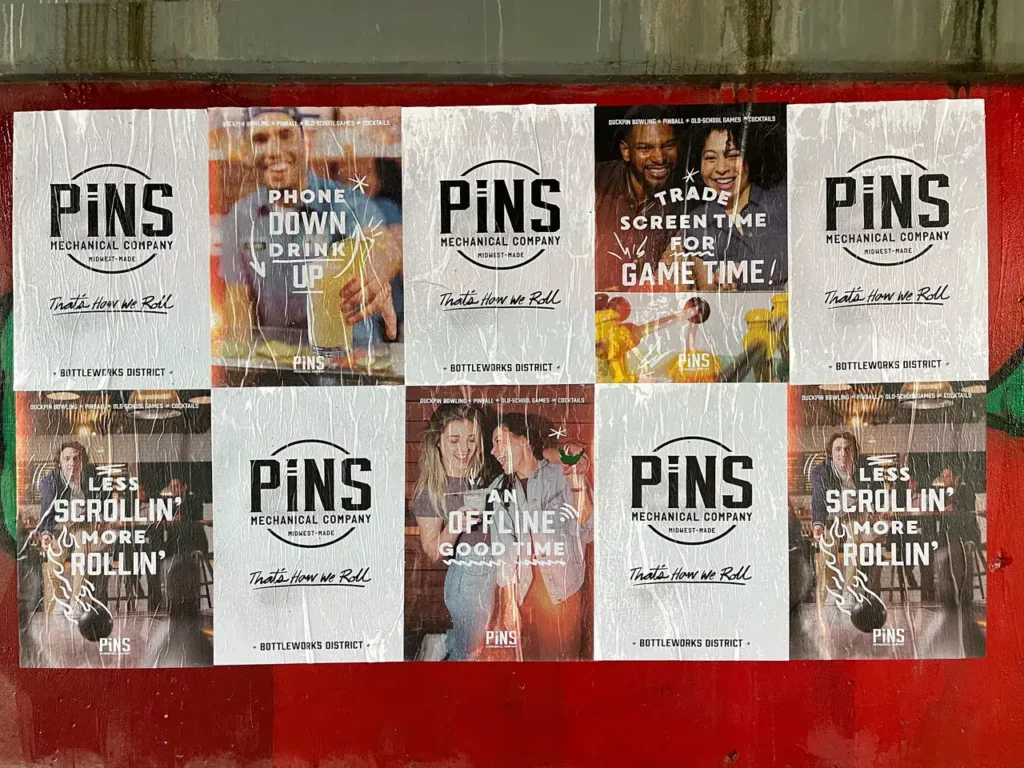
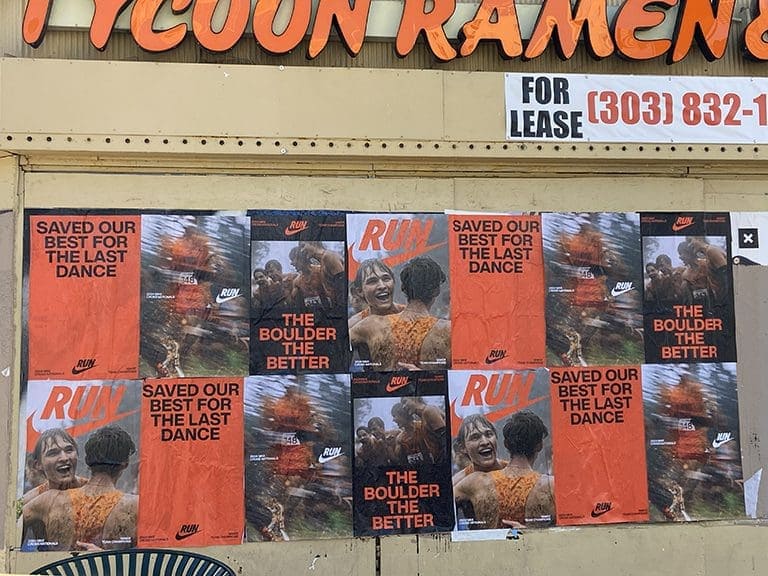
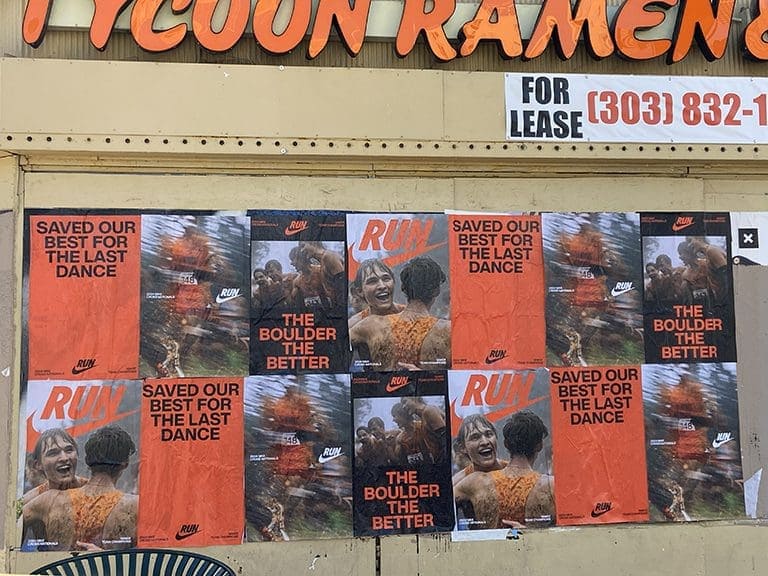
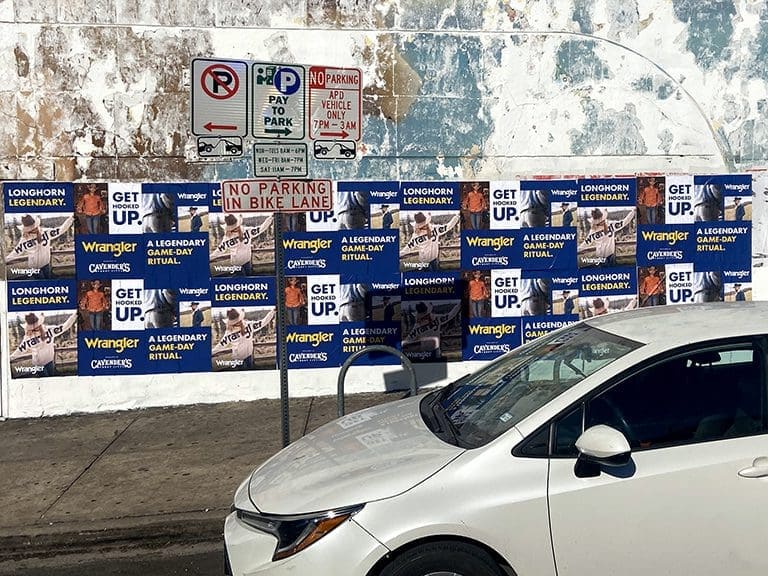
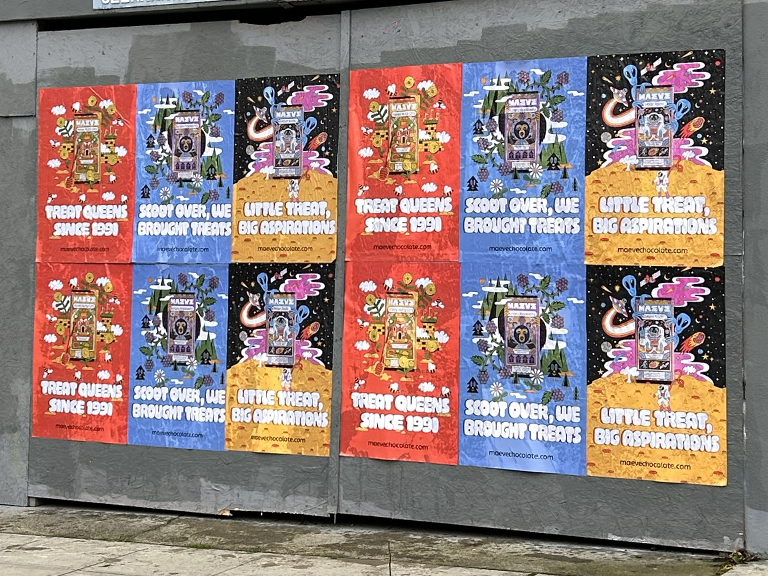
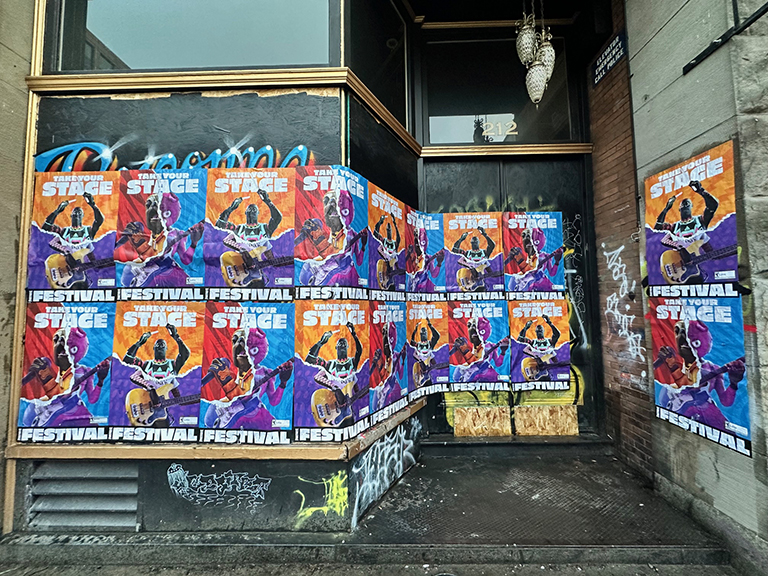
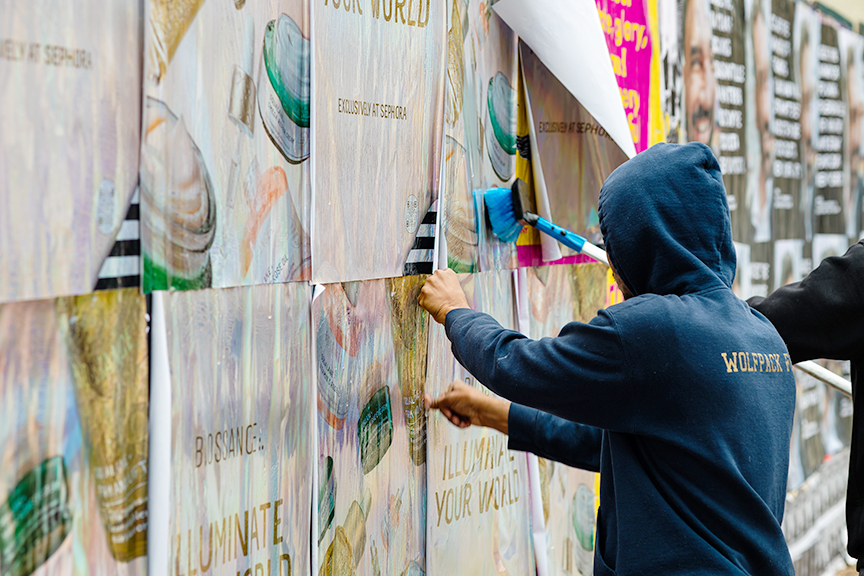
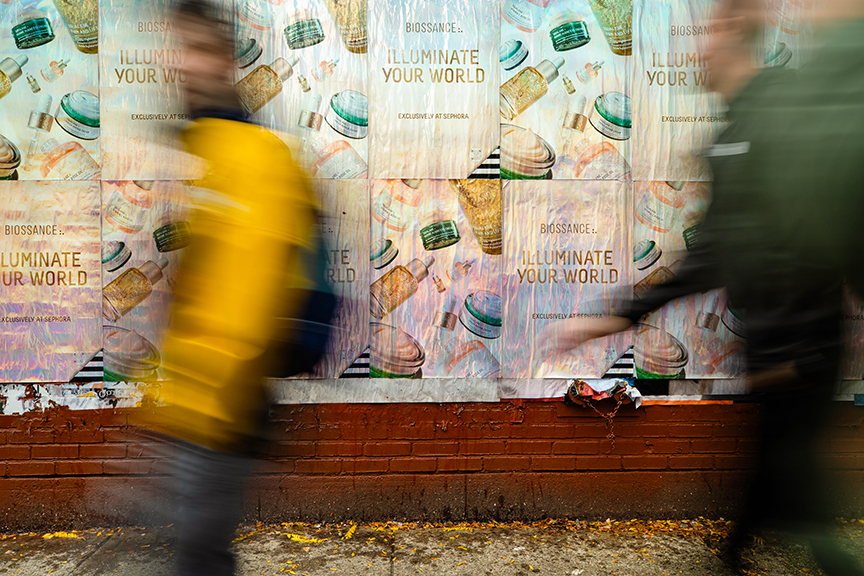
High-density poster placement on appropriate brick and concrete surfaces for repeated visibility.
Read More
Real-world data collection near transit hubs, campuses, and employment centers.
Read More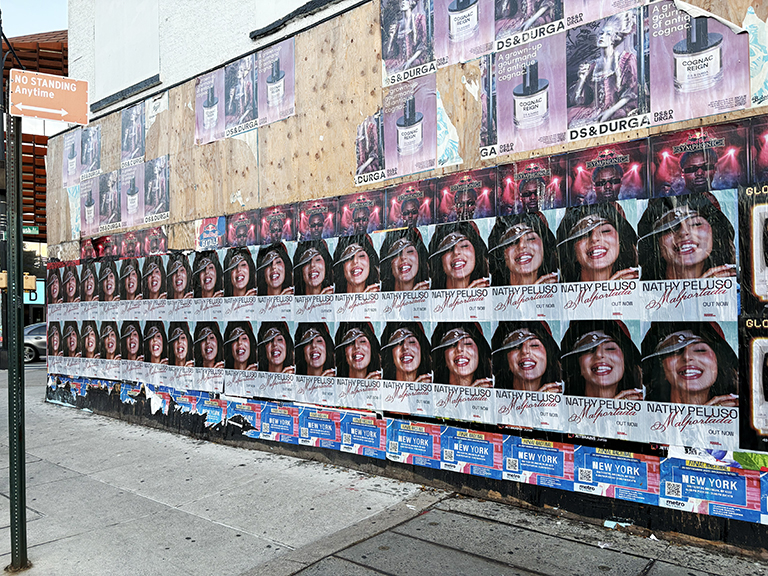
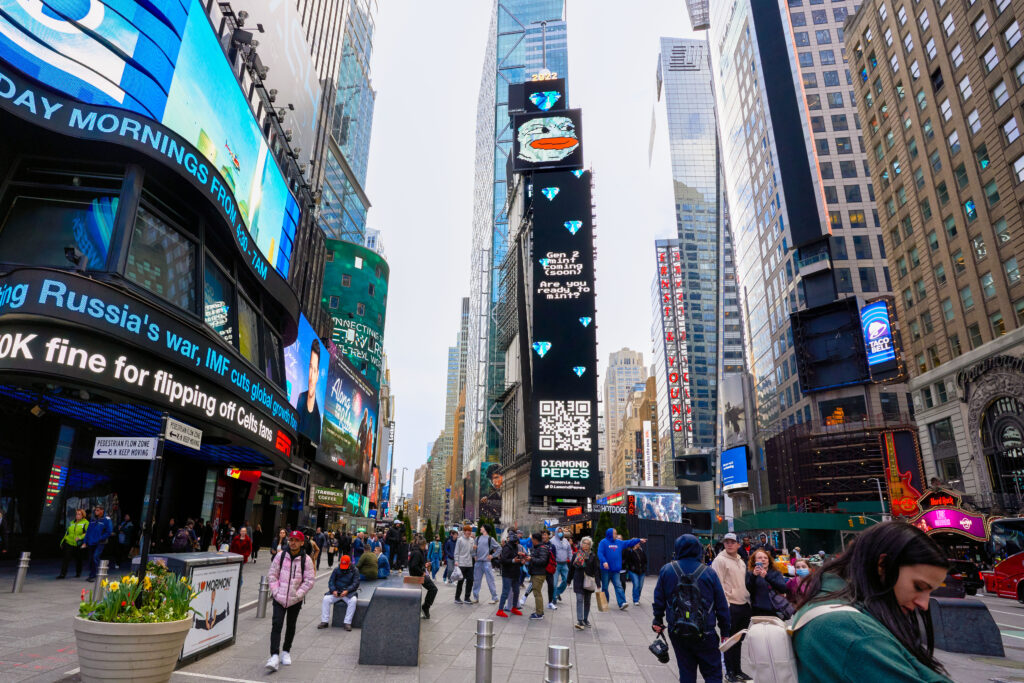
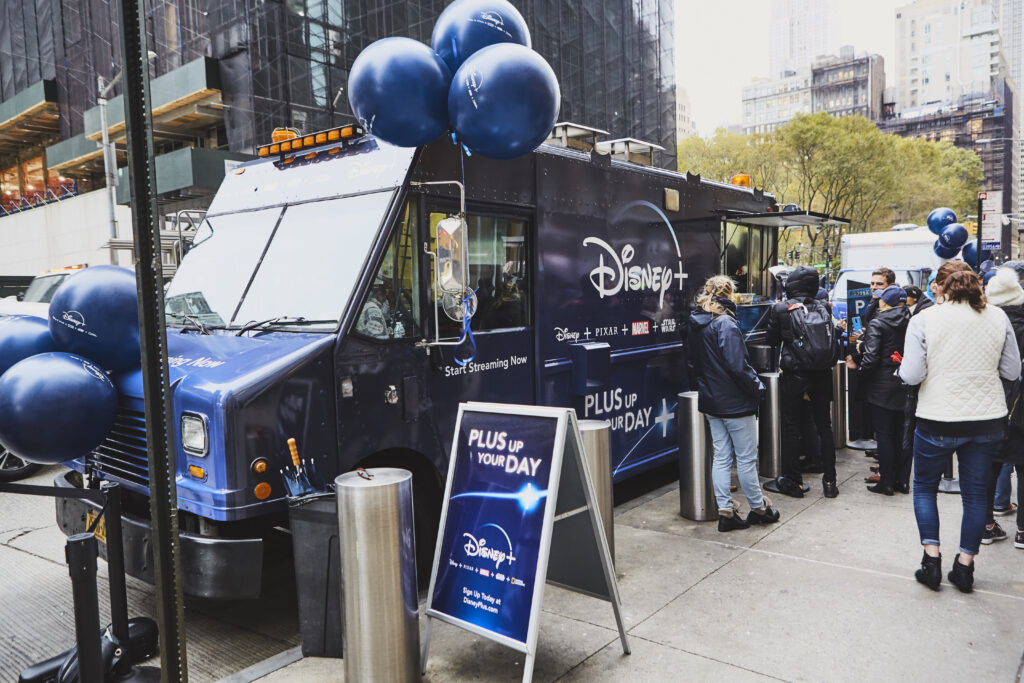
Moving and static trucks delivering repeated exposure along major corridors.
Read More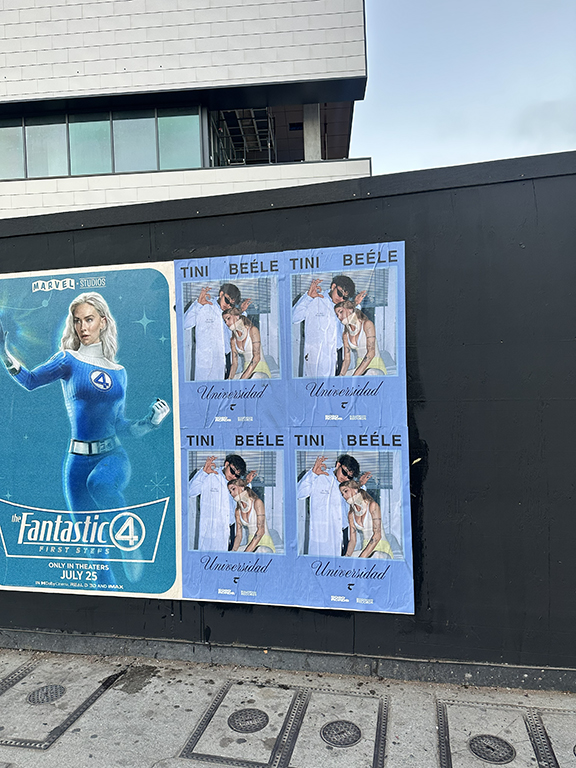
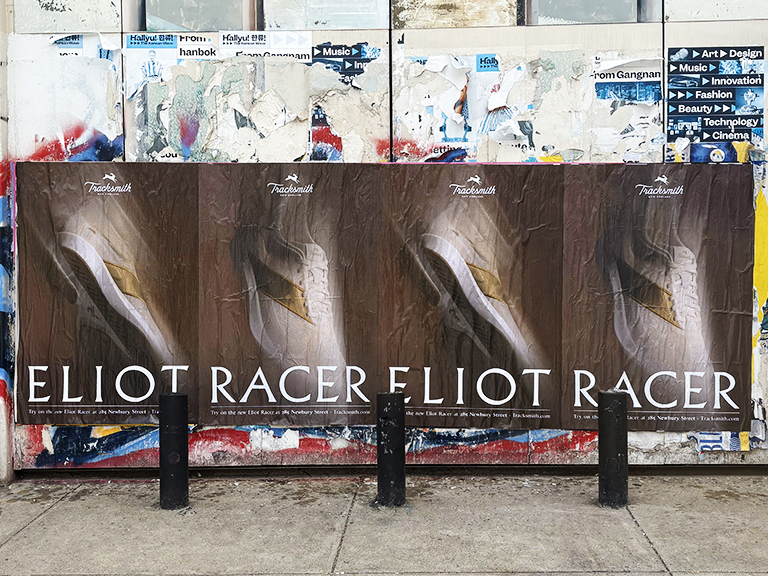
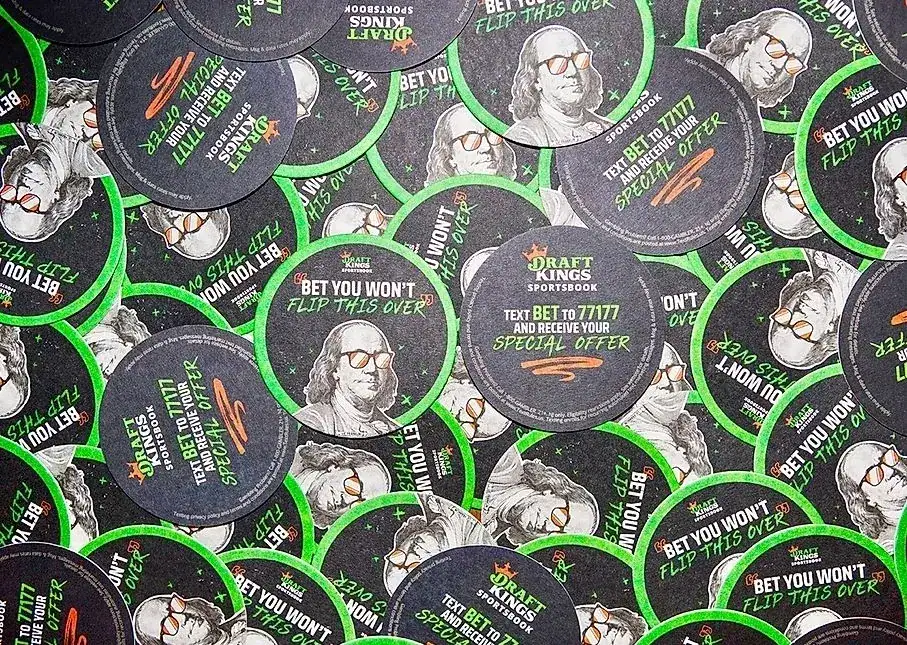
Tactile media inside restaurants and bars where dwell time is high.
Read More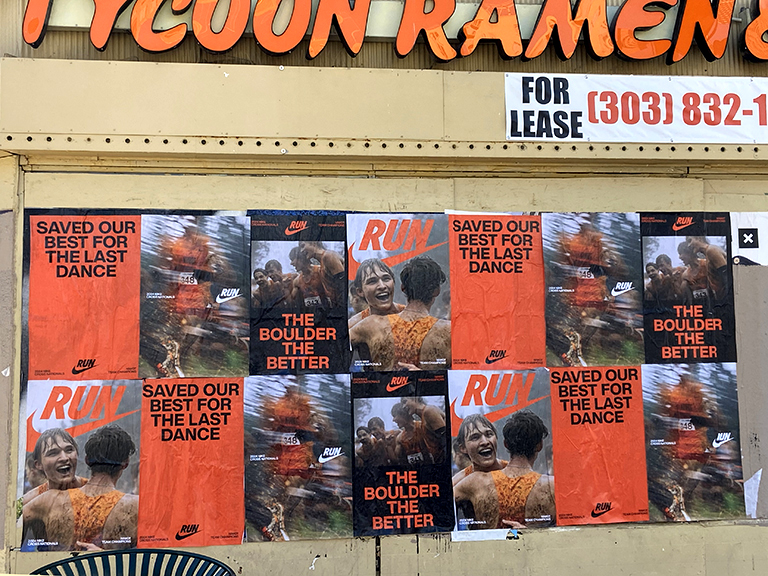
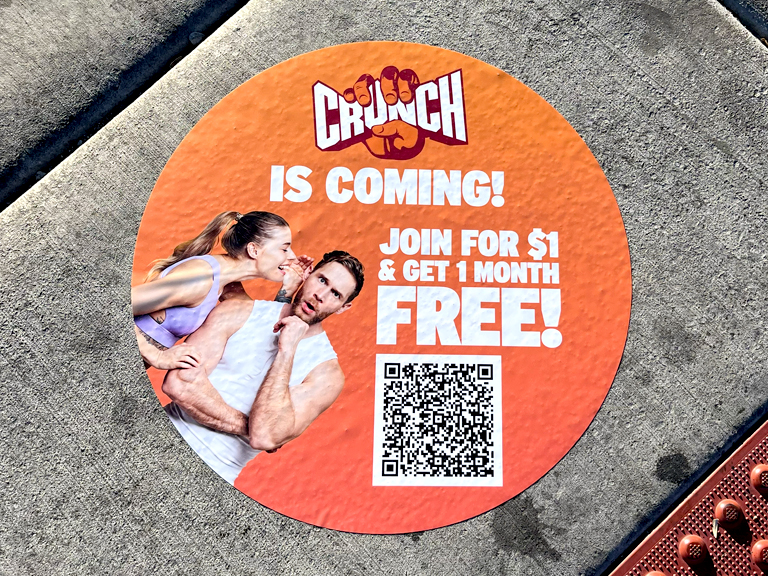
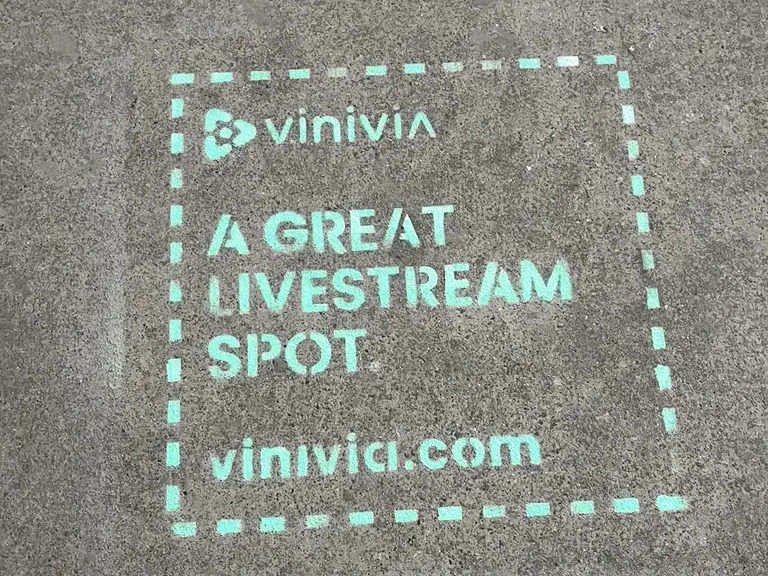
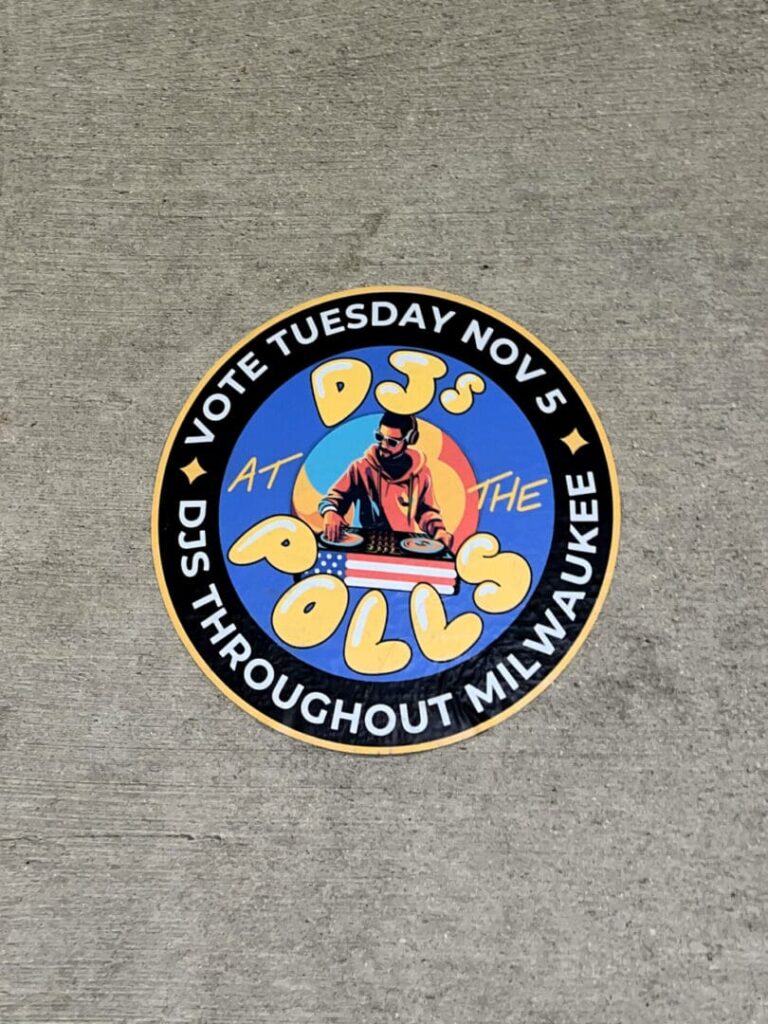
Temporary ground-level messaging near pedestrian slow zones and campus paths.
Read More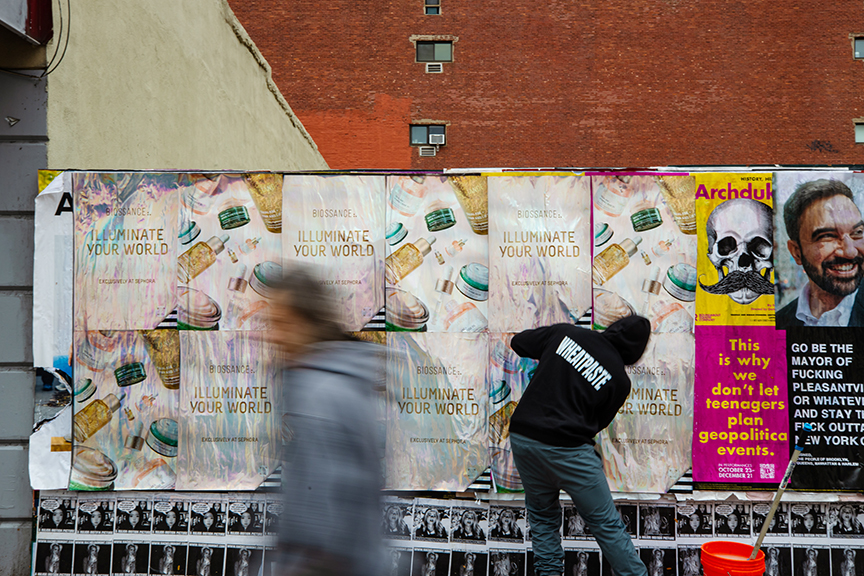
Award0Winning Personalized Service
You will get thoughtful, devoted, and individualized attention from our experienced, qualified, and professional personnel. Being one of the most illustrious agencies in Brooklyn, New York, American Guerilla Marketing has been awarded the Best of Brooklyn title.
Nationwide
Industry City, Brooklyn, New York 11232
American Guerilla Marketing
Hours
Mon - Fri: 9 AM - 5 PM
Sat & Sun: Closed
Guerrilla marketing performance in Newark is measured at the neighborhood level using observed pedestrian behavior, commuter volume, employment density, and standard out-of-home impression modeling. Because Newark experiences heavy daily circulation, performance is evaluated based on frequency and repeat exposure rather than one-time reach.
We analyze how often people pass the same locations over one-week, two-week, and four-week periods. In Newark, transit hubs, campus districts, healthcare corridors, and dense commercial zones consistently outperform quieter residential areas because people return to these locations multiple times per day.
| Neighborhood | Population | Impressions (1 Week) | Impressions (2 Weeks) | Impressions (4 Weeks) | Estimated Engagements | Engagement Rate |
| Downtown Newark | 18,000 | 260,000 | 520,000 | 1,040,000 | 364,000 | 35% |
| Transit Hubs (Penn & Broad) | 12,000 | 300,000 | 600,000 | 1,200,000 | 360,000 | 30% |
| University Heights | 20,000 | 240,000 | 480,000 | 960,000 | 336,000 | 35% |
| Ironbound / Ferry Street | 22,000 | 220,000 | 440,000 | 880,000 | 308,000 | 35% |
| Healthcare Corridors | 10,000 | 170,000 | 340,000 | 680,000 | 204,000 | 30% |
| Residential Newark | 45,000 | 180,000 | 360,000 | 720,000 | 180,000 | 25% |
Impressions represent estimated visual exposures based on placement density, transit use, and repeat circulation. Engagements reflect real-world responses such as QR scans, survey participation, flyer acceptance, sampling interaction, or recall-driven action.
All impression and engagement figures are estimates provided for planning purposes only. Actual results vary based on creative quality, placement density, timing, weather, local events, and execution. No performance outcomes are guaranteed.
Downtown Newark combines offices, retail, entertainment venues, and transportation access. Foot traffic remains steady throughout the day and peaks during events and commuting hours.
Street teams and brand ambassadors perform well here, particularly near Broad Street, Mulberry Street, and areas surrounding Prudential Center. Man-on-the-street surveys convert effectively during lunch hours and pre-event windows when foot traffic slows but remains dense.
Posters and wheatpasting work best on brick and concrete service walls just off primary corridors, where they benefit from repeated exposure without competing directly with storefront signage.
Newark Penn Station and Broad Street Station generate some of the highest pedestrian volumes in the region.
Posters, snipes, and flyer distribution perform exceptionally well near station entrances, platforms, and transfer paths. Mobile billboard trucks looping station-adjacent streets reinforce visibility among both drivers and pedestrians.
University Heights is anchored by NJIT, Rutgers–Newark, and Essex County College, creating consistent weekday movement tied to class schedules and campus life.
Student brand ambassadors, surveys, flyers, sidewalk stencils, and posters perform well here due to repetition as students traverse the same routes multiple times per day. Posters work best on campus-adjacent retaining walls and utility surfaces.
The Ironbound is a vibrant, walkable neighborhood with strong local identity, dense dining, and residential life.
Street teams, posters, coasters, bathroom advertising, and surveys perform well here. Campaigns benefit from the area’s repeat local traffic and extended dwell time in restaurants and bars.
Healthcare districts support continuous movement from staff, patients, and visitors.
Flyer distribution, surveys, and subtle poster placements work best here. Messaging should remain clear, respectful, and informational. Mobile billboards can reinforce visibility during shift changes.
Residential neighborhoods function primarily as reinforcement zones.
Door hangers, wrapped vehicles, and targeted flyer drops support awareness built in transit-heavy and commercial districts.
Guerrilla marketing works in Newark because the city is built on movement. People walk, commute, and transfer through the same locations multiple times per day.
When executed thoughtfully, guerrilla marketing in Newark becomes part of the daily environment rather than a distraction. Repetition builds familiarity, and familiarity builds action.
Because Newark is dense and transit-oriented. People revisit the same stations, streets, and corridors multiple times per day, allowing messages to build familiarity quickly.
Downtown, transit hubs, University Heights, and the Ironbound consistently perform best due to foot traffic and repeat visitation.
Yes. Posters perform best on secondary surfaces and repeat routes where people pass the same locations daily.
No. While movement is heavy, it is also predictable. That predictability makes Newark ideal for repetition-based campaigns.
Posters, snipes, flyers, and surveys perform well because people wait, queue, and revisit the station daily.
Yes. Mobile billboards looping major corridors reinforce awareness among commuters and drivers.
Absolutely. Local businesses benefit from visibility near where customers already commute and gather.
Very important. Newark rewards dense, repeated placement rather than broad, one-time coverage.
Two to four weeks typically delivers optimal frequency without fatigue.
Performance is verified through GPS pinning, photo documentation, and detailed placement reporting tied to exact street locations and pedestrian hubs.