American Guerrilla Marketing
Nationwide serivce
Media planning, media buying, billboard advertising, & guerrilla marketing
Guerrilla marketing in Elizabeth, New Jersey works because the city is dense, mobile, and driven by constant local movement. Elizabeth sits at the crossroads of residential life, industrial employment, retail gravity, and regional transit. Residents, commuters, port workers, airport travelers, shoppers, students, and service employees move through the same corridors every day. This is a city of repetition, not spectacle. Guerrilla marketing succeeds in Elizabeth when it is placed where people already move, wait, transfer, and return as part of their daily routines.
Elizabeth is not Manhattan and it is not suburban sprawl. It is a working city with real foot traffic, strong neighborhood identity, and nonstop circulation tied to jobs, transit, and shopping. Campaigns here perform best when they are practical, visible, and embedded into everyday movement rather than flashy or abstract.
01

“Justin and the AGM team were fun and efficient to work with. We had a tight timeline, and Justin nailed it. They went above and beyond to meet our needs and offered up so many great ideas. Can’t wait to work with AGM again!”
Jaime Morgans
5-Star Google Review, AGM NYC
02
“The team at AGM was an absolute joy to work with, very responsive, FAST and thoughtful, they came to the table with a ton of ideas we hadn’t realized were available, they worked with our short timeline and got my client eyeballs that they wouldn’t have reached using the usual media companies. I would absolutely recommend them. Thanks so much!”
Heather Cummings
5-Star Google Review, AGM NYC
We execute guerrilla marketing in Elizabeth by understanding how the city actually functions. Major corridors such as Broad Street, Elizabeth Avenue, North Avenue, and areas surrounding Jersey Gardens, the Port of Newark, Newark Liberty International Airport, and NJ Transit hubs create predictable movement loops. People revisit the same sidewalks, bus stops, retail entrances, and transfer points day after day.
Our approach to guerrilla marketing in Elizabeth starts with physical scouting and behavioral observation. We look for pedestrian slow zones, transit dwell areas, retail entrances, employee routes, and secondary streets that receive repeated exposure. From there, we match tactics to context — engagement-driven formats in walkable areas, posters and snipes along repeat routes, mobile and vehicle-based media near industrial and transit corridors, and reinforcement tactics in residential neighborhoods. Planning, production guidance, execution, documentation, and reporting are handled end to end.
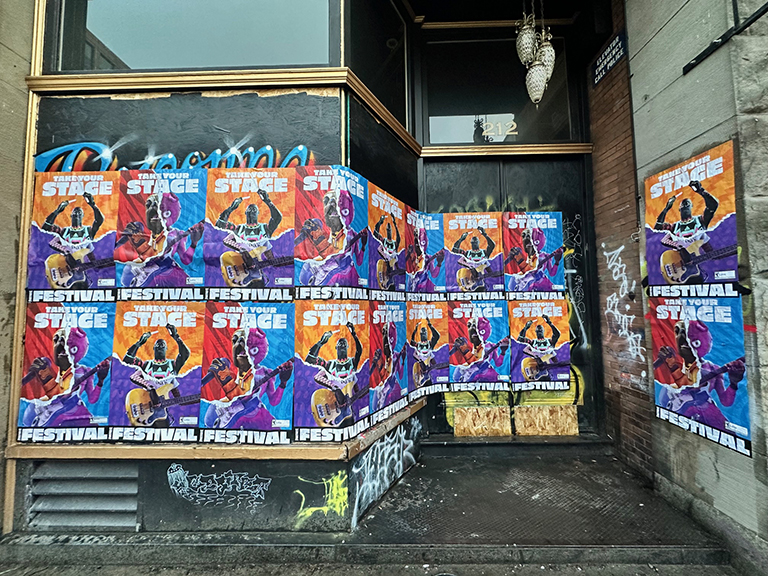
Direct engagement in walkable commercial corridors and transit-adjacent areas.
Read More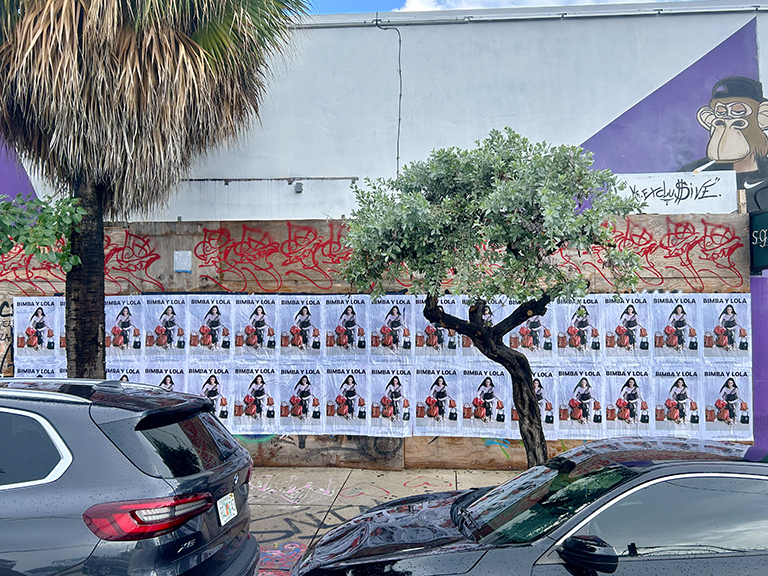
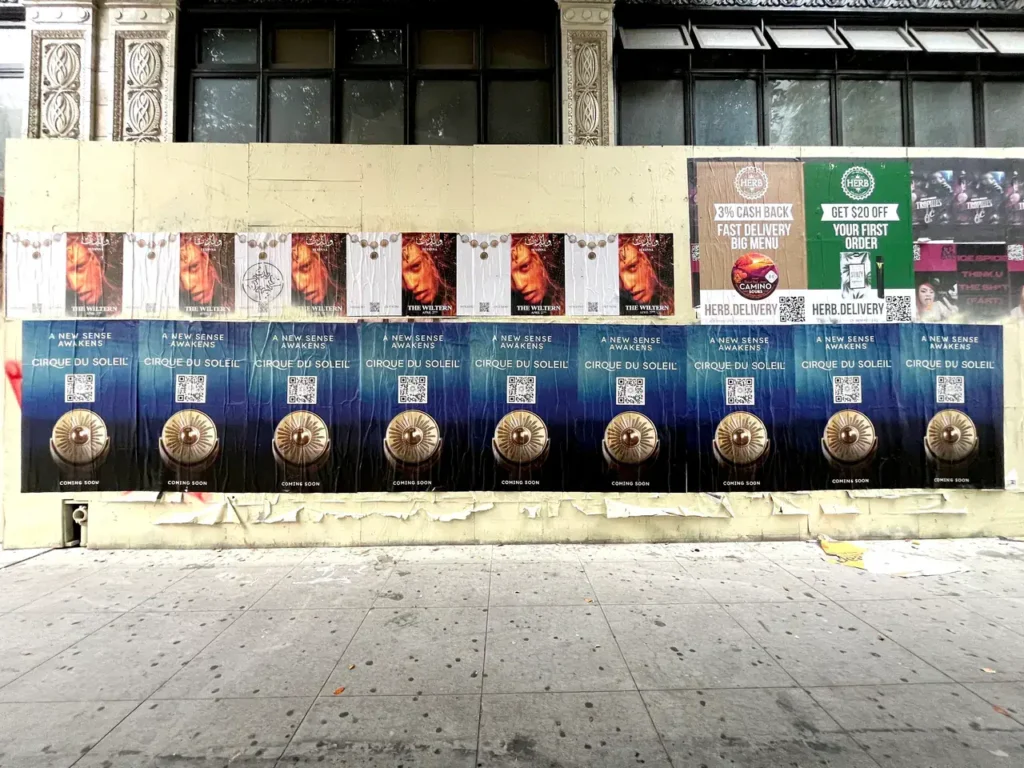
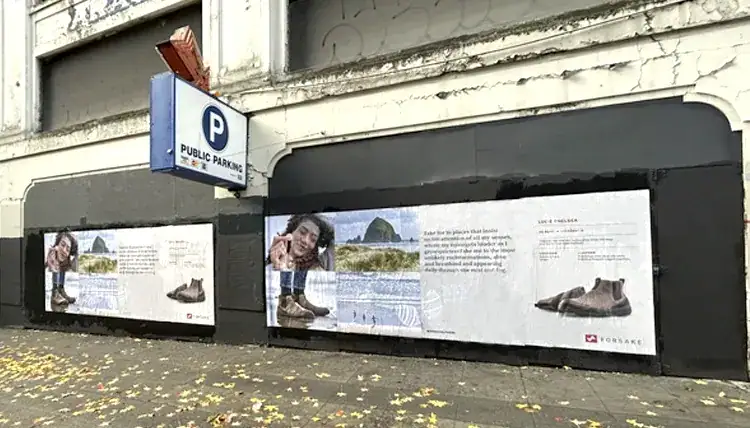
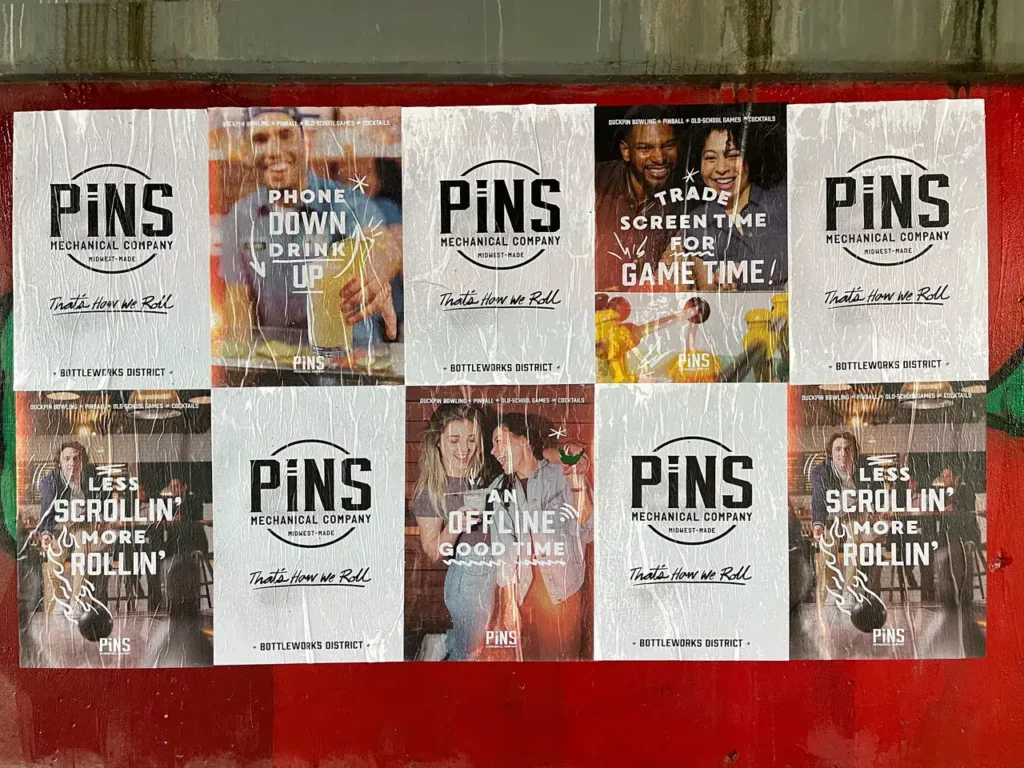
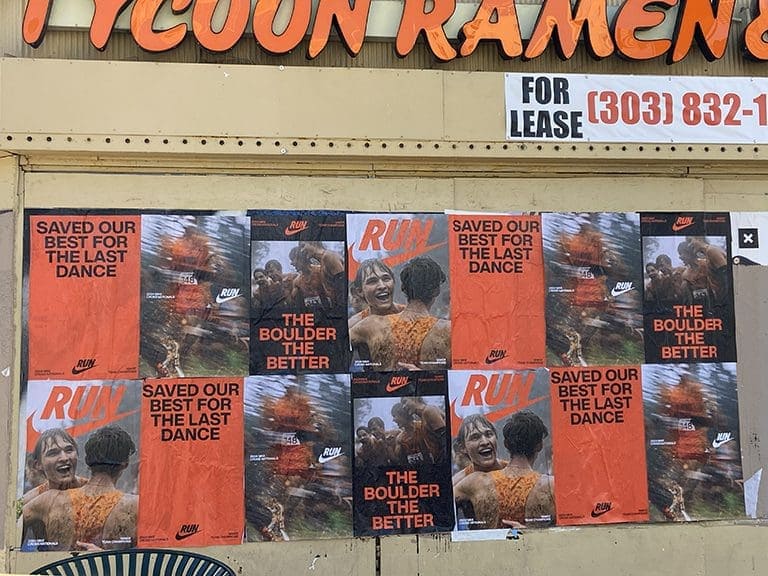
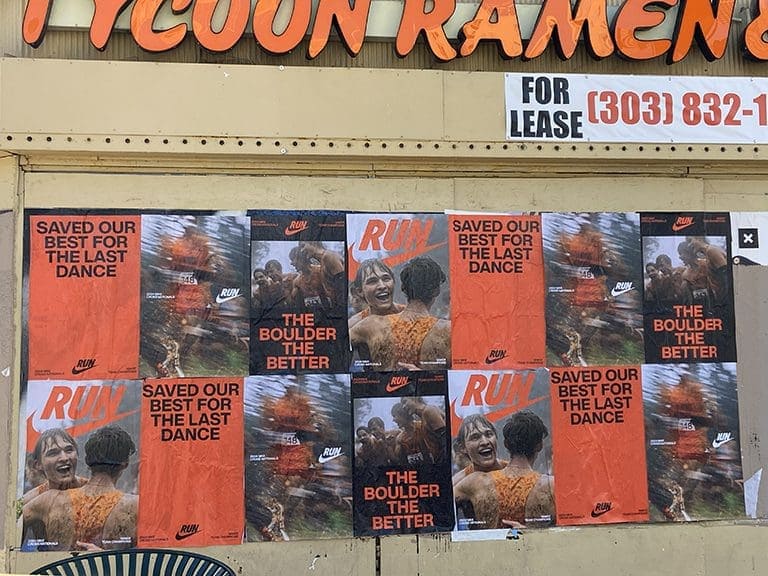
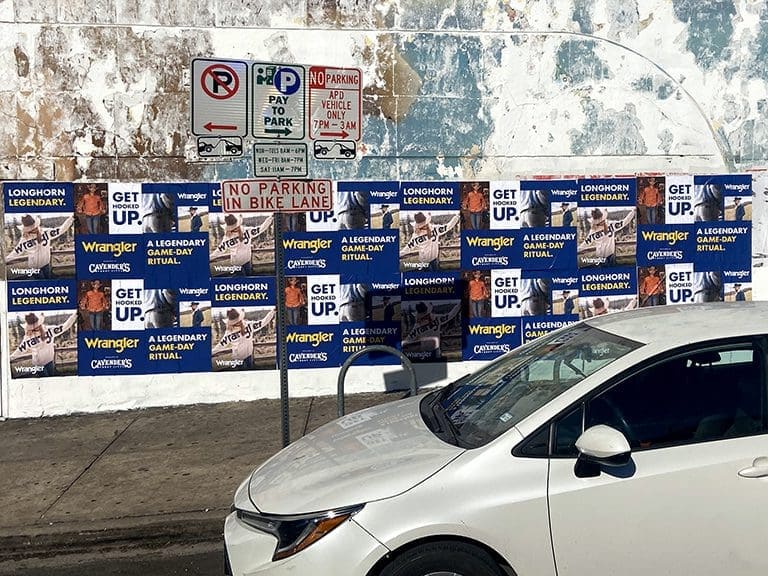
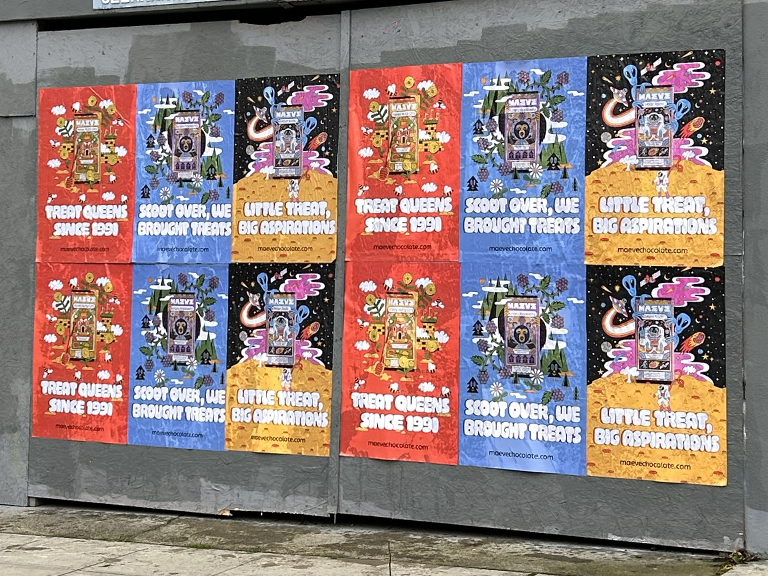
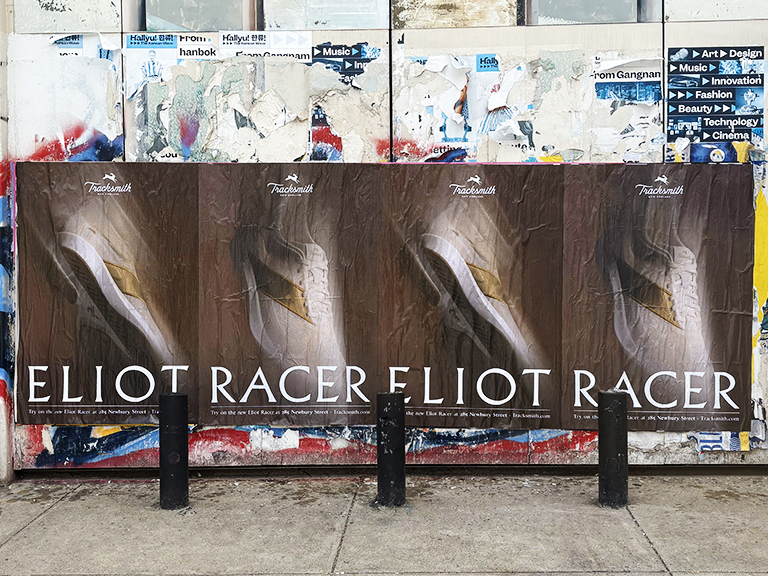
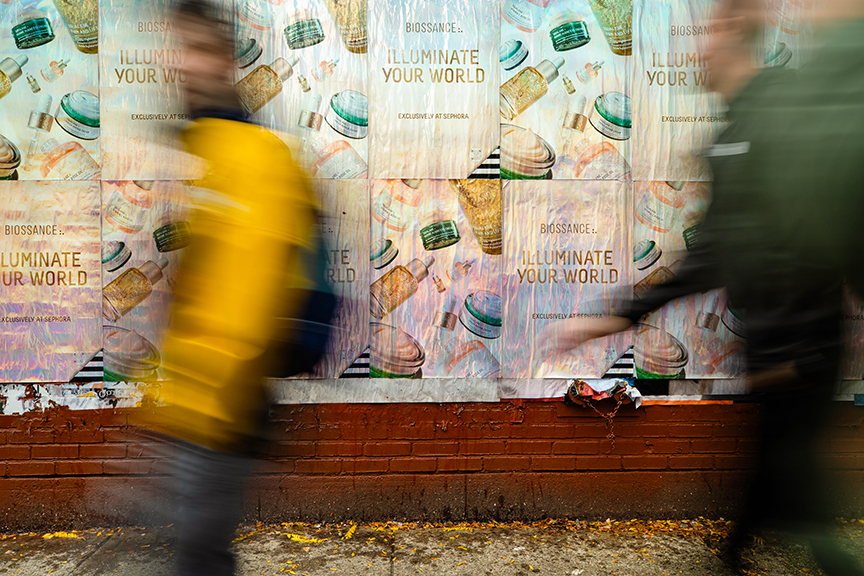
High-density poster placement on appropriate brick and concrete surfaces for repeated visibility.
Read More
Real-world data collection near transit hubs, retail corridors, and employment zones.
Read More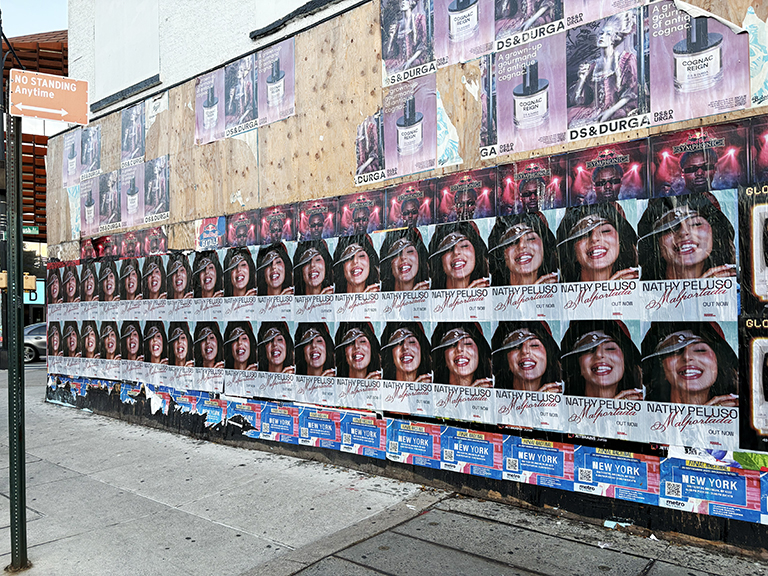
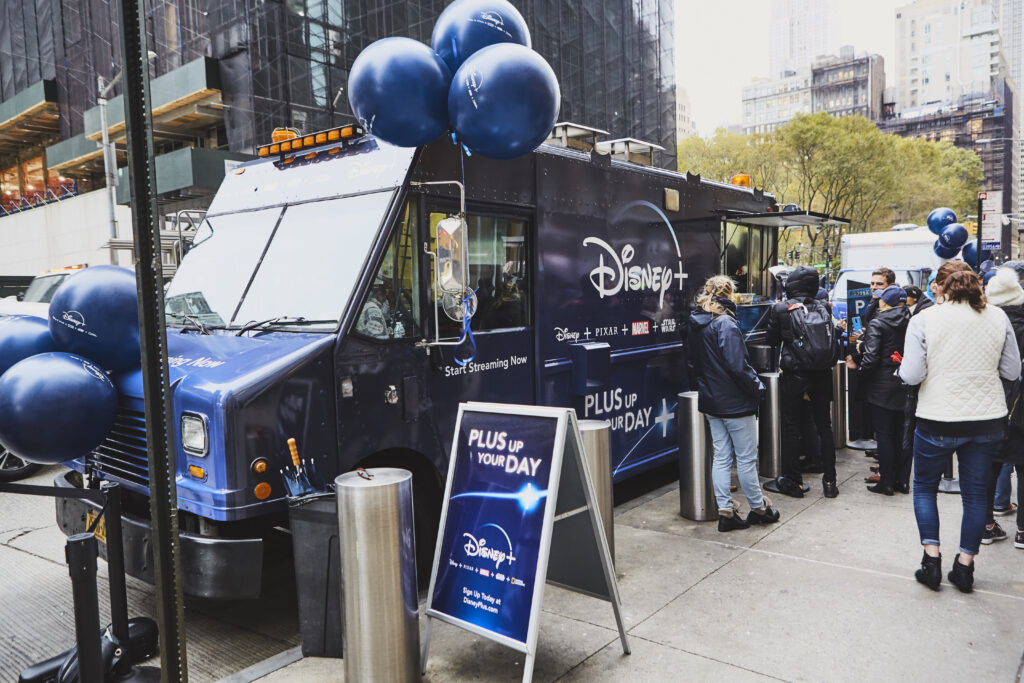
Moving and static trucks delivering repeated exposure along major corridors and routes.
Read More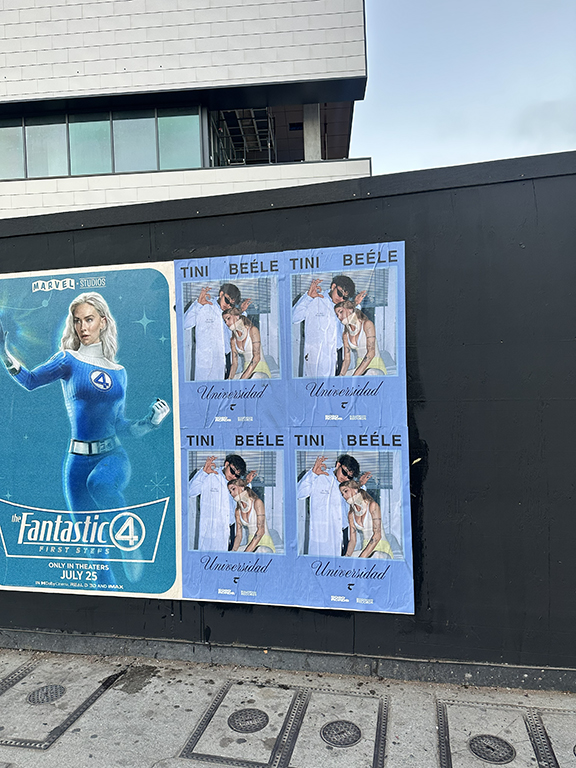
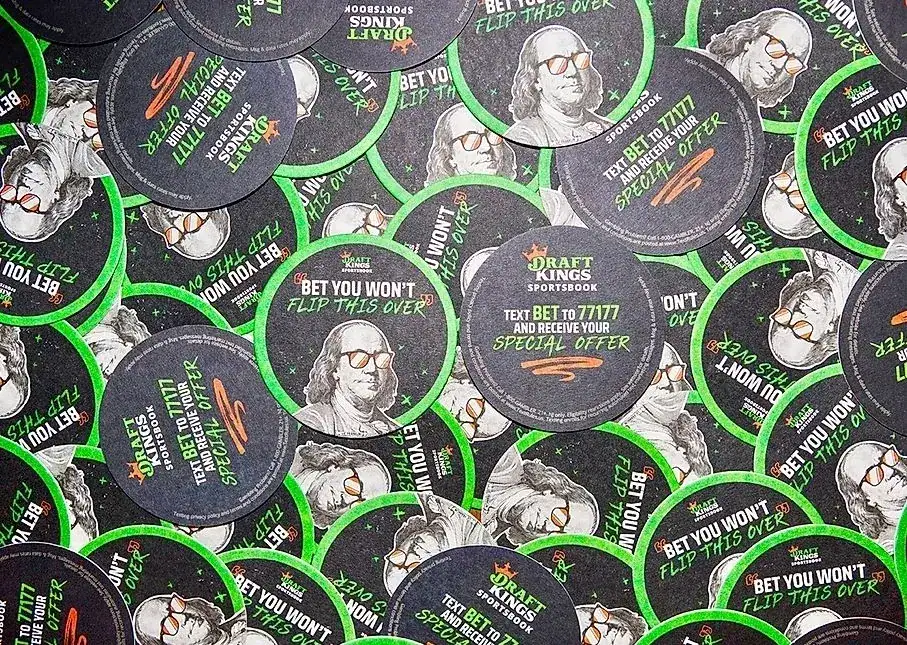
Tactile media inside restaurants and bars where dwell time is high.
Read More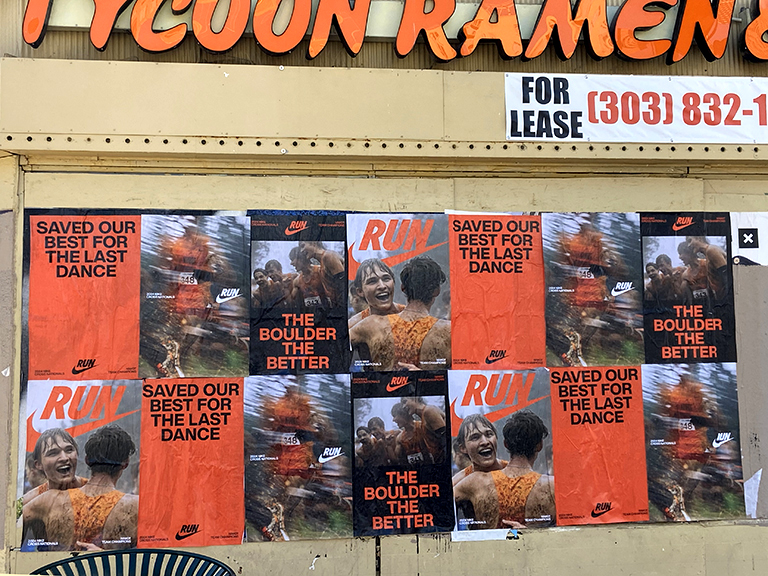
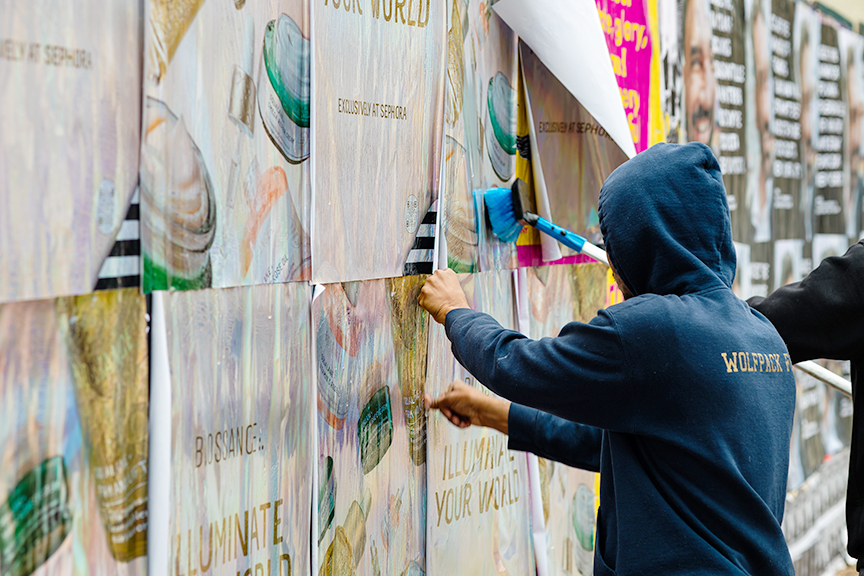
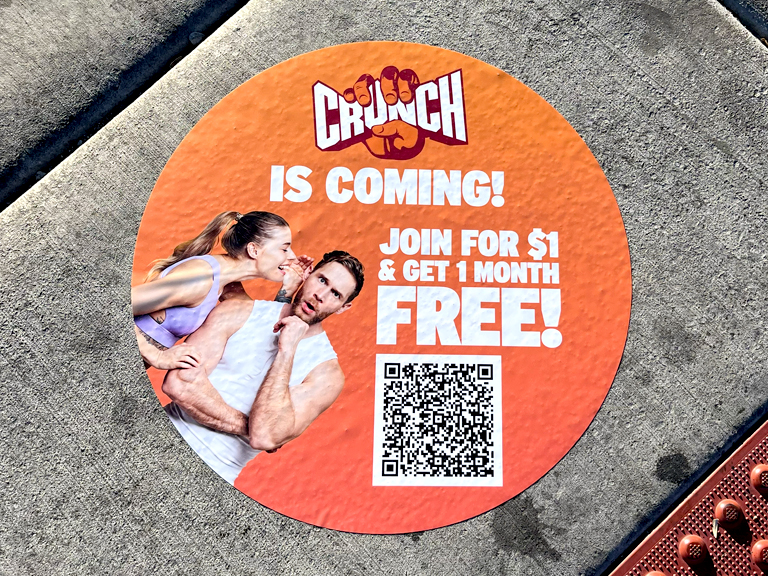
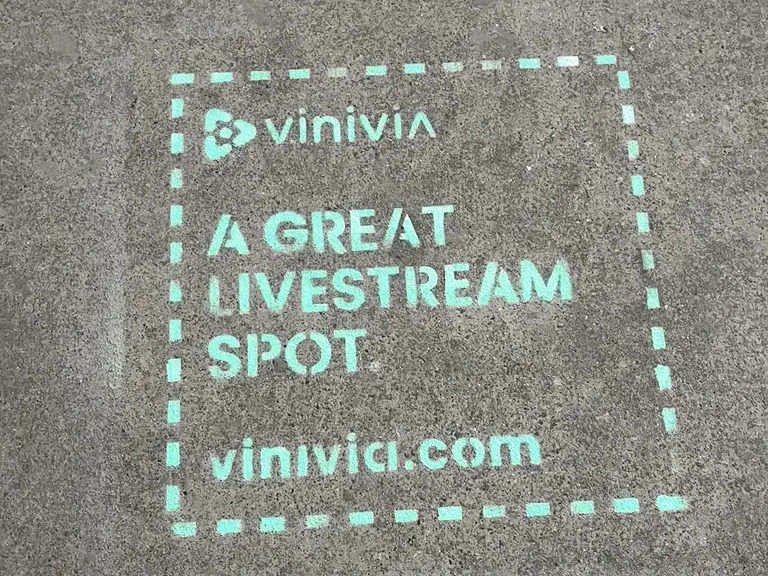
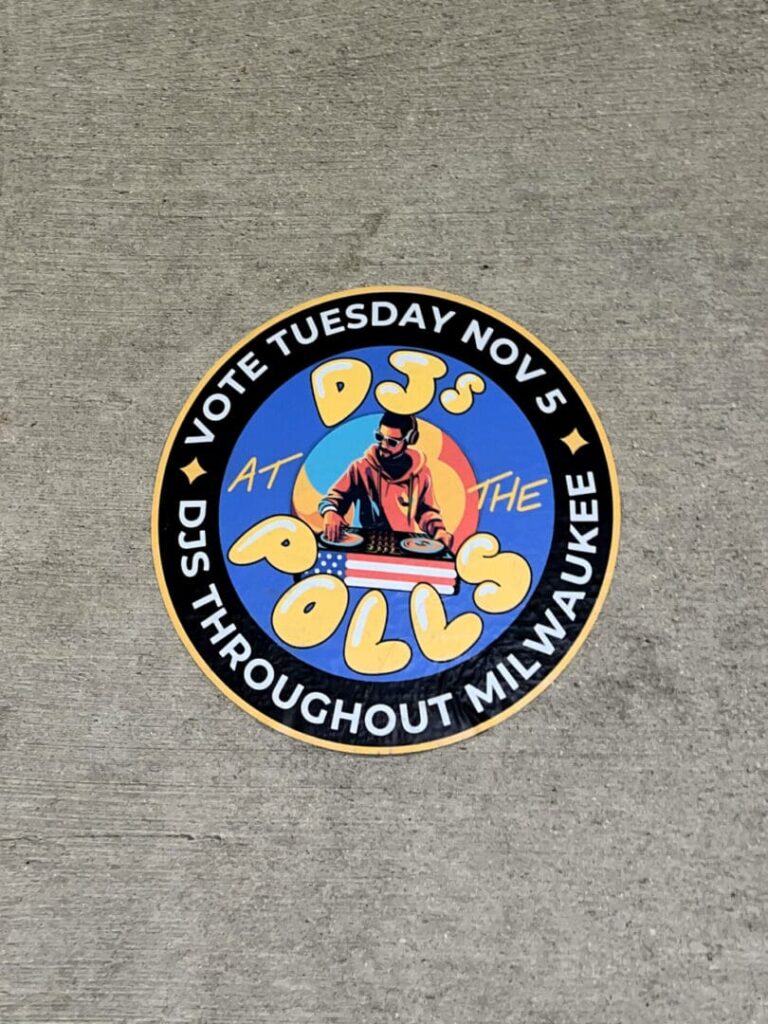
Temporary ground-level messaging near pedestrian slow zones and transfer points.
Read More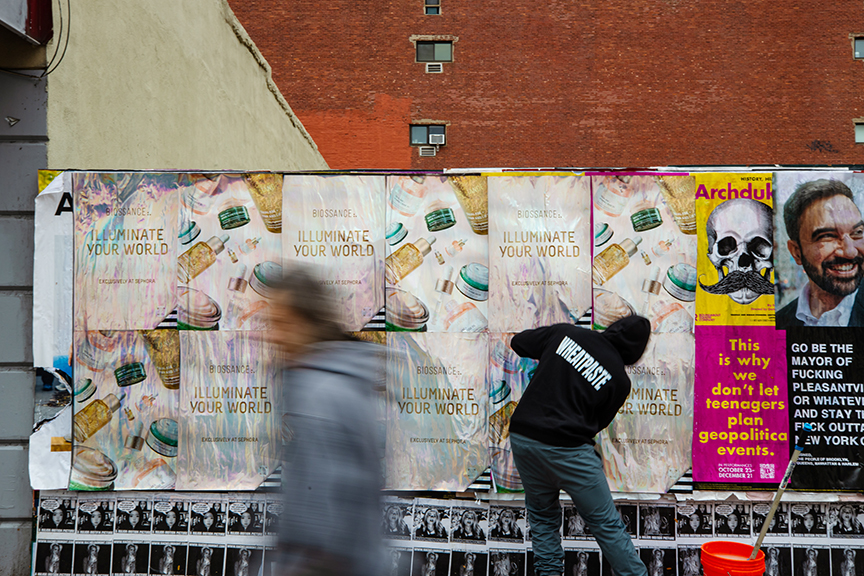
Award0Winning Personalized Service
You will get thoughtful, devoted, and individualized attention from our experienced, qualified, and professional personnel. Being one of the most illustrious agencies in Brooklyn, New York, American Guerilla Marketing has been awarded the Best of Brooklyn title.
Nationwide
Industry City, Brooklyn, New York 11232
American Guerilla Marketing
Hours
Mon - Fri: 9 AM - 5 PM
Sat & Sun: Closed
Guerrilla marketing performance in Elizabeth is measured at the neighborhood level using observed pedestrian behavior, commuter volume, employment density, and standard out-of-home impression modeling. Because Elizabeth experiences heavy daily circulation, measurement focuses on frequency and repeat exposure rather than one-time reach.
We evaluate how often people pass the same locations over one-week, two-week, and four-week periods. In Elizabeth, transit-adjacent zones, retail corridors, and employment routes consistently outperform purely residential areas because people return to these locations multiple times per week.
| Neighborhood | Population | Impressions (1 Week) | Impressions (2 Weeks) | Impressions (4 Weeks) | Estimated Engagements | Engagement Rate |
| Downtown Elizabeth / Broad Street | 14,000 | 190,000 | 380,000 | 760,000 | 266,000 | 35% |
| Elizabeth Avenue Retail Corridor | 18,000 | 210,000 | 420,000 | 840,000 | 252,000 | 30% |
| Jersey Gardens / Retail Hub | 12,000 | 230,000 | 460,000 | 920,000 | 276,000 | 30% |
| Transit & NJT Corridors | 10,000 | 200,000 | 400,000 | 800,000 | 240,000 | 30% |
| Port / Industrial Employment Zones | 9,000 | 160,000 | 320,000 | 640,000 | 192,000 | 30% |
| Residential Elizabeth | 32,000 | 140,000 | 280,000 | 560,000 | 140,000 | 25% |
Impressions represent estimated visual exposures based on placement density, commuter flow, and repeat movement. Engagements reflect real-world responses such as QR scans, survey participation, flyer acceptance, sampling interaction, or recall-driven action.
All impression and engagement figures are estimates provided for planning purposes only. Actual results vary based on creative quality, placement density, timing, weather, local events, and execution. No performance outcomes are guaranteed.
Downtown Elizabeth and Broad Street form the city’s primary walkable commercial spine. Offices, restaurants, retail, civic buildings, and transit stops create steady foot traffic throughout the day.
Street teams and brand ambassadors perform well here, especially near intersections where people transition between buses, trains, and storefronts. Man-on-the-street surveys convert effectively during weekday lunch hours and early evenings when movement is dense but unhurried.
Posters and wheatpasting work best on brick and concrete service walls just off Broad Street, particularly along side streets and alleys that receive repeated exposure from workers and residents.
Elizabeth Avenue is one of the city’s busiest retail corridors, drawing consistent local traffic tied to shopping, dining, and services.
Posters, snipes, and street teams perform exceptionally well here due to high foot traffic and repeat visits. Messaging benefits from density and repetition rather than novelty.
The Jersey Gardens area attracts both local residents and regional shoppers.
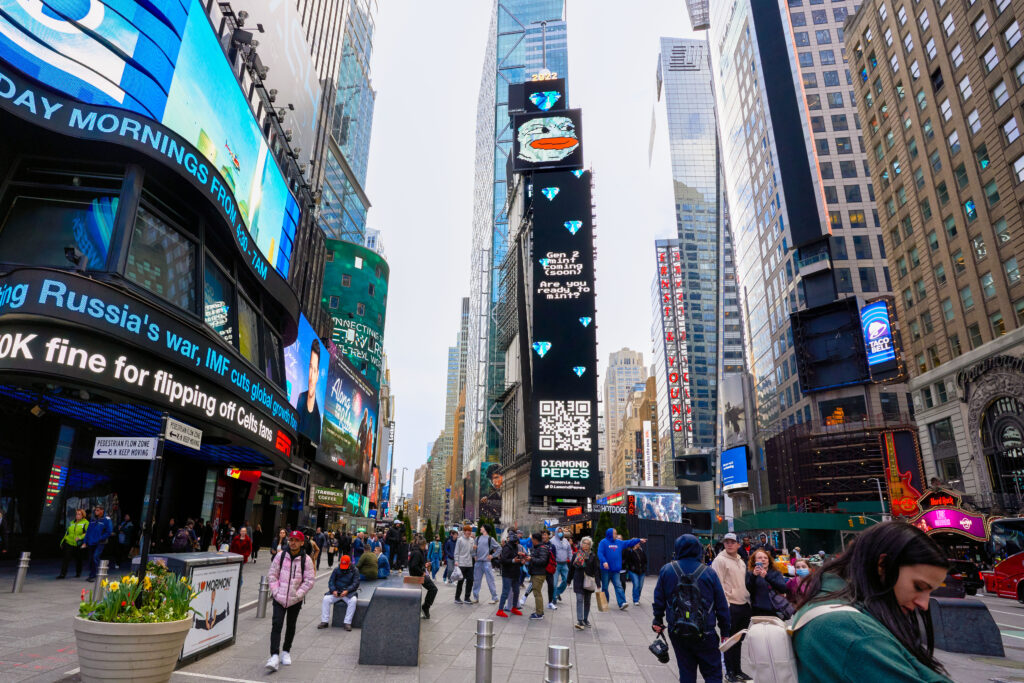
Mobile billboard trucks, wrapped vehicles, and experiential street teams perform best here. In-venue media such as coasters and bathroom placements reinforce messaging during longer shopping visits.
Elizabeth’s transit infrastructure generates constant pedestrian movement tied to buses, trains, and airport access.
Posters, snipes, and flyer distribution perform well near transit entrances, platforms, and transfer points. Mobile billboards looping transit routes reinforce visibility among commuters.
Industrial and port-adjacent areas support large daytime worker populations with predictable shift patterns.
Vehicle wraps, mobile billboards, surveys, and flyer distribution perform best here, reaching workers during arrival, breaks, and departures.
Residential neighborhoods function primarily as reinforcement zones.
Door hangers, wrapped vehicles, and targeted flyer drops support awareness built in downtown, retail, and transit-heavy districts.
Guerrilla marketing works in Elizabeth because the city runs on daily repetition. People move through the same corridors for work, transit, shopping, and home life.
When executed thoughtfully, guerrilla marketing in Elizabeth feels practical and familiar rather than disruptive. It becomes part of the city’s daily rhythm, reinforcing awareness through consistent presence.
Because Elizabeth is built on repetition. People return to the same routes, stores, and transit points daily, allowing messages to build familiarity over time.
Downtown Broad Street, Elizabeth Avenue, transit corridors, and Jersey Gardens consistently perform well due to foot traffic and repeat visitation.
Yes. Posters perform best on secondary surfaces and repeat routes where people pass the same locations multiple times per week.
No. Industrial zones provide predictable worker traffic, which is ideal for repeated exposure.
Posters, snipes, flyers, and surveys perform well because people slow down, wait, and revisit these locations daily.
Yes. Mobile billboards are effective along commuter and industrial routes where repeated loops reinforce awareness.
Absolutely. Local businesses benefit from visibility near where customers already shop and travel.
Very important. Elizabeth rewards dense, repeat placement over broad distribution.
Two to four weeks typically delivers optimal frequency without fatigue.
Performance is verified through GPS pinning, photo documentation, and detailed placement reporting tied to exact street locations and pedestrian hubs.