American Guerrilla Marketing
Nationwide serivce
Media planning, media buying, billboard advertising, & guerrilla marketing
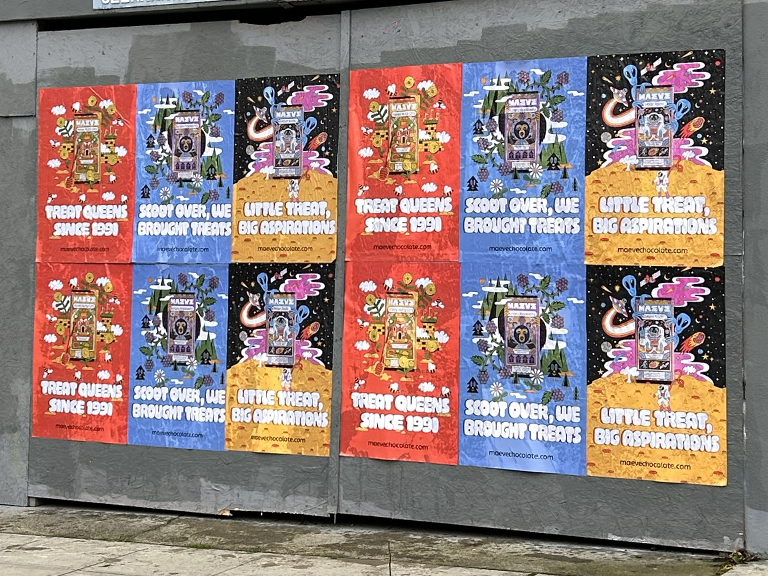
Guerrilla marketing in Atlanta, Georgia works because the city runs on routine commuter flow, dense nightlife corridors, campus and medical movement, transit hubs, and repeat neighborhood circulation across high-energy districts. Office workers, students, healthcare staff, creatives, and event crowds move through the same sidewalks, MARTA stations, entertainment strips, and retail nodes every day. Atlanta isn’t one uniform grid—it’s a collection of walkable, high-traffic nodes where the same walls, alleys, patios, and intersections are encountered again and again. The advantage here is disciplined placement and frequency.
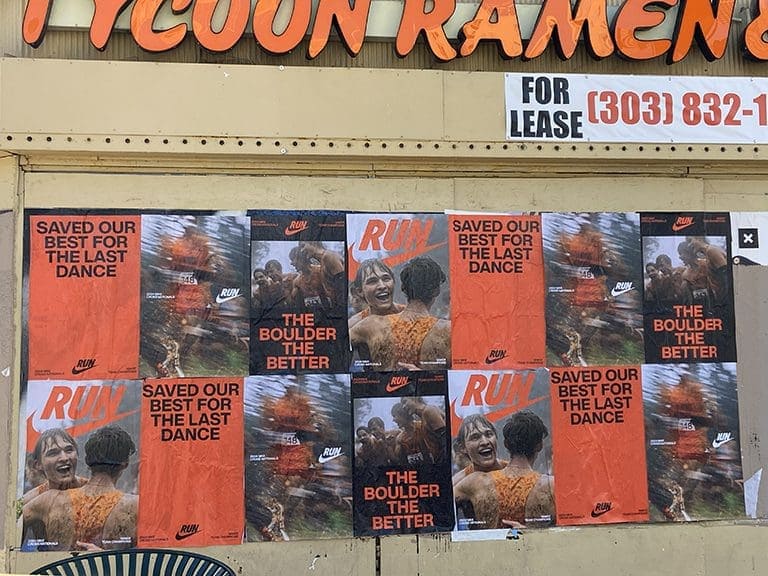
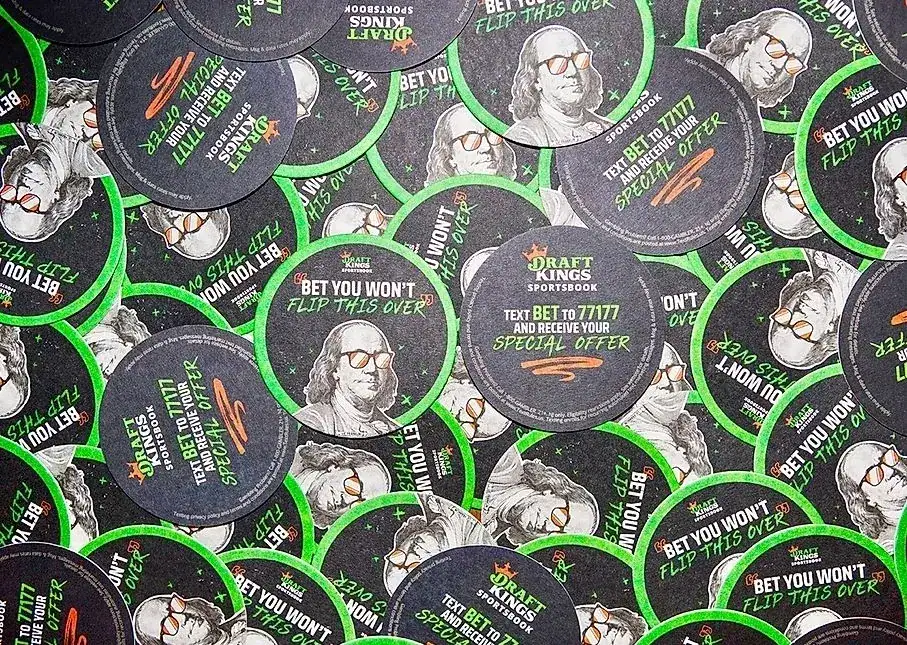
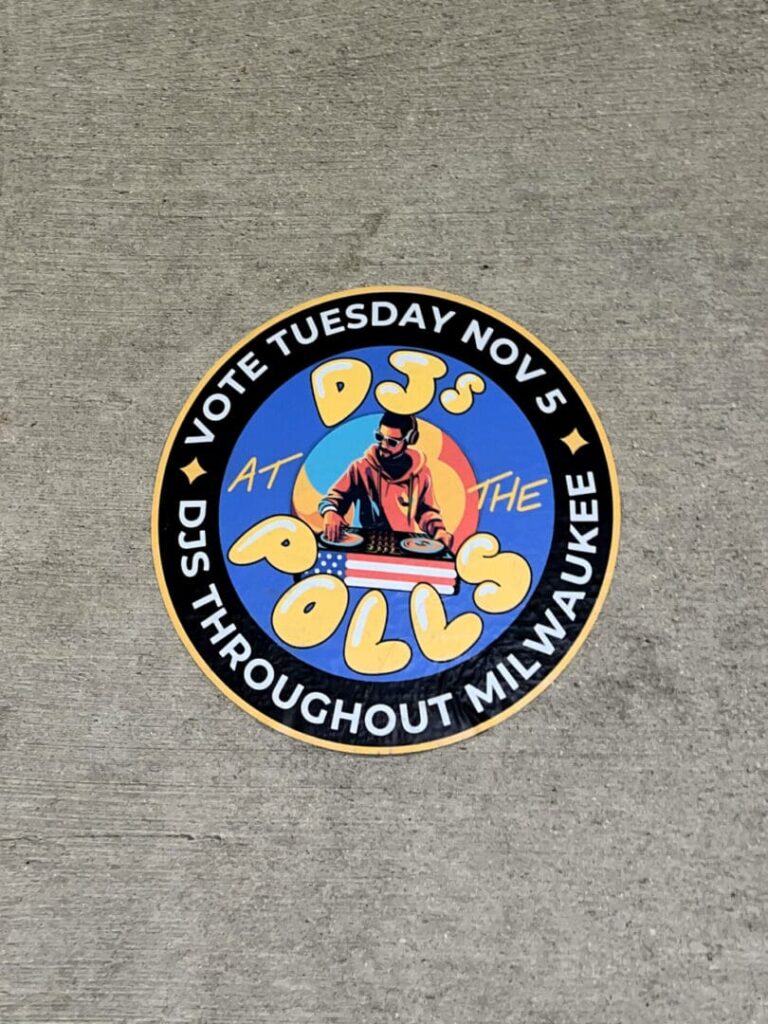
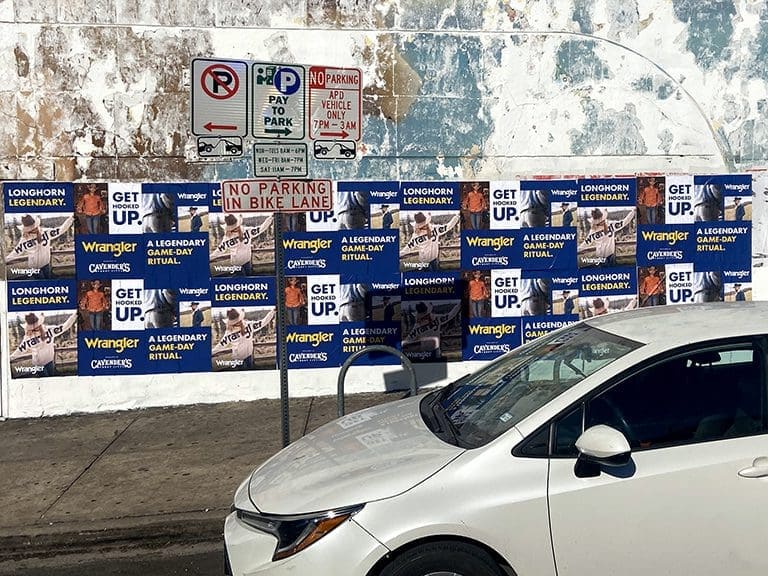
Our guerrilla marketing campaigns in Atlanta are built from the street up. From wild wheatpasting and posters to street teams, product demonstrations, beer coasters, survey crews, snipe advertising, transit-adjacent placements, projections, and mobile media, every execution is selected based on real pedestrian behavior and repeat exposure—not generic media theory.
01

“Justin and the AGM team were fun and efficient to work with. We had a tight timeline, and Justin nailed it. They went above and beyond to meet our needs and offered up so many great ideas. Can’t wait to work with AGM again!”
Jaime Morgans
5-Star Google Review, AGM NYC
02
“The team at AGM was an absolute joy to work with, very responsive, FAST and thoughtful, they came to the table with a ton of ideas we hadn’t realized were available, they worked with our short timeline and got my client eyeballs that they wouldn’t have reached using the usual media companies. I would absolutely recommend them. Thanks so much!”
Heather Cummings
5-Star Google Review, AGM NYC
We execute guerrilla marketing in Atlanta block by block, mapping how downtown employees, nightlife crowds, students, healthcare workers, and event audiences circulate through the city. Atlanta’s Downtown and Midtown cores, Buckhead nightlife strip, BeltLine corridors, university routes, and mixed-use neighborhoods create predictable movement loops that reward disciplined physical placement.
Our process includes location scouting, surface evaluation, placement strategy, production guidance, execution, and reporting. Guerrilla marketing in Atlanta works best when campaigns integrate into daily routines like work commutes, nightlife peaks, campus schedules, and festival calendars rather than interrupting them.
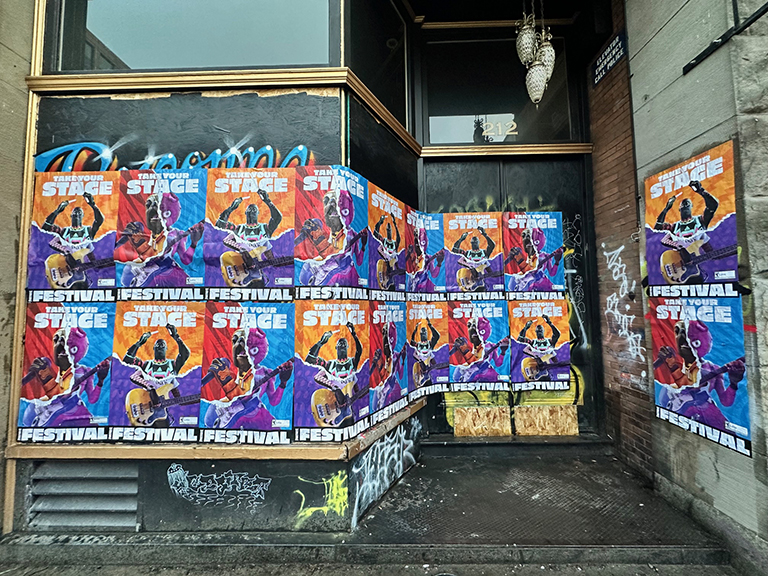
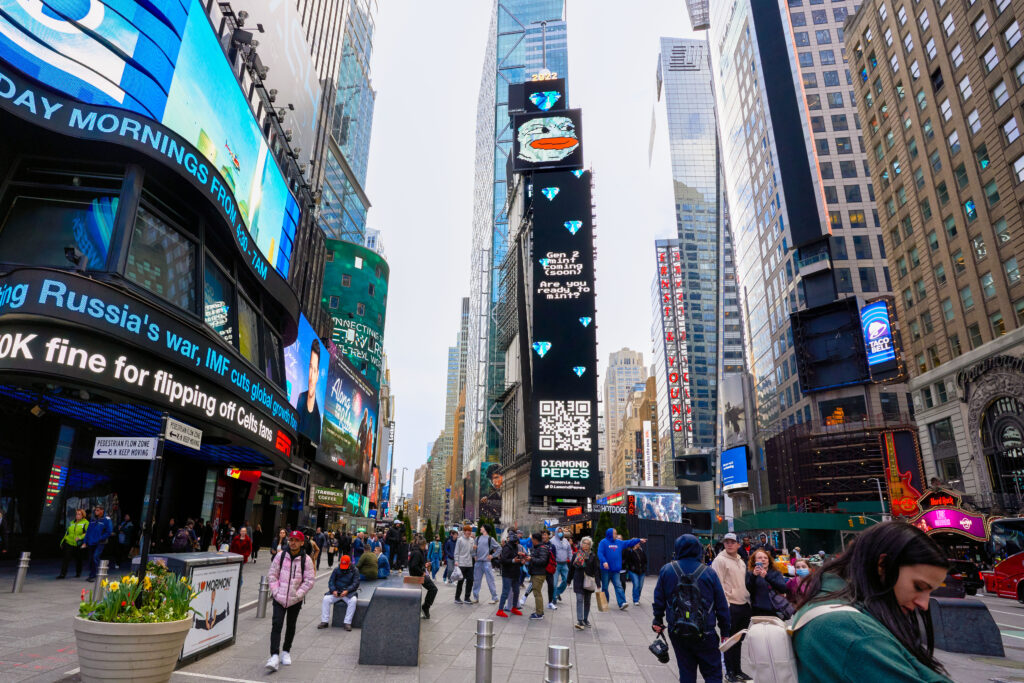
Mobile LED billboard trucks move messaging through downtown corridors, waterfront routes, and event zones so campaigns travel with crowds.
Read More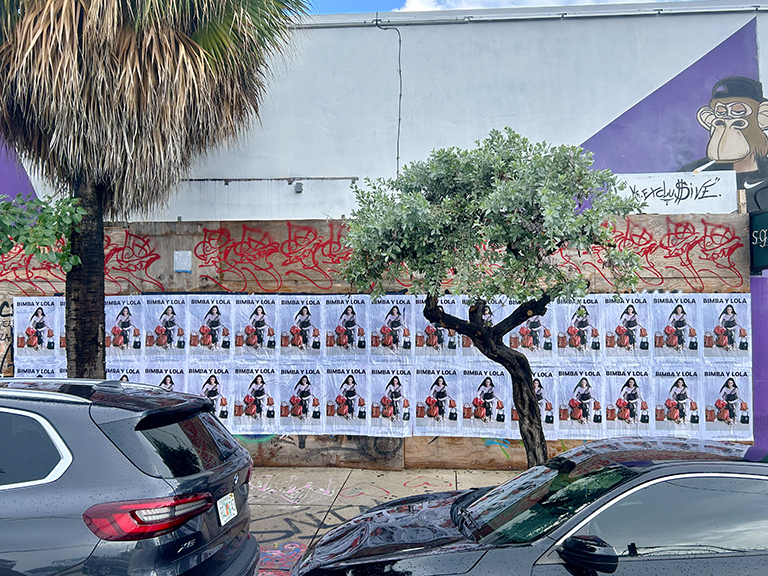
Static mobile billboard trucks provide sustained visibility along major corridors during multi-day promotions.
Read More
Brand ambassadors deliver face-to-face engagement in high-density pedestrian environments such as downtown and campus zones.
Read More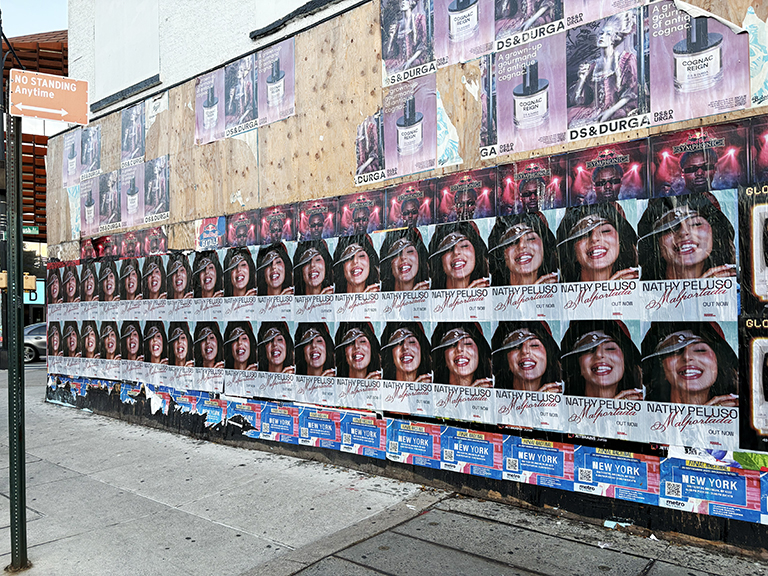
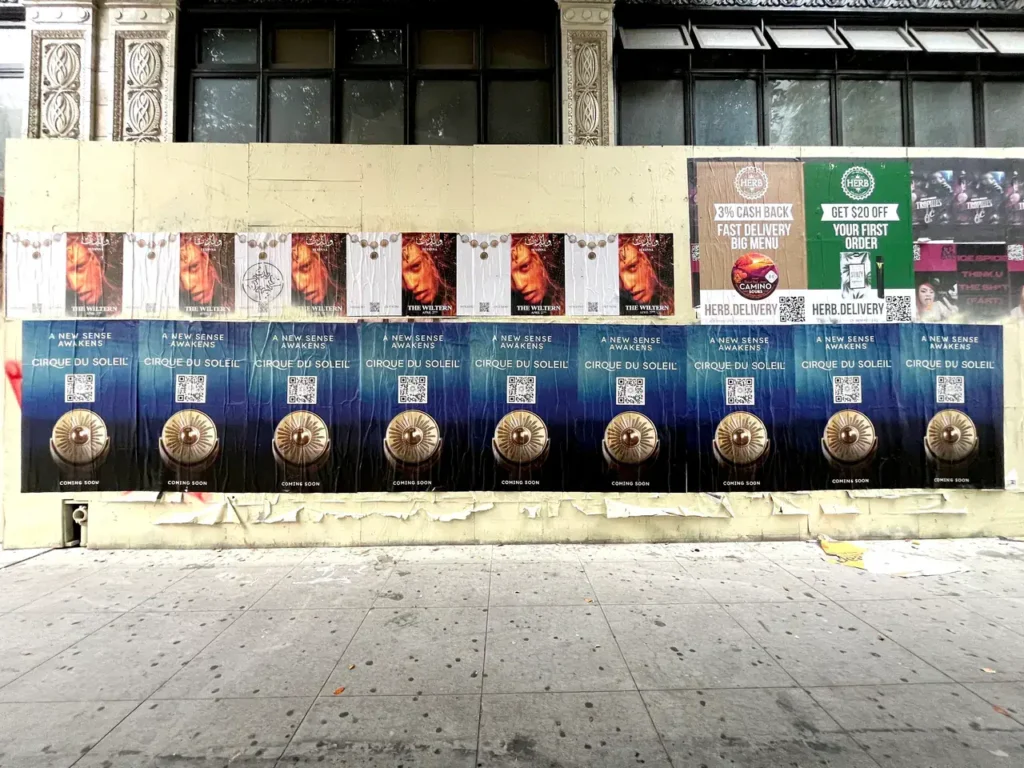
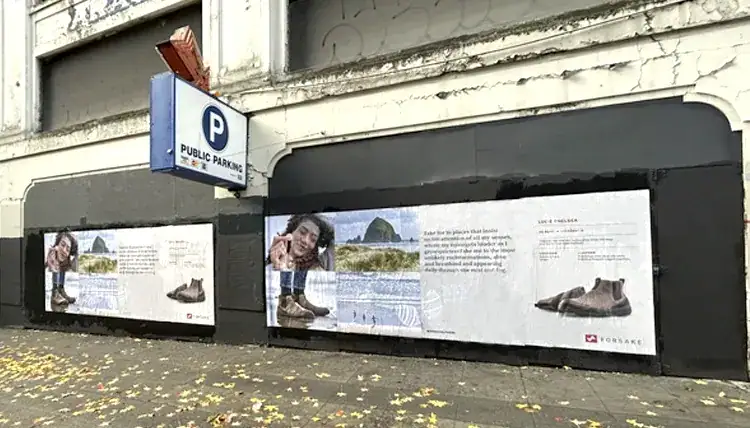
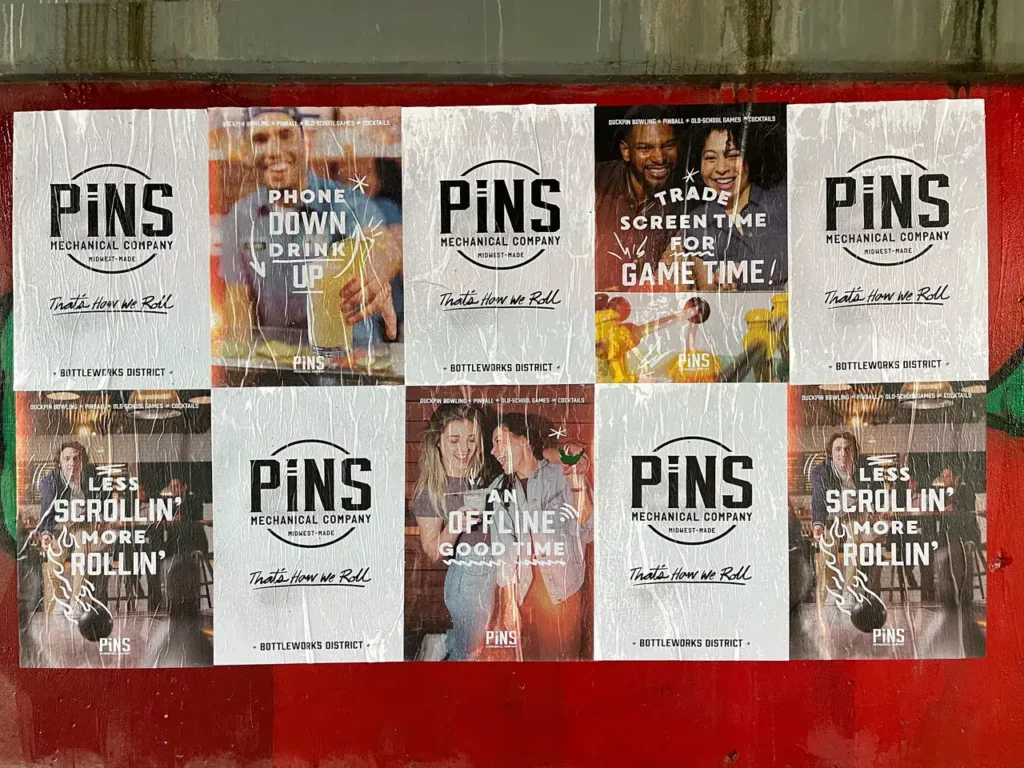
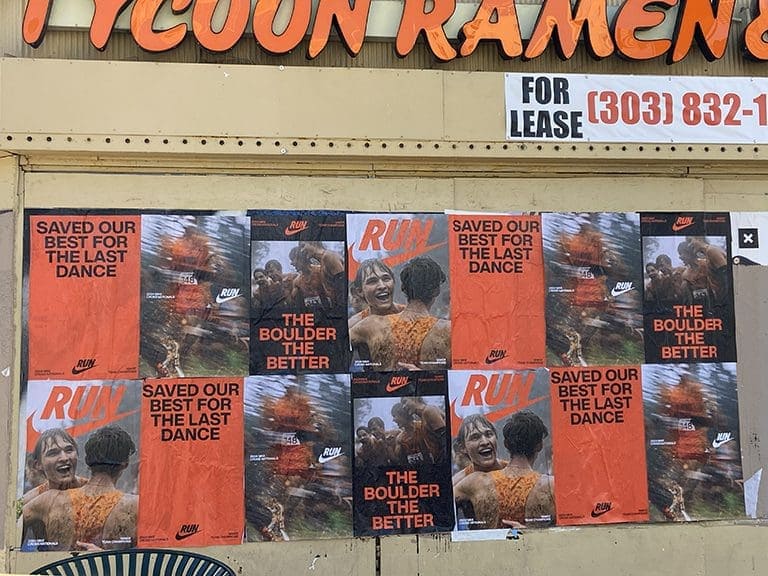
Wild wheatpasting and posting installs posters on brick and concrete surfaces along side streets, campus connectors, nightlife corridors, and event routes for repeat exposure.
Read More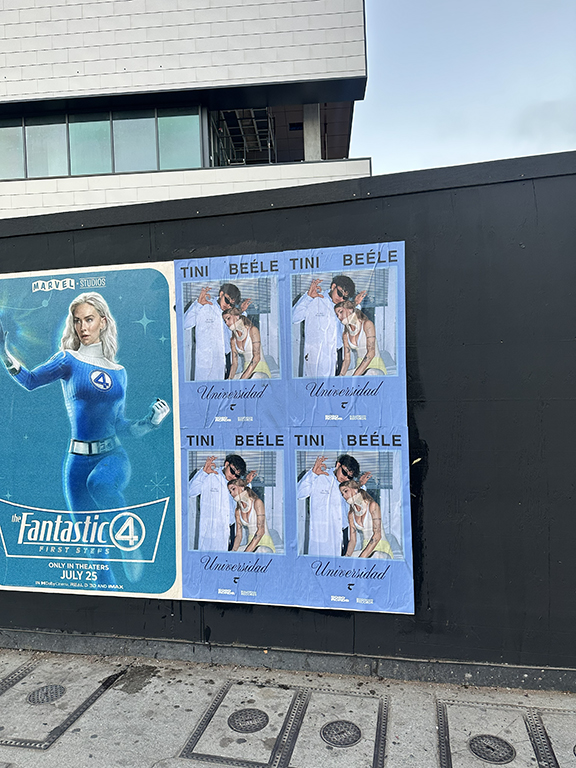
Transit-adjacent placements reach commuters, students, and service workers along habitual daily routes.
Read More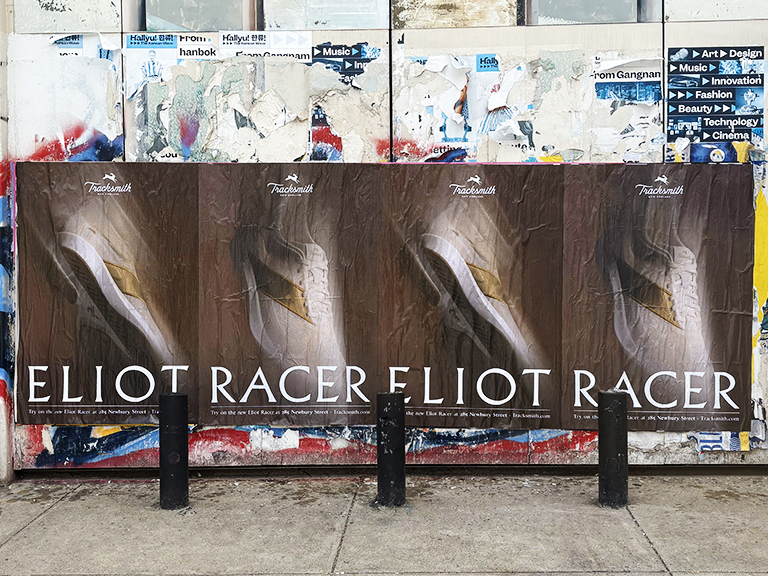
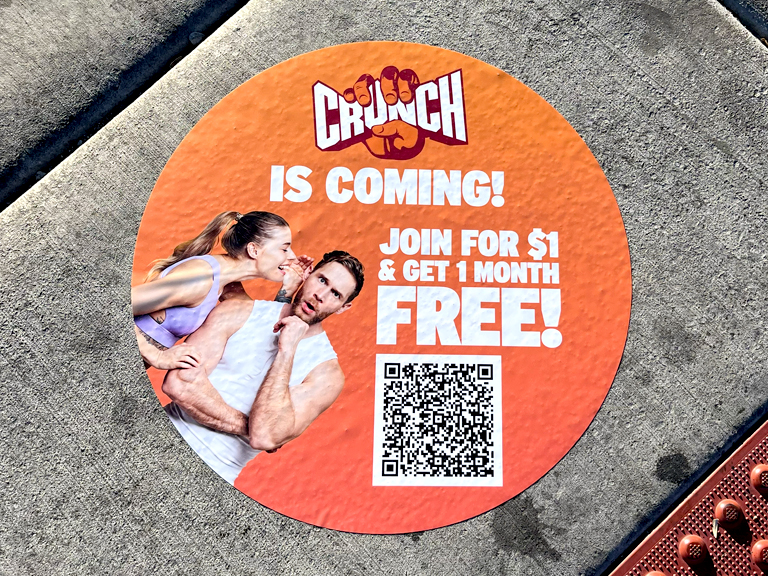
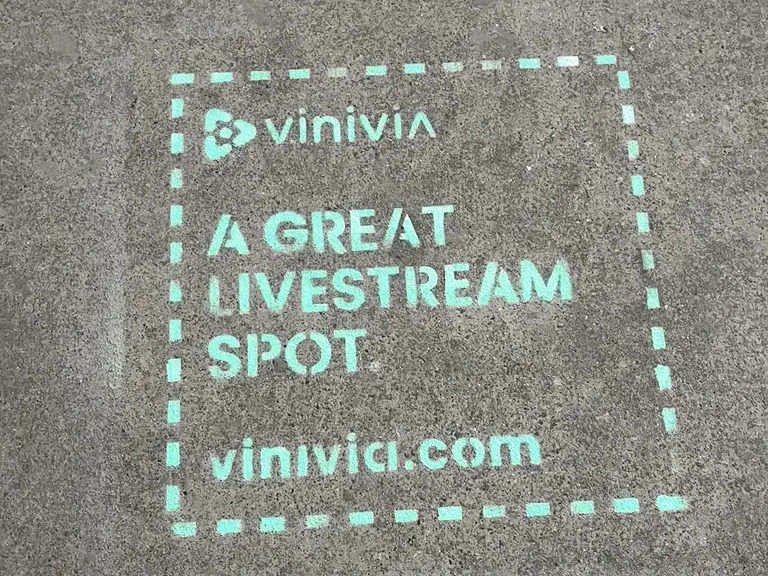
Sidewalk stencils place messaging where people slow down, queue, or wait, reinforcing recall at ground level.
Read More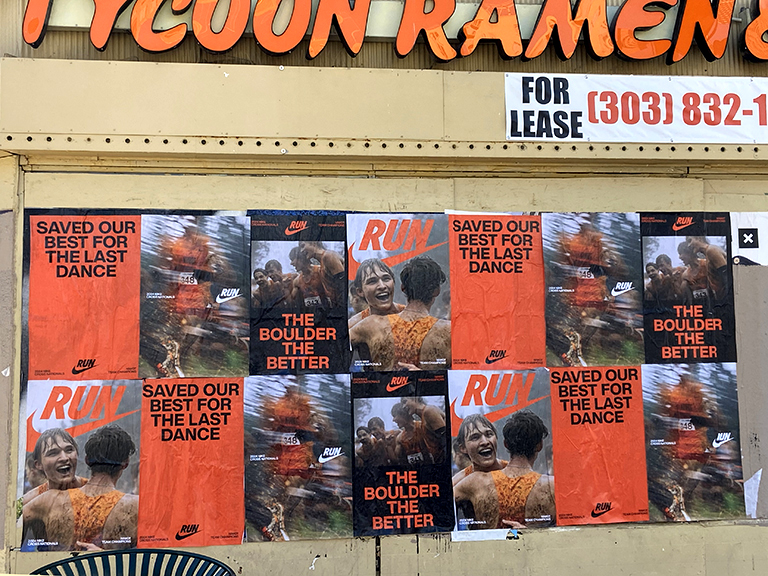
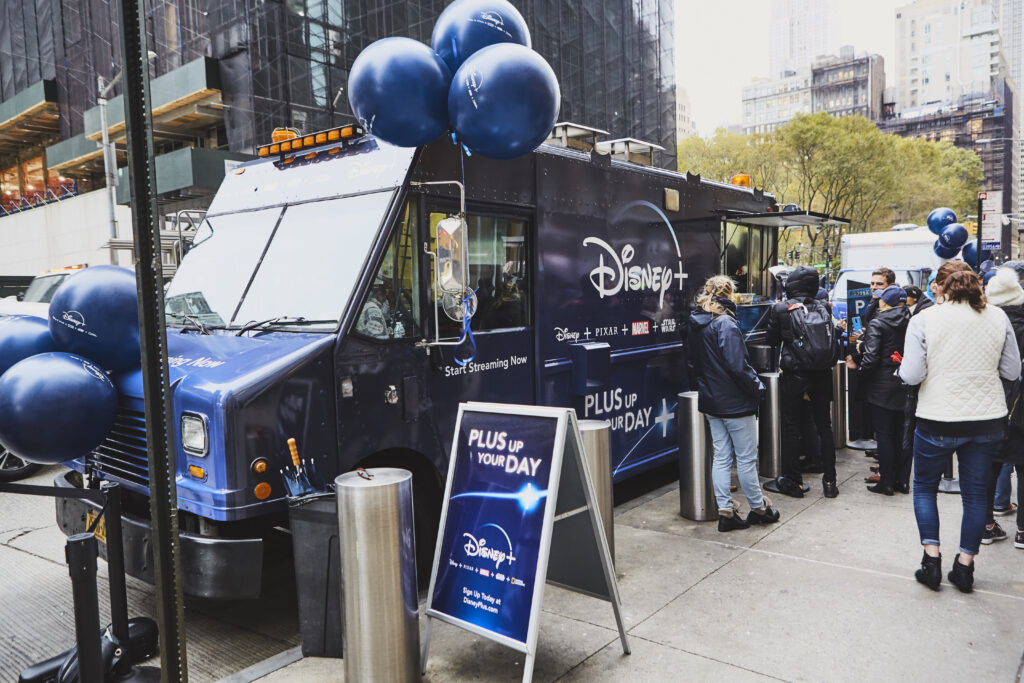
Mobile pop-ups and branded vehicles create immersive brand experiences near shopping districts and events.
Read More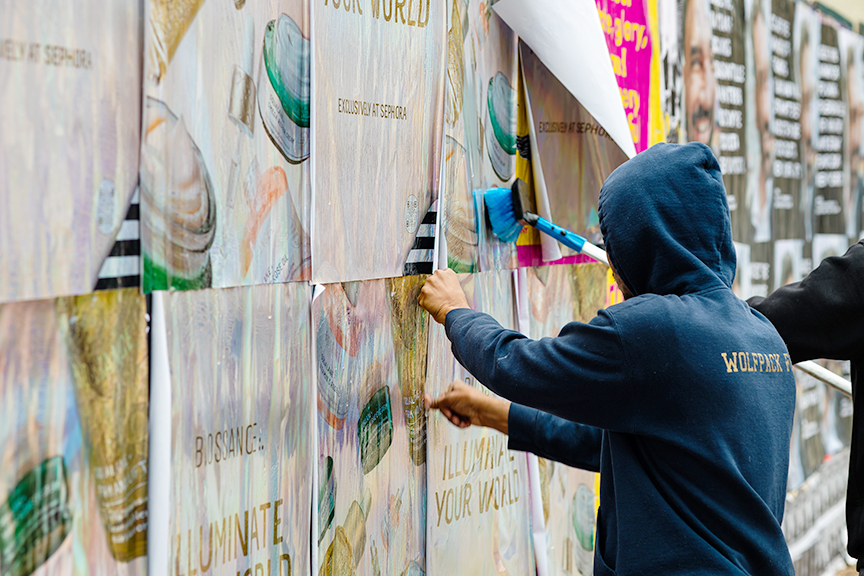
Bus advertising delivers rolling visibility across commuter routes and urban corridors.
Read More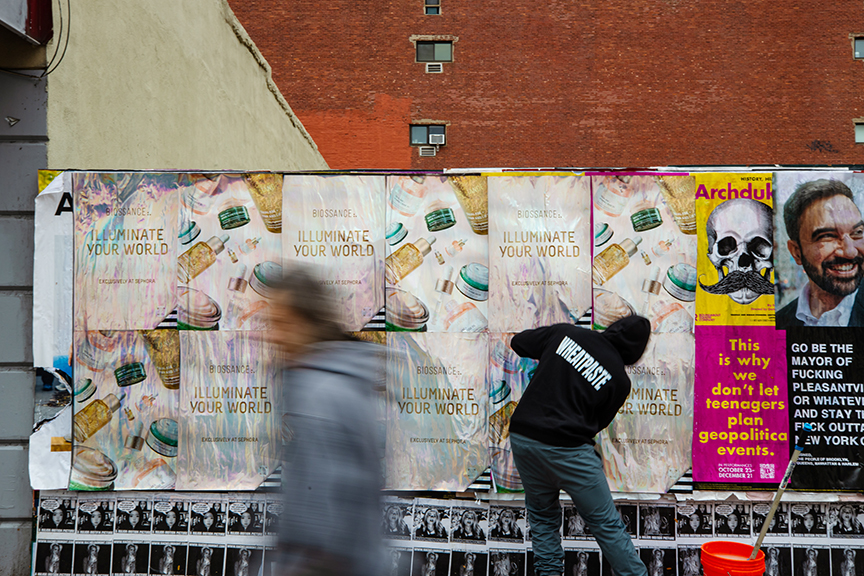
Bus stop placements capture attention during dwell time along busy pedestrian paths.
Read More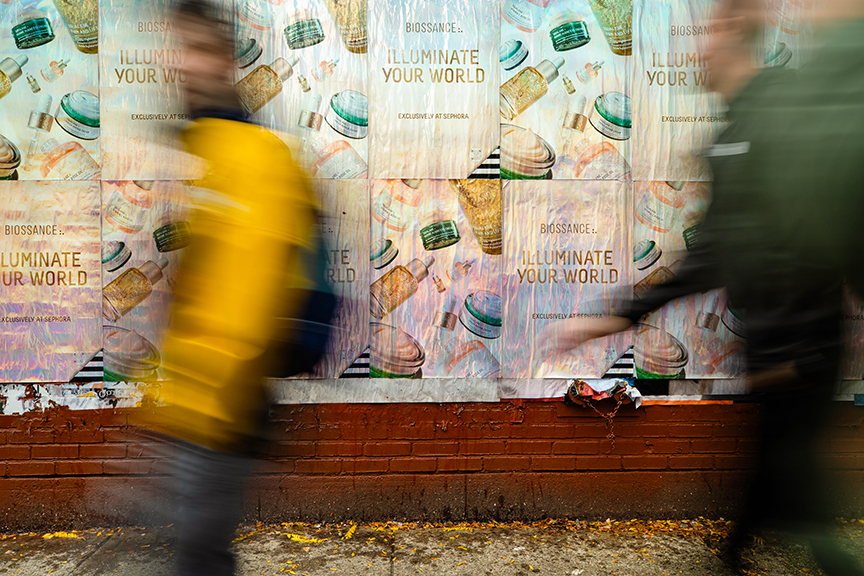
Projection media activates large urban surfaces near nightlife and event zones for nighttime impact.
Read More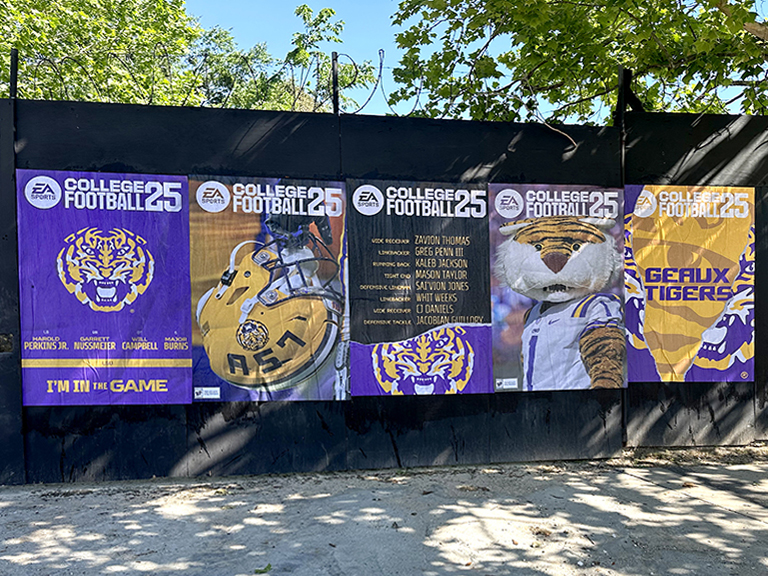
Murals provide long-term visual presence and neighborhood-anchored storytelling.
Read More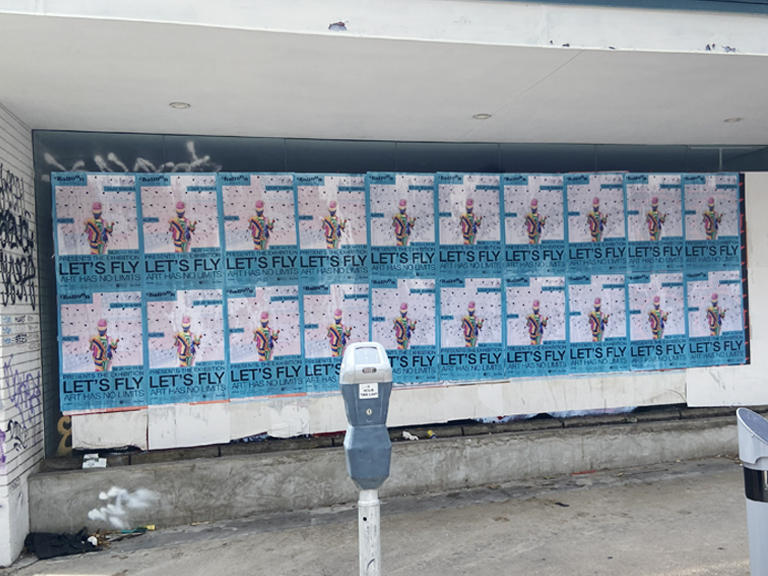
Beer coasters inside bars and restaurants deliver tactile exposure during extended dwell time.
Read More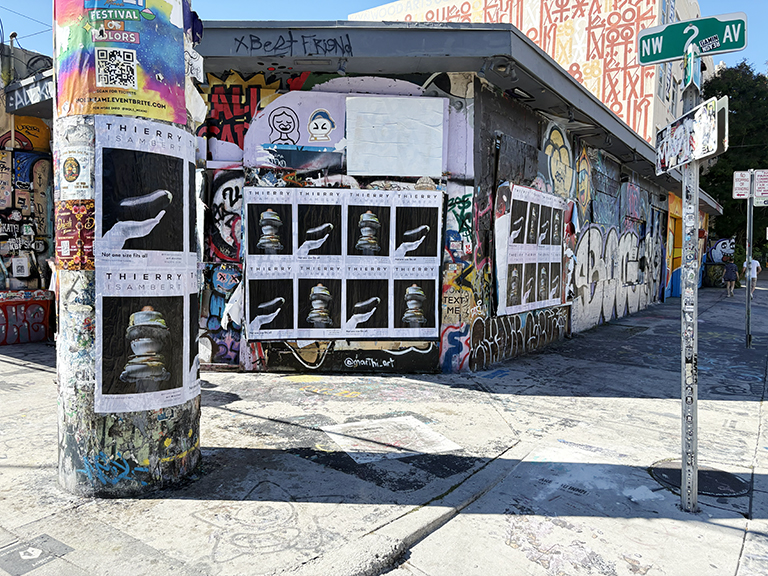
Vehicle wraps turn cars, vans, and trucks into moving brand assets circulating daily.
Read More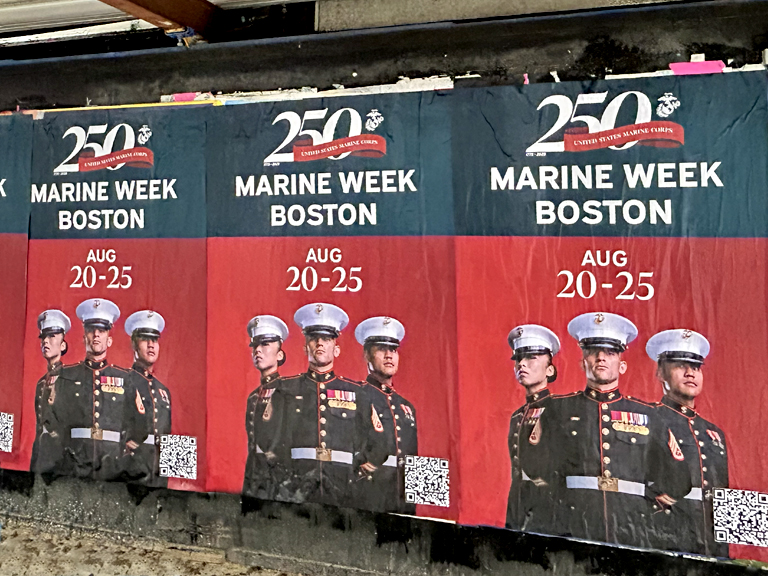
Door hangers deliver targeted messaging directly to residential neighborhoods.
Read More
Bathroom advertising places messaging in high-dwell environments such as bars, venues, and event spaces.
Read More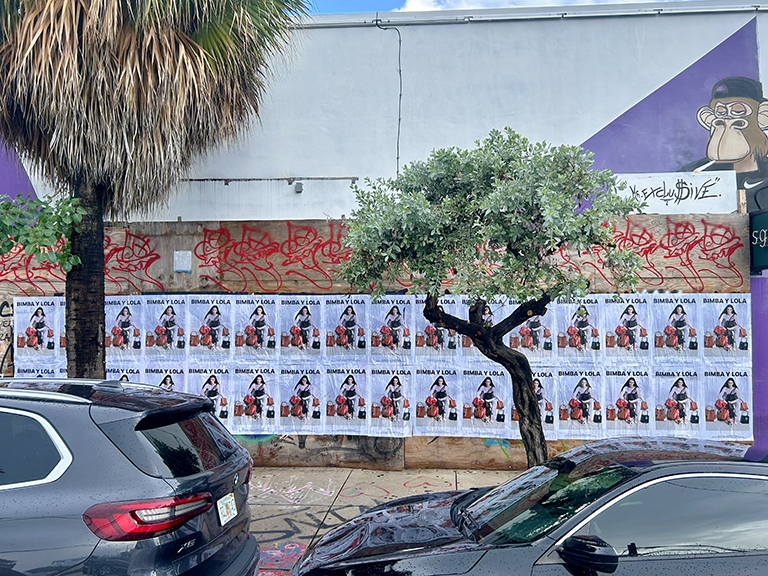
Taxi advertising delivers repeated street-level visibility across activity corridors.
Read More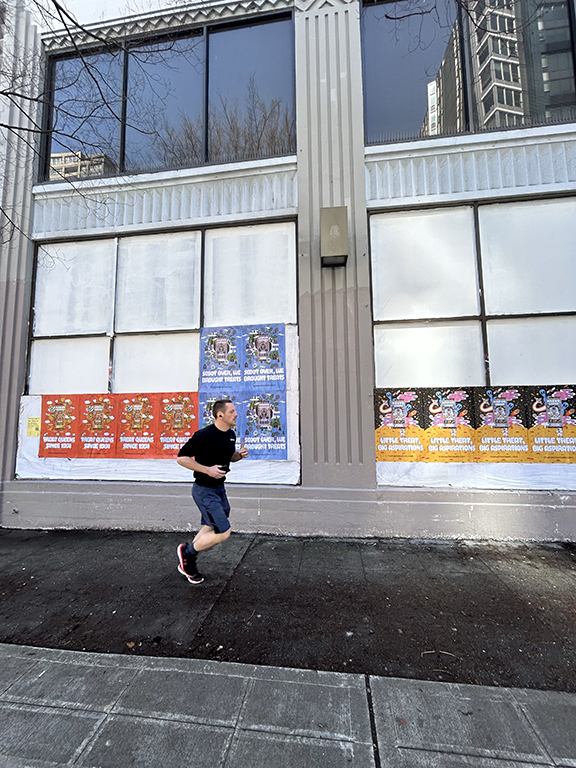
Taxi TV reaches riders during uninterrupted travel time.
Read More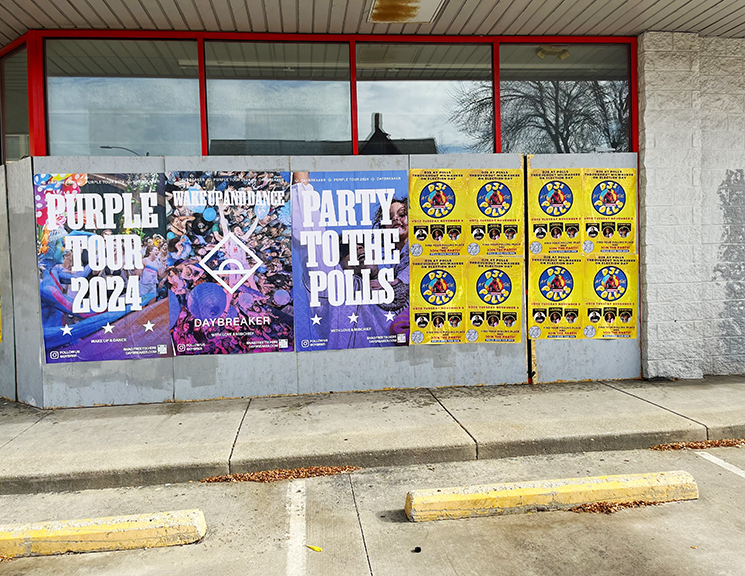
Pedicab advertising activates retail and entertainment zones with close-range exposure.
Read More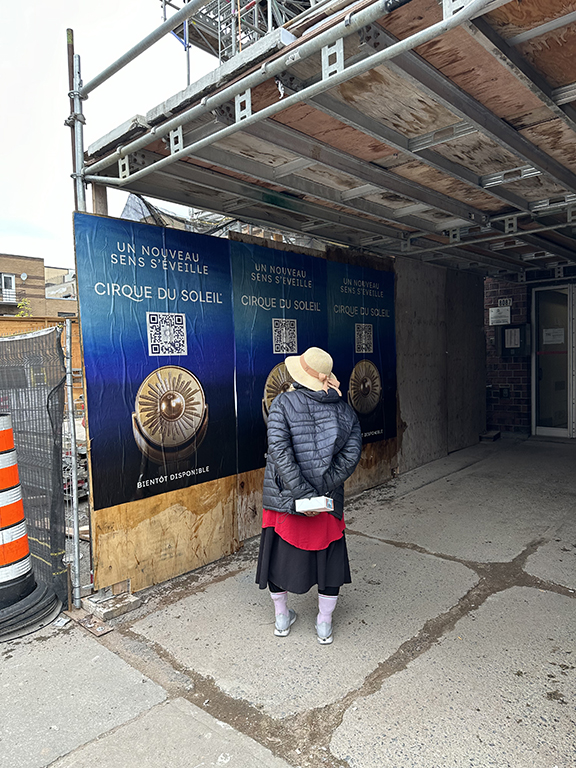
Event staff and demonstrators engage audiences through sampling and education.
Read MoreFlyer distribution targets pedestrian corridors, campuses, retail zones, and event approaches.
Read MoreStreet surveys capture real-world sentiment directly from pedestrians and commuters.
Read MoreDrone light shows deliver large-scale visual moments for major community events.
Read MoreSnipe advertising stacks small-format placements along sidewalks and intersections to densify exposure.
Read MoreAward0Winning Personalized Service
You will get thoughtful, devoted, and individualized attention from our experienced, qualified, and professional personnel. Being one of the most illustrious agencies in Brooklyn, New York, American Guerilla Marketing has been awarded the Best of Brooklyn title.
Nationwide
Industry City, Brooklyn, New York 11232
American Guerilla Marketing
Hours
Mon - Fri: 9 AM - 5 PM
Sat & Sun: Closed
Guerrilla marketing performance in Atlanta, Georgia is measured at the neighborhood level using U.S. Census population data, observed pedestrian behavior, and standard out-of-home impression modeling. This allows campaigns to estimate how often messaging is seen over one, two, and four weeks when installed in walkable, repeat-traffic environments.
Rather than relying on population size alone, we compare neighborhood population against exposure frequency and engagement response. In Atlanta, compact nightlife, campus-adjacent, transit-anchored, and trail-connected districts consistently outperform larger residential areas because people revisit the same locations multiple times per week.
| Neighborhood | Population | Impressions (1 Week) | Impressions (2 Weeks) | Impressions (4 Weeks) | Estimated Engagements | Engagement Rate |
| Downtown Atlanta | 14,000 | 220,000 | 440,000 | 880,000 | 308,000 | 35% |
| Midtown Atlanta | 18,500 | 240,000 | 480,000 | 960,000 | 336,000 | 35% |
| Buckhead / Peachtree Rd | 20,000 | 260,000 | 520,000 | 1,040,000 | 364,000 | 35% |
| Old Fourth Ward / BeltLine | 16,000 | 230,000 | 460,000 | 920,000 | 322,000 | 35% |
| Georgia Tech Area | 25,000 | 300,000 | 600,000 | 1,200,000 | 420,000 | 35% |
| Little Five Points | 11,000 | 190,000 | 380,000 | 760,000 | 266,000 | 35% |
Impressions represent estimated visual exposures based on placement density and repeat movement. Engagements reflect real-world responses such as QR scans, survey participation, flyer acceptance, sampling interaction, or recall-driven action.
All impression and engagement figures are estimates provided for planning purposes only. Actual results vary by creative quality, placement density, timing, weather, neighborhood behavior, and execution. No performance outcomes are guaranteed.
Downtown Atlanta concentrates offices, government buildings, sports venues, nightlife, and transit access into walkable grids.
Wild wheatpasting and poster advertising perform best on brick and concrete service walls along Peachtree Street between Andrew Young International Boulevard and Baker Street, where surfaces can support 6 to 10 posters in vertical grids and are crossed repeatedly during commute hours and event nights.
Street teams and man-on-the-street surveys convert well at Peachtree Street & Baker Street, where pedestrian traffic slows near MARTA stations, offices, and entertainment venues.
Snipe advertising reinforces linear exposure along Marietta Street between Centennial Olympic Park Drive and Fairlie Street, a corridor walked multiple times per day.
Midtown generates dense daily foot traffic tied to offices, dining, arts venues, and nightlife.
Beer coaster advertising performs best inside venues along Crescent Avenue between 12th Street and 14th Street, where dwell time and repeat visits are high.
Posters and wild posting perform well on service corridors near West Peachtree Street & 13th Street, supporting 5 to 8 posters per wall.
Street teams convert well near Midtown MARTA Station entrances during lunch and evening peaks.
Old Fourth Ward produces constant pedestrian movement tied to the BeltLine, dining, bars, and residential traffic.
Wild wheatpasting performs best on concrete and brick walls along North Avenue between Glen Iris Drive and Boulevard, supporting 6 to 10 posters per surface.
Street teams and surveys convert well near BeltLine access points at Ponce City Market, capturing repeated foot traffic throughout the day.
Buckhead generates heavy evening and weekend foot traffic tied to nightlife, dining, and retail.
Beer coaster advertising performs best inside venues along Peachtree Road between East Paces Ferry Road and Pharr Road, where dwell time and repeat visits are high.
Snipe advertising along East Paces Ferry Road reinforces repeated exposure across nightlife routines.
Street teams convert well near Peachtree Road & East Paces Ferry Road during peak hours.
The Georgia Tech area produces constant weekday pedestrian movement tied to class schedules, housing, and campus events.
Wild wheatpasting performs best on retaining walls and utility surfaces along Northside Drive near the campus edge, supporting 7 to 11 posters at eye level.
Survey teams and flyer distribution convert best near North Avenue & Techwood Drive during class-change windows.
Little Five Points generates dense foot traffic tied to nightlife, music venues, retail, and cultural events.
Posters and wild posting perform best on service walls along Moreland Avenue between Euclid Avenue and McLendon Avenue, supporting 5 to 8 posters per surface.
Beer coaster advertising performs best inside venues along Euclid Avenue, where dwell time and repeat visits are high.
Guerrilla marketing works in Atlanta because movement is habitual, node-based, and transit-connected. Residents, students, workers, and visitors repeatedly circulate between downtown offices, nightlife corridors, campuses, BeltLine trails, and event venues. When guerrilla marketing is executed cleanly and strategically, it becomes part of the city’s visual rhythm rather than background clutter.
Atlanta’s mix of higher education, nightlife, sports events, corporate offices, and cultural districts makes it especially effective for political marketing, grassroots organizing, entertainment promotion, and community engagement campaigns.
Because repeated foot traffic between Andrew Young International Boulevard and Baker Street creates physical recall digital placements cannot match.
Daily recreational use and nightlife foot traffic create predictable repetition and long dwell time.
Street teams convert strongest near Crescent Avenue & 13th Street where pedestrian movement naturally slows.
Daily student movement creates predictable repetition that reinforces messaging.
Linear nightlife and retail movement causes repeated exposure across multiple evening visits.
Yes, especially near campuses, downtown civic corridors, nightlife districts, and community events.
Most service walls support between 5 and 10 posters depending on surface width and visibility.
Nightlife zones generate longer dwell time and repeated visits across multiple evenings.
Through GPS pinning, photo documentation, and placement reporting tied to exact streets and locations.
Yes, when executed responsibly and strategically with proper placement discipline.