American Guerrilla Marketing
Nationwide serivce
Media planning, media buying, billboard advertising, & guerrilla marketing
If a brand wants festival marketing in Alabama to produce more than vanity impressions, it has to stop thinking in isolated placements and start thinking in loops. Crowds in Alabama move through predictable circuits: commute into entertainment, pre-event dining into venue entry, post-show spill into nightlife, and weekend browsing into shareable moments. A generic campaign sees foot traffic and assumes scale. A smart festival marketing plan reads intent, dwell time, recirculation, and message fatigue. That is where timing logic changes everything. You hit the route before the audience commits, reinforce it when the district is crowded, and close the gap with a simple next step once attention peaks. Done right, festival marketing in Alabama becomes a controlled sequence of exposures that turns local event advertising, audience engagement, street team marketing, and venue marketing into one coherent engine.
As a statewide festival marketing hub, Alabama campaigns should be planned as connected market waves rather than isolated city buys. Strong statewide event marketing in Alabama usually sequences attention through Birmingham, Huntsville, Mobile, and Montgomery, then adjusts live event promotion, street team marketing, and venue support to each city’s crowd speed, downtown footprint, and festival calendar.
Festival marketing in Alabama works when the campaign follows where people actually gather, queue, linger, and recirculate. This page focuses on localized event marketing strategy, live event promotion timing, and field execution that can create repeat exposure without wasting budget on empty coverage.
That matters because festival marketing in Alabama performs differently from one district to the next. A route that looks strong on a map can still underperform if it misses the handoff between arrival, queue time, and post-event recirculation. Stronger event marketing in Alabama comes from matching the activation to the moment: faster impressions in through-traffic zones, longer conversations where people linger, and cleaner calls to action where the audience is already deciding what to do next.
For live event promotion in Alabama, the goal is to make the brand feel present at the exact points where attention is naturally available. That can mean using festival promotion and local event marketing near venue approaches, layering street team marketing around dining and nightlife pockets, and reinforcing the message again where the crowd spills after the main draw. When the sequence is right, localized festival marketing in Alabama feels intentional rather than random, and the audience encounters the campaign as part of the day instead of as an interruption.
The practical upside is better conversion efficiency. Local brands, sponsors, promoters, and touring campaigns all benefit when festival marketing, event marketing, and live event promotion in Alabama are built around real movement patterns instead of broad assumptions. That is what gives a Alabama campaign stronger recall, more useful reporting, and a better chance of turning awareness into scans, samples, signups, foot traffic, or direct event response.
Statewide planning gets stronger when the page reflects how demand actually moves across Alabama. Instead of treating the market like one flat audience, it should show how momentum builds between festival marketing in Birmingham, Alabama, festival marketing in Huntsville, Alabama, and festival marketing in Mobile, Alabama. That keeps festival marketing in Alabama, event marketing in Alabama, and live event promotion in Alabama grounded in real campaign planning while still giving readers clear paths into festival marketing in Birmingham, Alabama, festival marketing in Huntsville, Alabama, and festival marketing in Mobile, Alabama.
Award0Winning Personalized Service
You will get thoughtful, devoted, and individualized attention from our experienced, qualified, and professional personnel. Being one of the most illustrious agencies in Brooklyn, New York, American Guerilla Marketing has been awarded the Best of Brooklyn title.
Nationwide
Industry City, Brooklyn, New York 11232
American Guerilla Marketing
Hours
Mon - Fri: 9 AM - 5 PM
Sat & Sun: Closed
Automate your campaign with AGM’s Request for Proposal Builder. Simply answer a few quick questions about your campaign goals, markets, and timeline, and the system will generate a tailored presentation with recommended strategies, quantities, and pricing. Click the RFP Builder to instantly receive your customized proposal.
| Zone | Audience Behavior | Best Activation Type | Campaign Objective | Estimated Daily Impressions | Estimated 2-Week Impressions | Estimated Engagement Rate | Estimated Dwell Time |
|---|---|---|---|---|---|---|---|
| major metro corridor across Alabama | statewide festival marketing performs best when larger markets are sequenced instead of treated as isolated stops | mobile tour campaigns, event staffing, layered media | stretch budget across multiple demand centers | 22,700–44,800 | 227,000–537,600 | 2.8%–5.4% | 4–10 min |
| downtown event districts in Alabama | sports, music, and festival calendars create predictable traffic windows | street team marketing, venue marketing, sponsor support | capitalize on concentrated attendance | 22,700–47,000 | 227,000–564,000 | 3.2%–6.2% | 5–13 min |
| college and nightlife pockets across Alabama | younger audiences respond to repeated exposure and incentive-led engagement | fan engagement, pop-up activations, local event promotion | build momentum through frequency | 19,500–41,000 | 195,000–492,000 | 3.2%–6.2% | 5–13 min |
| regional fairs, festivals, and civic events in Alabama | these gatherings compress diverse audiences into measurable environments | festival promotion, event marketing, route support | capture broad awareness with local credibility | 19,500–38,800 | 195,000–465,600 | 2.8%–5.4% | 4–10 min |
Festival Marketing in Alabama works when the route follows behavior instead of geography alone. In this market, audiences move through pre-event planning, arrival corridors, queue moments, in-district wandering, and post-event spill. That movement is what connects festival marketing, event marketing, live event promotion, audience engagement, venue marketing, and sponsor visibility. If a campaign only appears once, it gets noticed and forgotten. If it appears in sequence—early in a retail or commuter zone, again near the venue, and once more where nightlife or post-show traffic recirculates—it starts to influence decisions.
That sequencing is why we treat Alabama as a layered field environment. The first touch can come through local event advertising, branded handoffs, or support media that establishes legitimacy. The second touch can lean into event staffing, fan engagement, pop-up activations, or experiential campaigns that slow the audience down long enough to interact. The final touch should make action easy: a scan, a sample, a directional prompt, a limited-time offer, or a reminder tied to the event itself. That is how festival marketing turns from broad awareness into measurable response.
Different pockets of Alabama serve different jobs in the route. Some are built for scale. Others are built for conversation. Others exist to catch people after the main event when memory is still fresh and the brand can push one more action. The right mix gives the campaign both reach and conversion efficiency.
major metro corridor across Alabama matters because statewide festival marketing performs best when larger markets are sequenced instead of treated as isolated stops. It is one of the cleaner places to run festival promotion, event marketing, street team marketing, and experiential support without fighting the audience. Early in the day this zone can introduce the brand; later on it can serve as the confirmation touch that keeps the route coherent. The work only lands when the setup matches crowd speed and gives people a reason to look twice.
Best use here: mobile tour campaigns, event staffing, layered media. The commercial job is straightforward: stretch budget across multiple demand centers. Hit this zone again later in the route and the market starts to feel covered instead of merely touched.
downtown event districts in Alabama earns attention for a simple reason: sports, music, and festival calendars create predictable traffic windows. That gives festival marketing in Alabama a reliable place to stack repetition, conversation, and visual presence. Some campaigns use it as the opening touch, others as the pressure point just before venue entry. Either way, the tactic should feel native to the block instead of looking like an afterthought.
Best use here: street team marketing, venue marketing, sponsor support. From a planning standpoint, the objective is to capitalize on concentrated attendance. Repetition across one more well-chosen district usually turns this from awareness into actual response.
college and nightlife pockets across Alabama pulls its weight when younger audiences respond to repeated exposure and incentive-led engagement. For festival marketing in Alabama, that creates room for event promotion, street teams, and experiential tactics that need real dwell time or recirculation. This is not the zone for overcomplication. Clear branding, clean staffing, and a sharp call to action usually outperform anything overly clever.
Best use here: fan engagement, pop-up activations, local event promotion. The point is to build momentum through frequency without wasting energy on dead blocks. When this zone is paired with a second or third touch, recall improves fast.
regional fairs, festivals, and civic events in Alabama deserves attention because these gatherings compress diverse audiences into measurable environments. In a festival route, it can function as the scale layer, the reminder layer, or the conversion layer depending on timing. The practical advantage is that festival marketing, event marketing, and local activation work here without the brand having to force itself into the environment.
Best use here: festival promotion, event marketing, route support. The route uses this area to capture broad awareness with local credibility, then hands the audience into the next pressure point while the message is still fresh.
The strongest festival marketing programs in Alabama are not built as one tactic. They are built as a stack. Start with high-visibility event marketing that introduces the message in a part of town where the audience still has decision flexibility. Add live event promotion or street team marketing where people slow down enough to engage. Then reinforce with venue marketing, nightlife pressure, audience engagement, or mobile tour campaigns that keep the message alive after the first interaction. This layered approach gives fan engagement, brand activation, concert marketing, local event advertising, and experiential marketing distinct jobs instead of forcing one unit to do everything.
Execution matters just as much as strategy. Staffing levels, supervisor coverage, collateral load, route order, transportation time, weather contingencies, and post-event recirculation all shape performance. A clean route in Alabama usually covers fewer zones than a client expects, but covers them with enough intensity to build memory. That is what makes festival marketing feel dominant in-market rather than merely present.
The strongest festival marketing programs in Alabama rarely rely on one channel. They stack field tactics based on crowd speed, venue pressure, permit reality, and how much explanation the offer needs. This statewide view works better when it points readers toward city-specific pages such as festival marketing in Birmingham, Alabama, festival marketing in Huntsville, Alabama, festival marketing in Mobile, Alabama and related service layers that can be added market by market.
Street team marketing is usually the move when a campaign needs direct contact, flyer handoffs, QR scans, sampling, or fast conversations near queues, parking funnels, retail clusters, and nightlife spill. In Alabama, it works best when the team is placed where people are still deciding what to do next rather than after the window has already closed.
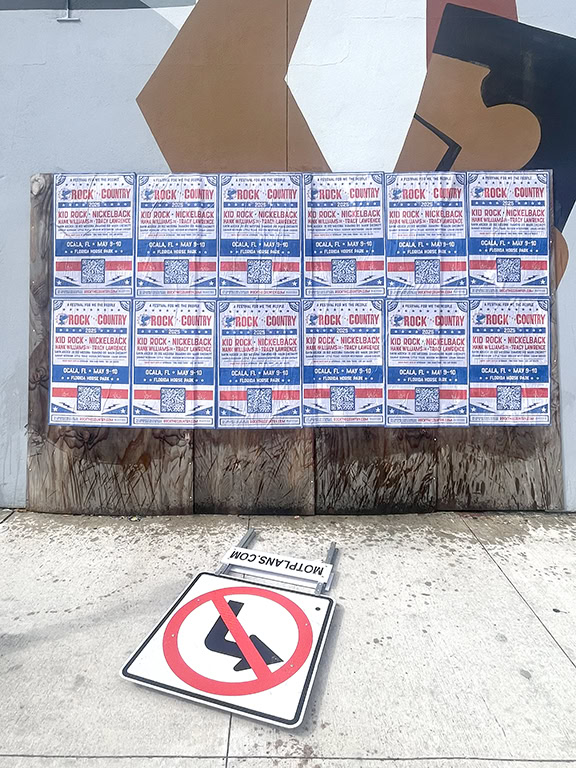
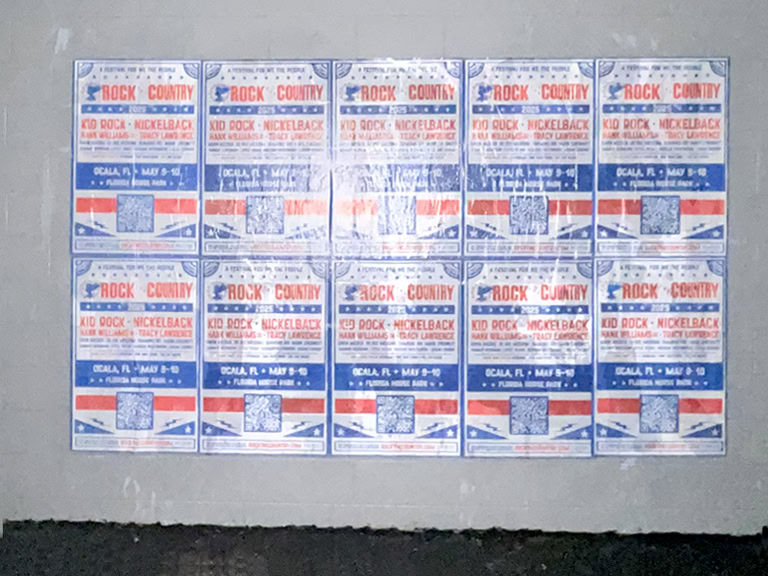
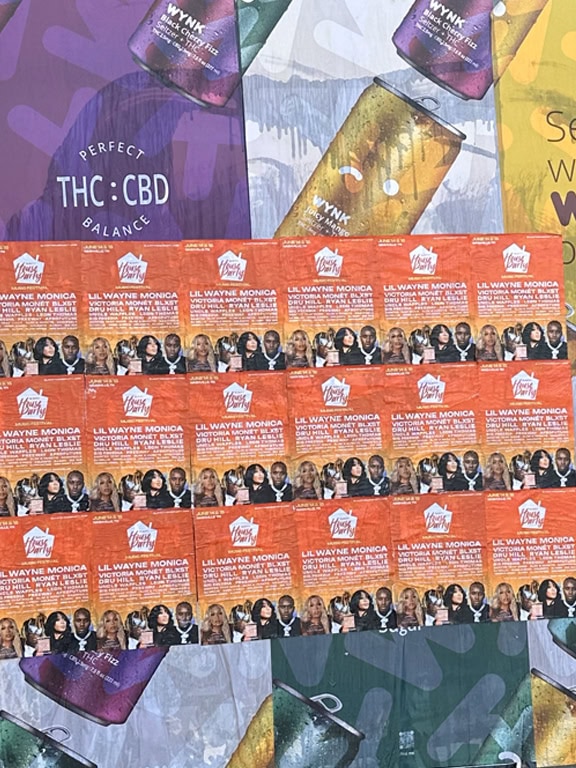
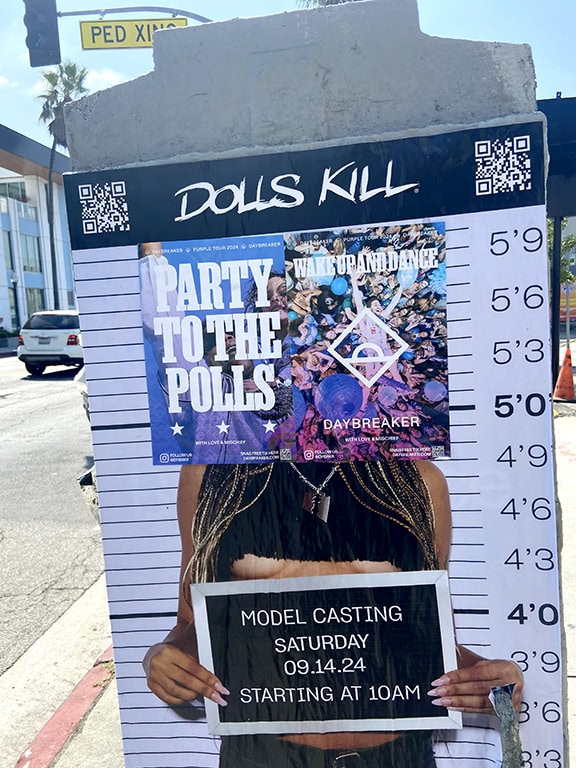
Wheatpasting campaigns come in when the goal is visible repetition before the event week peaks. They are useful for promoter pushes, sponsor support, venue takeovers, and launches that need the city to feel dressed for the moment. In practical terms, poster saturation gives festival marketing in Alabama a longer memory curve than one-day staffing alone.
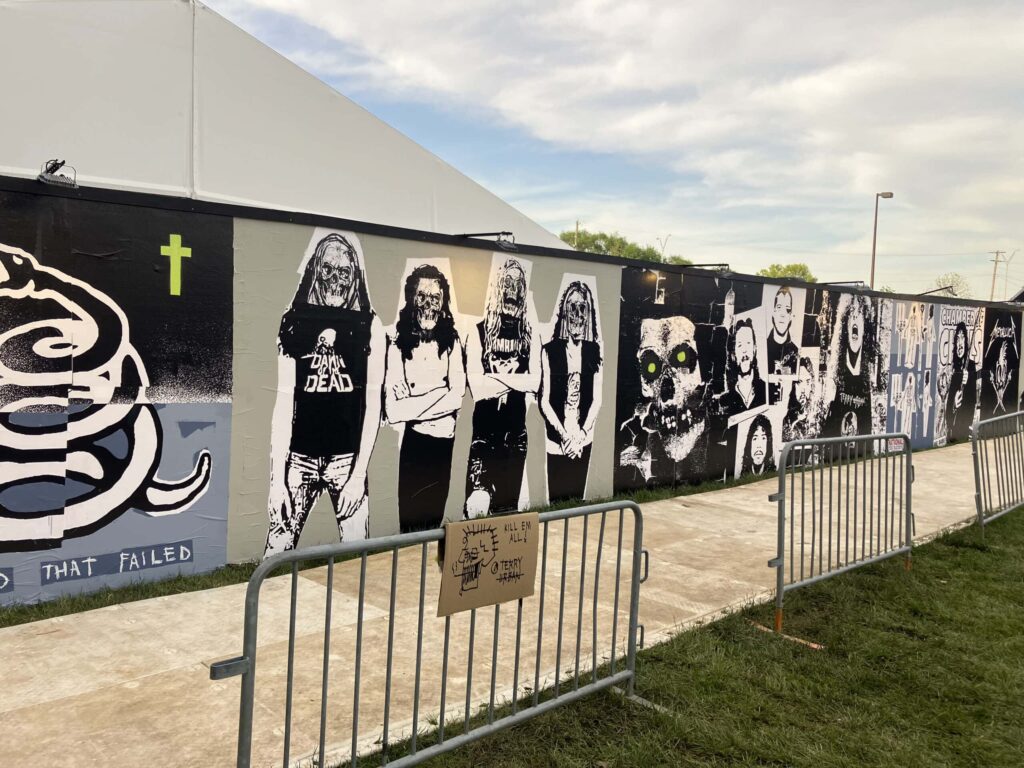
Stencil advertising earns its spot when the message has to read instantly and echo across a tight geography. It can support directional awareness, artist drops, short-run branding, and neighborhood-frequency plays where conventional placements feel too slow or too expensive. Used selectively, it sharpens event marketing in Alabama without bloating the route.
Flyer distribution still works when the offer is simple and the handoff happens in the right environment. Think campus edges, nightlife entries, food corridors, queue lines, and mixed-use districts where people pause long enough to take something away. When the design is clear and the staff is disciplined, flyer distribution helps festival promotion in Alabama bridge awareness and action.
Brand ambassadors are the right layer when the campaign needs polish, conversation quality, product knowledge, or sponsor representation that goes beyond a quick handout. They matter in Alabama when event partners want controlled talking points, better lead capture, or a more premium face for the activation.
Pop-up activations are used when the campaign needs more than circulation. A pop-up can anchor content capture, demos, merch, sampling, artist tie-ins, or sponsor storytelling in a way that turns festival traffic into dwell time. That is often the piece that makes experiential festival marketing in Alabama feel owned rather than borrowed.
Experiential marketing becomes the lead tactic when the brand needs interaction, not just exposure. It is especially effective for launches, sponsorships, beverage programs, entertainment tie-ins, and multi-day event footprints where the audience should remember the moment, share it, and respond later. In other words, this is how festival marketing in Alabama stops being background media and starts acting like a live brand experience.
Event staffing keeps festival marketing in Alabama operational across multi-city runs, sponsor weekends, college-town spill, and split-day activations where one crew cannot cover every touchpoint alone. We use staffing when the route needs disciplined check-ins, asset management, route resets, and reporting consistency from Birmingham to Huntsville, Mobile, Montgomery, and adjacent demand pockets.
Venue marketing matters in Alabama when the campaign needs the message close to entrances, box-office traffic, shuttle drop zones, amphitheater approaches, and downtown event districts where intent is already high. This layer works best when venue-adjacent reminders are scheduled to support the arrival window, the queue window, and the post-show decision window instead of treating the whole day as one flat audience.
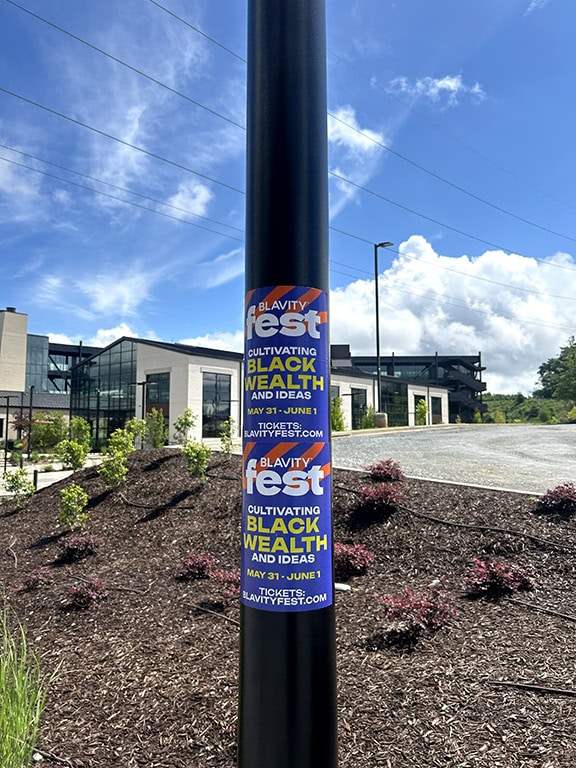
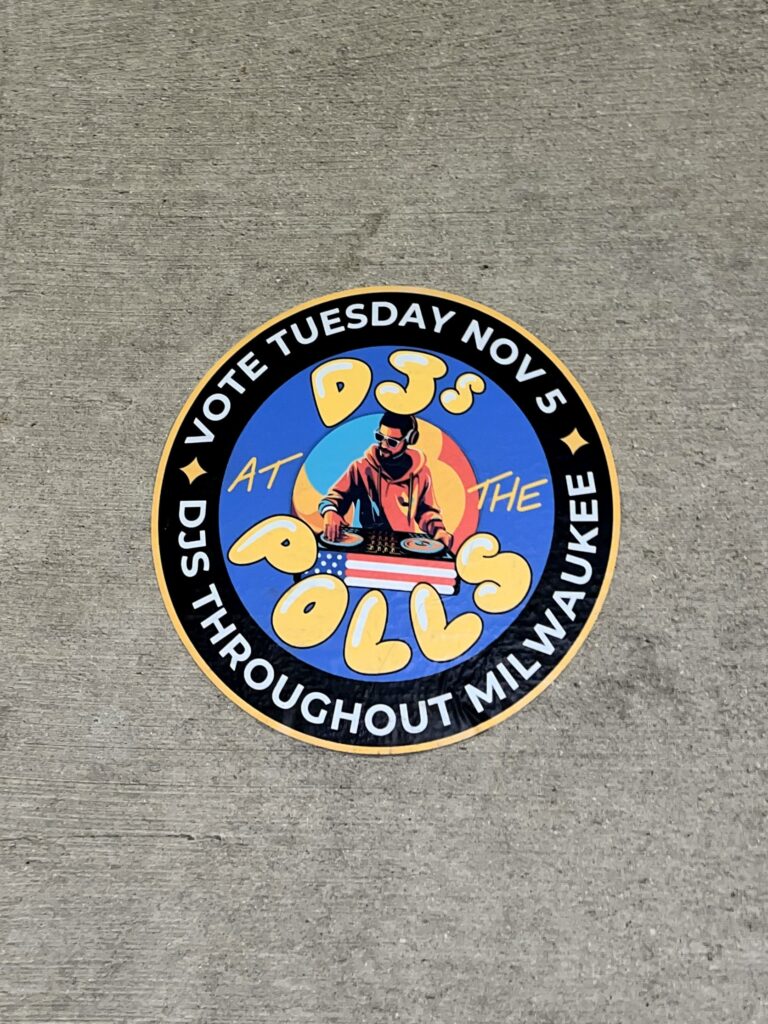
Decals, posters, and other support media are used in Alabama to make festival marketing feel present before the street team arrives and after the activation wraps. We deploy them when a statewide campaign needs repeated visual memory across music corridors, bar clusters, campus edges, neighborhood retail, and event routes that benefit from fast-read reinforcement.
American Guerrilla Marketing is strongest when the assignment requires local route logic, aggressive field execution, and a campaign structure that can survive real-world conditions. In Alabama, that means building around where people actually gather, how the crowd moves, how repetition is staged, and how field intelligence is fed back into the next deployment. Whether the program leans on festival marketing, festival promotion, event staffing, pop-up activations, or concert marketing, the advantage comes from making the route make sense before the first asset hits the street.
Start earlier than most brands think. In Alabama, the productive runway usually opens one to three weeks before the anchor date, then tightens hard in the final seventy-two hours. The first phase builds recognition through event marketing, local event advertising, and selective street team marketing in the districts most likely to influence plans. The second phase concentrates on live event promotion near venue routes, nightlife corridors, and high-dwell retail blocks. If the budget only allows a short run, the smarter move is to compress activity around the strongest crowd windows instead of stretching a thin schedule. Costs rise with staffing, permits, custom builds, and route length, but timing discipline almost always outperforms raw volume.
Treat budget like route density, not vanity reach. A useful test in Alabama starts with a focused pilot that covers planning, field management, staffing, collateral, reporting, and enough repetition to learn something real. For smaller city pushes, brands often start with a contained xroute and two or three execution days. Larger metros or statewide runs require more labor, more supervision, and more support media to maintain frequency. The cheapest version is rarely the most efficient version. The better question is whether the spend creates enough density in the right zones to move behavior. If not, narrow the geography and protect execution quality rather than pretending a broad but light deployment will convert.
The advantage is simple: localized work reflects how people actually use the market. That means matching the route to venue traffic, parking patterns, hotel clusters, bar corridors, commuter movement, and neighborhood identity. It also means adjusting tone, staffing style, and calls to action so the brand feels like it belongs in the city instead of interrupting it. When festival marketing, experiential marketing, venue marketing, and fan engagement are built around local behavior, audiences see the message more than once in contexts that make sense. That sequence produces stronger recall and better scan, signup, sampling, or attendance performance than a one-touch awareness buy.
For most serious campaigns, both win. Street teams create the live contact: conversation, sampling, QR scans, directions, and energy. Static support—posters, venue-adjacent placements, branded takeovers, or supporting out-of-home—keeps the message alive before and after the conversation happens. In practice, the strongest routes use support media on approach streets or nightlife blocks, then place ambassadors where the crowd slows enough to engage. That mix improves memory, sharpens attribution, and gives the campaign more resilience if weather or one venue shift changes the street pattern.
Almost always fewer than clients first assume. Four strong zones with clear daypart logic beat eight weak ones stitched together by driving time. A good route might open in a commuter or retail district, shift into a venue corridor, then close in a nightlife pocket where the audience recirculates. The exact number depends on travel friction, staffing depth, collateral load, and whether the action is awareness-heavy or interaction-heavy. The discipline is to keep the route tight enough that repetition compounds instead of scattering the team across too much geography.
Good reporting is not a photo dump. It should identify where the team worked, when pressure was highest, what audience behavior looked like, and which zones drove stronger response. That can include field photos, staffing logs, QR or landing-page activity, sampling counts, venue observations, and notes on crowd composition by daypart. Better recaps also explain why one district outperformed another so the next round of event marketing, tour promotion strategy, or experiential campaigns can be optimized instead of repeated blindly.
Yes—and often more effectively than brands expect. Product launches, sponsor tours, retail openings, beverage programs, public-awareness pushes, and entertainment campaigns all benefit from the same core logic: find the right crowd, choose the right route, and give people a friction-light next step. The activation type changes—sampling, demos, content capture, sweepstakes, or pure awareness—but the underlying market strategy stays consistent. What matters is that the offer matches the environment and that the route provides enough repetition to turn curiosity into action.
They change the route a lot, which is exactly why good field planning includes backup zones, indoor-adjacent options, staffing contingencies, and timing flexibility. Heat, rain, cold, and event-day traffic can cut dwell time or push crowds onto different blocks. The answer is not to cancel strategy; it is to adapt it. Strong operators already know which corridors hold traffic in bad weather, which venues create covered waiting zones, and where quick-shift mobile tour campaigns can preserve momentum without burning payroll on dead space.
The right call to action depends on how fast the audience is moving. In fast-moving environments, that is often a QR scan, a simple offer, a giveaway entry, or a short directional prompt. In higher-dwell settings, teams can support longer conversations, demos, sampling, or photo moments. The mistake is forcing one CTA across every zone. A better route uses different activation mechanics for different audience states, then ties them back to one measurement framework so the campaign still reads as a single program.
Because first-touch conversion is the exception, not the rule. Audiences notice, filter, re-encounter, and only then decide whether the message feels relevant. Repetition works best when it is staged rather than accidental. First exposure builds recognition. Second exposure adds legitimacy. Third exposure, especially near the venue or nightlife decision point, can finally trigger action. That is why festival marketing, live event promotion, audience engagement, and sponsor visibility have to be layered with intention if the brand wants measurable lift instead of loose awareness.