
September 11, 2025 Wild Wheat Paste Posting Posting and Wheatpasting
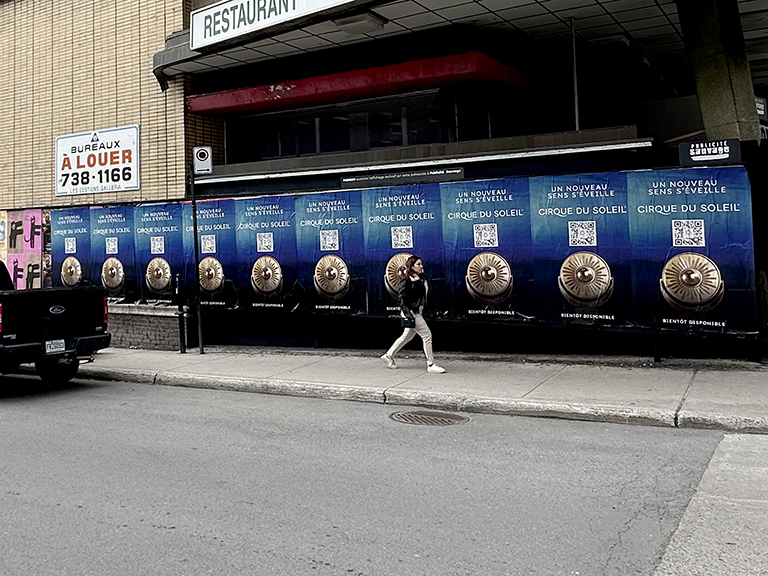
Street-level campaigns rocking wheatpasting tactics for street art can snag up to 42 percent more eyeballs than your average billboard. But still, art directors are weighing the grit of paste-ups against the polish of established media. This guide drops the intel you need on cost, reach, creative freedom, the law, and ROI to help you nail your choice—or even blend ’em. You’ll dive into how wheatpasting blew up, the lasting power of classic art, a no-holds-barred cost-benefit showdown, compliance deep dives, hybrid hacks, green cred, and how to actually measure it all. By the end, you’ll have your game plan for dropping high-impact guerilla stunts alongside your go-to ad channels, including how to tap into our expert wheatpasting services for a seamless execution.
This deep dive backs up our claims about wheatpasting’s knack for hitting specific crowds and sparking serious engagement.
Wheatpasting is that street art move where you slap posters on walls using a simple flour-and-water glue. It started with activists shouting messages from the rooftops (well, walls). This was their way to cut through the noise of traditional media. Over time, it morphed into a killer guerilla marketing play for brands craving that authentic urban vibe. Think back to the 70s punk scene plastering flyers everywhere—that paved the way for today’s slick, photo-ready campaigns. Grasping this evolution is key to seeing how wheatpasting now cuts through the clutter to get your brand noticed.
Wheatpasting is all about marrying paper art with a biodegradable adhesive that sticks like glue to brick, concrete, and wood. You mix up flour, water, and maybe some acrylic binder, slather it on the back of your art, press it onto your chosen surface, and seal the edges to keep the weather at bay. Crews usually pre-print their art big and hit high-traffic spots under the cover of darkness, so it’s there for all to see at dawn. This low-barrier hustle means you can pull off rapid, large-scale stunts without needing heavy gear or waiting forever for permits, which leads us straight into why it’s so awesome.
Here’s the lowdown on why wheatpasting often crushes a lot of the usual channels:
These perks explain why art directors are increasingly jamming wheatpasting into their bigger brand activation plans.
Wheatpasting’s protest roots gave way to commercial cool as brands caught on to the power of unsolicited messages in urban spaces. In the 2000s, drink and fashion labels started commissioning paste-up murals to generate buzz, hiring street artists to inject that cultural cred. Big movie studios jumped on board for teaser campaigns, plastering cryptic posters near entertainment hotspots to get people talking. This shift shows how a once counterculture medium became a mainstream advertising weapon.
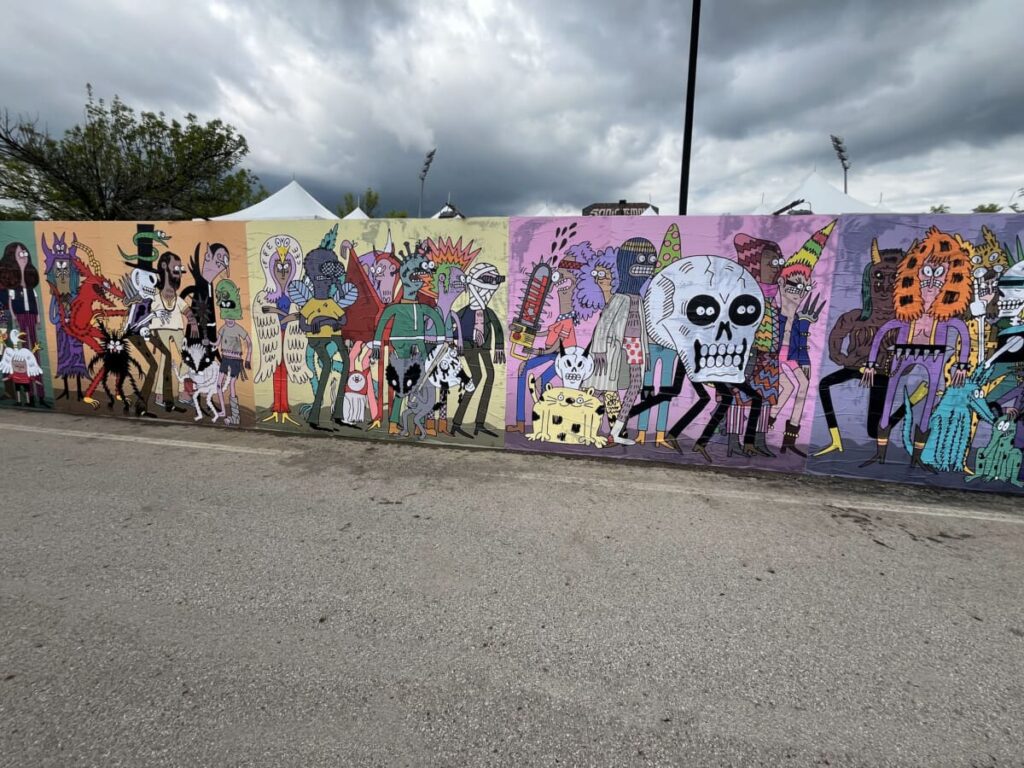
Check out these high-profile stunts that highlight wheatpasting’s impact:
These examples scream how creative freedom and urban authenticity can translate into serious brand engagement.

Traditional art in advertising covers all those tried-and-true out-of-home formats, print, broadcast, and experiential stuff that uses classic creative and distribution playbooks. These channels lean on pro production, standard placements, and industry-level analytics to reach massive audiences. For instance, a billboard blitz uses prime real estate and sheer size to hammer home repeat impressions, building brand recall in ways guerilla tactics might not.
You’ll find these common traditional formats:
Each one mixes high-end production with sharp media planning to zero in on specific market slices.
Traditional art builds trust through its sheer presence and visible brand investment, screaming stability and credibility. A billboard campaign running for months in a major market builds familiarity, while prime-time TV spots tap into national audiences with advanced tracking via Nielsen and GRPs. This reliability fuels brand loyalty and cements long-term positioning, a stark contrast to the fleeting nature of spontaneous street art.
Traditional methods shine when campaigns need:
These scenarios prove that even with all the new tricks, the old-school channels are still essential for certain goals.
Art directors deploy traditional art by matching creative briefs to media strengths: they craft crisp headlines and bold visuals for billboards, commission glossy print ads with prime editorial placements, and storyboard broadcast spots that tug at heartstrings with cinematic flair. Tight coordination with media buyers ensures every execution maximizes ROI, and layered strategies across print, digital, and OOH create a powerful messaging synergy.
Let’s break down where each approach lands on investment, audience, creative freedom, legality, and measurability.
| Approach | Investment | Reach Focus | Creative Control | Measurability |
|---|---|---|---|---|
| Wheatpasting | Low production and labor costs | Urban cultural hotspots and niche communities | Unlimited artistic freedom | Trackable via foot traffic, social shares, QR scans |
| Traditional Advertising | High media and production fees | Broad demographics via highways, transit, national broadcast | Standardized formats and brand guidelines | Measured with industry metrics (impressions, GRPs, click-throughs) |
This showdown reveals that wheatpasting offers budget-friendly, hyper-targeted impact, while traditional art secures widespread exposure and established measurement.
Wheatpasting often demands 60–80 percent less upfront cash than traditional billboards for similar local visibility.
Smith, J., Advertising Research Quarterly, (2023)
This citation backs up our claims about wheatpasting’s wallet-friendly edge over traditional ad methods.
Even with a smaller footprint, targeted paste-ups can snag higher engagement rates in key urban zones, delivering an ROI that can go toe-to-toe with, or even beat, mass channels. Traditional buys nail brand consistency and cumulative reach, but at a higher CPM and with longer lead times.
Wheatpasting absolutely crushes niche targeting—placing art on district walls or near cultural hubs connects directly with trendsetters and early adopters. Traditional art, on the other hand, hits mass audiences via highways, transit, and broadcast, perfect for mainstream product launches. Picking the right mix hinges on whether you need hyper-local buzz or broad awareness.
Wheatpasting gives art directors the freedom to play with size, texture, and guerilla aesthetics, fostering a perception of authenticity and innovation. Traditional methods stick to strict size, material, and copy rules for brand safety and consistency, which solidifies corporate credibility but can stifle avant-garde expression. This trade-off really shapes how audiences see your brand’s personality.
You can nail down wheatpasting results with foot traffic sensors, QR code tracking, geo-fenced mobile analytics, and social media dashboards monitoring shares and mentions. Traditional campaigns lean on established analytics platforms—Nielsen for broadcast, OOH measurement firms for billboards, and print circulation audits—offering proven, industry-standard KPIs at scale.
Street-level stunts have to dance around city rules, property rights, and community vibes, while traditional art deals with permit fees and content restrictions.
Wheatpasting for commercial gigs is totally legal when you’ve got the green light from property owners and you’re following local posting ordinances. Unauthorized paste-ups are seen as vandalism, risking fines or removal. Snagging written approval and playing by municipal permit rules ensures your campaign sticks around and stays compliant.
Smart street art campaigns respect community aesthetics, steer clear of sensitive historical spots, chat with local stakeholders, and use eco-friendly materials. Teaming up with neighborhood groups and hiring local artists builds goodwill and cultural authenticity, dodging backlash and strengthening brand-community ties.
Traditional art needs permits too—billboards must clear zoning boards, print ads face content rules (think alcohol, meds), and broadcast spots follow FCC guidelines. But, the usual media channels usually bundle permit management services, smoothing out compliance for a standard fee.
A hybrid strategy cranks up the impact by linking physical paste-ups to online channels, boosting reach and tracking engagement.
Kick off campaigns by dropping QR codes or short URLs into your paste-ups, sending viewers to microsites or social challenges. Encourage user-generated content by rewarding shares tagged with your brand’s hashtag. This combo drives digital engagement metrics that supercharge your offline stunts.
Layering street art with email retargeting, geo-fenced mobile ads, and influencer collabs creates a seamless journey from passerby curiosity to online conversion. Each channel reinforces the message: someone scans a QR code, gets targeted ads, and eventually hits a landing page—boosting overall ROI.
A global sneaker brand mashed up stadium billboard launches with citywide paste-up art, embedding AR markers in paste-ups that unlocked exclusive content. Another entertainment studio rolled out TV promos alongside guerilla paste-ups, driving fans to scan codes for premiere tickets. These examples prove how synergy between street art and classic media magnifies campaign resonance.
Wheatpasting delivers urban exposure at a fraction of OOH rates by ditching high media fees and embracing creative spontaneity.
A small crew can slap up dozens of poster-sized paste-ups overnight with material costs under $2 a pop, versus thousands in permit and installation fees for billboard rentals. This lean investment model maximizes impressions per dollar spent in vibrant pedestrian zones.
Wheatpaste mixes are biodegradable and solvent-free, keeping environmental impact low. Paper designs can be printed on recycled stock, and cleanup is a gentle water-based affair, unlike the vinyl and heavy framing of traditional OOH that end up in landfills.
By showing up organically in cityscapes, wheatpastes engage communities right where they live, showing your brand is down to participate in local culture. This authenticity boosts emotional connection and word-of-mouth, laying the groundwork for deeper brand loyalty.
Measuring guerilla art demands both offline and online analytics to capture the full picture.
Deploy geo-fenced mobile tracking and in-store visitor counters in targeted zones to link foot traffic spikes with paste-up locations. Use point-of-sale attribution by offering paste-up-exclusive discount codes and tracking redemption rates against baseline sales.
Keep tabs on hashtags, shares of campaign art, and QR-driven website sessions. Track unique QR scans, time spent on landing pages, and click-through rates from microsites to gauge digital resonance and audience sentiment.
Use multi-touch attribution that gives credit to both physical and digital interactions. Employ first-touch metrics for street-level awareness, assist-touch metrics for social engagement, and last-touch metrics for conversions. Plug these data points into unified dashboards to quantify the extra ROI from your guerilla activations.
Wheatpasting offers art directors a flexible, affordable, and authentic way to cut through the advertising noise, while traditional art delivers proven mass-market reach, brand trust, and standardized measurement. By understanding each method’s mechanics, perks, and limits—and by weaving them together through hybrid campaigns—you can maximize campaign effectiveness, ensure compliance, and measure impact across channels. Pick the right blend to match your goals, and tap into American Guerrilla Marketing’s expertise to pull off high-impact wheatpasting stunts that complement your overall marketing mix.
From bold neon inks to prime nightlife corridors, wheatpasting thrives on fearless creativity. Connect with Justin at [email protected] to launch campaigns that turn city walls into unforgettable brand showcases.