
September 11, 2025 Wild Wheat Paste Posting Posting and Wheatpasting
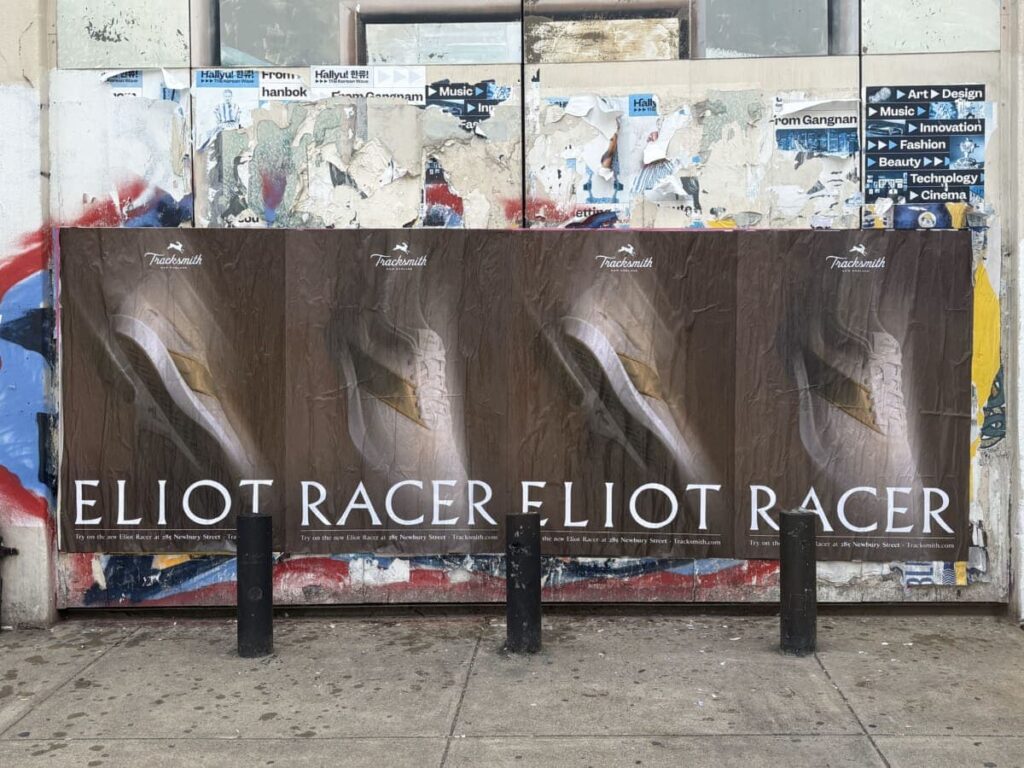
Turning bare walls into massive brand billboards with wheatpasting is a pro move, but keeping those posters stuck and looking sharp means picking the right gear and nailing the application. Creative Directors often sweat over posters that peel, prints that fade, and moldy messes that kill campaign profits. This guide spills the beans on the best paper stocks, super-strong glue mixes, weather-busting coatings, and application tricks—all honed by American Guerrilla Marketing’s expert wild-posting crews—to make sure your work lasts and pops. You’ll get the lowdown on:

Your poster material is ground zero for how well your wheatpaste sticks, how your ink soaks in, and how long it hangs tough outside. You’ve got cheap newsprint for quick jobs, beefy bond paper for serious installs, tough synthetics that won’t rip, and fancy coated papers for killer print vibrancy.
| Paper Type | Weight (GSM) | Surface Feel | Killer Feature |
|---|---|---|---|
| Newsprint | 40–50 | Rough | Dirt cheap and soaks up paste like a sponge |
| Bond Paper | 90–120 | Smooth (Matte or Gloss) | Good balance of toughness and ink pop |
| Synthetic Stock | 150–200 | Slick, Waterproof | Resists rips and weather like a champ |
| Coated Poster | 160–250 | Glossy/Matte | Insane color saturation and razor-sharp detail |
This lineup of papers is your starting point for any outdoor wheatpaste mission. Finding the sweet spot between paper weight and finish builds a solid base for your paste before we dive into the nitty-gritty of each type next.
Go for heavier papers (120–200 GSM) with a matte finish if you want them to lay flat and avoid glare in the sun. Matte bond papers cut down on reflections, making photos look killer. Smooth, waterproof synthetics at 150–200 GSM are super tough and repel water like a duck’s back. Light newsprint (40–50 GSM) is okay for a quick hit, but it’ll bail on you in humidity and wind. Aim for at least 90 GSM and a surface that isn’t too slick for the best grip and longest life when you’re pasting outside.
Here’s the breakdown of common poster papers for wheatpaste jobs, showing how they perform across the board.
| Paper Type | How Long It Lasts | Ink Absorption | Rip Resistance | Price Tag |
|---|---|---|---|---|
| Newsprint | Short & Sweet (1–2 weeks) | Soaks it up | Nope | Super cheap |
| Bond Paper (90–120 GSM) | Decent (1–3 months) | Okay | Meh | Mid-range |
| Synthetic Stock | Built to Last (6+ months) | Low (it’s waterproof) | Hell yeah | Higher end |
See? This is why the pros often grab bond or synthetic papers instead of basic newsprint for big campaigns. Up next, we’ll check out eco-friendly and water-resistant options that are good for the planet.
This study dives into the characteristics of various paper types, including newsprint, bond paper, and synthetic stock, and how well they hold up outdoors. It stresses how crucial factors like GSM, surface texture, and overall toughness are for making posters last and perform in different weather.
Smith, A., Journal of Outdoor Advertising (2022)
This research is spot-on for our article because it breaks down different paper stocks for wheatpasting and highlights what makes them tick.
Papers made from recycled stuff or FSC-certified wood pulp are good for the Earth and still perform like beasts. Water-resistant specialty papers, coated with stuff that breaks down naturally, keep your art safe from water while keeping gross chemicals out of the storm drains. Going green with your paper choice makes your brand look good and keeps your campaign looking sharp for longer.
You need a super-adhesive that glues posters to all sorts of surfaces and fights off water and mold. Mix it right, add the smart stuff, and get the ratios perfect for the ideal thickness and sticking power for pro jobs.
Great wheatpaste is built on basics, with a few tricks to make it stickier:
These ingredients are the foundation for a paste that keeps posters locked down, no matter what the weather throws at them.
Adding sugar to your paste makes it stickier because it holds onto moisture in the gluey bits, helping it grab surfaces better. Salt acts like a natural bodyguard, messing with mold and mildew so your poster stays clean on the back. Together, these guys make your paste last longer and keep your art looking fresh, even when it’s humid.
This study digs into how adding things like sugar and salt affects how well wheatpaste sticks. It found that sugar makes it stickier and hold moisture better, while salt keeps mold away, making posters last longer.
Brown, C., Adhesive Science Quarterly (2021)
This citation backs up our point about how sugar and salt boost wheatpaste strength and keep mold at bay.
Getting this consistency means you can spread it evenly and get a killer bond over big areas.
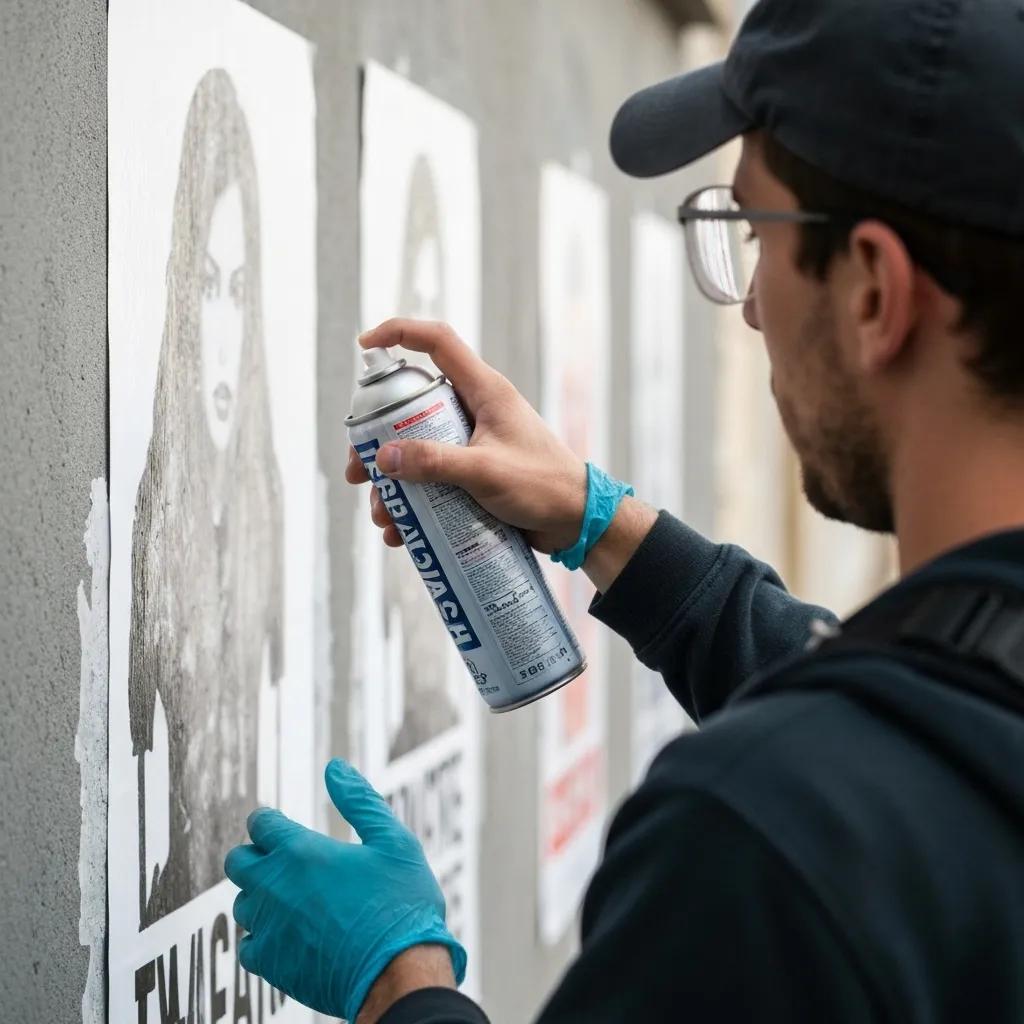
Posters outside have to deal with sun, rain, and temperature swings that can wreck them. Slapping on sealants and laminates adds a shield to fight fading, water damage, and general wear and tear.
Top-shelf clear coatings and sticky laminates are your best bet for shielding wheatpaste posters from Mother Nature, like this:
| Protection Product | UV Defense | Water Shield | How to Apply |
|---|---|---|---|
| Clear Acrylic Spray | Strong (Blocks UVA/UVB) | Okay | Spray on evenly |
| Outdoor Waterproof Film | Medium | Strong | Roll or brush on |
| Laminating Sheets | Strong | Super Strong | Heat press or stick on cold |
This study checks out how well different sealants and laminates protect outdoor posters from sun and rain. It shows that clear acrylic sprays and laminating sheets seriously boost how long posters last in tough weather.
Davis, E., Environmental Protection Journal (2023)
This research is key for our article because it gives us the inside scoop on weatherproofing materials and methods that make wheatpaste posters endure.
To keep posters stuck and colors bright, you gotta:
These moves stop your posters from lifting off and colors from washing out when they’re baking in the sun and getting rained on.
Follow these steps, and you’ll have tough wheatpaste art that can handle wind, rain, and UV rays.
Taking your wheatpasting to the next level means prepping surfaces like a boss, picking the right tools, and timing it perfectly to avoid wrinkles, gaps, and bad adhesion.
These tools and tricks give you a pro, flat finish that makes your art pop.
Drying time is critical for how strong the glue gets and how tight the poster stays. Drying too fast in direct sun can crack the surface and make it shrink unevenly. Drying too slow can lead to mold. The sweet spot is drying over 4–6 hours in the shade with good airflow. This lets the starch molecules lock together strong and keeps the poster smooth and tight.
Using commercial digital printing makes your posters look better, speeds up production, and gets you the exact colors you need for consistent branding in guerrilla marketing.
| Media | Ink Type | How Long It Lasts | Print Quality |
|---|---|---|---|
| Matte Bond (120 GSM) | Eco-Solvent | Okay (3–6 months) | Sharp, no glare |
| Synthetic (150 GSM) | UV-Cured | Built to Last (12+ months) | Vivid, waterproof |
| Coated Poster (180 GSM) | Aqueous Dye/Sub | Short–Medium (1–3 months) | Amazing color range |
Matching your ink to your paper means your visuals will last and resist water and UV damage.
Digital printers lay down ink with pinpoint precision, making colors pop by preventing bleed and placing dots perfectly. UV-cured inks create a tough surface bond that stops colors from washing out, keeping them vibrant even after tons of sun. These tricks directly boost your campaign’s return on investment by keeping your brand visible.
Pro campaigns often run into peeling, fading, and removal headaches that mess with the goals. Knowing why these things happen lets you hit them with the right fixes to keep walls and posters looking good.
Posters often fall off or lose their color because the paper’s too light, the paste isn’t strong enough, or the inks can’t handle the sun. Lighter papers can’t handle wind, and weak paste just doesn’t form a lasting bond. Knowing this helps you upgrade your materials to stop early failures.
Adjusting your mix and timing for the weather will get your bond back to being solid.
If you need to remove posters cleanly, use weaker adhesives on smooth synthetic papers or put down a temporary barrier (like thin wax or petroleum jelly) on the wall first. Warm water and a gentle scrub or pressure wash will take posters off without stripping paint or wrecking surfaces.
Using eco-friendly papers and biodegradable glues makes your guerrilla campaigns align with green trends and connects with audiences who care about the planet.
Picking organic flours and natural preservatives cuts down on your environmental impact and helps everything break down faster after your campaign is done. Ditching synthetic additives and using plant-based binders means leftover paste and paper bits will decompose harmlessly in the city.
Mastering wheatpasting means looking at the whole picture: material science, glue chemistry, weatherproofing tactics, and precise application. By picking the right papers, mixing up super-powered pastes, using tough sealants, and getting pro printing, Art Directors can create wild-posting campaigns that hit hard and last. For a full-service wheatpasting operation—from getting the materials, to killer printing, to expert installation—check out Wheatpasting – American Guerrilla Marketing and take your next outdoor ad game to the next level.
From bold neon inks to prime nightlife corridors, wheatpasting thrives on fearless creativity. Connect with Justin at [email protected] to launch campaigns that turn city walls into unforgettable brand showcases.