
October 25, 2023 Buying Billboard Advertising
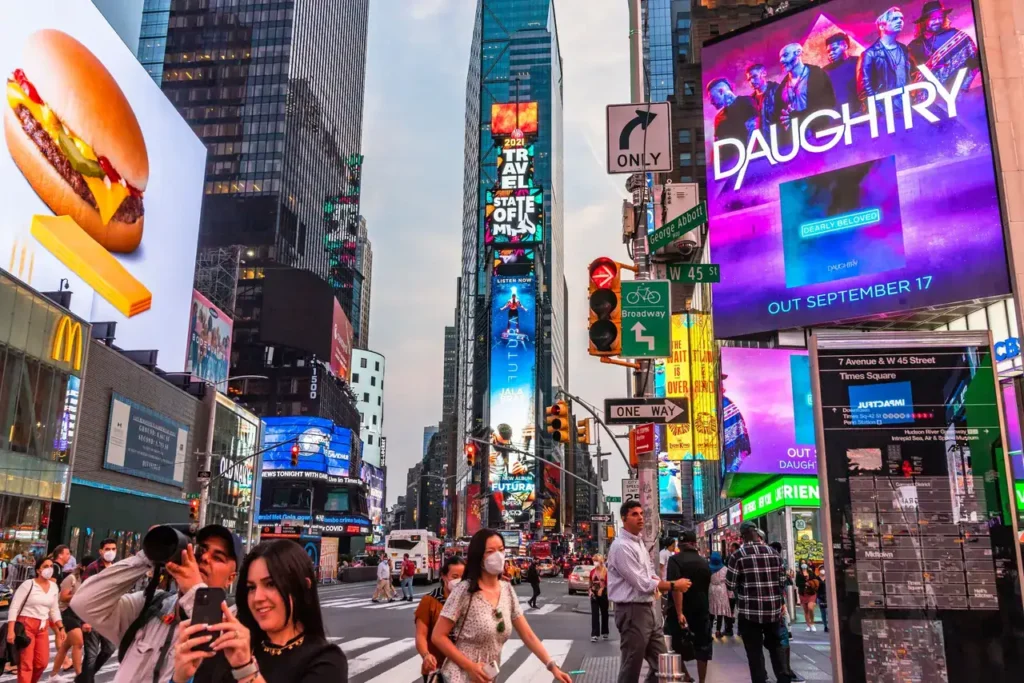
Understanding what is media buying and how it impacts innovative marketing can revolutionize your strategies, amplifying your brand visibility and boosting conversions.
Deciphering media buying may seem overwhelming, but it essentially involves purchasing advertising spots on various media platforms. It’s about investing wisely in spaces where your targeted audience will undoubtedly engage.
Media buying strategically deploys ads for maximum audience interaction, combining careful planning, negotiation, budget management, and optimization resulting in impactful advertisements.
Breaking down the complexity, the media buying process includes careful planning, negotiating, buying, and optimizing. All to ensure that your advertisements reach the right audience, at the right time, within your budget, for the most significant impact possible.
Media buying consists of paid advertising acquisition. As uncertain as it may sound, marketers invest in this strategy to secure advertising space across numerous channels.
In essence, media buying is all about negotiation and purchasing. The marketers acquire the most advantageous advertising slots at optimum prices, beating out their competition.
This strategic ad space procurement isn’t just random. The locations, the durations, their frequency—all meticulously planned, ensuring the marketing message meets its intended audience at the right time.
Marketers’ ultimate goal in media buying? Magnify their brand visibility, boost engagement, and rocket their conversion rates. A robust investment, indeed. Enhanced exposure, ultimately leading to an enhanced ROI.
In a nutshell, media buying involves identifying the optimal media channels for your brand’s advertising, negotiating rates, and securing ad spaces. This can pertain to billboards, TV, print media, or even digital platforms like Google and Facebook.
The backbone of the media buying process rests on thorough research, careful planning and strategic execution. It considers various factors like audience metrics, data insights, ad placements, scheduling, and budget allocation to assure the most effective reach and impact.
Recognizing the objectives and strategies behind media buying lays a stable foundation for your marketing efforts. It essentially means discerning your marketing goals and figuring out strategies to achieve them through media buying.
In media buying, the target audience holds a critical role. They define the direction and substance of your media campaign, essentially shaping your decisions on what, when, and where to buy.
Failing to fully understand your target audience could mean misdirected efforts and wasted resources. It’s akin to shooting arrows in the dark, where you’re banking on luck, not strategy.
Conversely, possessing in-depth knowledge of your audience can lead to tailored media plans. Here, each initiative is designed with the audience’s preferences, behavioral patterns, and media consumption in mind.
Ultimately, media buying is a game of precision. It’s about knowing who to reach, creating messages that resonate, and deploying these at the right time and through the right channels.
Media channels are the heart of media buying, providing platforms where you can communicate your message to your target demographic. Whether it’s traditional or digital, recognizing the variety and potential of these channels is crucial for an effective media buying strategy.
Despite the surge in digital communications, traditional media channels continue to hold significant sway, primarily due to their broad reach and tactile interaction. These channels, often considered as ‘old media’, play a crucial role in a comprehensive media buying strategy.
Digital media channels revolutionize media buying, facilitating precise targeting, comprehensive tracking, and real-time data analytics. The essence of these channels lies in their ability to amplify marketing efforts, driving higher engagement and conversion rates.

In a symbiotic relationship, media buying fuels marketing, enhancing visibility and reach while upending conventions. Marketing, in turn, informs media buying – setting strategies, establishing goals non-conventionally, and guiding budget and media choice decisions. Thus, an innovative approach to media buying can distinguish a brand, keeping it top of mind for the target audience.
Media buying, when done correctly, amplifies marketing effectiveness. It carves out market niches, making impactful impressions, and recalls a brand to the target audience’s mind. It enhances brand recognition, generates quality leads and conversions, and ensures a healthy return on investment, making it an instrumental tool in the marketing mix.
Media Buying dramatically amplifies brand reach and visibility. Engaging this strategy involves purchasing ad spaces in selected media channels, magnifying your brand’s exposure to a broader market.
This strategy proves to be beneficial in reaching out to wider audiences, extending far beyond your current customer base. Strategic Media Buying catapults your brand’s message and offerings to new, untapped markets.
Imagine your brand amplified across radios, billboards, social platforms, and podcasts. The extent of your reach is only limited by the constraints of your chosen media.
Consider the combined reach of digital and traditional platforms. The synergy created by these channels in a media buying strategy sends your brand soaring across all corners of your market.
It is a cost-effective tactic too. With careful planning and strategic targeting, Media Buying optimizes your marketing spending for maximum visibility, making every penny count in reaching the masses.
Targeting and Segmentation: the unsung heroes of Media Buying. Utilizing these strategies lets your message find those most likely to convert, ensuring your ad spend is used efficiently.
Audience segmentation unlocks precision in your Media Buying process. By identifying and focusing on specific demographics, you’re better poised to craft influential narratives that resonate with your audience.
Media buying has reshaped the landscape of brand awareness. It’s the lever companies pull to ramp up their exposure in selected markets, sparking a domino effect in growing consumer awareness. By investing in ad space across different channels, your brand’s visibility skyrockets.
Media buying isn’t a one-size-fits-all strategy. Your unique imprint is tailored to each platform, channel, and audience, resulting in a widespread yet detailed recognition. It’s like customizing your brand’s white noise into well-orchestrated symphony playing on every frequency.
Digital billboards, social media ads, radio spots, by disseminating brand messages through a tactical blend of these, media buying enhances your brand’s omnipresence. It’s not about being louder, but being everywhere, subtly inculcating the brand into the consumer’s lifestyle.
A creatively strategized media buying campaign can shape perceptions about your brand, breathe new life into your image, and create a lasting, favorable impression. Hence, media buying is no longer OPTIONAL; it’s ESSENTIAL for enhanced brand visibility and recall.
The caliber of media buying lies in its knack for establishing recognition that goes beyond ‘name and logo’. Common conversations, trending hashtags, referential humor- your brand becomes a part of society’s lexicon. It is THERE, it is KNOWN, and it RESONATES.
Capitalizing on strategic media buys can act like fuel to your sales funnel, enhancing lead generation and upgrading the conversion rate. As a cornerstone of top-tier marketing, it crafts a path for potential customers to follow.
Media buying serves as a vital bridge, effectively connecting prospects with the right products or services. It harnesses the raw power of marketing’s secret weapon – compelling, personalized messaging, nudging prospects to become loyal customers.
Through innovation, media buying provides a reliable means of monetizing your marketing efforts. It involves astute planning and buying power to yield significant returns and overall ROI, cementing its status as a core business strategy.
Media buying transcends the sphere of mere costs. It plays an integral role in fueling your revenue and discernible returns on investment, empowering businesses to maximize their financial resources while reaping the fruits of their marketing efforts.
Investing in media buying isn’t just about pumping money into marketing. By choosing the right platforms, reaching the targeted audience, and measuring the impact, you set the stage for increased revenue, superior ROI, and sustainable business growth.
Mastering the art of media buying is a game-changer in marketing. This journey begins by establishing clear goals tailored to your business. These objectives could range from generating leads, enhancing brand recognition, to increasing market visibility.
Successful media buying rests on key industry practices. Extensive research reveals accurate insights into your target audience, aiding in effective message delivery. Synchronizing this with a well-rounded budgeting plan sets you on a path toward a successful media buying adventure.
Engagement and reach goals fuel media buying, optimizing placement and timing. Buyer expertise aligns with key points in customer journeys, increasing interaction likelihood. Well-timed ads generate engagement; audience exposure expands, nurturing brand and customer relationships.
In marketing, goals guide the journey, effecting media buying success. This roadmap details strategy, parameters and desired outcomes, paving routes for your campaigns. A goal-centered approach ensures precision while nurturing tangible connections between a brand’s message and its audience.
Media buying’s impact amplifies when tethered to clear goals. Metrics give visibility into the campaign’s progress, empowering adjustments in real-time, optimizing marketing success. Predictable outcomes hinge on defining and prioritizing objectives that echo with your audience.
Budget formulation is vital, yet, it must leverage goals. A clearly defined budget signifies intent, relays seriousness, and impels action. It’s a compass for media buying strategy, guiding towards channels promising highest ROI, measured against your unique metrics.
In-depth research unveils high performing media platforms. By scrutinizing data on platform reach, engagement, and audience demographics, companies can optimize their media buy.
Implications of a research-driven approach to media buying are significant. It supports not only the selection of the best platform but also fine tuning of the ad content to match audience interest.
The power of rich, data-generated insights cannot be overstated in understanding potential value of different media platforms. Hence, companies should place research at its forefront for effective media buying.
Prioritizing research in the media buying process allows for smarter decisions that yield optimal results, by providing crucial information on where, when, and how to display ads.
Omitting budget planning jeopardizes the potential of media buying. The assignment of funds to the right channels, at the perfect time, directly impacts the success rate in achieving marketing goals. It is, therefore, a necessity in media buying. Budget allocation plays an instrumental role in maximizing the benefits derived from media buying. Ensuring you instill adequate funds into the most effective media channels can generate outstanding results, strengthening your marketing outcome. A shrewd estimation of budget, understanding the cost-benefit analysis of each media channel, and properly allocating resources could mean the difference between a successful marketing campaign and a wasted opportunity. Thus, a budget is the backbone of effective media buying.
Telegram: @americanguerillamarketing
Sign up to get blog posts here