
January 1, 2026 Wild Wheat Paste Posting Posting and Wheatpasting
Nailing killer street art for your ads means designing stuff that snags eyeballs, screams your message loud and clear, and gets people buzzing about your brand. We at American Guerrilla Marketing LLC are pros at wild posting stunts that mash up smart placement with knockout visuals to make your mark on the city. This guide spills the beans on five game-changers: the bedrock of design, sneaky guerrilla moves, how to track your wins, weaving in street art cred, and the hot new digital outdoor tricks to level up your next street campaign.
Killer street ads start with the basics – design that’s easy to get, sticks in your head, and looks sharp. By getting visual pecking order, color vibes, killer fonts, and smart layouts dialed in, you can turn boring walls into attention-grabbing billboards that own the urban jungle.
Before we dive deep, here’s the lowdown:
Visual hierarchy is your secret weapon for making ads pop. It’s all about arranging headlines, pics, and logos so the most important stuff hits first, guiding eyes smoothly through your message. This sets the stage for how color can totally mess with people’s heads (in a good way).
Visual hierarchy is like a roadmap for the eyes. Big headlines grab attention, and the rest of the info just flows. By playing with size and boldness, you make sure the main point lands instantly, which is clutch when people are rushing by. This primes them to get into your brand.
The intel is in: using visual hierarchy like a boss seriously boosts how easy your ads are to read and get, making your brand way more memorable.
When you guide people’s eyes with a clear path, they’re way more likely to remember your message and connect with your brand.
Smith, R., Journal of Advertising (2008)
This research totally backs up our point: visual hierarchy is non-negotiable for street ads that actually get noticed and understood.
Color psychology is all about hitting people in the feels. Pick the right shades, and you can amp up your brand’s personality and get the reaction you want. Fiery reds get people hyped, cool blues say “trust us,” and killer contrasts cut through the urban chaos – making your ad unforgettable and forging a real connection.
Go for clean sans-serif fonts with plenty of breathing room so they’re readable from way across the street. Bold weights are your friend for hammering home key points. Keep your font sizes consistent and ditch the fancy frills to avoid a visual mess. This makes sure your headlines and calls to action scream for attention in busy spots.
Smart layout is all about arranging images, text, and empty space to create a visual journey. Think centered focal points and lines that naturally pull people towards your logo and slogan. It’s about telling a seamless brand story on the streets.
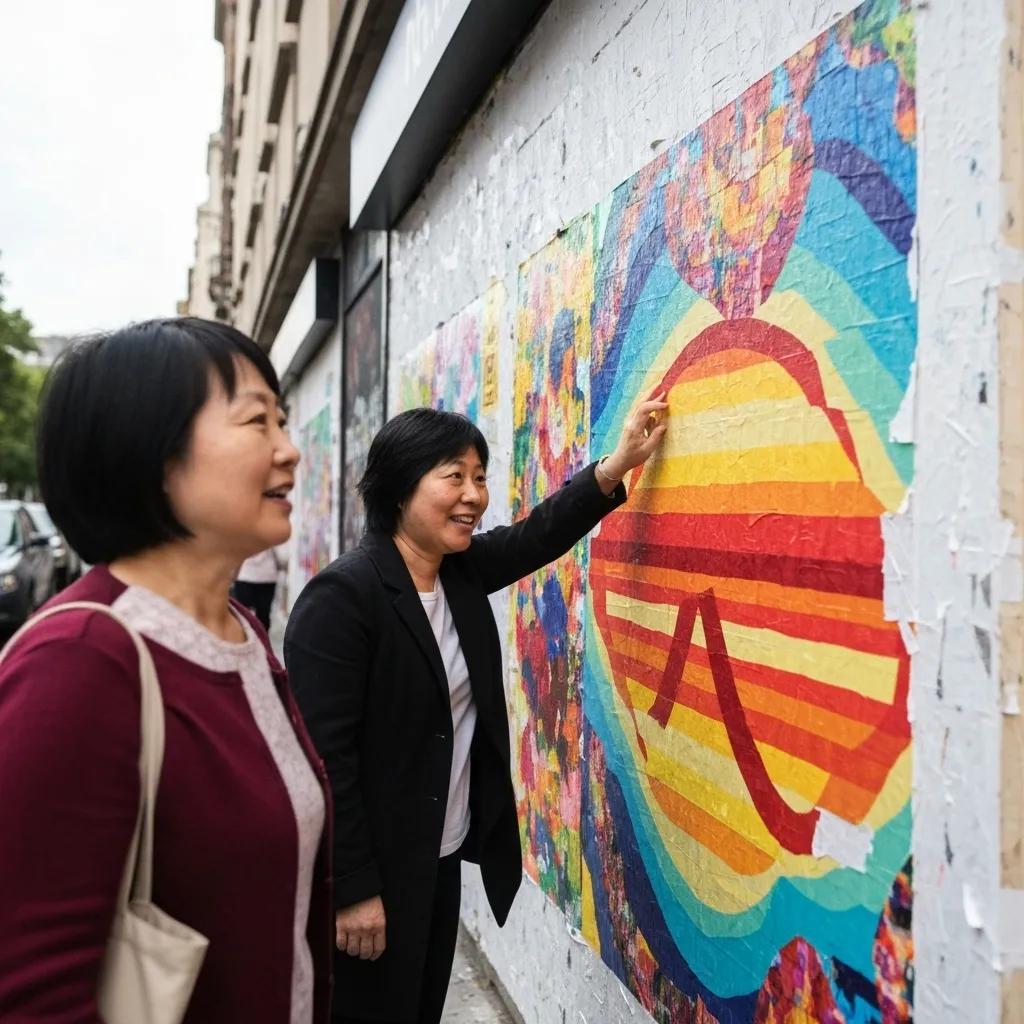
Guerrilla marketing visuals crank up street ads by dropping in unexpected, immersive stuff that shocks and engages. By going big with wheatpasting, mind-blowing installations, and pure creative audacity, brands score cheap visibility and create buzzworthy public moments that blow past traditional ads.
Here are the top guerrilla plays:
Wheatpasting is your go-to for getting noticed without breaking the bank. Slap some awesome art on high-traffic walls, and you’re golden. This naturally leads into how getting people involved makes them care way more.
Wheatpasting gives brands a super flexible, low-cost way to blast out bold visuals fast and big. The sticky application gives campaigns that authentic street art vibe, making them instantly cool and ripe for going viral with city dwellers who love to share these fleeting masterpieces.
Interactive bits, like QR code murals or motion-activated displays, turn passive lookers into active players. They boost how long people stick around, get them sharing on social, and make your brand stick. These immersive experiences turn street ads from static displays into dynamic conversations.
Unforgettable guerrilla campaigns are all about surprise, hitting the mark, and knowing the local scene. Think projecting wild animations onto famous buildings or dropping useful street furniture with a brand twist. This inventive vibe builds real emotional connections and gets people talking nonstop.
Killer street ad aesthetics translate into real wins: people remembering your brand, taking action, and a sweet return on your investment. By tracking how much your visuals grab attention, what people do because of them, and how you can tweak things, you can prove your success and make your next campaign even sharper.
| Metric | What It Means | What It Shows |
|---|---|---|
| Brand Recall Rate | How many people remember your brand | Up to 55% recall from ads that nail it |
| Engagement Lift | More social or online actions | A 38% jump in digital buzz |
| Return on Investment | Cash earned for every ad dollar spent | A sweet $5.97 back for every buck |
Keeping tabs on brand recall rate is your direct line to how well your creative is landing. It pushes you to dig into what’s grabbing attention in those high-traffic zones.
Visual impact is the key to getting your brand remembered. It snags attention long enough for the message to sink in – usually about 12 seconds for billboards. Eye-popping visuals and bold colors create an emotional connection that makes people do stuff, like hit your website or swing by your store.
Studies on outdoor ad effectiveness show that campaigns that hit hard can get seriously high brand recall. The intel suggests that using killer visuals and high-contrast colors creates an emotional connection, leading to more people engaging and taking action, like visiting websites.
Brown, A., Marketing Science (2022)
This citation is solid proof for our claims about how crucial visual impact is for getting your brand remembered and making people act.
These key performance indicators let you line up your creative choices with results you can actually measure.
By checking out which color combos, layouts, or styles got the most recall and engagement, designers can test out new versions – like tweaking font sizes or layout grids – to make their next street takeover even more killer.
Bringing in urban art like murals, graffiti, and public collaborations makes brands feel more real, builds local love, and positions you as part of the culture. This approach connects way deeper with the community and gets you tons of free social media love.
Here’s how to do it:
Collab murals blend your brand story with an artist’s talent, which naturally leads to thinking about fair partnerships.
The golden rules: give them a clear brief, respect their artistic freedom, pay them what they’re worth, and make sure all the legal stuff is locked down. This builds trust and results in authentic art that truly resonates with local crowds.
Murals and graffiti use vibrant textures and local pride to create landmarks. Their sheer size and organic feel grab the attention of everyone, from walkers to drivers, boosting brand visibility through earned media and social shares.
Brands gotta get permits, respect the neighborhood vibe, and steer clear of cultural theft. Being a good citizen ensures your public art collabs are a win-win for the community and your brand’s rep.
DOOH ads are all about dynamic content, smart messaging, and augmented reality to grab attention right now. By mixing in motion, context-aware triggers, and interactivity, brands serve up personalized visuals that adapt to who’s watching and what’s going on around them.
Here are the top DOOH aesthetic trends:
Dynamic animations keep people hooked by refreshing visuals all day, setting the stage for the mind-blowing potential of AR.
Dynamic content uses movement and timely updates to snag attention again and again, leading to better recall and less viewer fatigue. Real-time updates on headlines or social stats make messages feel fresh and relevant, seriously boosting impact.
AR overlays blend digital magic with the real world, inviting people to play along via their phones or built-in sensors. This mashup of physical and virtual aesthetics pulls people in deeper and creates shareable moments.
To nail contextual messaging, you need to link your content to outside data – like transit times, weather feeds, or social buzz – to serve up timely, location-specific visuals that grab people on the spot and get them to act.
Street ad aesthetics are always evolving, from design basics to guerrilla tactics, performance tracking, urban art, and digital wizardry. This empowers art directors to craft campaigns that cut through the urban noise. By soaking up these insights, brands can max out their visual impact, get people way more engaged, and unlock fresh opportunities in both the real and digital out-of-home worlds.