
April 6, 2023 Buying Billboard Advertising, Content Creation
Virtual reality (VR) and augmented reality (AR) are revolutionizing the way we interact with the world around us. Revolutionizing Reality: VR and AR at the Forefront, these technologies are now being used across many industries, including advertising. They are no longer limited to games and entertainment. When combined with out-of-home (OOH) ads, VR and AR offer customers fully immersive and realistic experiences. In this article, we’ll explore how these technologies can elevate and transform outdoor advertising.

A type of advertising known as out-of-home (OOH) marketing focuses on customers who are constantly moving. This kind of advertising can be found on signs, bus stops, digital displays, and other public areas and is intended to contact consumers when they are away from their residences.
One benefit of OOH advertising is that it can reach a large number of people in a certain area or group. Brands can improve their exposure and develop brand recognition by carefully placing advertisements in high-traffic locations. OOH advertising can also be less costly than other forms of promotion, making it a cost-effective method to spark interest in a good or service.
The adaptability of OOH advertising is another benefit. Brands can make ads that catch people’s attention and get their attention in a number of ways. The options for OOH ads range from straightforward signs to engaging digital screens.
OOH advertising is a potent instrument for raising brand recognition and sparking interest in a good or service, to put it briefly. Brands can successfully reach a large audience and meet their marketing objectives by focusing on customers who are on the go and using innovative and attention-grabbing advertisements.

Even though the idea of virtual reality has been around for a long time, technology has only just started to catch up with it. Revolutionizing Reality: VR and AR at the Forefront, simulated reality has gained popularity in the gaming industry by allowing players to fully immerse themselves in a virtual world. It has also made significant strides in other fields, such as education, where students can perform complex procedures in a controlled environment or take virtual field trips that enhance learning in powerful new ways.
One of VR’s main advantages is its capacity to produce a feeling of presence, where users believe they are physically present in the virtual world. This is made possible with the help of real-time motion tracking, 3D images, music, and motion sensors. VR lets people interact with the world in a way that isn’t possible with regular displays. They can use hand-held tools or movements to talk to the world.
VR has become a well-liked instrument for instruction in fields like flight, healthcare, and production, in addition to entertainment and education. Pilots can be trained in a variety of situations using VR models; medical personnel can practice procedures; and industrial employees can practice risky tasks in a secure environment. VR can help users practice in a virtual environment, which can help them make mistakes and increase their safety in actual circumstances.

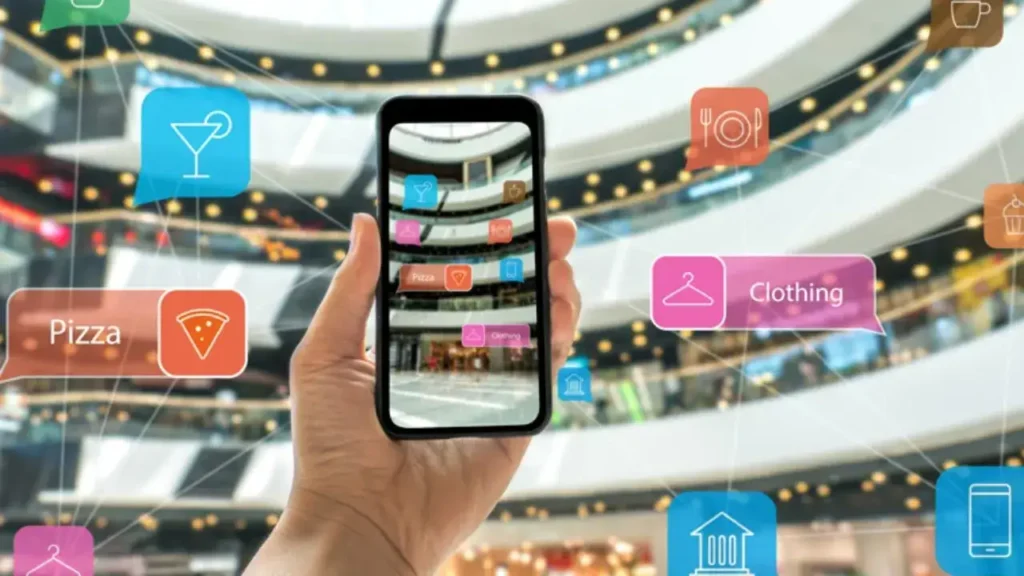
Augmented reality (AR) is a revolutionary technology that has been gaining momentum in recent years. AR can place digital information on top of the real world, giving users a more immersive and interactive experience. This technology typically involves using a mobile device to scan a real-world object or environment and then displaying digital information on top of it.
AR can be used in a variety of ways to enhance user experiences. For example, it can be used to provide additional information about products or services. Imagine walking through a store and being able to scan a product with your smartphone to see its features, price, and customer reviews superimposed on top of the product. AR can also be used in the travel industry to provide users with virtual tours of destinations before they book their trips, or in the education industry to create interactive learning experiences.
In addition to its practical applications, AR has also been used for entertainment purposes. AR games, such as Pokemon Go, have become incredibly popular and have shown the potential of this technology to create engaging and immersive experiences.
Overall, AR is a technology that has the potential to change the way we interact with the world around us. Its ability to overlay digital information onto the real world opens up a world of possibilities for enhancing user experiences and creating new forms of entertainment and education.
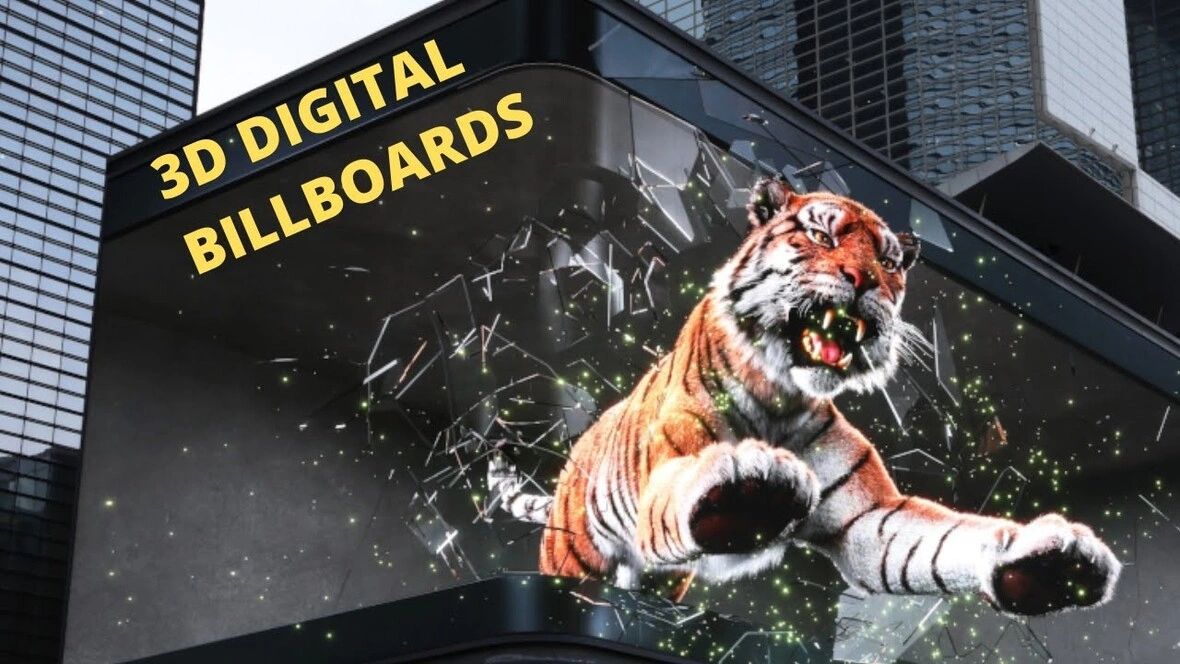
Out-of-home (OOH) advertising could change a lot with the help of virtual reality (VR) and augmented reality (AR). By providing a fully immersive experience, these technologies can engage consumers like never before.
For instance, imagine an OOH ad for a new car model that uses VR technology to allow potential buyers to virtually see and experience the interior and exterior features of the vehicle. This would give consumers a taste of what it would be like to own the car and could help them make a more informed purchase decision. Similarly, an OOH ad for a new clothing line could be enhanced with AR technology that lets consumers virtually try on different outfits, allowing them to see what they look like before making a purchase.
Furthermore, VR and AR can be used to gamify OOH advertising, adding an element of fun and interactivity. For example, an OOH ad for a new video game could use VR technology to let consumers play a short demo of the game, giving them a taste of the action and making them more likely to buy the full version. Or, an OOH ad for a new ride at an amusement park could be made better with augmented reality (AR) technology. This would let people see a digital version of the ride in real time, making them more excited to go to the park.
In conclusion, Revolutionizing Reality: VR and AR at the Forefront highlights the immense potential of these technologies to transform how people engage with OOH ads. By offering fresh, interactive ways to connect with brands and products, VR and AR are reshaping the advertising landscape. As they continue to evolve, we can expect to see even more inventive and immersive applications in out-of-home advertising.

Telegram: @americanguerillamarketing