
August 14, 2023 Bar and Restaurant Advertising

Advertising billboards have a significant impact on brand awareness and exposure.Advertising billboards have long been a powerful medium for reaching and engaging with target audiences. In this blog post, we will explore the impact of advertising billboards, how to choose the right location for maximum exposure, tips on designing effective billboard ads, and ways to measure the success of your billboard campaigns. Additionally, we will delve into the future of advertising billboards and their evolving role in an increasingly digital world. Let’s dive in!
Advertising billboards have a significant impact on brand awareness and exposure. With their large size and strategic placement in high-traffic areas, billboards effectively reach a vast audience, increasing the visibility of products or services. Additionally, these eye-catching displays capture attention and leave a lasting impression on potential customers, making them an effective tool for building brand recognition.
In addition to raising brand awareness, advertising billboards also play a crucial role in delivering clear messages to consumers. Through concise yet impactful visuals and slogans, billboards communicate key information about products or promotions efficiently. This direct approach ensures that the intended message is conveyed effectively to the target audience without getting lost in other media noise.
Expanding your brand’s reach to a larger audience is crucial for increasing brand awareness. Utilizing advertising billboards allows you to target specific locations and demographics, ensuring that your message reaches the right people at the right time. By strategically placing billboards in high-traffic areas, you can maximize exposure and attract potential customers.
Billboards are a powerful tool for increasing brand awareness by reaching the right audience, leaving a lasting impression with captivating designs and establishing trust within the local community.
Creating memorable visual representations of your brand is another effective way to increase awareness. Eye-catching designs and captivating imagery on billboards can leave a lasting impression on viewers, making them more likely to remember your brand when they need products or services that you offer.
Establishing a recognizable presence in the community through billboard advertising helps build trust and familiarity with consumers. When they see your ad consistently displayed throughout their daily routines, it reinforces your credibility as a reputable business within their local area.
Overall, incorporating advertising billboards into your marketing strategy is an impactful method of increasing brand awareness by expanding reach, creating memorable visuals, and establishing a recognizable presence in the community.
Using bold colors and captivating imagery can instantly grab the attention of viewers. When designing an advertising billboard, incorporating eye-catching visuals is crucial to make your message stand out among the competition. Additionally, leveraging clever slogans or taglines can pique curiosity and leave a lasting impression on passersby. By creating interactive elements within your ad, such as QR codes or touchscreens, you can engage viewers in a unique and memorable way.
Utilizing unique and creative designs that stand out from competitors is key to creating a lasting impression with advertising billboards. By implementing strategic placement in high-traffic areas, these billboards have the potential to reach a wide audience and make a strong impact on viewers. Incorporating emotional appeals or storytelling techniques within the design can further enhance the effectiveness of the ad, captivating audiences and leaving a lasting impression in their minds.
Simplifying the content on an advertising billboard is crucial for delivering a clear message. By using concise text and minimizing distractions, viewers can quickly grasp the main idea without getting overwhelmed. Additionally, using eye-catching fonts ensures that the message is easily readable from afar, capturing attention even in a fast-paced media environment.
Including relevant contact information or calls-to-action further enhances the effectiveness of an ad on a billboard. Interested viewers should have access to ways they can engage with your brand or product immediately after seeing the advertisement. This facilitates seamless communication and increases the chances of converting interest into action.

Choosing the right location for your advertising billboard is crucial for reaching your target audience and maximizing the impact of your message.
Choosing the right location for your advertising billboard is crucial for reaching your target audience and maximizing the impact of your message. Understanding who your audience is and where they are likely to be can help you select the most effective placement. Identifying high-traffic areas, such as busy intersections or popular shopping districts, can ensure that your billboard gets maximum exposure to potential customers. Additionally, it’s important to consider local regulations regarding signage size, placement, and content to avoid any legal issues or fines. By carefully selecting the right location for your advertising billboard, you can increase brand visibility and attract more customers effectively.
Demographic profiling involves gathering information about the characteristics and traits of your target audience. This includes factors such as age, gender, income level, education, and location. By understanding these demographics, you can tailor your advertising billboard to resonate with specific groups.
Psychographic analysis goes beyond demographics by delving into the values, attitudes, interests, and lifestyles of your target audience. This helps you connect with them on a deeper level by appealing to their desires and motivations.
Market research is essential for gaining insights into consumer behavior and preferences. By conducting thorough market research, you can identify trends in purchasing habits or popular areas where your target audience frequents.
Permit requirements and the application process for advertising billboards should be thoroughly understood before initiating any campaign. Familiarize yourself with the specific regulations of each municipality to ensure compliance and avoid potential fines or legal complications. Additionally, take into account zoning restrictions that may impact where billboards can be placed, as well as signage regulations that dictate size, design, and lighting specifications.
It is important to consider “clean city” initiatives when planning your billboard advertisements. Many cities have implemented measures to maintain a visually appealing environment by limiting the number of billboards allowed in certain areas. Be aware of these limitations and strategically choose locations where your message will have maximum impact while adhering to local guidelines.
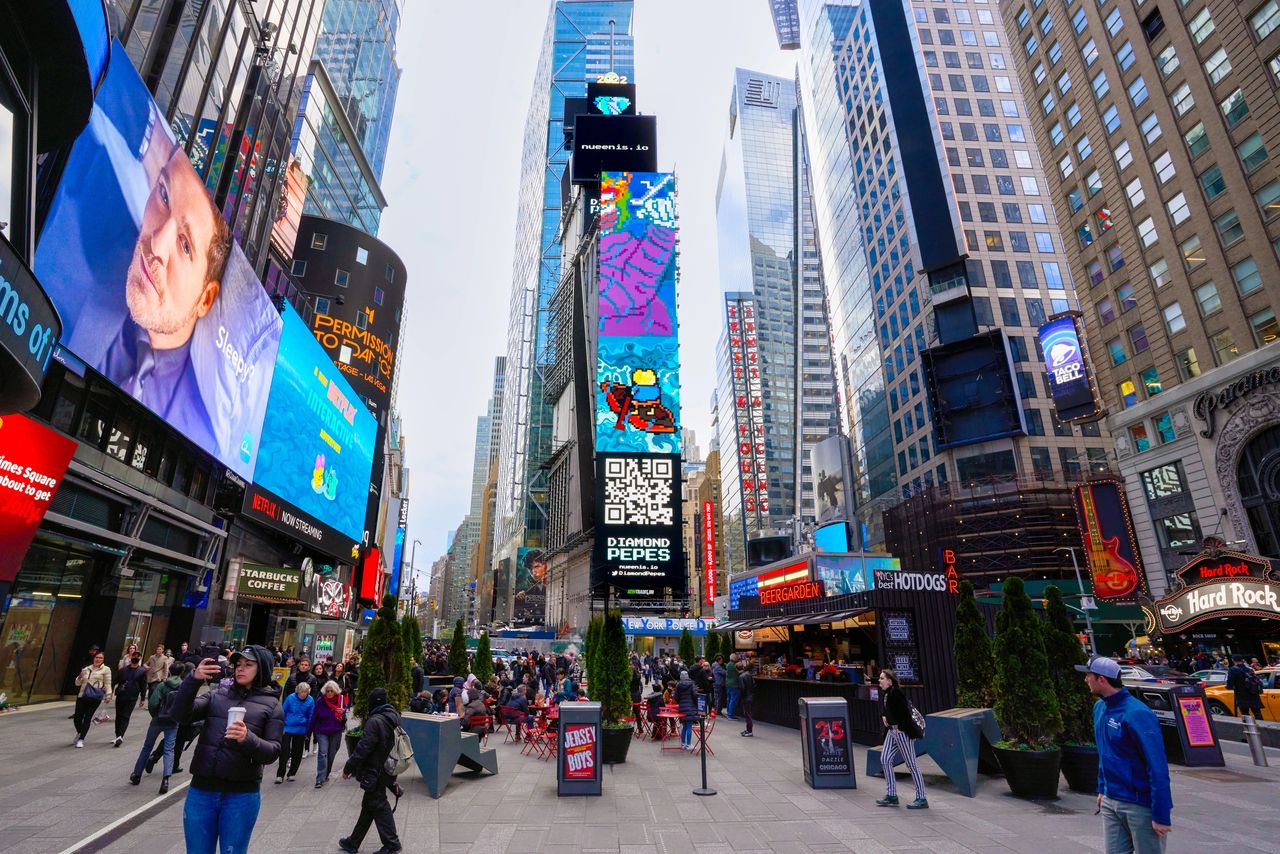
Designing effective billboard ads requires careful attention to detail and a deep understanding of your target audience.
Designing effective billboard ads requires careful attention to detail and a deep understanding of your target audience. Simplicity is key, as billboards have limited space for messaging. Using bold colors and graphics can capture viewers’ attention and make your ad stand out among the clutter. Including a strong call-to-action motivates potential customers to take action after seeing your advertisement. Finally, optimizing readability ensures that your message is easily understood at a quick glance. By implementing these strategies, you can maximize the impact of your advertising billboard and effectively reach your target audience.
Clear and concise messaging:
Minimal use of text:
One main focal point:
Using these principles, you can create advertising billboards that effectively communicate your message in a simple yet impactful way.
Eye-catching color schemes can make all the difference in capturing your audience’s attention with advertising billboards. Using vibrant and bold colors that contrast well together will ensure that your message doesn’t go unnoticed. Additionally, incorporating high-resolution images or illustrations into your design will further enhance the visual impact and help create a memorable impression on passersby.
To make your billboard truly stand out, consider using contrasting elements. Pairing complementary colors or combining different graphic styles can add depth and intrigue to the overall composition. By utilizing these contrasting elements strategically, you can create a visually captivating billboard that commands attention and leaves a lasting impression on potential customers.
Use actionable language to drive immediate action. Encourage your audience to “Buy now” or “Call today” for a sense of urgency. Don’t forget to direct them to visit our website or follow us on social media for more information and updates.
Choose easily legible fonts to ensure maximum readability on your advertising billboard. Opt for sans-serif fonts like Arial or Helvetica, which are clean and easy to read from a distance. Additionally, make sure the font size is sufficient for distance viewing so that passersby can easily grasp your message without straining their eyes. Avoid cluttered design elements that hamper readability by keeping the layout clean and organized, allowing viewers to quickly absorb the information you’re conveying.
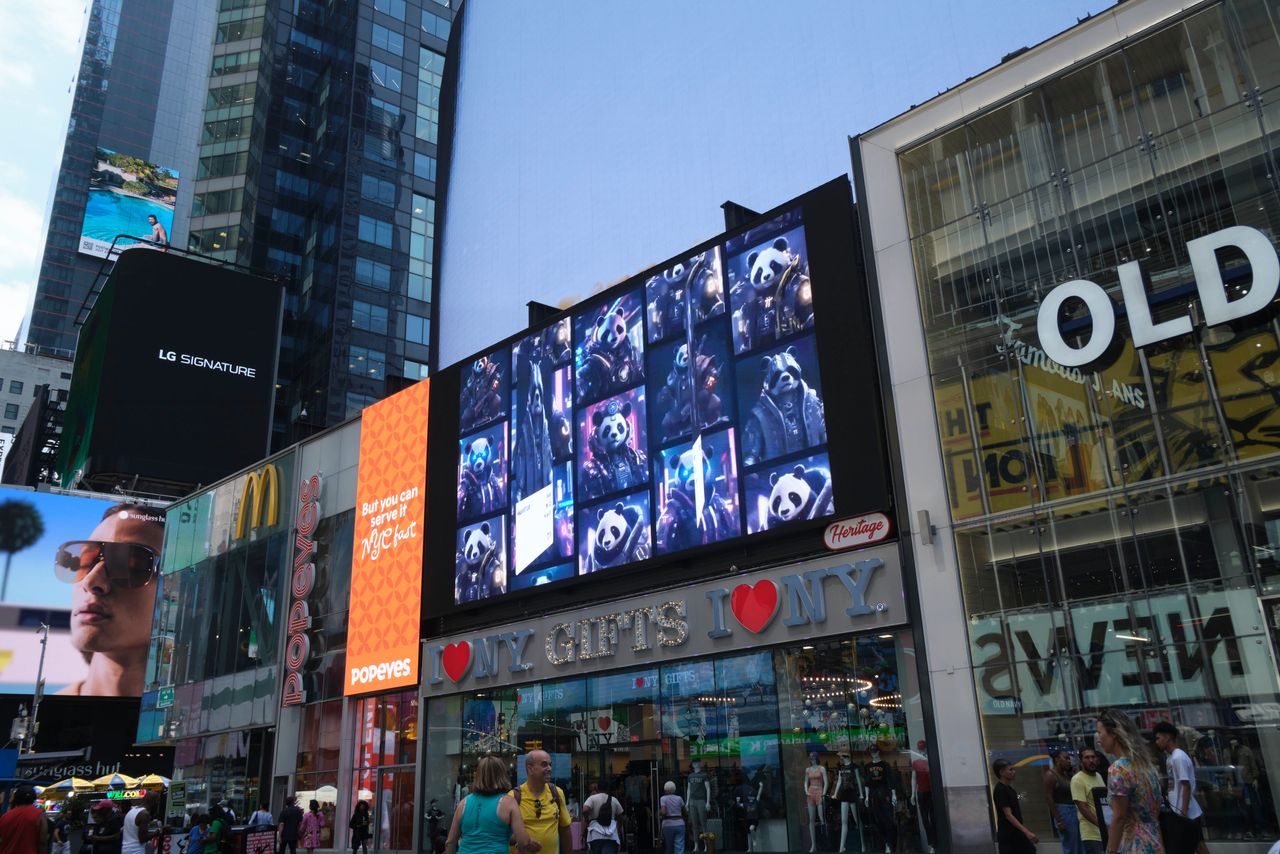
Measuring the success of billboard campaigns is crucial for advertisers looking to make informed decisions on their marketing strategies.
Measuring the success of billboard campaigns is crucial for advertisers looking to make informed decisions on their marketing strategies. Tracking brand awareness gives valuable insights into how well a campaign resonates with the target audience, allowing adjustments to be made if necessary. Additionally, measuring the increase in sales directly attributed to the billboard campaign provides concrete evidence of its effectiveness and helps justify advertising expenditures.
Surveys and focus groups provide valuable insights into brand recall, allowing businesses to gather direct feedback from target audiences. This helps in understanding how well the brand is recognized and remembered by consumers.
Monitoring social media mentions and analyzing sentiment provides real-time information on how your brand is being discussed online. By tracking conversations, businesses can identify positive or negative sentiments associated with their brand, helping them tailor their marketing strategies accordingly.
Tracking website traffic and search engine visibility allows businesses to gauge the effectiveness of their advertising efforts. By monitoring website visits and search engine rankings, companies can measure the level of awareness generated through their advertising billboards.
In summary: Surveys and focus groups help gauge brand recall; Social media monitoring tracks mentions and sentiment; Website traffic analysis measures effectiveness of billboard ads
Analyzing sales data is crucial for measuring the increase in sales before, during, and after a billboard campaign. By comparing the numbers from different periods, we can identify any significant growth or decline that can be attributed to the advertising efforts. Additionally, implementing unique discount codes or tracking URLs specifically for billboard promotions allows us to directly link customer purchases to billboard exposure, providing concrete evidence of their impact on sales.
To gain deeper insights into how billboards influence purchase decisions, conducting customer surveys is essential. These surveys allow us to gather valuable feedback and understand customers’ perceptions and attitudes towards the brand after being exposed to billboards. Such information helps measure the effectiveness of billboards in driving conversions and aids in making informed marketing decisions moving forward.
Tracking customer interactions with billboards has become easier and more efficient thanks to the use of QR codes or mobile apps. By incorporating these technologies into billboard advertising, businesses can gain valuable insights into customer engagement levels. Additionally, monitoring metrics such as views, clicks, or shares on digital billboards provides a clear picture of how well the advertisement is resonating with the target audience. Lastly, collecting user-generated content related to billboards through photos or videos allows businesses to leverage authentic customer experiences for further brand promotion.
Calculating the cost per impression (CPI) is crucial in analyzing the return on investment for billboard advertising. By considering both the reach of the billboard and the duration of the campaign, businesses can determine how many potential viewers were exposed to their message during a specific time period, allowing them to accurately assess their CPI.
Analyzing conversion rates from billboard viewers to customers provides valuable insights into the effectiveness of this form of advertising. By tracking how many individuals who saw a billboard actually became paying customers, businesses can gauge whether their investment in billboards is translating into tangible results and driving sales.
Assessing the long-term impact of billboards goes beyond immediate conversions by considering customer lifetime value (CLV). Understanding how much revenue each customer will generate over their lifetime allows businesses to evaluate if billboards are not only attracting new customers but also fostering repeat business, ultimately maximizing ROI in terms of long-term profitability.
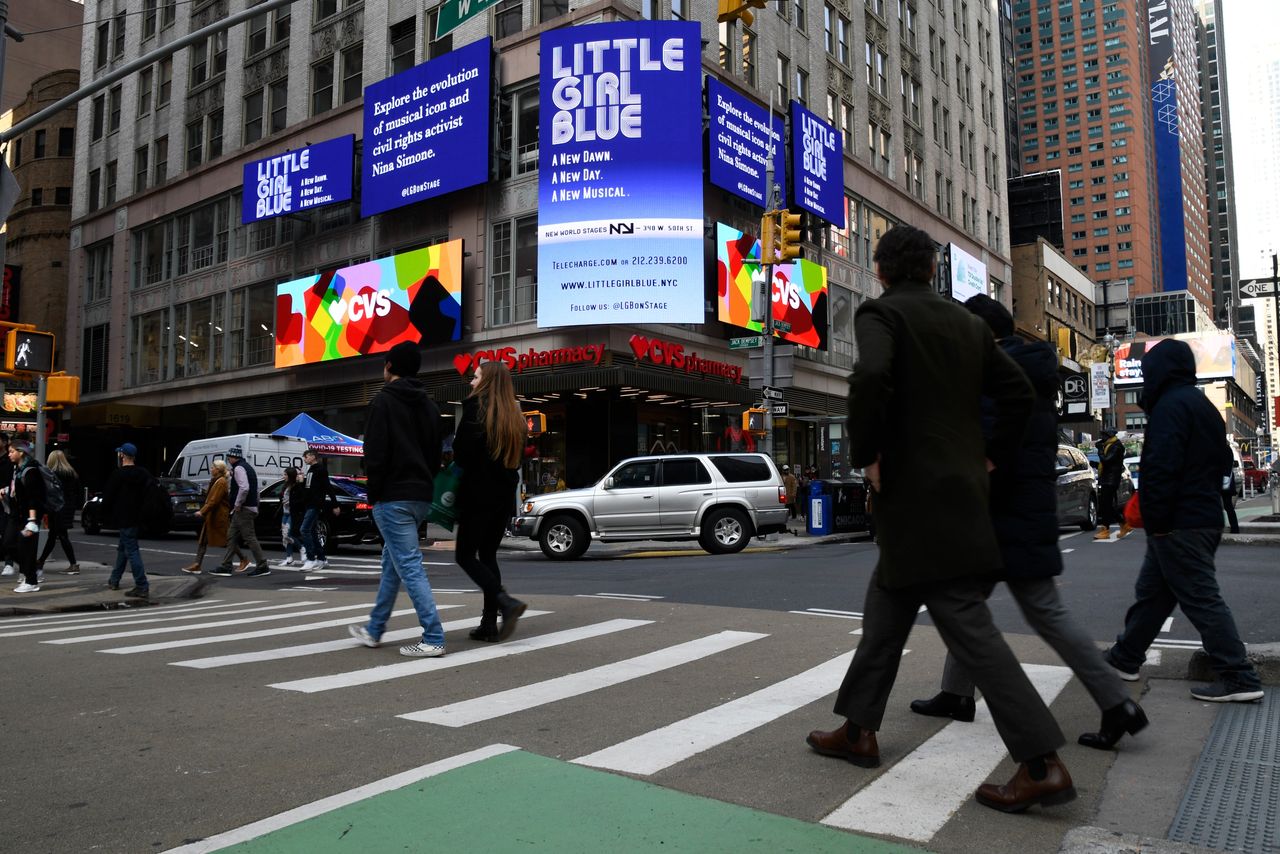
Digital billboards have revolutionized the advertising industry, offering dynamic and visually captivating displays that grab the attention of passersby.
Digital billboards have revolutionized the advertising industry, offering dynamic and visually captivating displays that grab the attention of passersby. These high-tech billboards utilize advanced technology to deliver engaging and impactful content, ensuring maximum exposure for advertisers. With their ability to display multiple ads in rotation, digital billboards provide a cost-effective solution for reaching a wider audience.
As consumers become increasingly selective with their ad consumption, interactive and personalized advertisements have emerged as an effective way to engage viewers. By incorporating elements such as touchscreens or sensors, advertisers can create immersive experiences that allow individuals to interact with the advertisement directly. This not only captures attention but also fosters a more personal connection between brands and consumers.
Integration with mobile devices has become crucial in modern advertising strategies. By leveraging technologies like NFC or QR codes on billboards, marketers can seamlessly bridge offline and online experiences. Viewers can simply scan these codes using their smartphones to access additional information or exclusive discounts, further enhancing engagement levels while providing valuable data insights for future campaigns.
To maximize the impact of advertising campaigns, targeting specific demographics is vital. Through advancements in data analytics and AI algorithms, advertisers now have access to precise audience segmentation tools that enable them to tailor messages based on factors such as age group, location, interests etc.. This level of customization ensures that advertisements are shown only to those most likely interested in the product or service being promoted – resulting in higher conversion rates.
Digital billboards have revolutionized the advertising industry with their high-resolution displays. These cutting-edge screens offer crisp and vibrant visuals that capture the attention of passersby, making it impossible to ignore your brand message. Furthermore, digital billboards enable real-time content updates, allowing advertisers to stay current and relevant in today’s fast-paced world. With just a few clicks, you can modify your ads instantly and ensure that your audience is always engaged with fresh and up-to-date information. Lastly, dynamic and eye-catching visuals are at the heart of digital billboards’ effectiveness. Utilizing motion graphics, videos, and captivating imagery creates an immersive experience for viewers that leaves a lasting impression on their minds. By leveraging these techniques, businesses can significantly increase brand visibility and reach their target audience effectively.
Touchscreen capabilities revolutionize the world of advertising billboards, allowing for an interactive and engaging experience. Users can now directly interact with the content displayed on the billboard, enhancing their overall engagement and connection with brands.
Customizable content based on user interactions takes personalization to new heights in advertising billboards. Through advanced technologies, ads can adapt in real-time according to users’ preferences and behaviors. This tailored approach ensures that each viewer receives a personalized message that resonates with them.
Integration with social media platforms brings advertising billboards into the digital age. By seamlessly connecting with popular social media platforms, these ads enable users to instantly share their experiences and engage further through likes, comments, and shares. This integration extends the reach of advertisements beyond physical locations while fostering a sense of community around brands.
QR code scanning allows users to instantly access more information about a product or service by simply scanning the code with their mobile devices. This seamless integration enhances user engagement and provides a convenient way for businesses to connect with their target audience.
Mobile apps that utilize location-based targeting offer a personalized advertising experience. By leveraging GPS technology, these apps can deliver targeted ads based on the user’s current location, ensuring maximum relevance and effectiveness.
Syncing outdoor advertising with mobile ad campaigns creates a cohesive brand experience across multiple platforms. By integrating offline billboards with digital content accessible through mobile devices, businesses can amplify their message and increase brand visibility in today’s connected world.
Incorporating data analytics for audience segmentation allows advertisers to precisely target their desired demographics. By analyzing consumer behavior and preferences, companies can create tailored advertising campaigns that resonate with specific segments of the population. This data-driven approach maximizes the effectiveness of marketing efforts and ensures a higher return on investment. Creating culturally relevant ads for specific regions is crucial in capturing the attention of diverse audiences. Advertisers must understand the cultural nuances and values of different geographical areas to craft messages that are relatable and engaging. By adapting their content to reflect local customs, traditions, and beliefs, brands can establish a deeper connection with consumers and increase brand loyalty. Utilizing geofencing technology enables advertisers to target specific locations with precision. By setting virtual boundaries around key areas such as shopping districts or event venues, marketers can deliver highly localized advertising directly to potential customers in real-time. This personalized approach increases the chances of reaching individuals who are most likely interested in a particular product or service within a targeted location.
Telegram: @americanguerillamarketing
Sign up to get blog posts here