
August 14, 2023 Guerrilla Marketing Agency
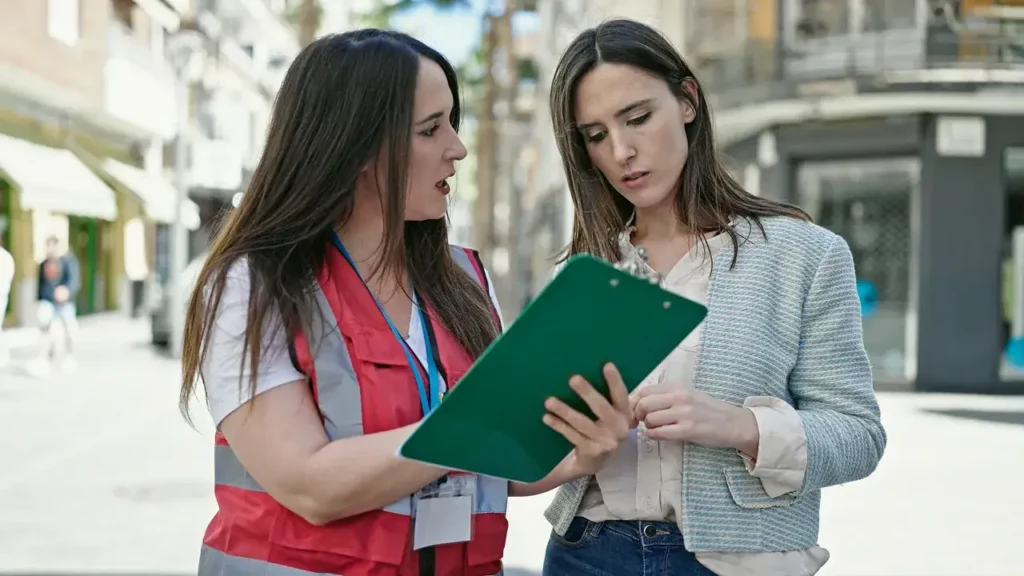
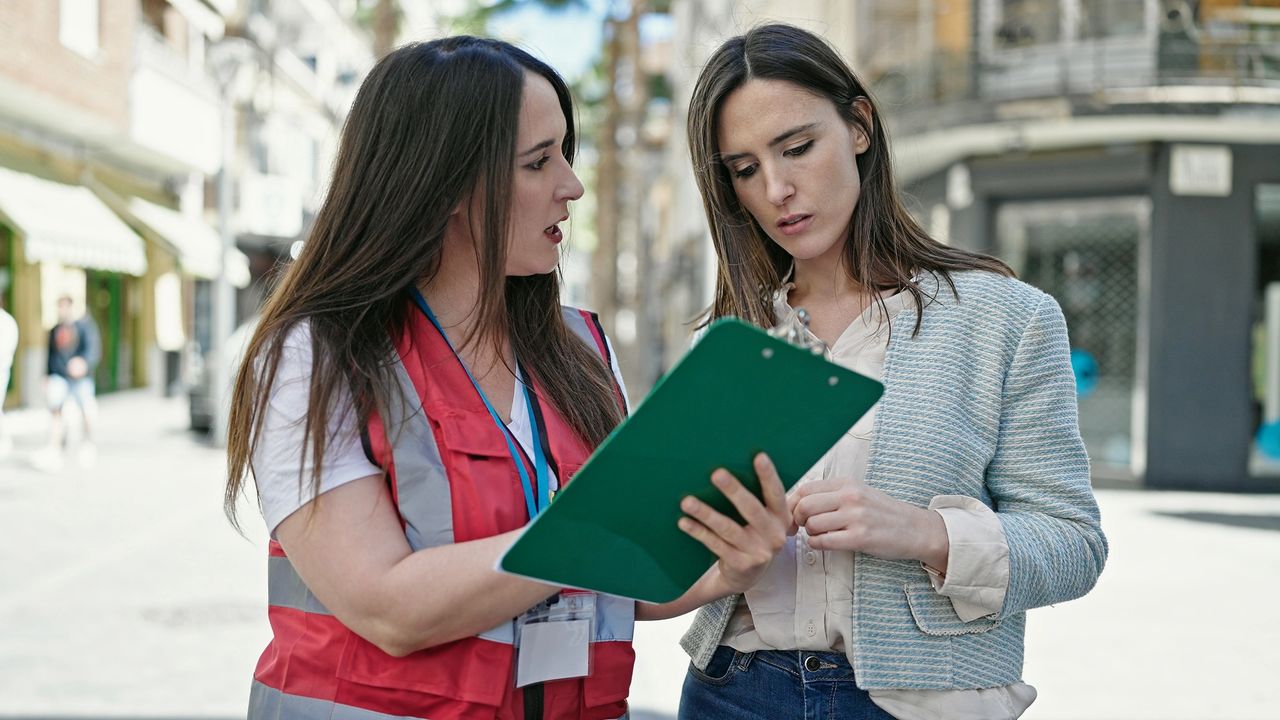
On the street interviews offer a fascinating glimpse into the thoughts and perspectives of everyday people. Have you ever wondered what goes on inside the minds of random strangers? On the street interviews provide a fascinating glimpse into the thoughts, opinions, and experiences of everyday people. In this blog post, we will explore the art and process of conducting on-the-spot interviews with passersby. We’ll delve into challenges faced and lessons learned along the way, as well as uncovering how these interviews can have a profound impact on our understanding of society. Join us on this captivating journey that brings us closer to understanding our fellow humans in unexpected ways.
On the street interviews offer a fascinating glimpse into the thoughts and perspectives of everyday people. These spontaneous interactions provide an authentic and unfiltered look at the diverse opinions that exist within our society. By choosing strategic locations and preparing for these interviews, you can unlock a wealth of valuable insights from random strangers on the street.
Importance of on the street interviews: On the street interviews play a crucial role in gathering real-time insights from random strangers. This method allows researchers to capture unfiltered opinions and perspectives directly from individuals who may not be part of traditional research panels or focus groups. The authenticity of these interactions enables a deeper understanding of diverse viewpoints and helps uncover hidden trends.
Benefits of gathering insights from random strangers: Engaging with random strangers through on the street interviews offers several benefits. Firstly, it provides access to a wider range of demographics, ensuring a more representative sample for research purposes. Additionally, this approach encourages spontaneous responses that are less influenced by social desirability bias, resulting in more honest and authentic feedback. Lastly, these encounters can lead to unexpected discoveries and fresh ideas that may not have emerged through other research methods.
Challenges and limitations of this research method: While on the street interviews offer many advantages, they also present challenges worth considering. One limitation is the potential difficulty in reaching specific target populations due to geographical constraints or time restrictions. Moreover, since participants are approached randomly, there is no guarantee that they will be willing or available to participate in an interview at any given time. Additionally, researchers must navigate ethical considerations such as obtaining informed consent and ensuring participant anonymity when conducting these face-to-face interactions on public streets.
Factors to consider when selecting a location for on the street interviews:
Foot traffic:
Accessibility:
Noise level:
Best places to conduct these interviews for optimal results:
Examples of successful on the street interview locations:
1. Times Square in New York City: With its constant flow of people from all walks of life, it offers a wide range of perspectives.
2. Shibuya Crossing in Tokyo: This busy intersection attracts a diverse crowd and provides an energetic atmosphere conducive to spontaneous conversations.
Researching potential interview questions and topics is essential to prepare for on the street interviews. By familiarizing yourself with common interview questions and relevant topics, you can ensure that your conversations are engaging and insightful. Additionally, knowing what kind of information you want to gather will help you ask targeted questions.
Approaching strangers for an interview requires tact and respect. Dos include introducing yourself politely, explaining the purpose of the interview, and asking permission before starting the conversation. Don’ts involve being pushy or intrusive, as this can make people uncomfortable or unwilling to participate in your interviews.
Creating a comfortable environment during on the street interviews is crucial in obtaining candid responses from strangers. Ensure that both parties feel at ease by maintaining friendly body language, actively listening without interrupting, and showing genuine interest in their opinions or experiences. This will foster a positive atmosphere conducive to open communication.
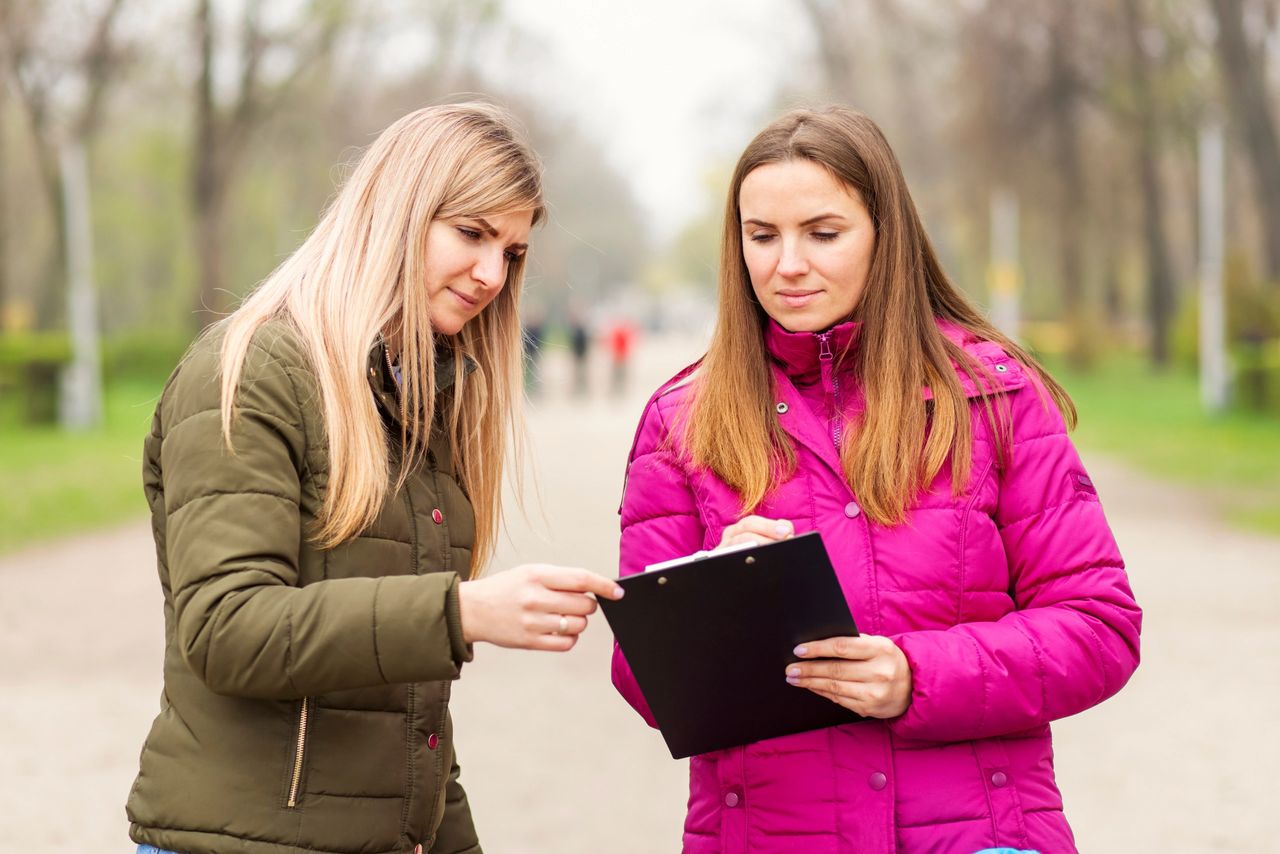
Building rapport is crucial for obtaining honest and insightful responses from random strangers.
Approaching strangers is the first step in conducting on the street interviews. It is important to approach individuals with confidence and a friendly demeanor, making them feel comfortable enough to engage in conversation.
Building rapport is crucial for obtaining honest and insightful responses from random strangers. Taking a genuine interest in their opinions, actively listening, and displaying empathy can help establish trust and create a conducive environment for open dialogue.
Asking thought-provoking questions encourages interviewees to delve deeper into their thoughts and provide meaningful insights. By framing questions that are relevant to the topic at hand and allowing room for personal reflection, interviewers can elicit thoughtful responses that offer valuable perspectives.
Understanding body language cues is crucial when approaching strangers for on the street interviews. Pay attention to their posture, facial expressions, and gestures to gauge their level of comfort and openness. Creating a friendly and non-threatening demeanor is essential to establish trust with strangers. Smile, maintain eye contact, and use open body language to put them at ease.
Choosing the right location for interviews can greatly impact the success of your approach. Look for areas where people are more likely to be relaxed and willing to engage in conversations, such as parks or coffee shops. Avoid crowded or noisy environments that may distract participants or make them feel uncomfortable.
Using open-ended questions is a powerful tool to encourage conversation and build rapport with strangers. By asking questions that require more than a simple yes or no answer, you can invite the person to share their thoughts and experiences, creating a deeper connection.
Active listening techniques are essential in showing genuine interest in what the other person has to say. Maintain eye contact, nod your head, and provide verbal affirmations to demonstrate that you are fully engaged in the conversation.
Finding common ground or shared experiences can help establish trust and create an instant bond with someone you have just met. Look for clues in their responses or body language that indicate shared interests or similar life experiences, which can serve as excellent starting points for building rapport.
Crafting thought-provoking questions is a powerful tool for eliciting introspection and critical thinking. It allows individuals to delve deeper into their thoughts and perspectives, leading to more meaningful insights. To ensure unbiased responses, it is important to avoid leading or biased questions that may influence the participant’s answer. Instead, opt for “why” and “how” questions that encourage reflection and provide an opportunity for thoughtful exploration.

Crafting thought-provoking questions is a powerful tool for eliciting introspection and critical thinking.
: On the street interviews allow us to delve into a diverse range of perspectives. Each encounter provides a unique glimpse into the thoughts and beliefs that shape individuals’ lives. Engaging with random strangers opens up a world of possibilities, as we uncover hidden insights and gain a richer understanding of human complexity.
From these spontaneous encounters, common themes emerge amidst our differences. Whether discussing personal experiences or societal issues, there is an undeniable thread that connects us all. Through on-the-spot interviews, we reveal shared challenges, desires for change, and aspirations for a better future – reminding us that despite our individuality, there are fundamental aspects that unite humanity.
By analyzing patterns and trends in people’s responses during on-the-street interactions, intriguing revelations come to light. We observe how collective opinions shift over time as society evolves. These glimpses into public sentiment offer invaluable clues about cultural shifts and emerging trends within various communities — insights which can shape everything from marketing strategies to social policies.
In this ongoing series of on-the-street interviews, we embark on an illuminating journey through diverse minds—exploring different perspectives while finding common ground among strangers along the way. Stay tuned as we delve deeper into captivating conversations revealing the complexities of human thinking in today’s ever-changing world.
Cultural diversity enriches perspectives by bringing together individuals with different backgrounds, experiences, and beliefs. This diversity allows for a broader understanding of the world and fosters empathy towards others’ points of view. Age and generational differences further contribute to varying mindsets, as each generation brings unique values and attitudes shaped by their respective social contexts. Additionally, gender roles exert influence on opinions, reflecting societal expectations that shape how individuals perceive themselves and others. By exploring these different perspectives, we gain a deeper appreciation for the complexity of human experiences and the need for inclusivity in our society.
Shared concerns about the environment were a recurring theme in our on-the-street interviews. People expressed worries about climate change, pollution, and the depletion of natural resources. Many individuals emphasized the need for urgent action to protect our planet for future generations.
Opinions on social media usage and its effects also emerged as a common theme among those we interviewed. Some voiced concerns about excessive time spent online affecting real-life relationships and mental health. Others highlighted the positive aspects of social media in connecting people globally but emphasized the importance of responsible usage.
Attitudes towards mental health awareness showed a significant shift compared to previous years. We found that more people are recognizing and discussing mental health issues openly, emphasizing the importance of seeking help and reducing stigma surrounding these matters.
Through these random street interviews, it became evident that shared concerns about environmental sustainability, opinions on social media’s influence, and attitudes towards mental health are topics that resonate with individuals from various backgrounds.
The rise of minimalist lifestyle choices has been a prominent trend in recent years, with individuals seeking to simplify their lives and reduce clutter. This shift reflects a growing desire for less material possessions and a focus on experiences rather than material goods.
Changing attitudes towards technology dependence are evident as people become more mindful of the impact of constant connectivity on their well-being. Many individuals are now adopting practices such as digital detoxes or setting boundaries around screen time to maintain a healthy balance between technology use and real-life interactions.
The ‘work from home’ culture brings both advantages and disadvantages. On one hand, it offers flexibility and eliminates commuting stress, allowing people to have more control over their work-life balance. However, it also poses challenges such as blurred boundaries between personal life and work responsibilities, increased isolation, and potential productivity setbacks due to distractions at home.
Navigating rejections during on-the-street interviews was a significant challenge. It required resilience and the ability to quickly bounce back from negative responses. By not taking rejections personally, I learned that persistence is key in obtaining valuable insights from random strangers.
Adapting to unexpected responses proved challenging but taught me the importance of flexibility in interview techniques. Being prepared for various reactions allowed me to steer conversations towards meaningful insights even when faced with unexpected answers or resistance. This experience highlighted the need for adaptability and thinking on my feet.
Improving interview techniques was crucial throughout this journey. Learning how to ask open-ended questions effectively helped create engaging discussions and gather deeper insights from respondents. Additionally, active listening enabled me to make connections and follow-up with probing questions, leading to more comprehensive perspectives shared by random strangers on the street.
Overcoming initial hesitations is crucial when dealing with rejections during on the street interviews. It’s natural to feel apprehensive before approaching random strangers, but pushing past this hesitation allows for meaningful interactions and valuable insights. Developing a thick skin is equally important in navigating the inevitable rejections that may come your way. Remember that not everyone will be willing or interested in participating, but maintaining resilience and a positive mindset will lead to successful interviews. Additionally, refining your pitch is essential for increasing your chances of acceptance. Craft a concise and compelling introduction that captures people’s attention and clearly communicates the purpose of the interview, making it more likely for them to participate.
As you embark on the journey into the minds of random strangers through on-the-street interviews, expect unexpected responses along the way. Be adaptable and open-minded when faced with diverse reactions from individuals you approach. Each response presents an opportunity to learn something new or explore different perspectives – even if it deviates from what you initially expected or hoped for.
Improving interview techniques can enhance both your success rate and overall experience during on-the-street interviews.
Navigating sensitive topics requires tact and empathy. When faced with unexpected emotions, it is essential to remain calm and provide a supportive environment. Thinking on your feet enables you to quickly adapt and respond effectively, keeping the conversation flowing smoothly.
Active listening skills are crucial when conducting interviews on the street. By actively listening to what the interviewees are saying, we can better understand their perspective and gather valuable insights. This involves maintaining eye contact, nodding or using other non-verbal cues to show engagement, and refraining from interrupting or interjecting with our own thoughts.
Creating rapport with interviewees is key to obtaining authentic responses during on-the-street interviews. Building a connection helps put them at ease and encourages open communication. To establish rapport, it’s important to approach them with a friendly demeanor, use empathetic language, and find common ground that can help build trust.
Asking open-ended questions allows for more in-depth responses from interviewees during on-the-street interviews. These types of questions encourage participants to provide detailed explanations rather than simple yes or no answers. They provide an opportunity for individuals to share their opinions, experiences, and perspectives freely while giving us deeper insights into their thoughts and feelings.
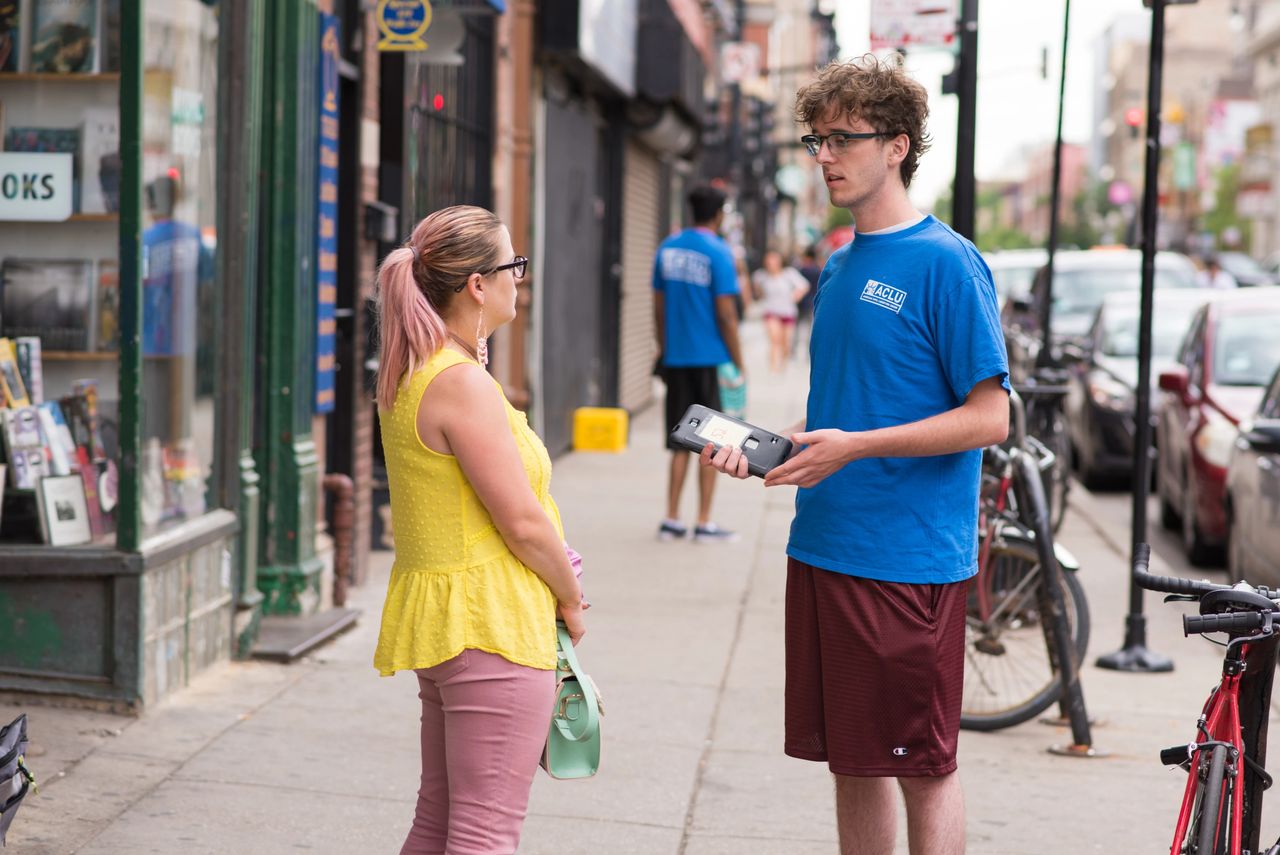
Gaining insights into human behavior is one of the significant impacts and benefits of on-the-street interviews.
Gaining insights into human behavior is one of the significant impacts and benefits of on-the-street interviews. By engaging with random strangers, we can delve into their thoughts, opinions, and perspectives, offering valuable glimpses into the diverse nature of society. These interviews provide a unique opportunity to observe and understand human behavior in real-life situations.
On-the-street interviews offer a powerful tool for creating engaging content that resonates with audiences. The rawness and spontaneity captured in these interactions can be translated into captivating videos or articles that capture the attention of viewers or readers. This type of content has the potential to go viral as it taps into our innate curiosity about other people’s lives.
Furthermore, on-the-street interviews allow for a genuine connection with the community. By stepping outside traditional interview settings and approaching individuals on the streets, we bridge gaps between different social groups and foster a sense of unity among communities. Through these encounters, we gain firsthand knowledge about local issues, concerns, and aspirations while fostering empathy and understanding among diverse populations.
Understanding decision-making processes is crucial for gaining insights into human behavior. By studying how individuals make choices, we can unravel the complexities of their thought patterns and motivations. This knowledge allows us to better understand why people act in certain ways and helps inform strategies for influencing behavior.
Exploring social dynamics is another avenue to delve into human behavior. By observing interactions within groups, we can uncover the intricate web of relationships that shape individual actions. Understanding how social norms, hierarchies, and peer pressure impact decision-making provides valuable insight into the underlying forces driving human behavior.
Uncovering hidden motivations completes our journey into understanding human behavior. People’s actions are often influenced by subconscious desires or past experiences that they may not be aware of themselves. Through careful analysis and empathetic listening, we can unearth these hidden motivations, shedding light on why individuals behave as they do.
Capturing authentic reactions:
Crafting compelling narratives:
Using visual elements effectively:
Building rapport with strangers is essential in connecting with the community. By showing genuine interest, active listening, and empathetic gestures, we can break down barriers and establish meaningful connections. Taking the time to engage in conversation and learn about their experiences fosters a sense of inclusion and participation.
Promoting open dialogue and exchange of ideas is crucial for building a strong community connection. Encouraging individuals to share their thoughts, opinions, and perspectives creates an environment where everyone feels valued. By actively seeking out diverse viewpoints and facilitating respectful conversations, we promote understanding, collaboration, and mutual growth within our community.
Insights gained from on the street interviews provide valuable real-world perspectives that cannot be replicated through other research methods. By engaging with random strangers, we uncover unique insights and opinions that help us understand diverse viewpoints and experiences. Conducting successful on the street interviews requires active listening, open-ended questions, and a friendly approach to encourage participation from a wide range of individuals.
Telegram: @americanguerillamarketing
Sign up to get blog posts here
