
January 12, 2026 Wild Wheat Paste Posting Posting and Wheatpasting
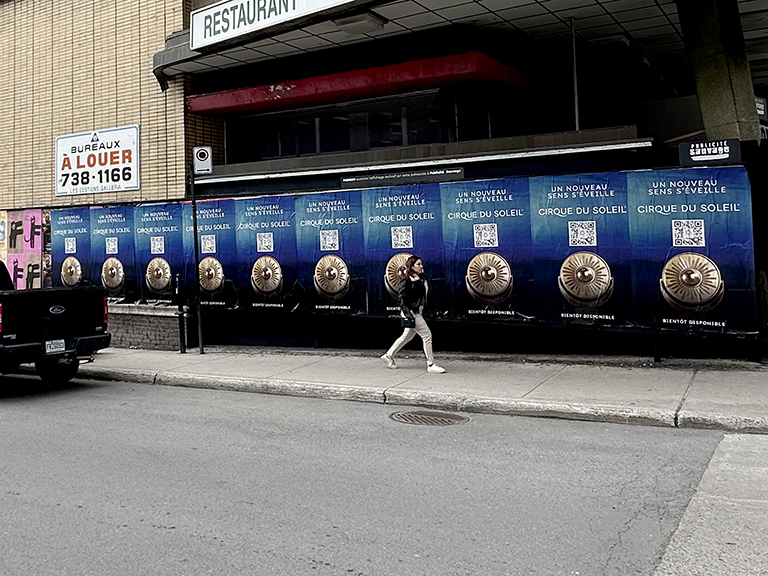
Rain changes everything.
If you have ever watched a fresh poster start to blister the moment a drizzle turns into real weather, you already know the truth: wheatpasting in the rain is not romantic, not forgiving, and definitely not the moment to “just power through.”
Still, rainy conditions do not have to stall a street campaign. When Wheat Paste Posting is planned like field work instead of a last-minute hustle, you can keep installs moving, keep posters readable, and keep walls looking intentional instead of waterlogged. Teams with real reps in bad weather often outperform fair-weather crews for one simple reason: fewer people are willing or able to execute when conditions get uncomfortable.
American Guerrilla Marketing has built a reputation for handling these installs because the approach is disciplined: forecast monitoring, intentional scheduling between storms, specialized materials, and a street-level route plan that assumes the weather will try to ruin your day.
Rain does not just make you wet. It attacks the chemistry and the mechanics of adhesion.
Water dilutes paste. Humidity slows curing. Wind drives moisture under edges. Painted walls sweat. Brick holds water inside its pores. Even if you get a poster to look “fine” in the moment, the next hour is where the campaign either locks in or starts sliding.
A quick reality check on what rain tends to do to outdoor posters:
Those are not rare problems. They are normal problems when the plan is built around hope instead of conditions.
The biggest difference between amateur rain posting and professional rain posting is not bravery. It is restraint.
American Guerrilla Marketing treats weather as part of production, not a surprise. That means monitoring patterns well before crews roll out, watching storm timing and movement, tracking humidity swings, and looking for reliable dry windows. When the forecast shows a break between cells, the schedule is built around that opening. When the radar shows a heavy band arriving early, installs get shifted to protect quality.
This is not “waiting until it stops raining.” It is timing installs so the wall has a fighting chance to accept adhesive and the poster has enough time to start curing before the next wave hits.
A data-driven schedule also keeps clients from paying for a campaign that looks good for twenty minutes and fails overnight. In Wheat Paste Posting advertising, timing is part of the media buy, because the wall is only valuable if the poster stays up.
One sentence that comes up a lot in the field is: “We are not racing the rain, we are working the gap.”
Rainy installs punish basic paste and thin paper. When conditions get wet, the materials have to do more than stick. They have to resist moisture intrusion and keep the print from turning into a blurry mess.
American Guerrilla Marketing uses specialized materials to create that margin of safety. One of the most practical tools for wet conditions is a clear, transparent gel adhesive layer used to protect posters from moisture, help prevent ink bleeding, and improve adhesion when surfaces are not perfectly dry. Think of it as a controlled barrier and bonding aid, not a shiny topcoat that screams “plastic.”
That gel approach matters because wet walls fail in predictable ways. Moisture sits between the wall and the adhesive, which interrupts bonding. A gel with the right tack can bite through light dampness and hold position while cure begins, instead of sliding like a thin paste film.
Paper and ink choices also matter. Heavy stock and weather-sensible inks reduce curling, tearing, and bleeding. A campaign does not need to feel “laminated” to be durable, but it does need to be built for real streets.
Good crews do not bring one paste and hope it works everywhere.
Rain, temperature, and surface material all change how you should mix and apply. A thicker mix can hold better on damp walls, but it can also take longer to set. A thinner mix spreads fast, but in wet weather it can get diluted and fail at the edges. Painted concrete behaves differently than raw brick. Sealed metal panels behave differently than porous block.
American Guerrilla Marketing adjusts paste ratios and application technique based on what the wall is doing that day. The crew is not just pasting posters; they are reading the surface. If the wall is porous, you may need a base coat to reduce absorption and keep the adhesive layer consistent. If the wall is slick or slightly damp, you may need a different approach that prioritizes initial tack and controlled pressure.
Pressure and sealing technique become non-negotiable in rain. Working from the center outward, rolling edges hard, and closing seams prevents water from finding an entry point. In wet weather, the edges are the campaign.
Here is a practical way to think about rain planning, from conditions to field adjustments:
| Street condition | What it threatens | Practical adjustment used by experienced crews |
|---|---|---|
| High humidity after showers | Slow curing, soft paste film | Install in the driest window available and prioritize sheltered sites first |
| Intermittent drizzle | Edge lift, diluted adhesive | Use moisture-tolerant adhesive strategy and press edges aggressively |
| Cold rain | Thick paste that sets slowly | Tune paste consistency and limit exposure time by staging posters and tools |
| Warm rain | Ink bleeding, paper stretch | Use protective gel layer and durable stock; avoid fully exposed walls |
| Porous brick/block | Water stored in wall, weak bond | Prime coat strategy and more working time with controlled application |
| Smooth painted panels | Sliding and shear movement | Increase tack and pressure; choose sites with less direct water flow |
A table like this looks simple, but it reflects how pros think: what is the wall doing, what is the weather doing, and what does that mean for adhesion in the next two hours?
When it is raining, the best wall is often not the most visible wall. It is the wall that stays stable long enough for the poster to cure.
Smart rainy installs focus on locations that naturally reduce exposure:
Covered walls under awnings. Recessed areas where wind-driven rain cannot blast the surface. Scaffolding zones that act like temporary roofs. Alleys that dry faster because they are shielded from open-sky rainfall and heavy splash. Urban corridors where building mass blocks wind and helps surfaces dry in patches.
This is where experience shows. A crew that has worked the same markets in all seasons knows which corners stay soaked and which corners shed water quickly. That local pattern recognition is hard to copy.
After a paragraph of planning, the actual checklist in the street becomes straightforward, even if the work is not:
Those spots will not eliminate moisture, but they can reduce direct impact, which is often enough to move a campaign from fragile to durable.
Rainy Wheat Paste Posting marketing is not only about what you paste. It is about the order you paste it.
American Guerrilla Marketing sequences routes so the most vulnerable placements go up last. The logic is simple: give the earlier installs more time to begin curing before the next storm line arrives. If the forecast shows a two-hour dry window, you want your highest-exposure walls to be the final moves, not the opening act.
Staging is part of that speed. Posters are prepped and organized so crews are not fumbling with bundles while the sky is changing. When the window opens, the work has to flow.
A field-ready route plan often looks like this:
This sequencing is quiet professionalism. It is not dramatic, but it is how you keep a campaign intact when competitors are either standing down or throwing posters at walls that are too wet to accept them.
Rain makes every action slower, even when you are moving quickly. Gloves get slick. Paper gets heavy. Tools get messy. A big part of professional execution is reducing friction.
That is why experienced teams stage posters in advance, keep adhesive systems consistent, and split roles so the work stays clean. One person focuses on placement, another on adhesive control, another on pressing and finishing. The goal is not speed for its own sake. The goal is reducing the time a poster spends exposed before it is fully seated and sealed.
And yes, sometimes the right move is to pause. If a heavy downpour hits, forcing posters onto streaming-wet walls is usually a donation to the sidewalk. Pros do not treat postponement as failure. They treat it as quality control.
Here is the part many brands miss: bad weather can create opportunity.
When the forecast is ugly, fewer crews are out posting. That means less competition for attention, less clutter going up at the same time, and more chance for a well-executed campaign to stand out. A team that can install cleanly between storms can deliver strong visibility while others are waiting for “perfect conditions” that never arrive.
This is also why people searching “Wheat Paste Posting near me” often end up caring less about hype and more about reliability. Rain exposes the difference between a Wheat Paste Posting company that owns the details and one that just shows up with a bucket.
Wheat Paste Posting services in wet weather are not priced only on counts. They are priced on execution risk, material choices, and scheduling discipline. If you are comparing Wheat Paste Posting pricing or trying to estimate Wheat Paste Posting cost, ask how the plan changes when the forecast turns. A serious Wheat Paste Posting agency will have an answer that sounds like operations, not optimism.
American Guerrilla Marketing thrives in these tough conditions because the process is built for them: weather monitoring that is planned in advance, installs scheduled strategically between storms, specialized clear gel adhesive protection, and route decisions that increase cure time instead of wasting it. Rain does not stop effective Wheat Paste Posting campaigns when the work is done correctly, and the brands that keep moving through rough weeks are often the ones people remember.
For a customized strategy tailored to your next event, reach out directly at [email protected].