
September 29, 2025 Political Marketing Agency
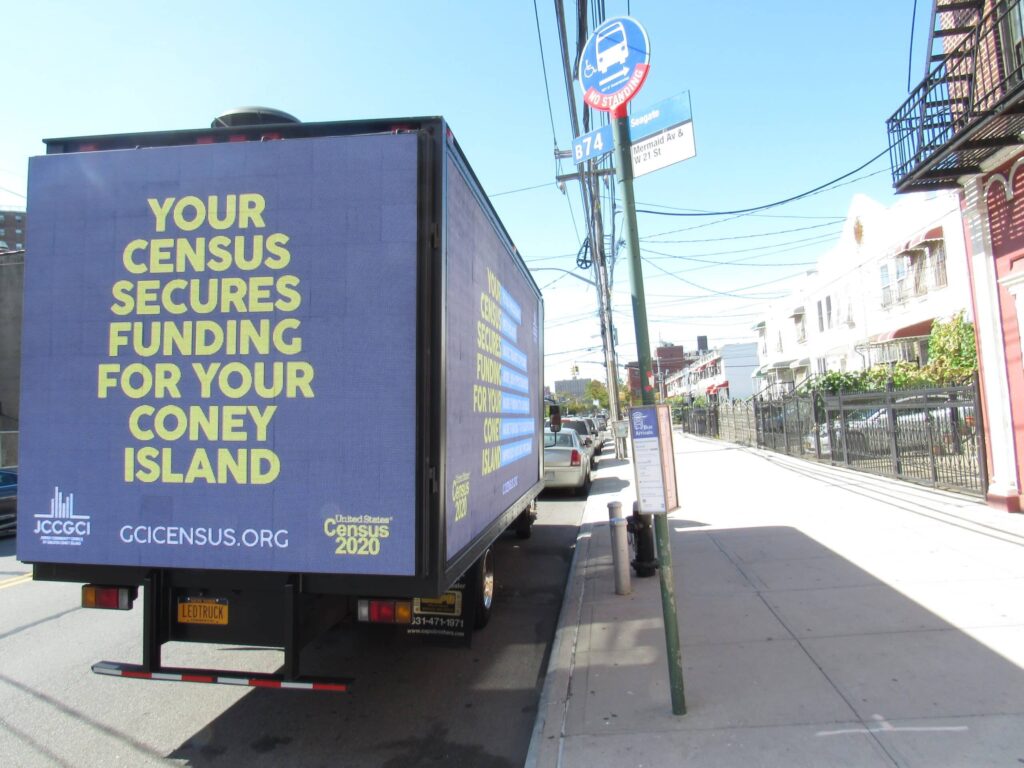
Standing at the intersection of fierce competition and diverse voter dynamics, Arizona political campaigns are redefining what it means to connect, persuade, and mobilize. Behind many of these efforts are innovative political marketing agencies skilled in blending digital sophistication with old-school ground tactics, creative storytelling, and meticulous legal compliance.
Arizona’s political landscape is unlike any other. With its fast-growing Latino population, a robust retiree demographic, Native American communities, and a reputation as a presidential battleground, campaigns cannot rely on generic playbooks. Each contest, from school board to Senate, demands a strategy that’s both cost-aware and impact-driven.
Let’s break down what sets leading Arizona political marketing agencies apart and how their work is transforming campaign outcomes up and down the ballot.
From “guerrilla” stunts to data-driven digital engagement, Arizona has become a laboratory for unconventional tactics. These have ranged from paid social media posts in local initiative fights such as Proposition 106’s attempted $15-a-pop offer to everyday Phoenix voters for campaign video posts (which flopped with only three takers) to eyebrow-raising billboard campaigns intended to energize the base or spark controversy.
In high-stakes federal races, candidates haven’t shied away from splashy digital gambits. Blake Masters’ 2022 U.S. Senate campaign’s NFT fundraising offering limited-edition digital tokens as donor incentives drew headlines far beyond Arizona, boosting his online clout if not his final vote tally.
But do these seemingly wild tactics move the needle? Results show most “guerrilla” efforts generate remarkable bursts of media and online conversation but rarely produce dramatic changes in turnout or persuade the skeptical middle. The numbers are telling: despite the national buzz, these stunts have at best sustained core support, while creating blips in news cycles and social media boost.
Managing a campaign budget is as much science as art, especially when media costs can swing six figures in either direction. Arizona’s leading agencies have honed the craft of maximizing reach and frequency while minimizing wasted spend.
They approach planning with rigor:
Consider the table below, reflecting hypothetical allocation for two campaign types:
| Campaign Type | Traditional (TV/Radio/Print) | Digital (Social/Programmatic) | Outdoor/Billboard | Direct Mail |
|---|---|---|---|---|
| Statewide Senate Race | 70% | 20% | 5% | 5% |
| Local Council Race | 10% | 70% | 10% | 10% |
Agencies such as Anderson Advertising have a reputation for helping candidates like Secretary of State Adrian Fontes break through the noise without breaking the bank. By leveraging in-house creative resources, making use of recycled assets where sensible, and targeting only high-likelihood voter segments with direct mail, significant savings and sharper focus are achieved.
Vigorous legal enforcement in Arizona means a firm grasp of compliance requirements is non-negotiable. Every medium and every message, from Facebook banners to rural billboards, must include the appropriate “Paid for by…” disclaimers. Errors can be expensive.
Workflows at top Arizona agencies reflect this seriousness. They:
The unique digital loophole highlighted by the Phoenix Prop 106 case (with unclear social media disclosure rules) has nudged agencies towards over-disclosure online just to stay safe.
No amount of sophisticated targeting replaces the power of human-to-human contact. Arizona’s most impactful campaigns don’t just split their efforts between the ground and the cloud they blend them.
Campaigns begin by using online tools to build supporter lists, then drive engagement with coordinated digital reminders (text, email, social). Simultaneously, field teams use these lists to knock on doors, make calls, or host “pop-up” events in targeted neighborhoods.
Success is measured across multiple metrics, including:
This synergy is especially powerful when managed with integrated campaign apps and databases, reducing friction and increasing turnout among hard-to-reach communities. Vice President Harris’s 2024 Arizona field operation which merged a digital ad push with a sprawling network of local offices serving the diverse rural, Mormon, and Native regions is a prime illustration of this holistic approach.
Few places require such nuanced message segmentation as Arizona. Campaigns, regardless of party, tailor their appeals in language, tone, cultural cues, and medium. A look at actual campaign tactics reveals how specific this gets:
Arizona’s best political marketing agencies do not merely translate materials; they build multiple creative versions of each ad to address the distinctive motivations of separate voting blocs, pushing their messages via the distribution channels each group prefers.
Production values and creativity matter, and in a crowded field, they can make the difference between a forgettable campaign and a viral one. Strong visual narratives, music, and personal testimonials create an emotional bridge no spreadsheet can measure.
Recent campaigns have showcased:
Arizona’s multi-lingual, multi-cultural electorate responds to authenticity. Agencies who invest in understanding those narratives and reflect them back with integrity tend to see higher engagement, better polling, and improved turnout numbers.
The best agencies believe that what gets measured, gets managed. Arizona campaigns benefit from granular analytics at every step:
Performance is monitored daily, and budget is continuously shifted to outperforming channels. This is especially crucial in a state where a late poll shift can decide a Senate seat or tip a city council election.
Even on a modest budget, razor-sharp targeting and efficient media buying help local campaigns squeeze value from every dollar. For statewide efforts, it’s about coordinating high-frequency broadcast blitzes with equally robust digital and physical outreach.
What separates the impactful campaigns in Arizona from the also-rans?
Arizona is forging the future of political campaigning. Agencies at the top of their game in this state are not simply vendors but strategic partners in democracy, transforming campaigns with every election cycle. As contests become tighter and voters more discerning, the campaigns that blend innovation, compliance, and authentic connections are setting new standards for political marketing not just in Arizona, but nationwide.