
August 16, 2023 Bar and Restaurant Advertising

A pedicab is a type of transportation service that operates in urban areas. It is a three-wheeled vehicle, usually powered by human pedal power, and designed to carry passengers. Welcome to our blog post on the benefits of pedicab transportation. In this article, we will explore what exactly a pedicab is and why it can be a fantastic mode of transport in various scenarios. We’ll also compare it to other modes of transportation, discuss safety regulations, highlight its potential for sightseeing tours, and provide some useful tips and etiquette for those considering riding in a pedicab. So let’s dive in and discover all the advantages that pedicabs have to offer!
A pedicab is a type of transportation service that operates in urban areas. It is a three-wheeled vehicle, usually powered by human pedal power, and designed to carry passengers. Pedicabs provide an eco-friendly alternative to traditional modes of transportation and are commonly used for short-distance trips within city centers.
Pedicabs come in various types, including rickshaws and cycle rickshaws. Rickshaws are typically characterized by their enclosed seating area for passengers, while cycle rickshaws have an open design with seats positioned behind the driver. Both types offer convenient and efficient transportation options for travelers looking to navigate congested city streets while enjoying a unique experience.
Pedicabs, also known as cycle rickshaws or bike taxis, are human-powered three-wheeled vehicles used for transportation services. They consist of a carriage-like seating area attached to the front of a bicycle. Pedicabs provide an eco-friendly and efficient mode of transportation in crowded urban areas where traditional cars may be impractical or inconvenient. These vehicles offer a unique way to explore cities, providing riders with an enjoyable and scenic journey while reducing traffic congestion and contributing to sustainable mobility.
Traditional pedal-powered pedicabs are a popular form of human-powered transportation service. These pedicabs rely solely on the physical effort of the operator to move passengers from one destination to another. They offer an eco-friendly and efficient mode of transportation, providing a unique experience for both tourists and locals alike.
One interesting fact is that electric-assist pedicabs combine human power with an electric motor for enhanced efficiency and convenience, making them particularly useful on hilly terrains or during long-distance rides.
Electric-assist pedicabs are a modern variation that combines human power with electric assistance. These pedicabs utilize an electric motor to provide additional power when needed, enhancing the ease and efficiency of transporting passengers. This type of pedicab is especially beneficial for operators who require extra assistance on hilly terrains or during long-distance rides.
Motorized pedicabs, also known as e-rickshaws or tuk-tuks, take convenience to another level by relying entirely on motor power for propulsion. These compact vehicles offer a more comfortable ride than traditional pedal-powered options while still maintaining their eco-friendly nature through the use of electric motors instead of fuel combustion engines.
Overall, these three types of pedicabs cater to different needs and preferences in urban transportation services. Whether it’s enjoying the charm and nostalgia associated with traditional pedal-powered versions or opting for the added convenience provided by electric-assist or motorized alternatives, there is something available for everyone seeking an efficient yet environmentally friendly way to get around town.

Electric-assist pedicabs are a modern variation that combines human power with electric assistance.
Pedicab transportation offers an eco-friendly alternative for short-distance travel, minimizing carbon emissions and promoting sustainable commuting. With zero emissions and human-powered operation, pedicabs contribute to a cleaner and greener environment.
In addition to being environmentally friendly, pedicabs provide improved mobility and accessibility in urban areas. They can navigate through crowded streets more efficiently than cars or buses, allowing passengers to reach their destinations quickly while avoiding traffic jams.
Furthermore, the use of pedicabs helps reduce traffic congestion by occupying less space on the road compared to traditional vehicles. This not only eases traffic flow but also alleviates parking issues in congested areas where space is limited.
Lastly, opting for pedicab transportation supports the local economy as these services are typically provided by independent operators or small businesses. By choosing this mode of transport over conventional options like taxis or rideshares, you directly invest in your community’s growth and prosperity.
Lower carbon emissions and reduced air pollution are key benefits of choosing pedicab transportation. By opting for this sustainable transportation option, you can significantly contribute to the reduction of harmful greenhouse gases and improve the air quality in your city. Pedicabs operate solely on human power, eliminating the need for fuel consumption or emission-producing engines. This eco-friendly choice not only benefits our planet but also promotes a healthier and cleaner environment for everyone.
In addition to its environmental advantages, pedicab transportation offers an efficient and convenient way to navigate through urban areas. With their maneuverability and ability to access narrow streets or crowded areas, pedicabs provide improved mobility and accessibility compared to traditional vehicles. Whether it’s commuting within a busy downtown area or exploring tourist attractions with ease, choosing this alternative mode of transport ensures a smooth journey while reducing traffic congestion on the roads.
Easy maneuverability in crowded areas is one of the key benefits of pedicab transportation. With its compact size and nimble handling, a pedicab can effortlessly navigate through busy streets and tight spaces, allowing passengers to reach their destinations quickly and efficiently. Whether it’s weaving through pedestrian-packed sidewalks or squeezing between rows of parked cars, the easy maneuverability of a pedicab ensures a smooth and hassle-free journey.
In addition to its ability to navigate narrow streets, another advantage of using a pedicab is the convenience of pick-up and drop-off points. Unlike traditional taxis or ride-sharing services that often have designated stations or limited access points, pedicabs can pick up passengers from virtually anywhere along their route. This flexibility allows for more personalized transportation options, giving riders greater accessibility without compromising on convenience. Whether you need a ride right at your doorstep or prefer to be dropped off directly at your destination’s entrance, pedicabs provide convenient pick-up and drop-off points tailored to your specific needs.
Smaller and more compact than cars or buses, pedicabs have a significantly smaller footprint on the road. This allows them to navigate through traffic with ease, reducing congestion in busy urban areas. With their efficient use of road space, pedicabs help maximize the flow of vehicles and minimize bottlenecks during peak hours. As a result, commuters can enjoy faster travel times and smoother journeys without getting stuck in long queues.
Pedicabs offer an innovative solution to reduce traffic congestion in cities. Their compact size compared to cars or buses means they take up less space on the road, allowing for greater efficiency in terms of transportation capacity. By efficiently using available road space and maneuvering through traffic jams effortlessly, pedicabs contribute to reduced congestion during peak hours when roads are typically crowded with vehicles. Commuters can benefit from faster travel times as well as improved accessibility within city centers thanks to these nimble alternatives for short-distance trips.
Supporting local pedicab businesses and drivers is a key strategy for boosting the local economy. By investing in this mode of transportation, cities can create employment opportunities for locals while also promoting sustainable tourism. Pedicabs attract tourists by offering a unique and eco-friendly way to explore local attractions, providing an economic boost to the community as visitors spend money on rides and support nearby businesses.
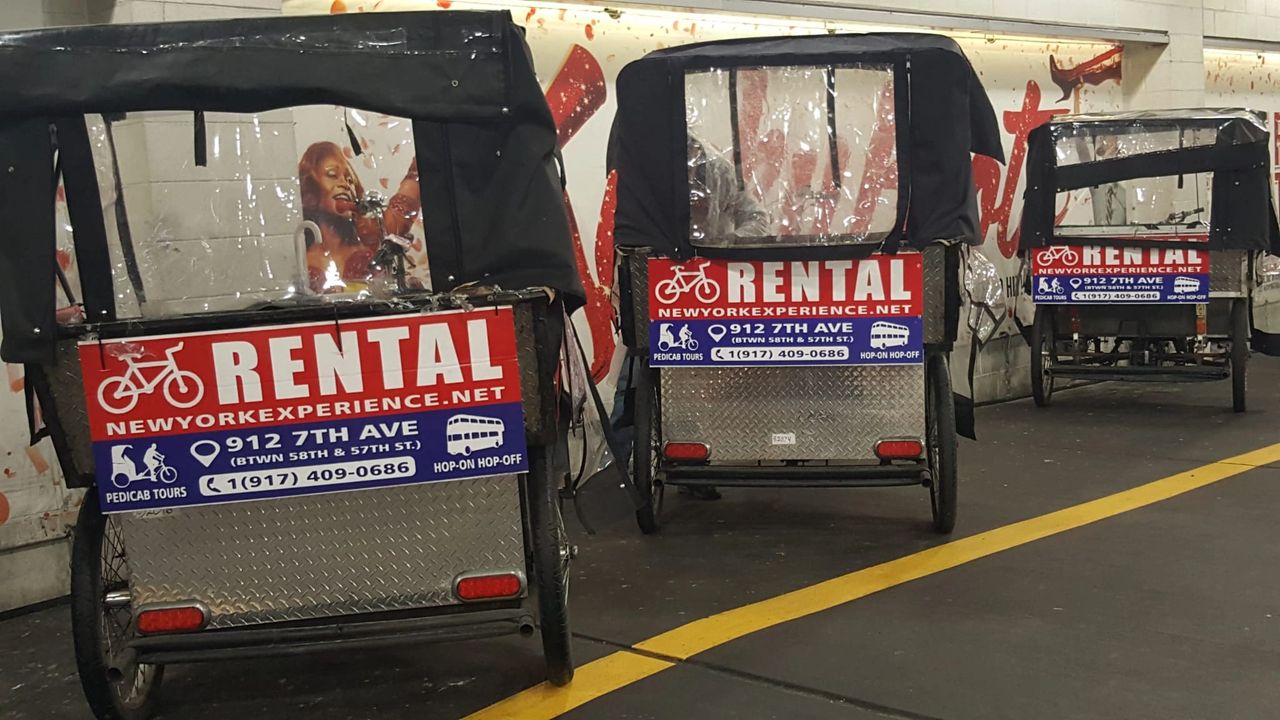
Pedicabs offer a unique and eco-friendly alternative to cars and taxis. Unlike these modes of transportation, pedicabs emit zero emissions, making them a greener choice for the environment.
Pedicabs offer a unique and eco-friendly alternative to cars and taxis. Unlike these modes of transportation, pedicabs emit zero emissions, making them a greener choice for the environment. Additionally, pedicabs are able to navigate through traffic more efficiently due to their smaller size, reducing travel time and congestion on busy city streets.
When compared to bicycles and electric scooters, pedicabs provide several advantages. Pedicab drivers have the ability to transport multiple passengers at once, offering convenience for group travel or families with children. Moreover, unlike bicycles and scooters which require physical exertion from riders, pedicab passengers can sit back and enjoy a comfortable ride provided by trained drivers.
Environmentally friendly alternative:
Reduced traffic congestion in urban areas:
Cost-effective transportation option:
Additional seating capacity for passengers: One of the major advantages that pedicabs have over bicycles and electric scooters is their ability to accommodate more passengers. With a spacious cabin, pedicabs can comfortably seat multiple people, making them ideal for group transportation or couples seeking a leisurely ride through the city.
Covered cabin for protection against weather conditions: Unlike bicycles and electric scooters, pedicabs offer a covered cabin that provides protection against various weather conditions. Whether it’s rain or scorching heat, passengers can enjoy their journey without worrying about getting wet or exposed to extreme temperatures.
Ability to carry larger or bulkier items: Pedicabs also excel in terms of cargo capacity compared to bicycles and electric scooters. They are designed with ample storage space, allowing users to transport larger or bulkier items conveniently. Whether it’s groceries, luggage, or shopping bags, you won’t have to worry about fitting everything on your bike handlebars anymore.
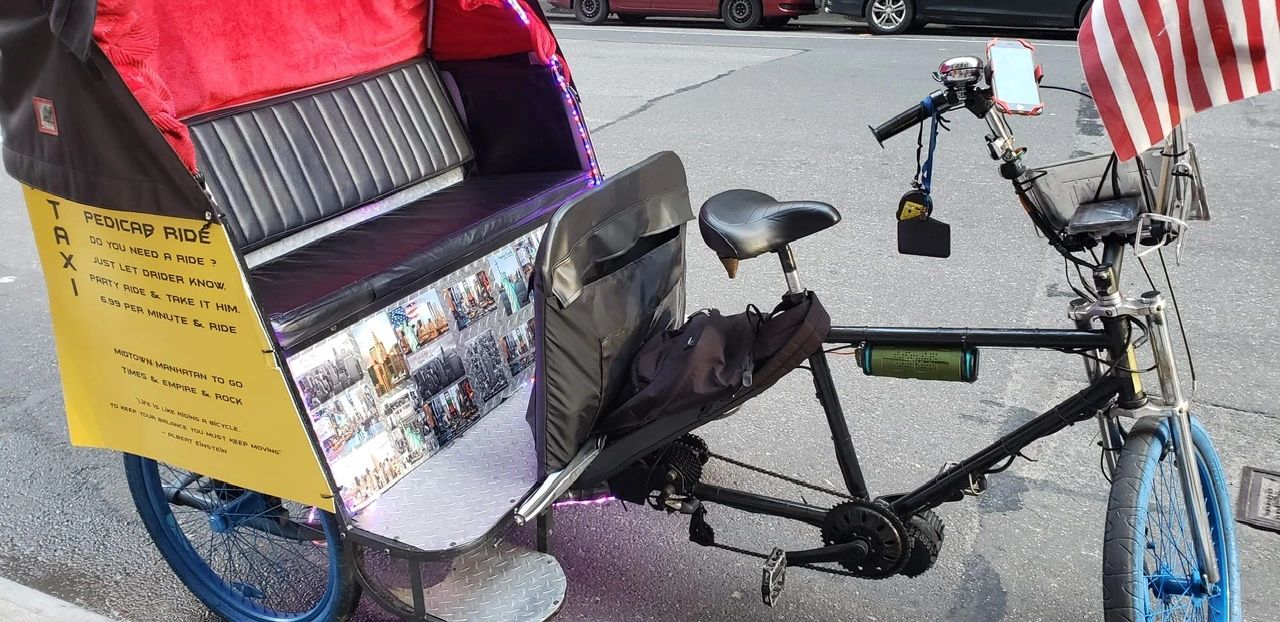
To regulate the use of pedicabs in cities, there are specific regulations and licensing requirements in place.
When it comes to pedicabs, safety is of utmost importance. These vehicles are equipped with various safety features such as seat belts, headlights, and rearview mirrors to ensure a secure ride for passengers. Additionally, pedicab drivers adhere to strict safety practices including obeying traffic laws and maintaining a safe distance from other vehicles on the road.
To regulate the use of pedicabs in cities, there are specific regulations and licensing requirements in place. These regulations encompass factors such as vehicle inspections, insurance coverage, background checks for drivers, and adherence to designated routes or areas of operation. By implementing these measures, authorities aim to maintain order and guarantee the overall safety of both pedestrians and passengers utilizing pedicab transportation services.
Sturdy construction is a key safety feature of pedicabs, ensuring durability and stability during rides. Passengers are securely fastened with safety belts or harnesses, minimizing the risk of accidents or falls. Adequate lighting illuminates the pedicab at night, enhancing visibility and preventing potential collisions. These safety features and practices prioritize passenger well-being while providing a reliable and secure transportation option.
1. To obtain a pedicab license, aspiring operators must fulfill specific requirements set by the local transportation authority. This typically includes passing a written exam on traffic laws and regulations, demonstrating proficiency in operating a pedicab safely, and providing proof of insurance coverage.
2. Compliance with traffic laws and regulations is crucial for all pedicab operators. They are expected to adhere to speed limits, yield to pedestrians, obey traffic signals, and use designated lanes whenever possible. Failure to comply may result in fines or suspension of their license.
3. Pedicab operators are required to have comprehensive insurance coverage that protects both themselves and passengers in case of accidents or injuries during transportations. This ensures peace of mind for everyone involved while promoting responsible business practices within the industry
Unique Perspective:
Tailored Adventures:
Eco-friendly pedicabs provide a unique sightseeing experience that combines sustainable transportation with an up-close exploration of landmarks and attractions. These pedal-powered vehicles offer a leisurely pace, allowing you to fully immerse yourself in the surroundings and appreciate the beauty of your chosen destination.
New York City:
San Francisco:
London:
Tailored itineraries based on individual preferences and interests, flexible tour durations to accommodate different schedules, and ‘hop-on hop-off’ options for exploring various attractions at your own pace.
Properly stepping into the pedicab requires maintaining balance and stability. Place one foot on the pedal and use it as a step while holding onto the handlebars for support. Then, swing your other leg over the seat and sit down gently to avoid any sudden movements or imbalance.
Ensuring safety while entering or exiting a pedicab is crucial for both passengers and drivers. Always wait until the pedicab comes to a complete stop before stepping out of it. Hold onto the provided handrails when getting in or out, especially if there are uneven surfaces nearby that could cause you to lose balance.
When assisting children or elderly passengers, extra care should be taken during entry and exit from the pedicab. Ensure that they have a secure grip on their handrail throughout, offering assistance whenever necessary. For added safety, consider using child seats or harnesses when transporting young children in a pedicab.
Effectively conveying your destination requires clear and concise communication with the pedicab driver. Be specific about the address or landmarks surrounding your destination, providing as much information as possible to ensure a smooth ride.
When asking for recommendations on routes or attractions, engage in a friendly conversation with the pedicab driver. They often have valuable insights and local knowledge that can enhance your experience. Open-ended questions like “What are some must-see places around here?” will encourage them to share their expertise.
Discussing any specific requirements is crucial for a comfortable and safe journey. If you have mobility issues or need assistance with luggage, kindly inform the pedicab driver beforehand so they can accommodate your needs accordingly. Clear communication ensures a pleasant experience for both parties involved in this unique mode of transportation.
Understanding customary tipping practices is important when using pedicab transportation. In general, it is recommended to tip around 15-20% of the fare for good service. When calculating appropriate fare based on distance traveled, keep in mind that rates may vary depending on the city and specific pedicab company. Recognizing exceptional service deserving of an extra tip is always a kind gesture and can be given for going above and beyond in providing a pleasant experience during your ride.
Telegram: @americanguerillamarketing
Sign up to get blog posts here