
September 23, 2023 Content Creation
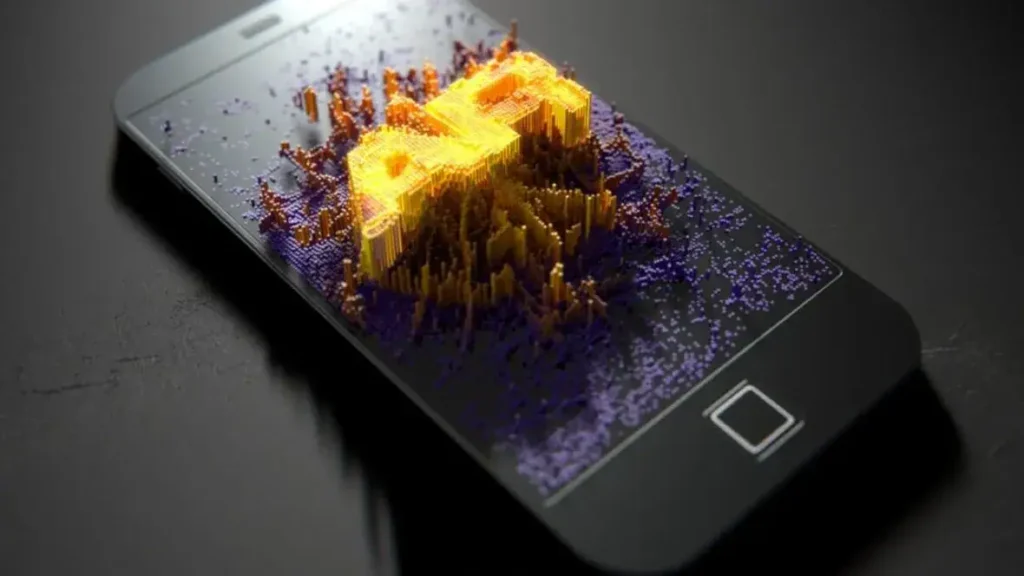
Welcome to our blog post on augmented reality! In this article, we will explore the definition of augmented reality (AR) and its various applications. Augmented reality has gained immense popularity in recent years, revolutionizing industries such as gaming, education, healthcare, and more. Join us as we delve into the world of AR and discover its exciting possibilities for the future.
Augmented reality (AR) is a technology that overlays digital information onto the real world environment. By enhancing our perception of reality, AR allows for an immersive and interactive experience where virtual objects are seamlessly integrated into our physical surroundings. Using a combination of sensors, cameras, and displays, AR merges the digital and real worlds to provide users with valuable information and enhance their understanding of their surroundings.
Understanding the concept of augmented reality involves recognizing its distinction from virtual reality. While virtual reality immerses users in a completely simulated environment, augmented reality overlays digital information onto the real world. This technology seamlessly integrates computer-generated elements with our physical surroundings, enhancing our perception and interaction within our environment.
Exploring the origins and evolution of augmented reality reveals its transformative impact on various industries. Initially developed for military purposes, AR has evolved to revolutionize fields such as gaming, healthcare, education, and marketing. By providing real-time information overlays that enhance user experiences and improve efficiency, AR continues to shape how we perceive and interact with our surroundings.
Examining the role of sensors in augmenting the real world, we find that they play a crucial part in capturing and interpreting data from the environment. These sensors gather information such as depth perception, motion tracking, and spatial mapping to create a seamless AR experience.
One fascinating fact is that augmented reality uses sensors to capture data from the environment, enabling accurate placement of virtual content onto physical objects or surfaces.
Understanding how computer vision enables object recognition in AR is essential. By analyzing visual data captured by cameras, computer vision technology can identify and track objects in real-time. This allows for accurate placement of virtual content onto physical objects or surfaces.
Explaining how AR content is projected onto physical environments involves overlaying digital elements onto the user’s view using display devices like smartphones or smart glasses. Through advanced algorithms and tracking systems, AR technology aligns virtual content with the real world seamlessly, creating an immersive augmented reality experience for users.
Analyzing the importance of display devices in AR experiences, we see that they serve as the medium through which virtual content is overlaid onto the real world. These devices, such as headsets or mobile screens, provide users with visual information that seamlessly integrates with their environment.
Discussing tracking technologies used to align virtual content with real-world objects, various methods are employed to ensure accurate overlay placement. Through computer vision and sensor-based systems, AR technology tracks the user’s position and surroundings in order to precisely align digital elements within their physical environment.
Highlighting interactive input methods for user interaction in AR, a range of technologies enable users to interact with augmented content. From touch gestures on mobile screens to voice commands and even hand tracking using depth-sensing cameras, these input methods enhance user engagement and facilitate intuitive interactions within the AR experience.
By understanding these key components – display devices for visualization, tracking technologies for alignment, and interactive input methods for interaction – we gain insight into how augmented reality seamlessly merges virtual information into our real-world environment.
Marker-based AR is a type of augmented reality that involves the use of markers or physical objects to overlay digital information onto the real world. This technology allows users to interact and obtain additional information about their environment through the overlay of virtual elements onto real-world objects. One example of its application is in museums, where visitors can use their smartphones or tablets to scan QR codes on exhibits and access detailed information.
On the other hand, markerless or location-based AR technology relies on GPS, compass, and motion sensors to detect and track the user’s position in order to provide relevant augmented content. By analyzing data from these sensors, this type of AR can offer context-specific overlays based on the user’s location. For instance, users exploring a city could receive historical facts about landmarks as they walk by them.
Projection-based displays such as holographic displays are another form of augmented reality that projects digital images onto physical surfaces or creates holograms that appear in front of us without needing any special eyewear. This immersive form of AR enables users to interact with virtual content in a more natural way by directly manipulating it within their environment.
By understanding these different types of augmented reality—marker-based, markerless/location-based, and projection-based—we can fully comprehend how this technology enhances our experience by seamlessly integrating digital overlays into our real-world surroundings.
Augmented reality (AR) has found numerous applications across various industries, revolutionizing the way we interact with technology. In gaming and entertainment, AR enhances user experiences by overlaying digital elements onto the real world, immersing players in interactive virtual environments. Similarly, in education and training settings, AR provides a hands-on learning experience through interactive simulations and visualizations that enhance understanding and retention of complex concepts. From assisting surgeons during procedures to improving patient care through enhanced diagnostics, AR is paving the way for advancements in healthcare and medicine. Additionally, architects and designers are utilizing AR to visualize 3D models within physical spaces before construction begins, enabling better planning and collaboration. Finally, marketers are leveraging the power of AR to create engaging advertisements that allow consumers to virtually try products or explore immersive brand experiences. With its diverse range of applications spanning multiple industries, augmented reality continues to reshape our perception of reality while enhancing human capabilities in unprecedented ways

Immersive gameplay experiences are revolutionizing the gaming and entertainment industry through augmented reality (AR). By overlaying digital elements onto the real world, AR enhances player engagement and creates interactive environments that blur the line between fantasy and reality. With AR, gamers can physically interact with virtual objects, characters, and scenarios in ways never before possible.
Virtual reality (VR) integration takes gaming to a whole new level of immersion. Combining VR technology with augmented reality capabilities allows players to fully immerse themselves in virtual worlds while still remaining aware of their physical surroundings. This integration opens up endless possibilities for creating captivating storylines and visually stunning game environments that transport players into extraordinary realms.
Interactive storytelling becomes even more compelling with AR technology. By integrating digital content seamlessly into the real world, storytellers can engage audiences like never before. Whether it’s bringing historical events to life or immersing viewers in thrilling narratives, interactive storytelling powered by augmented reality enables an unprecedented level of engagement and emotional connection.
In conclusion,
augmented reality is transforming gaming and entertainment by providing immersive gameplay experiences, integrating virtual reality for heightened immersion, and enabling interactive storytelling that captivates audiences on a whole new level.
Simulated practical learning environments allow students to gain hands-on experience and practice in a safe and controlled setting, enhancing their understanding and skills. With augmented reality (AR), complex concepts can be visualized in a more interactive and immersive way, making it easier for learners to grasp abstract ideas. Real-time collaboration capabilities of AR also enable remote learning, connecting students from different locations for group projects or discussions.
AR in healthcare and medicine is revolutionizing the industry by providing surgical guidance during complex procedures. Surgeons can overlay digital information onto the patient’s body, enhancing their visualization and improving precision. Additionally, AR technology offers medical training simulations for students, allowing them to practice essential skills in a realistic virtual environment. Furthermore, patients benefit from AR-assisted rehabilitation through interactive exercises that promote engagement and motivation while tracking progress. These innovative applications of augmented reality are transforming healthcare practices, enhancing patient outcomes, and advancing medical education.
Visualizing architectural designs in real-world contexts, AR technology allows architects and designers to overlay virtual models onto physical spaces, providing clients with a realistic preview of the proposed structures. By experiencing the design within their surroundings, clients can better understand its scale, aesthetics, and functionality.
Creating virtual models for client presentations becomes more immersive and interactive with AR. Architects can develop detailed 3D models that clients can explore from any angle using augmented reality devices or applications. This enhances communication between architects and clients as they collaborate on design decisions.
Efficient project management is facilitated through AR-based measurements. Architects can use augmented reality tools to accurately measure dimensions and distances within a space, streamlining the planning process and ensuring precise execution of designs. With real-time data at their fingertips, architects save time while maintaining high levels of accuracy throughout all stages of the project.

Innovative product demonstrations with virtual overlays allow marketers to showcase the features and benefits of their products in a visually engaging way. By superimposing virtual elements onto the real world, customers can get a better understanding of how a product works or looks before making a purchase decision.
Personalized shopping experiences using AR technology enhance customer engagement by allowing them to visualize products in their own environment. By simply pointing their smartphone camera at an object, customers can see how it would look like in their home or try on virtual clothing without stepping foot into a store.
Campaigns that integrate physical products with digital content create interactive and immersive experiences for consumers. AR technology enables brands to bring static advertisements to life by overlaying dynamic visuals and animations on top of print materials, creating memorable interactions that captivate audiences.
As we delve into the future of augmented reality, it is crucial to understand its definition and applications. Augmented reality refers to the integration of digital information with the user’s environment in real-time, enhancing their perception and interaction with the world around them. This technology has found numerous applications across industries such as gaming, education, healthcare, and retail.
Innovations in augmented reality technology are paving the way for exciting possibilities. Advancements in hardware capabilities have led to more immersive experiences through enhanced graphics and improved tracking accuracy. Additionally, developments in software algorithms have allowed for better object recognition and spatial mapping, enabling seamless integration of virtual content with real-world surroundings.
Despite its potential benefits, there are challenges that need to be addressed for wider adoption of augmented reality. Privacy concerns regarding data collection and security remain significant considerations that must be carefully managed. Furthermore, ensuring compatibility across different devices poses a challenge as manufacturers continue to introduce new technologies at a rapid pace.
Looking ahead, it is predicted that augmented reality will become an integral part of our daily lives. The technology holds immense potential for revolutionizing various sectors including manufacturing processes by providing real-time visual guidance to workers or transforming how we shop by allowing us to try on clothes virtually before making a purchase decision.
Ultimately, the future holds exciting prospects as advancements continue pushing boundaries within this dynamic field. As we explore further into the future, it would not come as surprise if AR becomes indispensable aspect
Enhanced visualizations in augmented reality have been made possible through significant improvements in hardware. The latest advancements offer higher resolution and better tracking capabilities, creating a more immersive and realistic experience for users.
The integration of artificial intelligence has revolutionized augmented reality by enabling real-time object recognition. This means that AR devices can now identify and interact with objects in the environment seamlessly, enhancing the overall user experience and opening up new possibilities for practical applications.
The development of wearable AR devices has focused on creating a seamless user experience. These devices are designed to be compact, comfortable, and easy to use, allowing users to access augmented reality content effortlessly wherever they go. The combination of improved hardware, AI integration, and wearable technology is driving exciting advancements in augmented reality technology.
Transforming various industries including healthcare and education, augmented reality (AR) has the potential to revolutionize how we learn and receive medical treatment. By overlaying digital information onto the real world, AR can enhance surgical procedures, improve patient outcomes, and create immersive educational experiences. However, ethical considerations surrounding privacy and data security need to be carefully addressed to ensure the responsible use of personal information. Additionally, adapting to the learning curve associated with AR adoption may pose a challenge for both students and educators alike as they navigate this new technology landscape.
As technology continues to evolve, augmented reality (AR) is set to become an integral part of our daily lives. We can expect to see AR seamlessly integrated into various aspects of our routines, from shopping and navigation to communication and education. Additionally, the scope of AR applications will expand beyond entertainment and gaming, with a growing emphasis on productivity tools that enhance work efficiency and collaboration. Furthermore, advancements in haptic feedback technology will contribute to even more immersive experiences in the realm of augmented reality. Brace yourself for a future where digital overlays merge effortlessly with physical reality, transforming how we interact with the world around us.
In summary, augmented reality is a technology that enhances our perception of the real world by overlaying digital information. Its applications are vast and diverse, ranging from gaming and entertainment to education and healthcare. As this technology continues to advance, we can expect even more innovative uses that will transform various industries and enhance our everyday lives. Augmented reality has changed the way we interact with the world around us, opening up new possibilities for immersive experiences and practical solutions alike. In conclusion, augmented reality offers a new dimension to our understanding of reality. With its ability to blend virtual elements with the physical world, it has revolutionized industries such as gaming, training simulations, architecture, marketing, and medicine. As this technology evolves further in terms of accuracy and accessibility, we can anticipate an increasingly widespread adoption across different sectors while transforming how we learn, work or entertain ourselves in profound ways. The future holds endless opportunities for augmented reality’s continuous growth as it pushes boundaries beyond what was previously imaginable
Telegram: @americanguerillamarketing
Sign up to get blog posts here
