
October 6, 2023 Event Staffing Agency

Utilization of dynamic teams in event staffing can catapult an ordinary event into an unforgettable one, thanks to their ability to seamlessly integrate innovative strategies. Discover how dynamic teams can revolutionize your event staffing strategies, creating unforgettable experiences while driving brand recognition and engagement.
Utilization of dynamic teams in event staffing can catapult an ordinary event into an unforgettable one, thanks to their ability to seamlessly integrate innovative strategies. Their synergy dramatically enhances the success of the event, creating a captivating environment and memorable attendee experience.
Dynamic teams play a vital role in fostering a high level of engagement and interactive participation at events. Trained for adaptive communication, dynamic teams can captivate and engage audience members, making each interaction special and memorable.
Dynamic teams in event staffing provide an outstanding opportunity to boost your brand’s awareness and recognition. Harnessing their energy and skill towards strategic marketing efforts can significantly amplify your brand’s presence during events.
Dynamic teams excel in delivering a memorable attendee experience in events through their effective communication, enthusiasm, and proactive approach.

Accomplishing your event’s aspirations is contingent upon picking the right personnel. Prioritize traits such as interpersonal skills, adaptability, and professional experience when hiring, as these traits often determine the success of an event.
Seasoned talent boosts event performance, prioritizing adaptability, interpersonal skills, and professional experience ensures optimized outcomes throughout your event.
Harness the power of talent acquisition strategies to enhance your event’s performance. Identify what your event necessitates, and fine-tune your selection process to bring aboard those who can meet those requirements optimally.
Identifying and clearly defining your goals and objectives serve as the groundwork for any successful event. Having these insights steer the overall staffing strategy, aligning your team’s efforts towards accomplishing meaningful results.
In the bustling world of event management, hiring multi-skilled individuals can elevate the success of your event. Spotting talents with dynamic skills such as leadership, communication, problem-solving and keen attention to detail, becomes the cornerstone for a standout event team.
On the other hand, having a clear understanding of the specific attributes that contribute to a successful event staffing team is crucial. If you’re navigating the recruitment waters, focus on those who exhibit adaptability, enthusiasm, resourcefulness and a strong customer-centric outlook.
Harnessing the power of digital technology can significantly enhance the process of event staff selection. It simplifies talent discovery, thus equipping companies with the human resources needed to achieve their event goals.
By leveraging advancements such as artificial intelligence and machine learning, talent identification can be expedited with precision. This reduces the resource-draining traditional hiring methods, while ensuring maximum productivity.
Without question, data plays an integral part in shaping exceptional event teams. It can provide insights about potential hires’ performance, past experiences, and suitability for specific roles.
Employing analytics, you can accurately map out candidates’ strengths and areas of improvement. This not only ensures you have a balanced team, but also outlines a clear pathway for training and personal development.
Through the ingenious alchemy of training, you can transmute ordinary event staff into agile, dynamic teams. Focus on instilling fundamental skills, brand knowledge, and capacity to adapt enables staff to stay attuned and responsive to event dynamics.
Nurturing the potential of staff empowers them to become vital game-changers in your events. A supportive environment allows them to explore their capabilities, fostering creativity, innovation, and ultimately, an unforgettable attendee experience.
A well-rounded training program is pivotal to event staffing excellence. In-depth sessions must cover areas like customer service, problem-solving, product knowledge, and safety procedures to cater to diverse event needs.
Remember, the foundation of a flourishing event is built on robust staff training. Comprehensive programs not only enhance staff competency but also foster teamwork, vital for seamless event execution.
Intricately designed modules ensure that event staff can navigate through unexpected challenges. Be it tricky customer queries or event-specific crises; well-trained staff can manage them all.
The leverage point of a successful event isn’t just the stunning venue or incredible entertainment; it lies within the team that organizes it. Comprehensive training empowers your event team, honing their skills to deliver exceptional experiences.
Investing in a full-fledged training program prepares your event staff to handle various on-ground realities. It ensures they master vital elements like time management, multi-tasking, and other required skills to meet the event’s demands.
A supportive environment unlocks the potential of event teams. It nurtures creativity, bolsters collaboration, and stimulates high-performance. These attributes are essential in dealing with the dynamic nature of events.
Building such an environment requires deliberate effort. Encouraging transparency, open communication, and mutual respect enhance staff’s overall performance, ensuring successful event management.
Positive team culture plays a pivotal role in event success. When staff feel valued and engaged, they are more inclined to go beyond their assigned tasks, creating memorable attendee experiences.
Such cultural norms not only foster happy teams but also reflect on the brand. A positive, enthusiastic event team naturally radiates energy that resonates with attendees, fueling brand recognition and loyalty.
An adept event team dovetails resources and talent for maximal efficiency. Providing top-notch tools, ranging from advanced scheduling software to interactive training platforms, can further elevate their performance, ensuring a flawless event execution.
The power of toolkits in empowering event teams is transformative. They foster creativity, encourage efficient communication, and streamline operations. By leveraging these, teams are better equipped to handle demanding scenarios, thereby enhancing both their performance and overall event efficiency.

Digital tools offer real-time communication abilities, allowing seamless coordination among event team members.
Optimized use of technology dramatically improves efficiency in event staffing. Quick communication, streamlined staff coordination, data-driven performance evaluation, and real-time analytics become possible realities, thereby boosting productivity.
Next-gen tech advancements, led by AI-powered staffing solutions, VR for immersive training experiences, and Blockchain for transparent transaction recording, revolutionize the event staffing industry by bringing efficiency, accountability, and effectiveness to a whole new level.
Streamlining communication offers dual advantages: team synchronization and a smooth operation. With effective communication strategies, event staff can share updates, address issues and collaborate better, leading to an orchestrated performance that leaves a lasting impression on attendees.
Team coordination plays a critical role in managing dynamic teams at events. The aim is to ensure that every team member knows their role and collaborates effectively with others for a seamless experience.
Through well-coordinated efforts, event staff can cover all operational aspects without overlaps or gaps. It’s a way to utilize resources efficiently while maintaining the rhythm of the event.
Digital tools offer real-time communication abilities, allowing seamless coordination among event team members. These include mobile conferencing, cloud-based platforms, and task management apps that keep everyone updated and on the same page.
When communication and coordination are well aligned, the result is an enhanced attendee experience. It fosters unity among the team, while also ensuring that each attendee’s needs are promptly and accurately met.
Leveraging analytics in event teams aids with performance assessment. Real-time data collects pertinent details, be it staff distribution or customer footfall, painting a precise picture of operations.
Having access to real-time data ensures immediate actions can be executed based on accurate insights. It helps turn hiccups into opportunities, thereby elevating attendee experience.
Data analysis not only detects issues but also identifies strengths within your event team. Recognize star performers and encourage their expertise, boosting morale and maintaining high engagement levels.
Incorporation of real-time data systems in event staffing also introduces transparency. Every team member can access relevant information, cultivating a sense of ownership and boosting overall productivity.
Finally, the power of real-time data stretches beyond the event’s conclusion. Deep data dives post-event will help identify trends and patterns, invaluable for planning future events and maintaining a competitive edge.
In the realm of event management, innovation begins with staffing. Embracing advanced solutions profoundly alleviates human bias and streamlines talent acquisition, promoting diversity and excellence.
Employing dynamic staffing strategies revolutionizes event triumphs. The integration of digital tools with traditional methods fosters an environment conducive to creativity, agility, and high productivity.
Exceptional event successes are no longer achieved by customary staffing techniques alone. Today’s rapidly-evolving climate demands the fusion of trailblazing technologies with your staffing strategies to not just keep up, but lead.
In your quest to effectively measure the success of dynamic teams, a comprehensive approach must be your compass. Peel back the layers of your staffing strategy, charting each aspect against your key performance indicators.
Quantifying the effectiveness of dynamic staffing models often leaves event organizers in uncharted waters. With an empirical approach, the ambiguity dissipates as you gain insights into engagement levels, brand recognition, and overall event performance.
When evaluating your dynamic team’s performance, essential KPIs involve aspects such as customer satisfaction rates, event goals met, and staff productivity. This data-driven approach allows you to modify and fine-tune your event staffing strategies.
Known for their quantifiable magic, KPIs offer valuable insights into effective event staff management. Tracking these indicators including attendance numbers, lead generation, and employee retention rates, assists in measuring and elevating the success of your events.
Regularly taking on board feedback and assessment results can set blockchain-like milestones. It forces the team to continually reinvent success and stay competitive in the dynamic field of event staffing.
Feedback fuels the efforts to optimize event staff dynamics. Incorporated systematically, it helps pinpoint areas for enhancement and fuels innovation for stellar performance.
A feedback-rich environment fosters growth and fine-tunes team potential. It opens avenues for productive dialogue, leading to elevated team spirit, collaboration, and ultimately, undebatable success in event staffing.
Evaluations culminate the feedback process, turning insights into actionable plans. They propel progress by quantifying improvements and identifying remaining gaps, establishing a robust loop of continual refinement for your dynamic event staffing team.
When it comes to organizing a successful event, one crucial aspect that should never be overlooked is the management of event staff. The responsibility of managing the event staff falls on the shoulders of the event organizer or the company hosting the event. Why is this responsibility so important, you may wonder? Well, the answer is simple – event staff can make or break an event.
The event staff is the face of your company during the event. They interact directly with attendees and have the power to leave a lasting impression. A well-managed and enthusiastic event staff can create a positive and memorable experience for attendees, leaving them with a favorable perception of your company. On the other hand, a poorly managed or unmotivated event staff can be detrimental to your event’s success, potentially turning attendees away and tarnishing your brand reputation.
So, what exactly does managing event staff entail? It involves various aspects such as recruiting, training, scheduling, and supervising the staff. The event organizer must carefully select individuals who possess the necessary skills, knowledge, and personality traits that align with the event’s objectives. This includes hiring staff members who are passionate, outgoing, and have excellent communication and problem-solving skills.
Once the staff is hired, they need to be adequately trained to ensure they are well-prepared to handle different scenarios and provide exceptional customer service. In addition to general event knowledge, training should cover specific tasks and responsibilities, such as registration, crowd control, or product promotion, depending on the nature of the event.
In the competitive world of marketing, standing out from the crowd is crucial for companies looking to make a lasting impact. One powerful way to achieve this is through memorable and unconventional marketing strategies, such as hosting engaging events. However, to ensure the success of these events, it is essential to have a qualified and capable event staff on board. So, what qualifications do event staff need to have in order to make your marketing endeavors shine?
First and foremost, event staff should possess excellent communication skills. Whether it’s interacting with potential customers, vendors, or fellow team members, effective communication is key to conveying your brand message and building valuable relationships. Exceptional verbal and written communication skills will enable your event staff to confidently engage with attendees and leave a lasting impression.
Secondly, a strong sense of creativity is an invaluable qualification for event staff. In the realm of marketing, creativity is what sets companies apart. Your event staff should be well-versed in thinking outside the box, coming up with innovative ideas, and executing them flawlessly. Creative individuals will have the ability to captivate and inspire attendees, leaving a positive and lasting impression of your brand.
Furthermore, organizational skills are a must for event staff. Planning and executing successful events involves juggling numerous tasks and details, and it is crucial to have individuals who can handle these responsibilities efficiently. From coordinating logistics to managing timelines, organized event staff will ensure that everything runs smoothly, leaving no room for mishaps or delays.
Flexibility and adaptability are also key qualifications for event staff. In the fast-paced world of marketing, things can change in an instant, and your event staff must be able to roll with the punches. They should be able to adapt to unexpected situations, make quick decisions, and problem-solve on the go. This flexibility will not only help ensure the success of your event but also showcase your company’s ability to handle any challenges that may arise.
Another crucial qualification for event staff is a positive and enthusiastic attitude. Your staff will be the face of your brand during the event, and it is vital that they exude positivity and enthusiasm. This energy will be contagious and help create a vibrant and engaging atmosphere for attendees.
Technical skills are also important for event staff, depending on the nature of the event. Whether it’s operating audiovisual equipment, managing social media accounts, or setting up computer systems, having individuals who are tech-savvy will ensure that your event runs smoothly and efficiently. These skills will also allow for innovative and interactive elements to be incorporated into your event, further enhancing the attendee experience.
Lastly, a passion for your brand and its values is a quality that should not be overlooked when selecting event staff. When your staff genuinely believes in your company and what it stands for, this passion will shine through in their interactions with attendees. This authenticity will not only make your brand more relatable but also create a deeper emotional connection with potential customers.
When it comes to planning a successful event, the question of how many event staff members you need is crucial. The number of staff members you hire can greatly impact the overall success and smooth running of your event. It’s not just about having enough people to manage the logistics, but also about creating a memorable experience for your attendees. In this blog post, we will discuss why having the right number of event staff members is vital, and provide some insights on how to determine the ideal number for your specific event.
First and foremost, having an adequate number of event staff members ensures that all aspects of your event are well taken care of. From registration and ticketing to managing the flow of attendees, a team of dedicated staff members can prevent any bottlenecks or long queues, ensuring a seamless experience for your guests. By having enough staff on hand, you can also handle any unforeseen circumstances or emergencies that may arise during the event, providing a sense of security and reassurance to both you and your attendees.
Moreover, having a sufficient number of event staff members allows you to pay attention to the finer details that make your event truly stand out. From greeting attendees with a warm smile to providing personalized assistance, your staff members can elevate the overall experience and create positive memories for your guests. They can also act as brand ambassadors, promoting your company and its values, and engaging with attendees on a personal level. This personal touch can help build strong relationships with your target audience, leading to increased brand loyalty and customer retention.
So, how do you determine the ideal number of event staff members for your specific event? Here are a few factors to consider:
Event size: The number of attendees you expect will greatly impact the number of staff members you need. A larger event with thousands of attendees will require a larger team to manage the crowd and ensure a smooth flow of activities.
Complexity of the event: If your event involves multiple stages, workshops, or breakout sessions, you will need more staff members to oversee each area and provide assistance where needed.
Type of event: The nature of your event will also determine the number of staff members required. For example, a conference may require more staff members for registration and session management, while a trade show may require more staff members for booth management and customer interaction.
Event duration: Consider the duration of your event when determining the number of staff members. Events that span multiple days or have long hours will require a larger team to avoid staff fatigue and maintain a high level of service throughout.
Desired attendee experience: Think about the kind of experience you want your attendees to have. If you aim to provide personalized assistance and create memorable moments, you will need more staff members to cater to individual needs and engage with attendees on a personal level.
In the fast-paced and competitive world of business, companies are constantly seeking innovative and unconventional marketing strategies to stand out in the market. One such strategy that has proven to be highly effective is hosting events. Whether it be a product launch, a trade show, or a corporate conference, events provide an excellent platform for companies to engage with their target audience and leave a lasting impression.
However, organizing and executing a successful event is no easy task. It requires careful planning, meticulous attention to detail, and a dedicated team of event staff members who are responsible for various duties. In this blog post, we will outline the key responsibilities of each event staff member to ensure a seamless and memorable event experience.
Event Manager:
The event manager is the backbone of the event and oversees all aspects of its planning and execution. Their responsibilities include:
Event Coordinator:
The event coordinator assists the event manager in the planning and execution of the event. Their duties include:
Marketing and Promotions Coordinator:
The marketing and promotions coordinator is responsible for creating buzz and generating excitement around the event. Their duties include:
Event Operations Manager:
The event operations manager is in charge of all logistical aspects of the event. Their responsibilities include:
By clearly defining the responsibilities of each event staff member, companies can ensure a well-organized and successful event. It is essential to have a dedicated team that can handle various aspects of event planning and execution, from logistics to marketing, to ensure a seamless and memorable experience for attendees. With the right team in place, companies can stand out in the market and leave a lasting impression on their target audience.
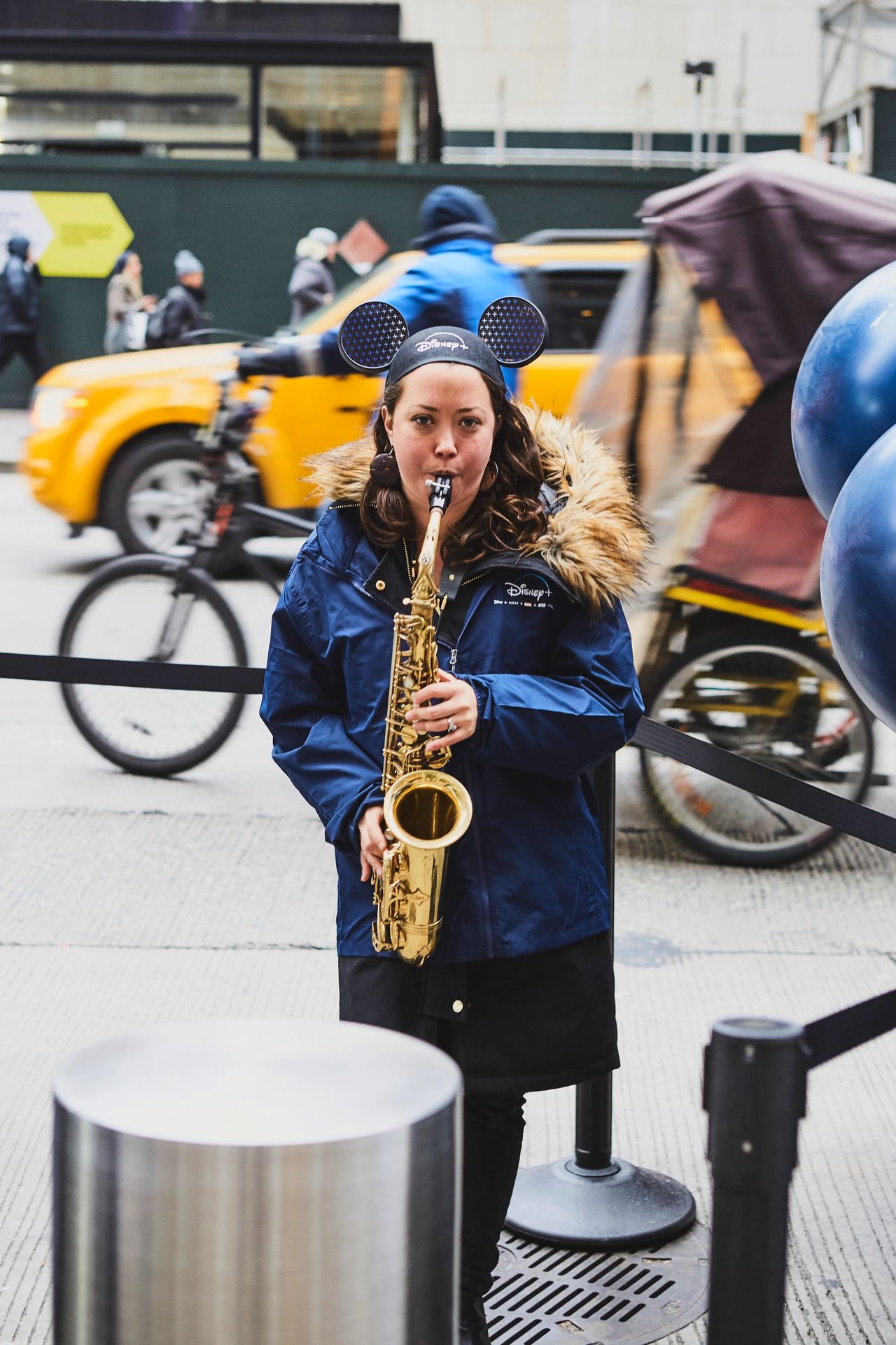
In today’s fiercely competitive business landscape, organizations are constantly looking for ways to stand out and leave a lasting impression on consumers.
In today’s fiercely competitive business landscape, organizations are constantly looking for ways to stand out and leave a lasting impression on consumers. One powerful tool in achieving this is hosting memorable events that engage customers and create positive buzz. However, the success of these events hinges on the training and preparedness of your event staff. In this blog post, we will explore the essential training required for event staff to ensure the success of your marketing initiatives.
Product Knowledge:
Your event staff must possess a deep understanding of your products or services. They should be able to answer questions, explain the unique features and benefits, and address any concerns potential customers may have. By imparting in-depth product knowledge, you empower your staff to effectively communicate your brand’s value, which can significantly impact customers’ purchasing decisions.
Customer Service Skills:
The ability to deliver exceptional customer service cannot be underestimated. Event staff should be trained to approach attendees with a friendly and approachable demeanor, actively listen to their needs, and provide personalized assistance. By doing so, you create a positive brand experience that fosters customer loyalty and word-of-mouth recommendations.Brand Storytelling:
Every brand has a story, and it is crucial for event staff to effectively convey that narrative to potential customers. Training should focus on teaching staff how to tell the brand story in a compelling and authentic way, emphasizing the values, mission, and unique selling points of your company. By sharing the brand’s story, event staff can create a meaningful connection with attendees, helping them understand and resonate with your brand on a deeper level.
Problem-Solving Skills:
Events often come with unexpected challenges, and event staff must be equipped with problem-solving skills to handle any issues that may arise. Training should include scenarios and role-playing exercises to teach staff how to think quickly on their feet, make informed decisions, and resolve problems efficiently. This not only ensures a smooth event execution but also showcases your brand’s ability to handle challenges with professionalism and grace.
Event Logistics:
Event staff should be well-versed in the logistics of event planning and execution. This includes understanding venue layouts, managing event registration, coordinating with vendors, and handling technical equipment. By providing comprehensive training on event logistics, you can ensure that your staff is well-prepared to handle all aspects of event management, resulting in a seamless and memorable experience for attendees.
Emotional Intelligence:
Emotional intelligence is a crucial skill for event staff, as it enables them to understand and connect with attendees on an emotional level. Training should focus on teaching staff how to read and respond to attendees’ emotions, handle difficult situations with empathy and tact, and create a warm and welcoming environment. By cultivating emotional intelligence among your event staff, you can create a positive and memorable brand experience that resonates with attendees long after the event.
Conclusion:
In an increasingly competitive market, hosting memorable events can be a game-changer forcompanies looking to stand out and make an impact. However, to ensure the success of these events, it is essential to invest in the training and development of event staff. By providing them with the necessary skills and knowledge, you can empower them to deliver exceptional experiences that leave a lasting impression on attendees.
In today’s fast-paced and competitive market, successful companies understand that the safety and well-being of their customers, employees, and event attendees must be a top priority. When it comes to organizing events, ensuring compliance with safety standards is not just a legal obligation but a moral responsibility. In this blog post, we will delve into the importance of ensuring event staff compliance with safety standards and discuss effective strategies to achieve this vital goal.
Lead by Example:
As a company, your commitment to safety should start from the top. By establishing a culture of safety within your organization, you set the tone for event staff to follow suit. Make safety a core value and ensure that all employees understand the importance of adhering to safety protocols. This will not only foster a safer work environment but also reflect positively on your brand image.
Comprehensive Training and Education:
Investing in thorough training and education for event staff is crucial in ensuring compliance with safety standards. Develop a detailed training program that covers essential topics such as emergency response procedures, crowd management, and proper handling of equipment. Regularly update this training to keep staff informed about the latest safety practices and regulations.
Empowerment through Communication:
Effective communication is key to ensuring that event staff understand and comply with safety standards. Establish clear lines of communication, providing staff with a platform to voice concerns, ask questions, and report potential safety hazards. Fosteran open and transparent communication culture, where employees feel comfortable sharing their thoughts and ideas related to safety. This will not only help in identifying and addressing safety issues promptly but also empower staff to take ownership of safety and actively contribute to its implementation.
Regular Safety Audits and Inspections:
Conducting regular safety audits and inspections is vital in identifying potential hazards and ensuring compliance with safety standards. Designate a dedicated team or hire external experts to conduct thorough inspections of your event venues, equipment, and procedures. Implement a system for reporting and addressing any safety concerns that arise during these audits, and take prompt action to rectify any issues identified.
Continuous Improvement and Feedback:
In order to ensure ongoing compliance with safety standards, it is crucial to embrace a culture of continuous improvement. Encourage event staff to provide feedback on their experiences, highlighting any safety concerns or areas for improvement. Actively listen to their suggestions, and implement changes accordingly. This will not only increase staff engagement and morale but also result in safer and more successful events.
Conclusion:
Ensuring event staff compliance with safety standards is not only a legal requirement but also a moral responsibility for companies. By leading by example, providing comprehensive training, empowering through communication, conducting regular audits, and promoting continuous improvement, companies can create a safe and secure environment for event attendees. This not only safeguards their well-being but also enhances the brand image and reputation. So, make safety a priority and take the necessary steps to ensure compliance with safety standards.
In today’s fiercely competitive market, companies are constantly searching for innovative ways to stand out and leave a lasting impression on their target audience. One key element in achieving this lies in the hands of event staff, who play a pivotal role in creating unforgettable experiences. The question of how event staff should be remunerated is an essential consideration that can greatly impact the success of an event. In this blog post, we will explore unconventional yet highly effective strategies that can inspire, motivate, and reward event staff for their invaluable contributions.
Performance-Based Bonuses:
Remunerating event staff based on their performance can be a game-changer. Rather than simply paying a fixed rate, consider implementing a bonus structure that rewards exceptional performance. This approach not only incentivizes staff members to go the extra mile but also cultivates a sense of healthy competition among them. By offering bonuses tied to specific metrics, such as attendee satisfaction, lead generation, or social media engagement, you can encourage your event staff to consistently deliver outstanding results.
Unique Perks and Benefits:
In addition to monetary compensation, think outside the box by offering unique perks and benefits to your event staff. Consider providing exclusive access to industry events, networking opportunities, or even professional development programs. By investing in their growth and providing them with opportunities to expand their skills and knowledge, you demonstrate your commitment to their success and create a positive and engaging work environment. This not only helps attract and retain top talent but also enhances the overall experience for event attendees, as staff members are more motivated and enthusiastic about their roles.
Recognition and Appreciation:
Never underestimate the power of recognition and appreciation. Acknowledging the hard work and dedication of event staff can significantly boost morale and motivation. Consider implementing a system that publicly recognizes outstanding performers or creates a platform for staff members to share their accomplishments and experiences. This not only fosters a sense of pride and belonging but also inspires others to strive for excellence.
Flexibility and Work-Life Balance:
Event staff often have to work irregular hours and weekends, which can be demanding and challenging. Offering flexible work arrangements and promoting work-life balance can be a significant incentive for them. Consider implementing policies that allow for flexible scheduling, remote work options, or even paid time off after a particularly intense event. By prioritizing their well-being and personal lives, you create a supportive and caring work environment that fosters loyalty and commitment.
Personalized Rewards:
Every individual is unique, and their preferences and motivations may vary. Consider implementing a system that allows event staff to choose their own rewards based on their interests and preferences. This could include options such as gift cards, travel vouchers, or even personalized experiences. By giving them the freedom to choose, you not only show that you value their individuality but also ensure that the rewards are truly meaningful and impactful.
Conclusion:
By implementing unconventional remuneration strategies for event staff, companies can not only attract and retain top talent but also create a positive and engaging work environment. Investing in their growth and providing opportunities for professional development demonstrates a commitment to their success. Recognition and appreciation boost morale and motivation, creating a sense of pride and inspiring others to strive for excellence. Offering flexibility and promoting work-life balance shows support and care for the well-being of event staff. Personalized rewards demonstrate value for their individuality and ensure meaningful and impactful incentives. By taking these unconventional approaches, companies can stand out in the market and build a loyal and committed team of event staff.
Telegram: @americanguerillamarketing
Sign up to get blog posts here