
August 27, 2023 Buying Billboard Advertising
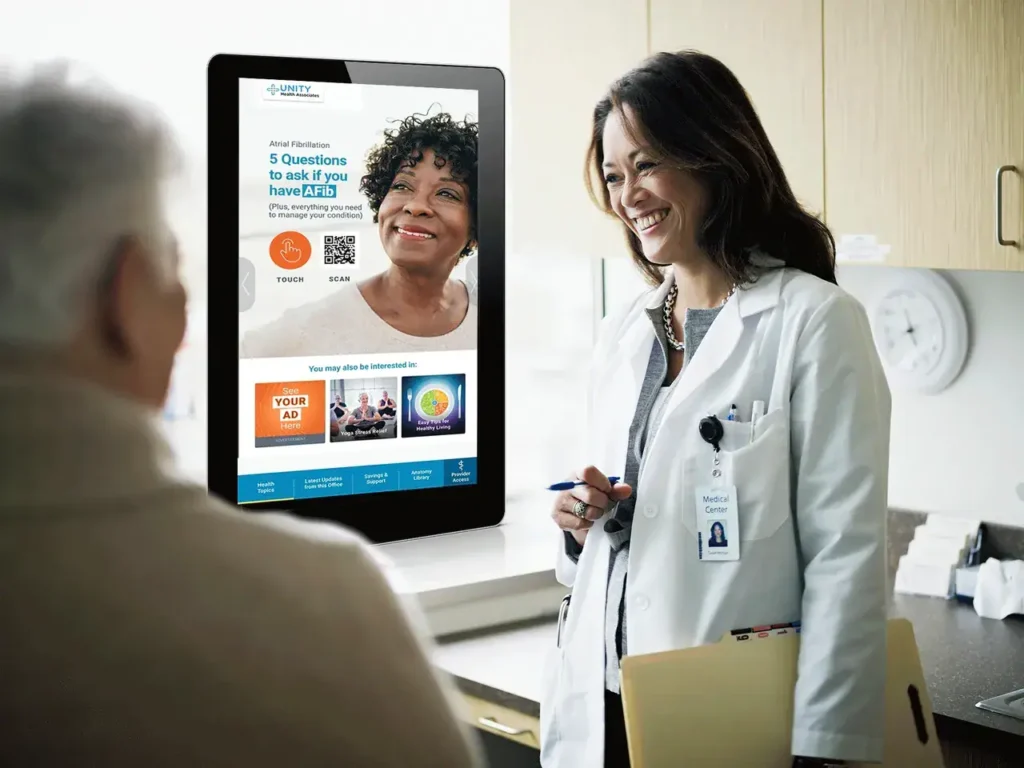
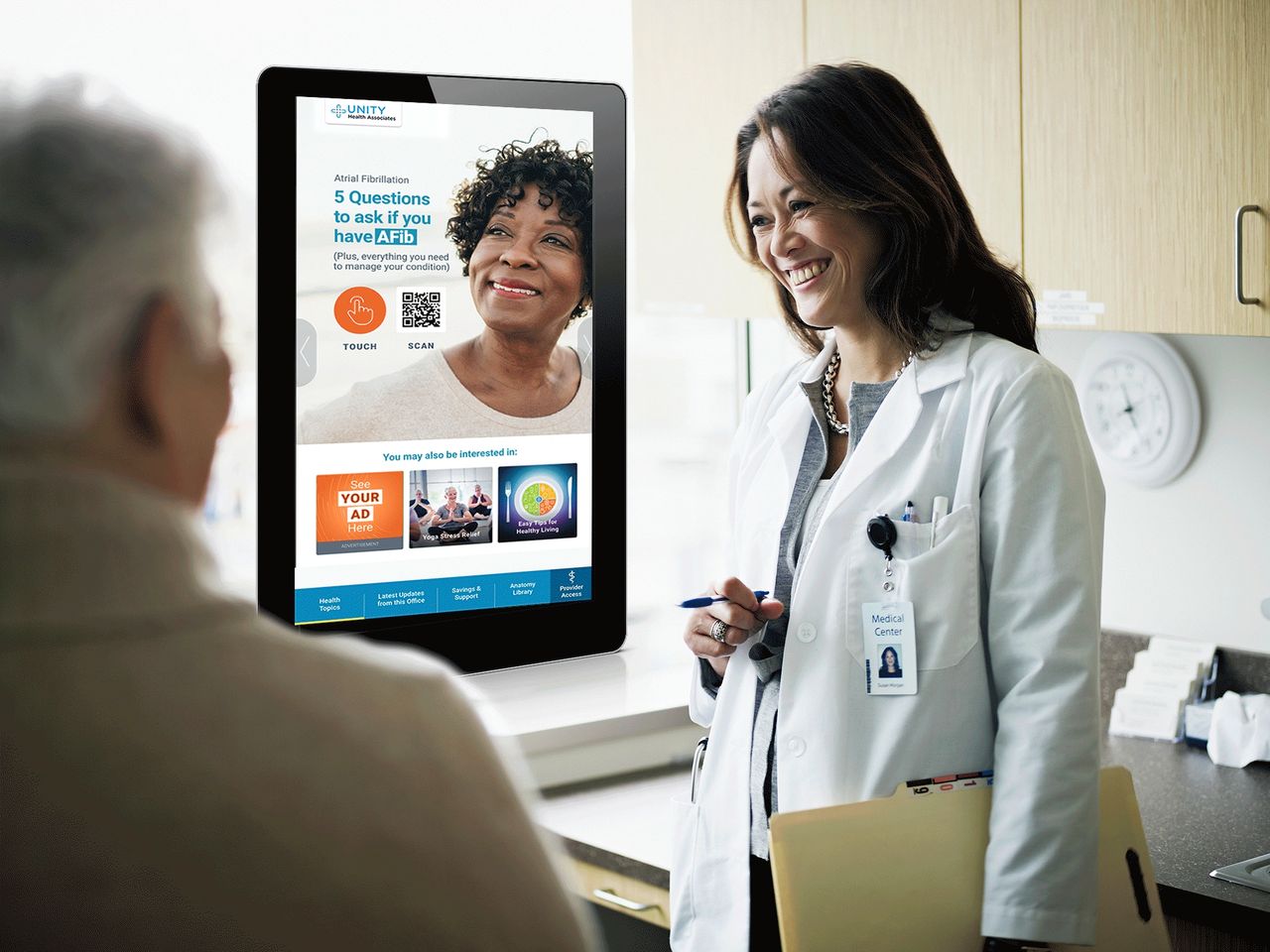
Digital advertising has become increasingly important in reaching patients, especially in the digital age where people are constantly connected to their devices. Digital advertising has become an essential tool for healthcare organizations to reach patients in today’s digital age. In this blog post, we will explore the importance of digital advertising in healthcare and discuss strategies for effective implementation. We will also delve into the challenges and considerations specific to digital advertising in the healthcare industry, as well as highlight the latest trends and innovations. Finally, we will showcase successful case studies that demonstrate how digital advertising can yield impressive results in promoting healthcare services. Stay tuned to discover how you can leverage the power of digital advertising to connect with your target audience effectively.
Digital advertising has become increasingly important in reaching patients, especially in the digital age where people are constantly connected to their devices. By strategically targeting online platforms and social media channels, healthcare organizations can effectively promote their services and raise awareness about health issues among different age groups.
Harnessing the power of digital marketing allows healthcare providers to connect with a wider audience, ensuring that vital health information reaches those who need it most. Through targeted campaigns and personalized messaging, digital advertising enables healthcare organizations to engage with individuals on a more personal level, ultimately improving public health outcomes and promoting healthier lifestyles for all.
The growing use of digital devices and internet access has significantly impacted patient behavior and preferences. Patients are increasingly relying on digital channels to seek healthcare information, connect with providers, and make informed decisions about their health. Healthcare providers must adapt to these changing trends by leveraging digital platforms for effective communication and marketing strategies.
The growing use of digital devices and internet access has revolutionized patient behavior, making it essential for healthcare providers to embrace digital channels. By utilizing online advertising methods such as targeted ads, social media campaigns, and search engine optimization (SEO), healthcare organizations can effectively reach patients with personalized messaging while maximizing visibility in the vast online landscape.
In the age of technology, it is crucial for healthcare providers to embrace digital channels in order to reach patients more effectively. By utilizing online advertising methods such as targeted ads, social media campaigns, and search engine optimization (SEO), healthcare organizations can ensure that their message reaches the desired audience. This shift towards digital advertising allows for personalized messaging tailored to individual patients’ needs while maximizing visibility in the vast online landscape.
Traditional vs. digital advertising in healthcare:
The rise of social media platforms as advertising channels:
Advancements in targeting and personalization:
Increased reach and visibility among target audiences: Digital advertising in healthcare allows for precise targeting of specific demographics, reaching patients where they spend most of their time – online. This increases the chances of delivering relevant messages to the right audience, ultimately boosting brand visibility and expanding the reach of healthcare marketing efforts.
Cost-effectiveness compared to traditional advertising methods: Digital advertising offers a cost-effective alternative to traditional marketing channels in healthcare. With lower production costs and the ability to tailor campaigns based on budget constraints, organizations can maximize their return on investment while still effectively promoting health-related services or products.
Ability to track and measure campaign performance: Unlike other forms of advertising, digital platforms provide robust analytics that allow marketers in the healthcare industry to track and measure campaign performance accurately. Metrics like impressions, clicks, conversions, and engagement rates provide valuable insights into audience behavior, enabling marketers to optimize their strategies for better results.

The growing use of digital devices and internet access has significantly impacted patient behavior and preferences.
Understanding the Target Audience: To effectively advertise in the healthcare industry, it is crucial to understand the target audience. Conducting thorough market research and analyzing patient demographics and behaviors will help tailor digital advertising strategies specifically for this audience.
Creating Compelling and Relevant Content: In a saturated digital landscape, creating engaging content is key to capturing the attention of potential patients. By developing relevant and informative content that addresses their pain points or offers solutions, healthcare organizations can establish themselves as trusted sources of information while also promoting their services.
Conducting market research allows healthcare advertisers to identify patient demographics and preferences. By analyzing online behavior and trends of the target audience, advertisers gain valuable insights into their interests and needs. These insights can then be used to create buyer personas that align with data-driven understanding.
Developing informative blog posts about common health concerns allows healthcare advertisers to provide valuable information to their target audience. By addressing topics that patients frequently search for, such as symptoms and treatment options, advertisers can position themselves as knowledgeable experts in the field. Additionally, designing visually appealing infographics simplifies complex medical information and enhances patient understanding. Infographics are an effective way to present data and statistics in a clear and concise manner, making them highly shareable on social media platforms. Finally, producing engaging videos that educate patients about different treatment options adds depth and visual interest to advertising campaigns. Videos can feature testimonials from satisfied patients or showcase before-and-after transformations, capturing the attention of potential customers.
Setting up professional profiles on popular social media platforms like Facebook, Twitter, and LinkedIn allows healthcare providers to reach a wider audience and establish their expertise in the field. By sharing patient success stories and testimonials on these platforms, trust can be built among followers, encouraging them to seek out the services offered. Engaging with users through interactive content such as quizzes or polls creates a sense of community and encourages active participation from followers.
Investing in targeted keywords on Google AdWords allows healthcare organizations to reach their desired audience effectively through paid search advertisements. By optimizing website content with relevant keywords, healthcare businesses can improve their organic search rankings, increasing visibility and attracting more potential patients. A/B testing landing pages helps optimize conversion rates from search engine traffic, ensuring that visitors are engaged and compelled to take action.
Collaborate with influential healthcare professionals or bloggers to create sponsored content that showcases the benefits of your brand. By partnering with these experts, you can reach a wider audience and establish credibility in the industry.
Sponsor events where influential individuals can promote your brand’s message to their followers. This not only increases brand visibility but also allows you to tap into the influencer’s existing fanbase, expanding your reach even further.
Encourage influencer partnerships by offering product giveaways or exclusive discounts. This incentivizes influencers to promote your products, increasing awareness and driving potential customers to engage with your brand.
The digital advertising landscape in healthcare presents several challenges and considerations. Ensuring compliance with privacy and security regulations is paramount, as patient data must be protected at all times. Navigating the complexity of healthcare regulations requires careful attention to detail, as different regions may have varying guidelines that need to be followed. Evaluating and measuring advertising performance can be a challenge due to the multitude of metrics available, requiring a strategic approach to determine effectiveness. Overcoming information overload and skepticism from patients is crucial, necessitating clear communication and providing credible sources to build trust in digital advertisements for healthcare.
Understanding HIPAA regulations for patient data protection is crucial in ensuring compliance with privacy and security regulations. Healthcare organizations must have a thorough understanding of the requirements outlined by HIPAA to protect sensitive patient information from unauthorized access or disclosure. Implementing secure web forms and encryption methods further enhances data protection, ensuring that any personal or medical information collected through online platforms remains confidential and secure. Additionally, auditing third-party vendors for compliance is essential to ensure that they meet the necessary privacy and security standards when handling patient data. By actively monitoring vendor compliance, healthcare organizations can minimize potential risks associated with outsourcing services while maintaining regulatory compliance.
Staying up-to-date with FDA guidelines on pharmaceutical advertising is crucial to ensure compliance in healthcare marketing. Understanding the specific regulations and restrictions set by the FDA helps companies avoid penalties and maintain their reputation.
Complying with state-specific healthcare advertising laws requires careful attention to detail. Each state may have its own unique requirements, such as disclosure obligations or limitations on certain types of advertisements. Adhering to these laws ensures that promotional materials are legally compliant in each targeted market.
Adhering to Medicare and Medicaid rules in promotional materials is essential for healthcare organizations. These government programs have strict regulations regarding advertising claims, pricing transparency, and eligibility criteria. By following these rules, companies can build trust with potential patients while avoiding legal complications.
Utilizing tracking pixels and conversion tags is crucial in assessing the effectiveness of advertising campaigns. These tools allow advertisers to track user behavior and measure conversions, providing valuable insights into campaign performance. Analyzing key performance indicators (KPIs) like click-through rates (CTR) further helps gauge audience engagement and overall ad success. Another effective strategy is A/B testing different ad formats to optimize engagement, ensuring that healthcare advertisements resonate with their target audiences in the digital age.
Creating compelling content that educates rather than overwhelms patients is essential in overcoming information overload and skepticism. By providing clear, concise information about medical processes and treatments, healthcare advertisements can establish trust with patients. Incorporating social proof, testimonials, or case studies into advertisements further builds credibility by showcasing positive patient experiences. Transparent communication about medical processes helps to alleviate skepticism and fosters trust between healthcare providers and patients.

Developing informative blog posts about common health concerns allows healthcare advertisers to provide valuable information to their target audience.
Personalization and targeted advertising are becoming increasingly important in the digital advertising landscape for healthcare. By utilizing data analytics and user profiling, healthcare organizations can tailor their advertisements to specific demographics, interests, and browsing behavior. This personalization not only enhances the user experience but also increases the likelihood of engagement and conversion.
Virtual reality (VR) and augmented reality (AR) experiences are revolutionizing digital advertising in healthcare. These immersive technologies allow patients to engage with medical products or services in a realistic virtual environment, providing a unique and memorable experience. From interactive surgical simulations to virtual clinic tours, VR and AR offer innovative ways for healthcare advertisers to captivate their audience and convey complex information effectively.
In the digital age, personalization and targeted advertising have become crucial for effective healthcare advertising campaigns. By utilizing data-driven insights, advertisers can tailor their messages to specific demographics and deliver highly relevant content that resonates with patients’ needs and preferences.
Personalized ads not only increase engagement but also improve conversion rates by delivering the right message to the right audience at the right time. Through advanced targeting techniques such as demographic segmentation, behavior tracking, and retargeting, healthcare advertisers can optimize their ad spend while providing a more personalized experience for patients seeking relevant health information or services.
Virtual Reality (VR) and Augmented Reality (AR) have revolutionized the way healthcare advertising engages patients. By immersing users in virtual environments or overlaying digital enhancements onto the real world, VR and AR experiences offer an interactive and personalized approach to promoting health services. From simulated surgeries for training medical professionals to virtual patient consultations, these technologies provide innovative ways to educate, inform, and entertain audiences in the healthcare industry.
Incorporating Virtual Reality (VR) and Augmented Reality (AR) into healthcare advertising opens up a whole new realm of possibilities. Patients can now visualize medical procedures, explore treatment options in a realistic manner, and even experience what it’s like to live with certain conditions. These immersive experiences not only enhance understanding but also foster empathy towards patients’ health concerns. With VR headsets becoming more accessible and AR apps readily available on smartphones, healthcare advertisers have an opportunity to create engaging content that resonates with their target audience on a deeper level than ever before.
In the digital age, chatbots powered by artificial intelligence (AI) are revolutionizing advertising in healthcare. These intelligent bots provide personalized interactions with patients, answering their questions, offering recommendations, and even scheduling appointments. By leveraging AI technology, advertisers can deliver targeted messages at scale while enhancing patient engagement and improving overall customer experience.
With advancements in natural language processing and machine learning algorithms, chatbots can understand and respond to patients’ inquiries in a conversational manner. They offer a seamless way for healthcare organizations to address patient needs promptly while reducing operational costs. The integration of AI-powered chatbots into advertising strategies enables advertisers to connect with patients more efficiently and effectively than ever before.
Video advertising and live streaming are powerful tools for reaching and engaging patients in the digital age. By incorporating video ads into their marketing strategies, healthcare organizations can effectively convey important messages about their services and increase brand awareness. Live streaming events such as webinars or Q&A sessions allow organizations to connect directly with their audience in real-time, fostering trust and building relationships.
In conclusion, digital advertising has become a powerful tool for reaching patients in the healthcare industry. With the rise of technology and online platforms, there is an opportunity to connect with individuals on a more personal level and provide them with relevant information about their health. By utilizing targeted ads, optimizing websites for mobile devices, and integrating social media strategies, healthcare organizations can effectively engage with patients in the digital age. Overall, it is essential for healthcare providers to embrace digital advertising as part of their marketing strategy. The ability to reach patients where they are spending most of their time – online – allows for increased awareness and education about available healthcare services. By staying up-to-date with emerging trends and technologies in the digital landscape, organizations can maximize their efforts in connecting with patients and ultimately improving overall patient care.
Telegram: @americanguerillamarketing
Sign up to get blog posts here