
December 22, 2025 College Student Marketing
Any marketer looking to make a real impact with emerging adults should never overlook the power of student marketing at the biggest universities in Wisconsin. The college crowd represents a singular target: thousands of smart, trendsetting, and hyper-connected individuals clustered within a few city blocks. This population has tremendous influence in shaping pop culture, setting loyalty trends for brands, and amplifying word of mouth through social media.
What makes student marketing so potent is its agility and its ability to reach students exactly where they live, socialize, and move about their daily routines. You don’t have to ask permission from the university administration to craft experiences or visibility off-campus. These guerrilla-style activations can happen in public or permitted spaces: bustling sidewalks, coffee shop corridors, packed entertainment districts, fast-food drive-thrus, and apartment complexes teeming with undergrads.
This approach lets brands move fast, react to real-time opportunities, and make a lasting impression without layers of bureaucracy. It also keeps costs in check, relying on ground-level creativity, bold visuals, and personal interactions instead of expensive on-campus contracts. When executed with intention, these campaigns deliver results that are both authentic and scaleable.
Many brands searching for College Marketing strategies in Wisconsin expect to focus only on digital ad buys or sanctioned campus events. While both have their place, the real winners blend analog and digital, physical presence and virtual buzz.
Street-level student marketing at college hubs in Wisconsin might include:
Below is a quick comparison of some ground-based and digital techniques:
| Strategy | Physical Location | Strengths | Ideal Use Case |
|---|---|---|---|
| Wild Posting | Nightlife areas, apartments, walk routes | High visibility, affordable, flexible | Event launches, new brand teasers |
| Projections | Building exteriors, event venues | Eye-catching at night, social sharing | Buzz for concerts, limited drops |
| Sidewalk Stencils | High-traffic walkways | Ubiquitous touchpoints, QR code ready | Quick engagement, app installs |
| Billboards (Static) | Major arteries to campus | Consistent message, long retention | Slow-build awareness |
| Billboards (Digital) | By campus hotspots, bus routes | Easily updated, high engagement | Rotating promos, countdowns |
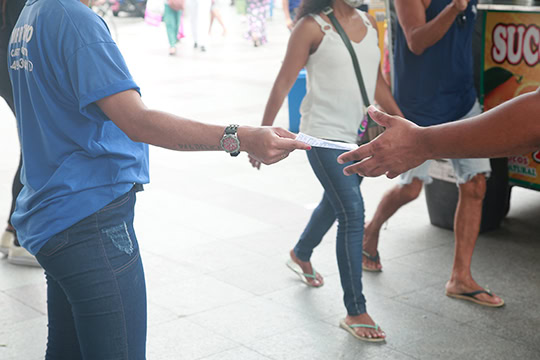
| Product Sampling | Entrances to grocery, busy sidewalks | Direct interaction, high conversion | F&B, personal care, tech accessories |
| Housing Infiltration | Off-campus student apartments | Hyper-local, tactile, memorable | Loyalty programs, survey capture |
| Digital Geofencing | Mobile within set neighborhoods | Real-time analytics, hyper-personalized | App downloads, quick polls |
When these College Marketing strategies interlock, the outcome is a campus-wide sense of presence and energy. Not every tactic works for every brand, but with creative adaptation, brands can earn genuine moments of attention and spark authentic student engagement.
Students in Wisconsin’s flagship college towns crave new experiences and thrive on social validation. That’s why Student Advertising campaigns that physically intersect daily routines work so well. Unlike traditional ads, these campaigns are woven naturally into student life.
Let’s look at some ground-level techniques that consistently spark excitement and social buzz:
Wild Posting: The vibrant stretches of State Street in Madison, Water Street nightlife district in Milwaukee, and Off-Broadway in Green Bay are magnets for clusters of students after dusk. Layering posters with bold visuals and CTAs can amplify an event or launch aligning with top local hangouts.
Projections: Weekend nights light up with motion graphics projecting event brands, product launch teasers, or meme-style activations onto the sides of public parking garages, gyms, or theater buildings. This strategy leverages naturally occurring crowds and generates shareable moments for Instagram and Snapchat.
Sidewalk Stencils: Placed next to crosswalks along University Avenue, outside popular all-night diners, or near student shuttle stops, branded stencils give students something intriguing to spot and share. Stencils with QR codes can drive digital actions, from voting in polls to instant app downloads.
Billboards: Digital boards by the cinema or static vinyl installs on main feeder roads like Regent Street (Madison) or Bluemound Road (Milwaukee) can be used tactically: digital for last-minute deals or rotating event dates, static for semester-long branding.
Sampling: Nothing outperforms live product sampling in areas just outside campus zones: hand out beverages outside the campus grocery in Eau Claire or breakfast bars on morning student commuter routes in Oshkosh. The immediacy works — students get instant gratification, and brands capture authentic opinions or quick data via hashtag incentives.
Housing Infiltration: Target student-heavy apartment blocks and residence complexes with guerrilla touches: deliver “exam fuel kits” before midterms, drop off branded pizza toppers to go with Friday night takeout, or plant creative flyers on laundry room bulletin boards.
Digital Marketing: Layer every physical activation with geofenced TikTok or Instagram campaigns, building on the hype students see in person with follow-up content, contests, and direct call-to-action links.
Why do these techniques work? They start conversations. They provoke curiosity. And they make students active participants in the brand experience rather than passive bystanders.
Each major university community in Wisconsin offers unique terrain for College Advertising for student engagement. Here are some high-reach campuses and creative activation ideas for each:
University of Wisconsin–Madison
Marquette University (Milwaukee)
University of Wisconsin–Milwaukee
University of Wisconsin–Eau Claire
These activations work best when they don’t feel forced or disconnected from the real student experience. The campaigns should reflect campus culture: what matters to students, the hangouts they actually use, and the campus-specific slang or symbols that resonate with insiders.
A multi-layered approach builds momentum:
Every campus is its own unique ecosystem, and the most successful campaigns are those that feel both native and novel. The result? Students not only see a brand — they talk about it, interact, and share it. When authenticity and visibility combine, the student population of Wisconsin’s universities can become a launchpad for influence that stretches well beyond state lines.