
September 3, 2025 Buying Billboard Advertising
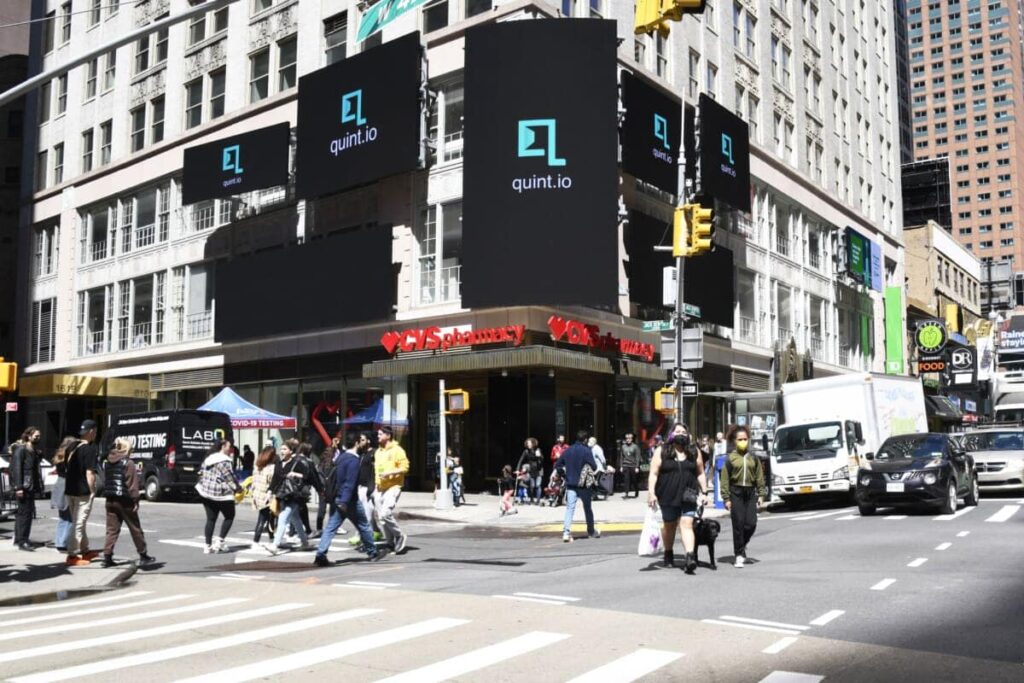
Billboard advertising lines the highways, skirt dense urban districts, and mark the entryways to suburbs and rural communities across Washington State. They not only frame the landscapes from Seattle to Spokane, but also offer businesses a powerful tool to stay visible in a complex, competitive media environment. Whether targeting commuters on I-5, festival-goers in Bellingham, or travelers arriving at SeaTac, a billboard advertising campaign in Washington connects brands with audiences in some of the state’s most dynamic markets.
Yet, the real insight comes from navigating the pricing matrix that dictates where, when, and how businesses access these high-impact canvases.
Rates for out-of-home advertising don’t follow a single rulebook. The cost to rent a billboard advertising in Washington pivots on factors like format, location, duration, and local demand. However, some pricing trends remain fairly consistent statewide.
Here’s a breakdown of baseline rates for a standard 4-week out-of-home campaign:
For campaigns seeking meaningful coverage, it’s customary for operators and agencies to require a $5,000 minimum budget. This threshold permits placement on multiple boards, the ability to test creative, and access to locations with stronger impression counts.
Yet, these averages don’t tell the whole story. The real picture becomes clear when looking at costs and efficiency market by market.
The key to effective billboard advertising campaigns in Washington lies in thoughtful placement. Each major city brings its own blend of pricing, market reach, and audience engine.
As Washington’s best-known urban center, Seattle exemplifies the upper tier of billboard advertising pricing. Here’s a cross-section of typical offerings:
But the price range is dramatic. Monthly costs for a billboard advertising in Seattle can run anywhere from $600 to an astonishing $46,660, particularly for premium placements like those on I-5 or downtown street corridors.
These options command their elevated rates for one reason: audience. Locations near stadiums, major event venues, or the heart of downtown reach local residents, tourists, and daily commuters, all in the same day.
Just south of Seattle, Tacoma’s pricing closely tracks its northern neighbor, albeit with generally lower competition and slightly more accessible costs outside of premium corridors.
Local monthly costs also stretch from $600 up to $46,660, but many placements fall near the lower bounds, especially in neighborhoods or secondary arterials.
Washington’s eastern hub brings an entirely different pricing profile, with some of the state’s most budget-friendly board rates.
Average 4-week costs:
For resourceful advertisers, Spokane’s efficiency is hard to match; CPM figures under $5 unlock considerable visibility per dollar compared to western Washington.
Transit advertising can extend your campaign into new pockets of the commuter population. Seattle’s transit ads cost an average of $8,156 per month and deliver approximately 457,000 weekly impressions, with a CPM hovering around $12.75.
This makes them an excellent choice for reach across demographics less likely to own or operate vehicles, or for brands seeking strong presence in the heart of the city.
Let’s place the most pertinent cost and efficiency data in a simple table for market comparison:
| Market/Format | Cost per 4 Weeks | CPM / Impressions |
|---|---|---|
| Statewide Static Bulletin | $3,435–$5,770 | — |
| Statewide Digital Bulletin | $3,335–$5,435 | — |
| Medium Static Poster | $1,270–$1,900 | — |
| Medium Digital Poster | $1,900–$2,500 | — |
| Seattle Avg | ~$3,448 | ~$9.33; ~370K impressions |
| Seattle Premium (Bulletin/Digital) | $6,500–$15,500 | — |
| Tacoma Avg | Similar to Seattle | — |
| Spokane Static | ~$1,000 | ~$4.46; ~2.96B impressions |
| Spokane Digital | ~$417 | ~$2.85; ~176M impressions |
| Spokane Wallscape | ~$1,000 | ~$12.32; ~12M impressions |
| Seattle Transit (Ad) | ~$8,156/month | ~$12.75; ~457K weekly impres. |
Why does Seattle dwarf Spokane in cost, and why do some placements skyrocket even higher? Several considerations are at play:
Billboard strategy in Washington hinges on maximizing ROI while targeting the right audience. Here’s how key scenarios compare:
Premium (Downtown/Highway):
Cost-Efficient (Suburbs, Junior Posters):
Case Scenario Example: A retailer in Spokane can secure multiple low-cost static boards across retail corridors, dominating local visibility at a fraction of the monthly spend required for a single Seattle highway bulletin. Conversely, a national brand launching a statewide campaign may value the multi-million weekly impressions from Seattle’s iconic digital boards, despite lower immediate ROI.
Traditional out-of-home metrics were once limited to traffic counts and broad estimates. Today, advertisers in Washington have a suite of data-driven options to sharpen their campaigns and improve accountability.
Best Practices for Modern Billboard Advertising Campaigns:
Savvy advertisers benchmark CPMs, comparing the cost-efficiency of different markets and boards. For instance, Spokane digital’s ~$2.85 CPM versus Seattle’s $9.33 enables efficient regional cover with lower spend.
Traffic and transit analytics matter greatly—boards along I-5 or near heavy-use transit stops can underpin high-value reach, while integrating campaign timing around local events or peak commuter flows multiplies impact.
Choosing where and when to place your billboard advertising is a start. The next step is maximizing results with thoughtful planning:
For brands with a physical location, connect promotions or QR codes to campaign windows—then track whether local foot traffic or web searches spike in tandem.
Mobile analytics—whether via third-party providers or your own app—allow analysis of frequency, dwell time, and conversion rates more granularly than old-school impression estimates. Brands that harness this data are empowered to adjust flights and creative mid-campaign, or to reallocate spend the next cycle.
Different business objectives call for different billboard strategies. Consider:
The local business owner aiming to drive foot traffic during a grand opening might see stronger ROI from a small cluster of suburban posters and transit ads than from a single I-5 digital bulletin. Meanwhile, statewide promotional tours, political campaigns, or tourist attractions are well-suited to premium high-density corridors.
Washington’s unique mix of dense city centers, sprawling suburbs, and bustling transit lines affords tremendous flexibility. By mapping campaign goals to the right mix of placements, and by employing the latest tools to track engagement and optimize creative, businesses can harness the full potential of the state’s ever-present billboard advertising.
Success is driven not by biggest spend, but by the smartest approach—blending format, timing, and targeting for the right audience, at the right time, in the right place. With pragmatic planning and a data-forward mindset, marketers in Washington remain well positioned to achieve lasting, visible impact.
From I-5 through Seattle to Spokane’s busiest corridors, Washington billboard advertising delivers impact. Connect with Justin at [email protected] to get pricing details and plan campaigns that put your brand in front of thousands daily.